
The President of the United States, Donald Trump, warned last night (early Saturday morning in Spain) that he might not extend the ceasefire with Iran if a peace agreement to end the conflict, now in its eighth week, is not reached before Wednesday. The Republican added, however, that there is “quite good news” about Iran, although he did not provide further details. “We have received quite good news, but it seems things are going very well in the Middle East with Iran.” Meanwhile, the President of the Iranian Parliament, Mohamad Baqer Qalibaf, warned that the Strait of Hormuz “will not remain open” if the US blockade against Iranian ports continues on one of the world’s main energy routes.
Read more El Chapo Guzmán asks the US justice system for «fair treatment» in prison
EL PAÍS offers the latest updates on the US and Israel attack against Iran for free. If you want to support our journalism, subscribe.

WAR AGAINST IRAN
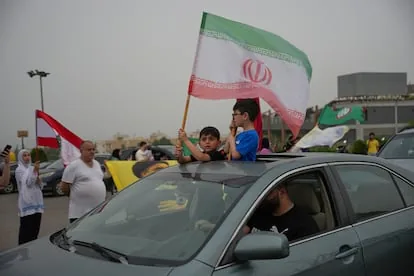
Return to southern Lebanon: “We will raise a new generation to fight against Israel”
The rift between supporters of the Shiite militia Hezbollah and the Lebanese government was evident this Friday on the crowded return route that thousands of people have taken towards southern Lebanon. After 46 days of forced displacement due to the war with the Israeli army, thousands of citizens took advantage of the first hours of the temporary ceasefire, lasting only 10 days, to return to a devastated territory where Israel claims it will maintain attacks. While Beirut has initiated dialogue with Israel and committed to disarming Hezbollah, the border population, mostly close to the pro-Iranian movement, returns south amid praise for their fighters. “Our young people have fought Israel to the death,” proudly proclaims Randa Manna, 61, from atop the vehicle. “And we will raise a new generation to fight against Israel,” she says alongside her grandson, both making the victory sign with their fingers.
You can read the full information here
Iran warns that Hormuz “will not remain open” if the US blockade continues
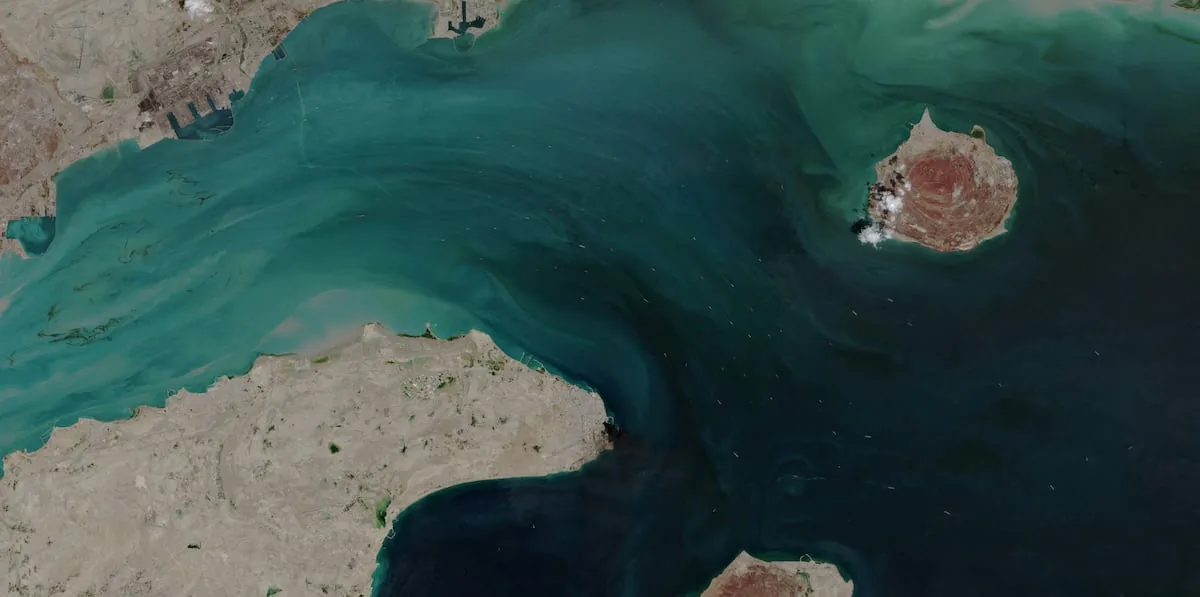
The President of the Iranian Parliament, Mohamad Baqer Qalibaf, warned early Saturday that the Strait of Hormuz “will not remain open” if the US blockade against Iranian ports continues on one of the world’s main energy routes.
“With the continuation of the blockade, the Strait of Hormuz will not remain open,” Qalibaf said on the social network X. The Iranian leader also stated that maritime transit through the strait will be carried out according to “designated routes” and with “Iran’s authorization.”
Qalibaf criticized statements by US President Donald Trump, saying he made “seven false claims in one hour” about the Strait of Hormuz and the negotiations, without specifying which statements he referred to.
“With these lies they did not win the war and, without a doubt, they will not achieve anything in the negotiations,” asserted the President of the Iranian Parliament, who led his country’s delegation in last Saturday’s negotiations with the US in Islamabad.
Qalibaf emphasized that the conditions for passage through the strategic Strait of Hormuz, through which 20% of the world’s oil transits, will be determined by “the reality on the ground, not by social networks.”
Trump said in a speech in Arizona that the strait is “completely open” for trade and raised the possibility of entering Iran to extract enriched uranium with excavators along with the Islamic Republic.
Iranian Foreign Minister Abbas Araqchi announced on Friday on X the opening of the passage to all commercial vessels; however, later the Ministry spokesman, Ismail Bagaei, detailed that ships will be able to pass “by the route determined by Iran and in coordination with the competent Iranian authorities.”
Bagaei also denounced that the continuation of the US naval blockade against the Islamic Republic violates the ceasefire, warning that Tehran “will take necessary measures in response.” (Efe)
Read more The Palau embraces Pesic and Barça earns the right to dream
Oil
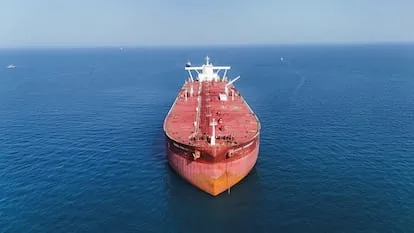
The long road to restore energy supply after the reopening of Hormuz
The price of oil is at its lowest level since the US and Israel attack on Iran began, after a 10% plunge this Friday. The full opening of the Strait of Hormuz announced by Iran as part of the truce agreed with the United States, and conditioned on Israel’s ceasefire in Lebanon, has brought the news expected since the truce between Tehran and Washington was announced last week. Although there is still no peace agreement and Donald Trump has announced he will maintain his blockade, the announcement is the first step in recovering from a petroleum shock with few precedents.
You can read the full information here
Trump says there is “quite good news” about Iran but leaves the ceasefire extension up in the air
The President of the United States, Donald Trump, warned last night (early Saturday morning in Spain) that he might not extend the ceasefire with Iran if a peace agreement to end the conflict, now in its eighth week, is not reached before Wednesday. The Republican added, however, that there is “quite good news” about Iran, although he did not provide further details. “We have received quite good news, but it seems things are going very well in the Middle East with Iran.”
Trump said he did not know specifically what he would do if there is no agreement before the ceasefire ends but that “maybe he won’t extend it,” when asked by reporters upon his return to the White House tonight. “Maybe I won’t extend it. So we have the blockade and, unfortunately, we will have to start bombing again,” concluded the Republican.
Additionally, the president clarified that the ceasefire between Lebanon and Israel is not conditioned on progress in talks with Iran.
During the day, Trump had told local media that he expected a new round of negotiations over the weekend to find a definitive agreement and later posted that Iran had notified the full opening of the Strait of Hormuz.
At an electoral event in Arizona, the Republican downplayed current differences with Tehran in an attempt to convey that an agreement is close to being finalized. (Agencies)
Good morning. We begin the live narration of the latest on the conflict in the Middle East this Saturday, April 18. The President of the United States, Donald Trump, warned early that he might not extend the ceasefire with Iran if a peace agreement to end the conflict, now in its eighth week, is not reached before Wednesday.
The Republican added, however, that there is “quite good news” about Iran, although he did not provide further details. “We have received quite good news, but it seems things are going very well in the Middle East with Iran.”
On the other hand, we remain attentive to the ceasefire between Lebanon and Israel, now in its second day.
Read more The keys to Clara Brugada’s initiative against extortion in Mexico City