









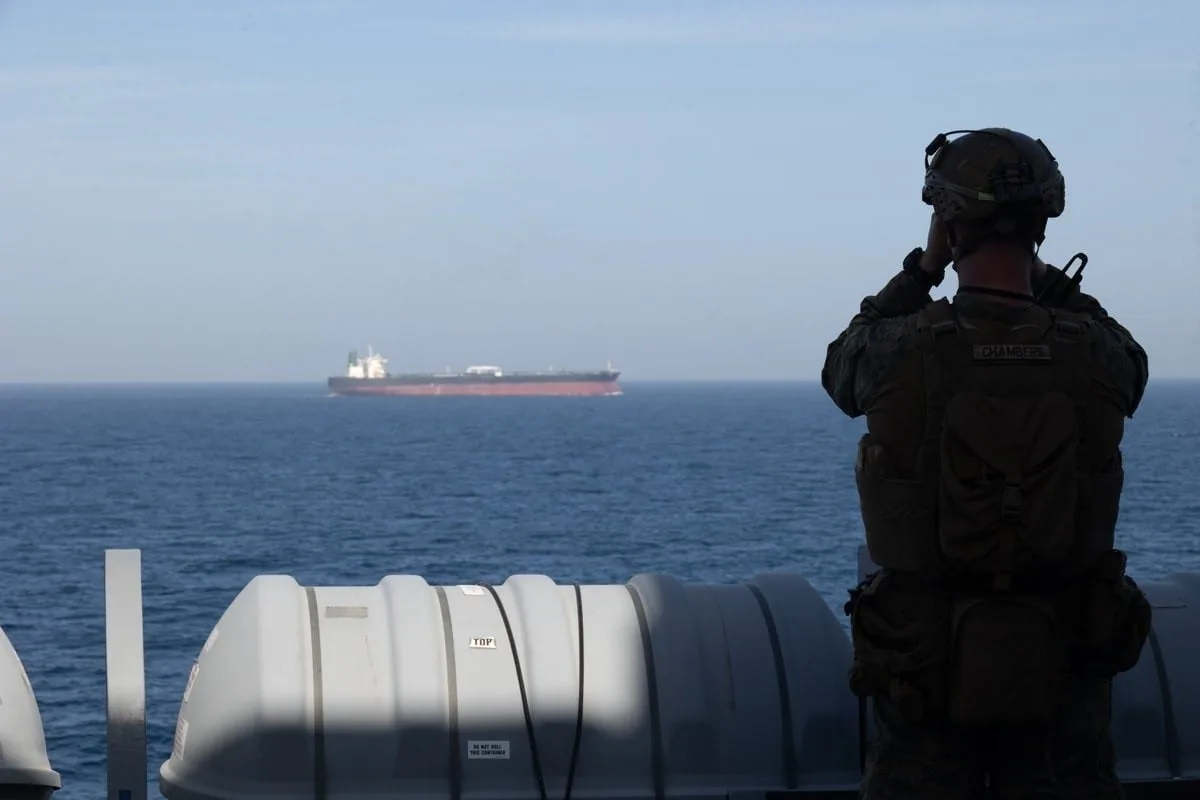
Iran’s chief negotiator, Qalibaf, said early Sunday on state television that “progress” had been made in negotiations with Washington. “But there is still much to be done,” he added. Some 3,500 people have died in the country due to the current conflict with the US and Israel, which began on February 28, according to the latest balance offered by Iran’s Foundation of Martyrs and Veteran Affairs. Meanwhile, the situation remains tense in the Strait of Hormuz, a day after Iran again announced its closure to all civilian vessels. Tehran has warned that it will only lift it when the United States ceases its blockade of Iranian ports.
EL PAÍS offers free live updates on the US and Israel attack against Iran. If you want to support our journalism, subscribe.

WAR AGAINST IRAN
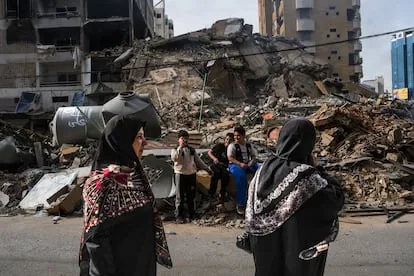
The footprint of destruction in southern Beirut: “I fear Israel will return to war”
The avenues of Dahiye completely resemble an apocalyptic movie landscape. The suburbs surrounding Beirut to the south of the Lebanese capital – Dahiye means suburb in Arabic – show such destruction after 46 days of Israeli offensive that, in some areas, the return of civilian life seems impossible. This Saturday, thousands of residents returned to the area to assess the damage without knowing if the 10-day truce that the United States announced on Thursday — and which came into effect on Friday — will provide enough diplomatic leeway, as the Lebanese government desires, to make the cessation of fighting permanent and prevent the resumption of war between Israel and the armed movement Hezbollah.
You can read the full information here
WAR AGAINST IRAN
Mines in the Strait of Hormuz, Iran’s almost invisible weapon that has challenged the most powerful navy
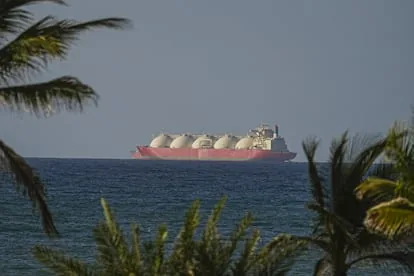
Neither elite espionage, nor artificial intelligence capable of processing a thousand targets on the first day of war, nor the deployment of three US aircraft carriers have been enough. The might of the Pentagon and Israel has encountered Iranian naval mines in the Strait of Hormuz, a weapon as discreet and cheap as it is effective. Tehran did not even need to officially admit that it planted them on the seabed. It was enough to indicate “danger zones” in this 167-kilometer long and 33-kilometer at its narrowest point funnel. Thus, it blocked the passage of 20% of the world’s crude oil for seven weeks, negotiated a ceasefire with the United States, and agreed to reopen the passage last Friday, although with a reversal on Saturday. Tehran has managed to remove regime change from the dialogue agenda. All this, without detonating a single mine, with the mere suspicion of its presence.
You can read the full information here
WAR AGAINST IRAN
Around 20,000 sailors trapped by the closure of the Strait of Hormuz: “Please get us out of here”
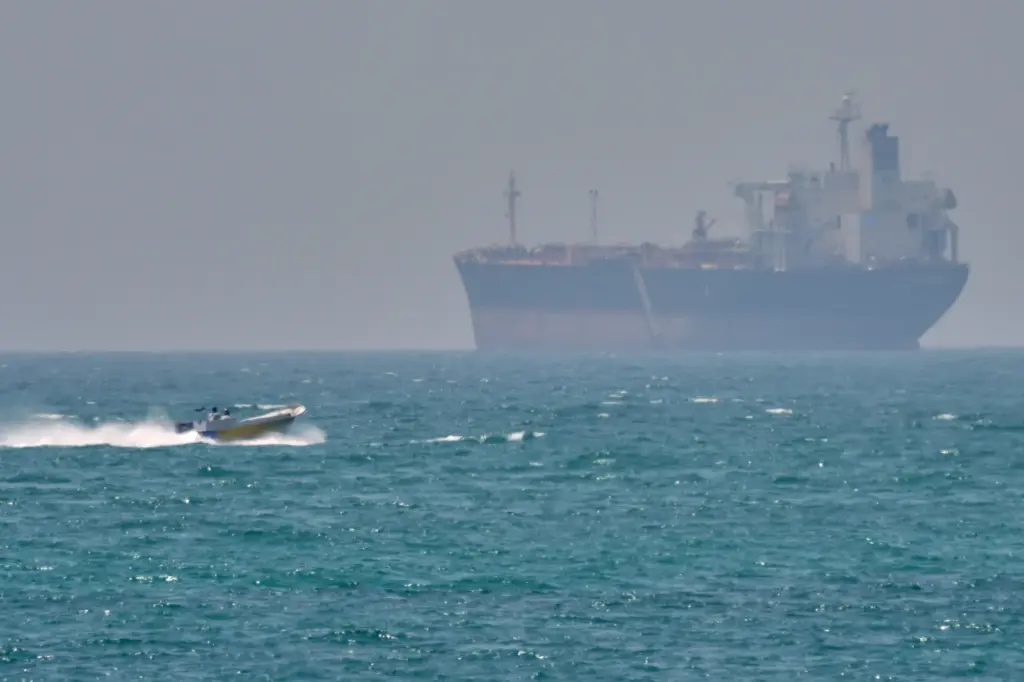
Trapped between steel walls, on ships anchored several miles off the coast, watching missiles and drones strike around them, nerves frayed by news of the Strait of Hormuz reopening one day and its new blockade the next (this very Saturday), and, in some cases, with provisions running low, some 20,000 sailors have been trapped in the Persian Gulf for over a month and a half due to the war unleashed by the United States and Israel against Iran.
You can read the full information here
Iran raises war death toll to nearly 3,500
Iran’s Foundation of Martyrs and Veteran Affairs has placed the number of Iranian citizens killed as a result of the armed conflict with the United States and Israel, which began on February 28 with the launch of the joint operation dubbed Epic Fury, at around 3,500, its head, Ahmad Mousavi, declared this Saturday.
Read more Marrero crowns Real Sociedad in an epic Cup final against Atlético
In statements reported by the state news agency ISNA, Mousavi assured that “the cases of 3,468 people who died as a result of the war with the United States and Israel are currently being registered in the Martyrs’ Foundation system”.
These figures differ from those previously released by the Iranian Ministry of Health, which, according to Al Jazeera, put the toll at 2,076 dead and some 26,500 injured since the start of the attacks. (EP)
Iran’s chief negotiator says “progress” made in negotiations with the United States
Iran’s chief negotiator, Qalibaf, said early Sunday on state television that “progress” had been made in negotiations with the United States. “But there is still much to be done,” he added. (Reuters)
Good morning. We begin the live narration of the latest developments in the Middle East conflict, this Sunday, April 19. We remain attentive to the situation in the Strait of Hormuz, after Iran announced yesterday its closure to all civilian vessels. Tehran has warned that it will only lift it when the United States ceases its blockade of Iranian ports.
Iran’s chief negotiator, Qalibaf, said early Sunday on state television that “progress” had been made in negotiations with Washington. “But there is still much to be done,” he added.
Meanwhile, Iran’s Foundation of Martyrs and Veteran Affairs has placed the number of Iranian citizens killed as a result of the armed conflict with the United States and Israel, which began on February 28, at around 3,500.
Read more ‘Dark blue, sky blue’, a ‘true crime’ behind the rise and fall of Guillermo ‘Billy’ Álvarez