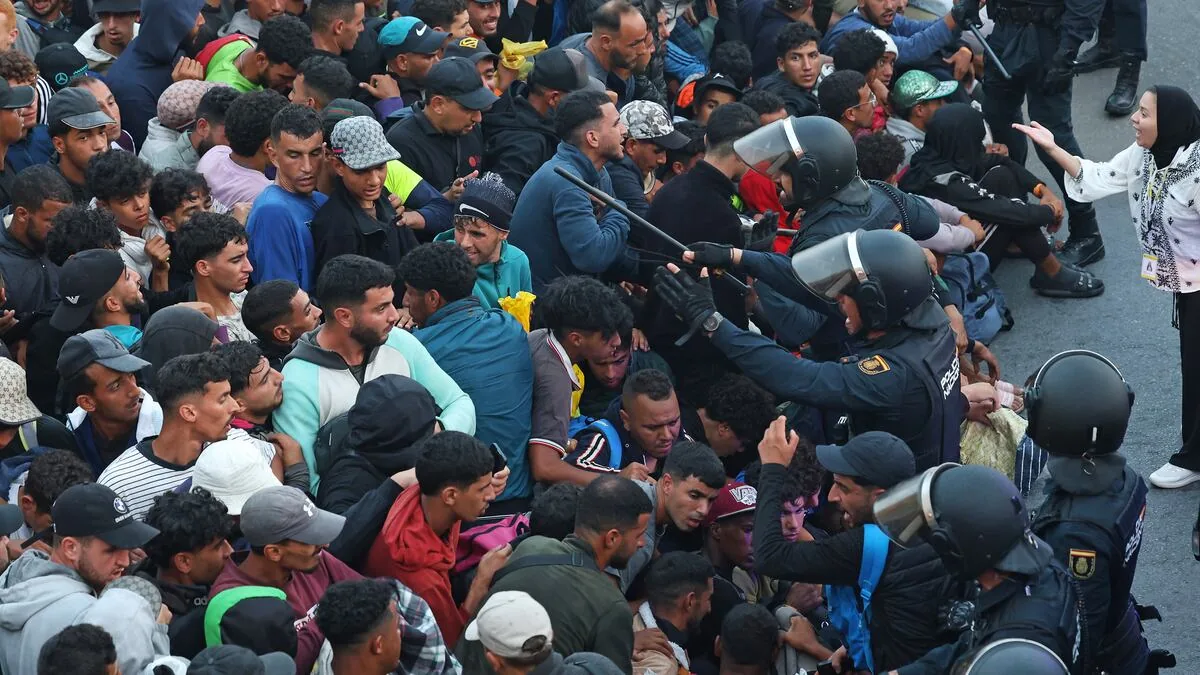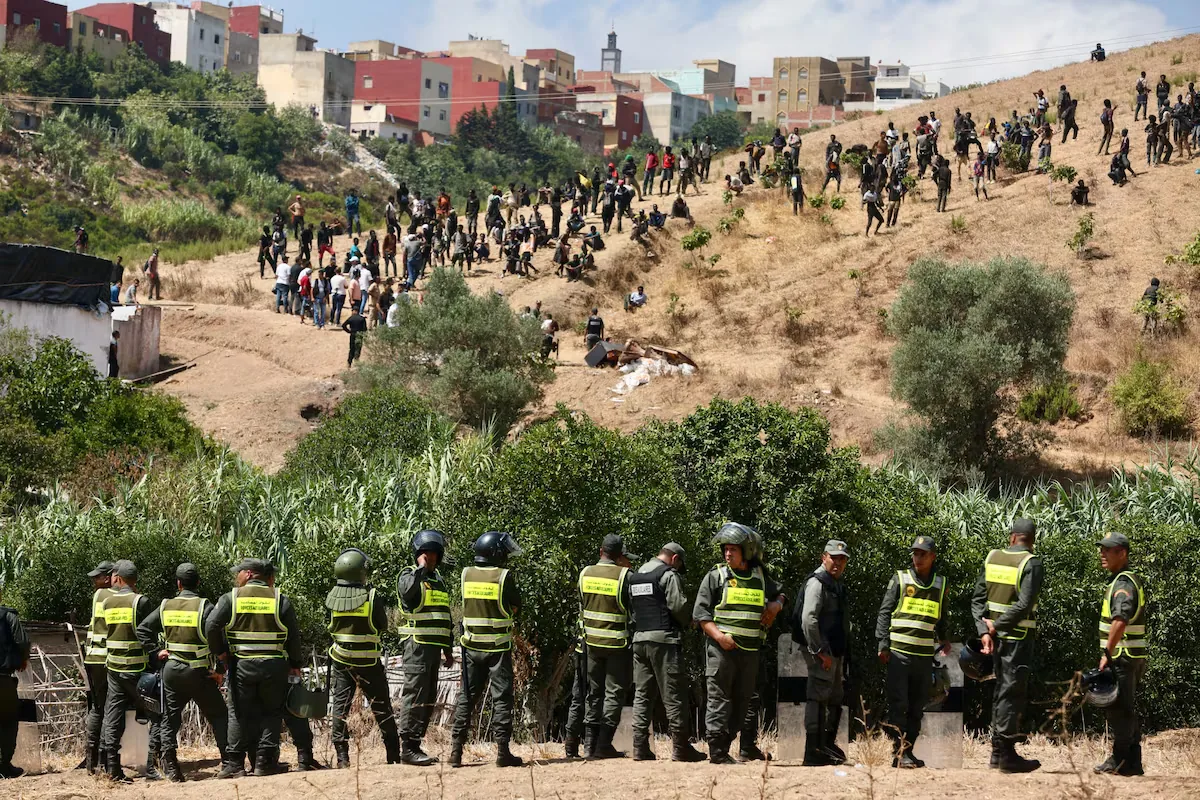
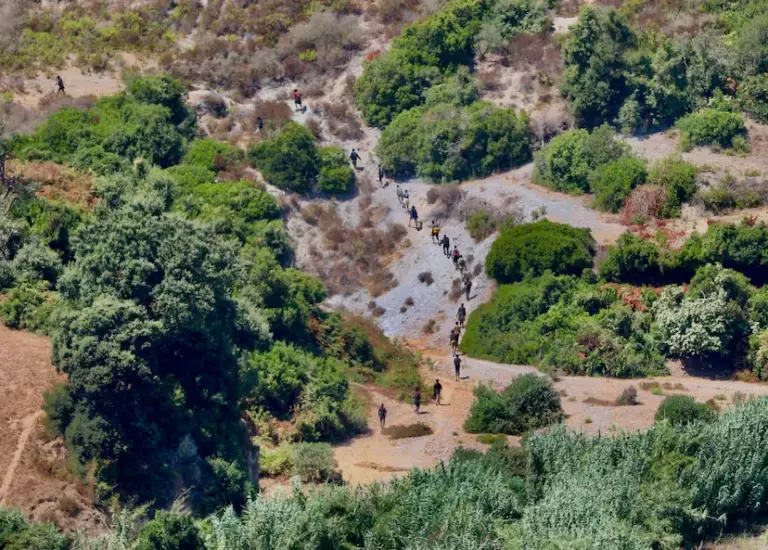
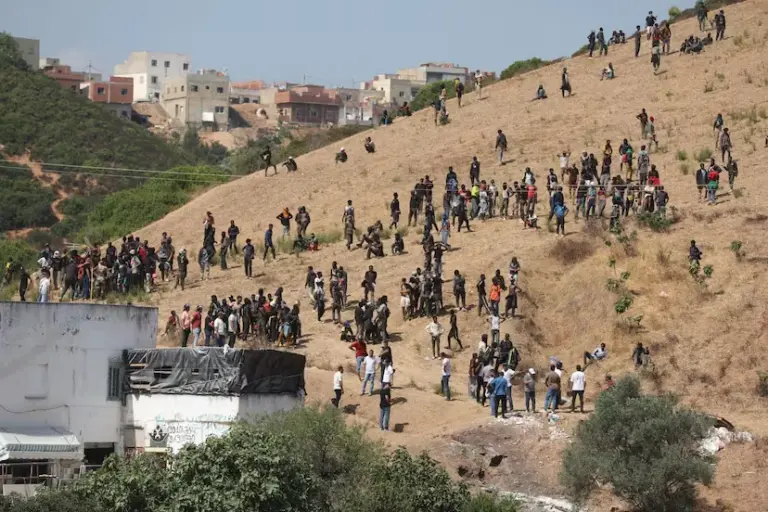
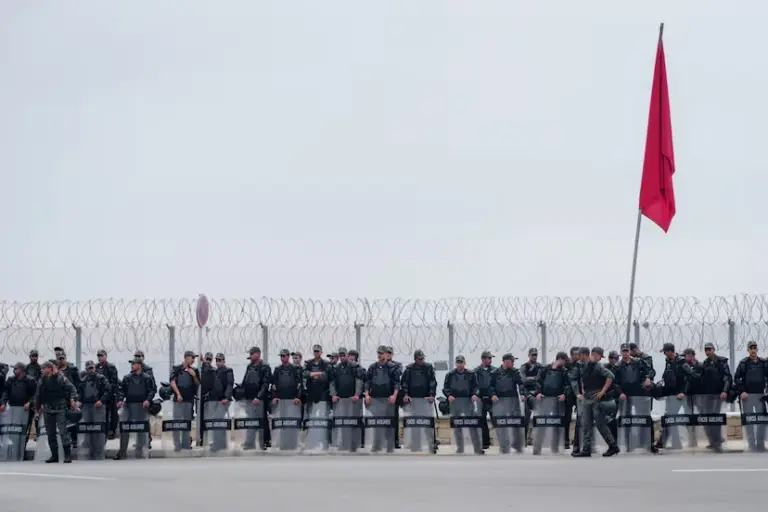
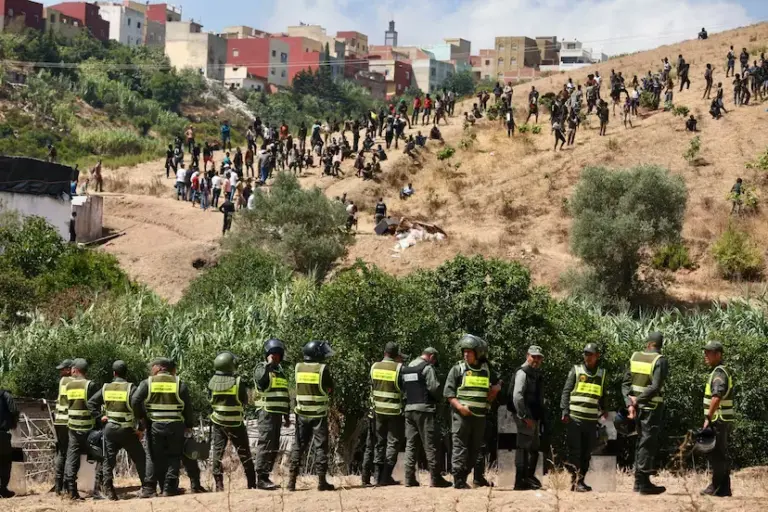
Morocco’s security forces thwarted on Saturday an attempt by hundreds of migrants, mostly sub-Saharan, to irregularly cross into the Spanish city of Ceuta. They had hidden on the outskirts of Castillejos, a border town with Spain. Around noon, Moroccan police charged against hundreds of sub-Saharan migrants on the outskirts of Castillejos. They intercepted 111 migrants, mostly sub-Saharan, who were trying to reach the Ceuta border, and arrested 61 people for inciting illegal migration, according to Moroccan security sources cited by Efe. The Moroccan digital newspaper Hespress raises the number of intercepted people attempting to cross into Spain to 249. The mass of sub-Saharan migrants remained concentrated in a hollow in the Cerámica neighborhood, the closest to the border; from there, Moroccan police forcibly moved them by buses chartered by the authorities to different parts of the country, such as Ouarzazate, more than 800 kilometers from the Spanish border.
Read more The Spanish rhythmic gymnastics team wins a historic world gold 35 years later
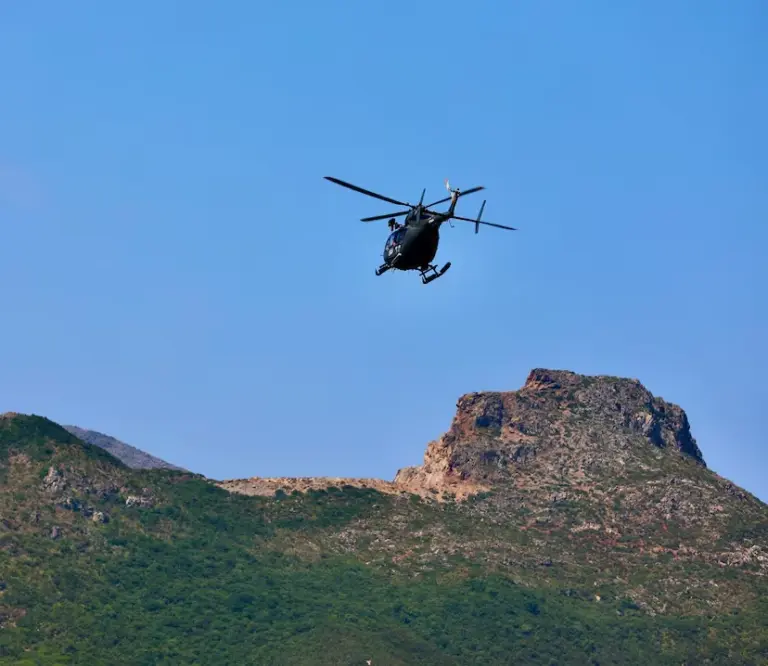
The swimming entry through the El Tarajal breakwater of 80,000 people from Morocco on July 30 and 31 brought the city of Ceuta to the brink of collapse. 141 people lost their lives on both sides of the border during their attempt to reach Spanish territory, according to humanitarian organizations. Now, fearing a new influx of migrants, Spain and Morocco have deployed thousands of agents in an unprecedented security operation that includes a helicopter from the Moroccan security forces to monitor the movements of hundreds of sub-Saharan migrants on the outskirts of Castillejos.
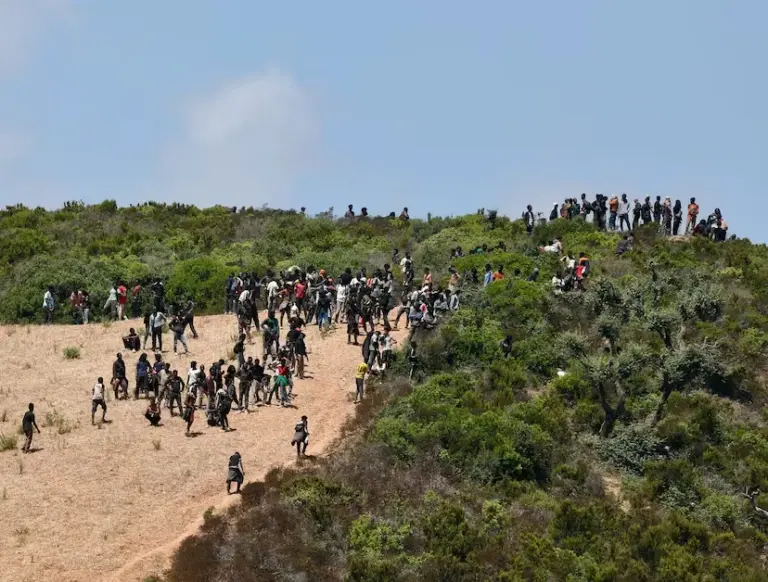
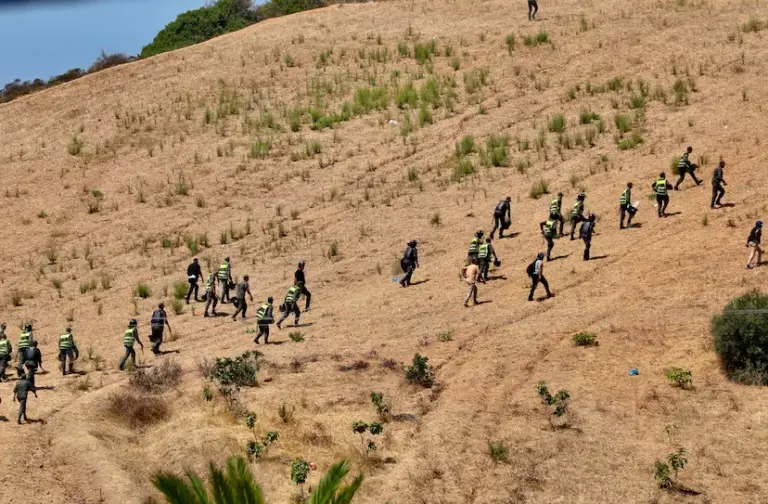
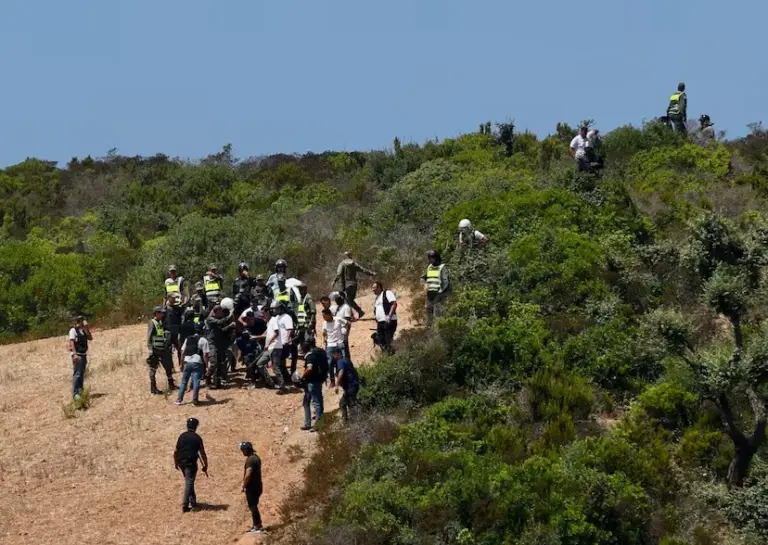
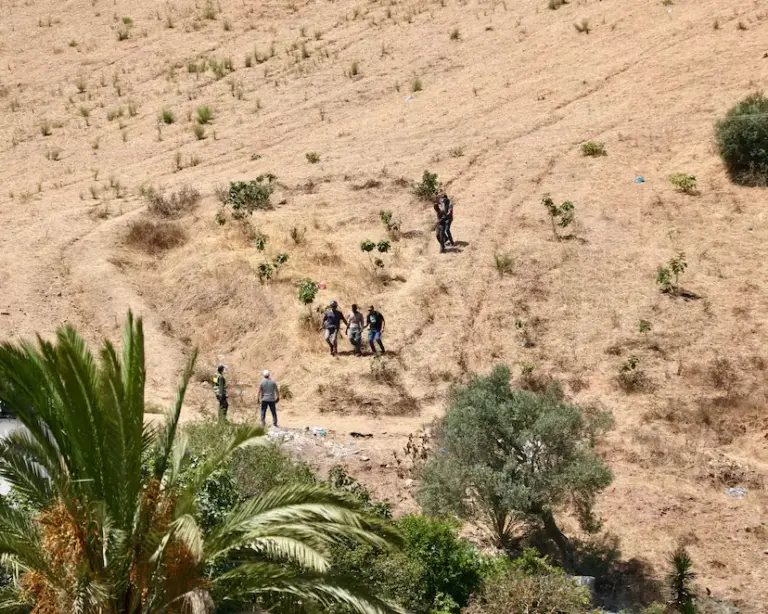
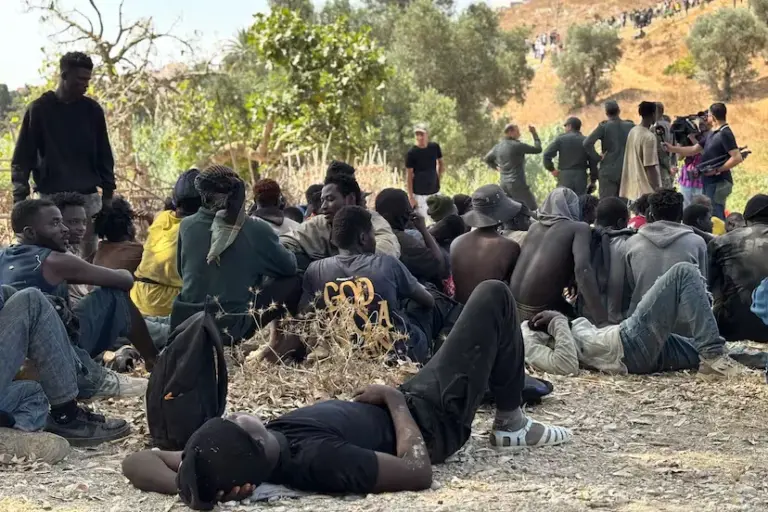
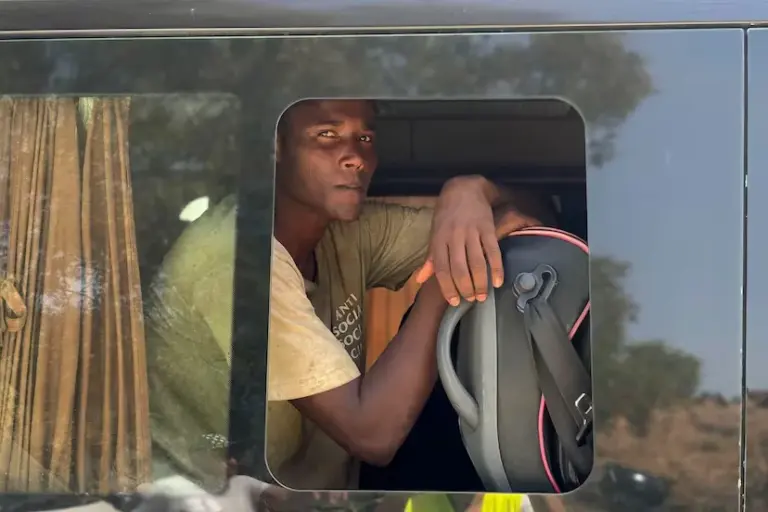
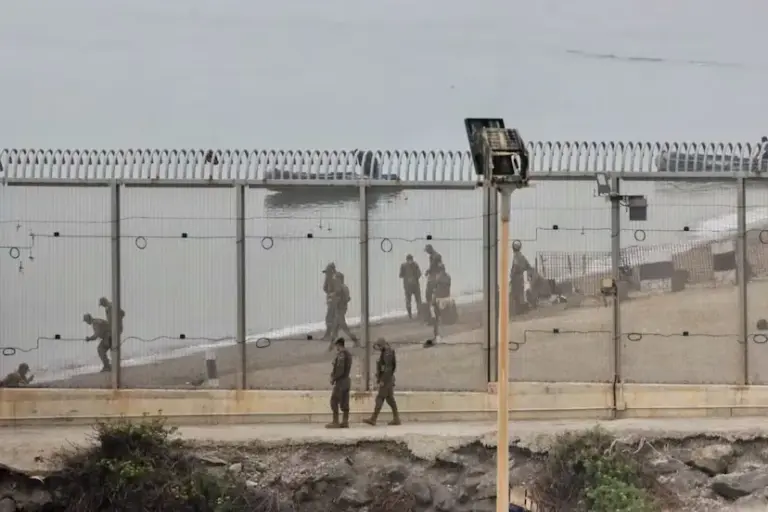
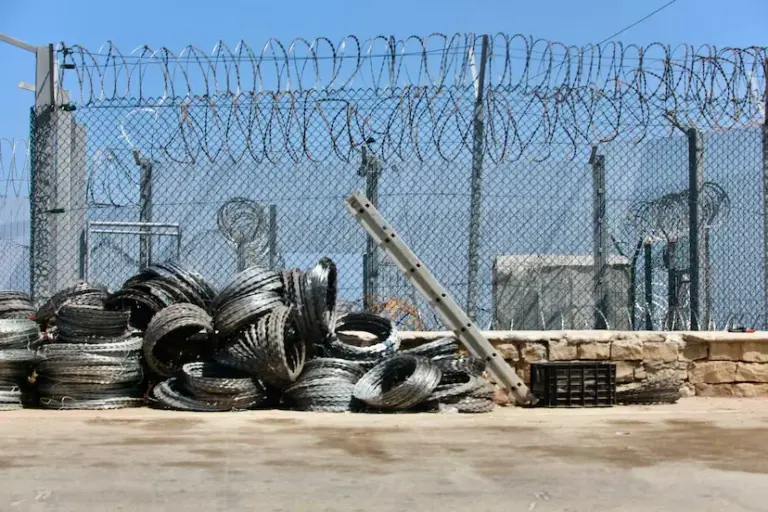
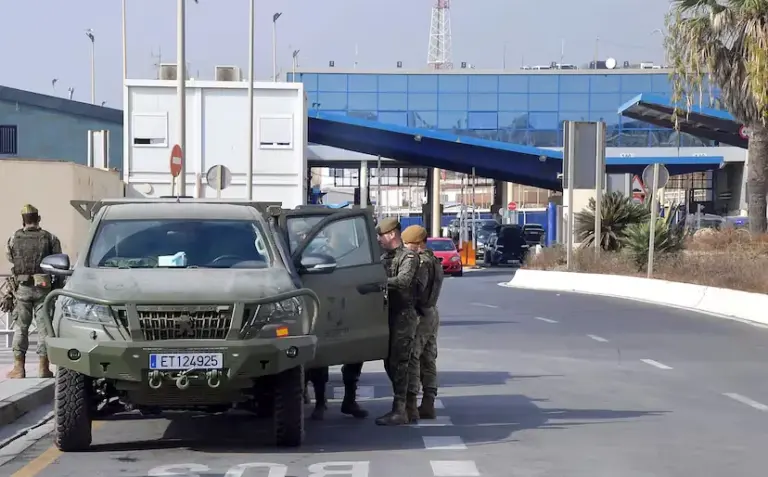
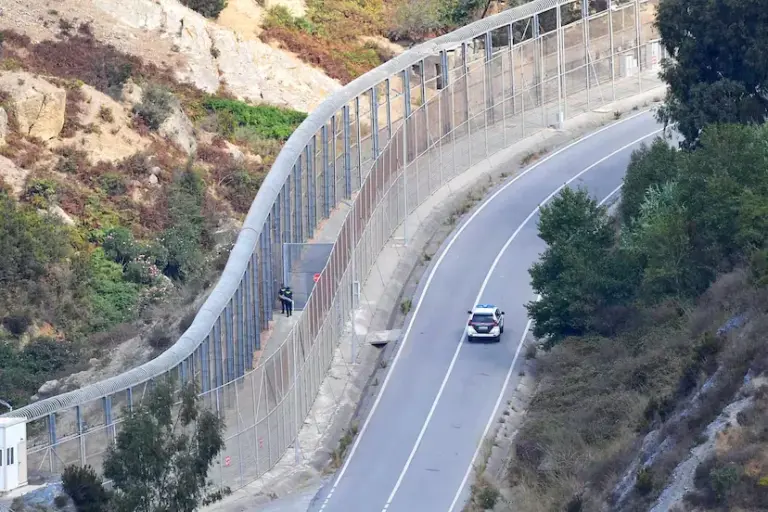
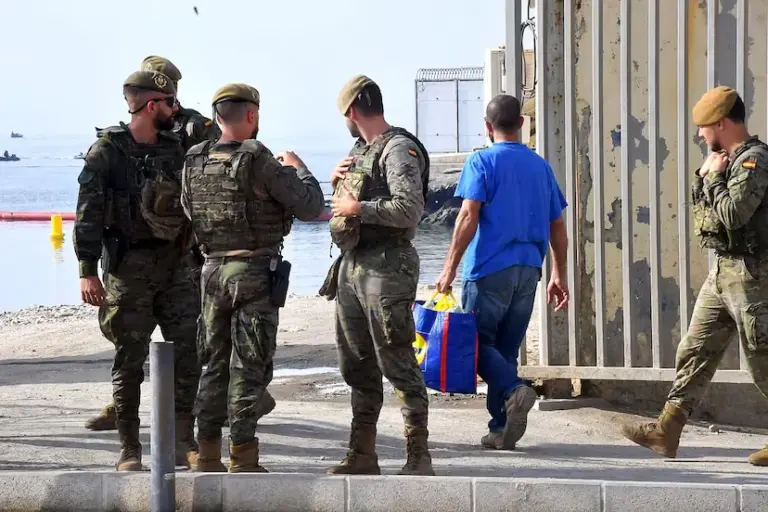
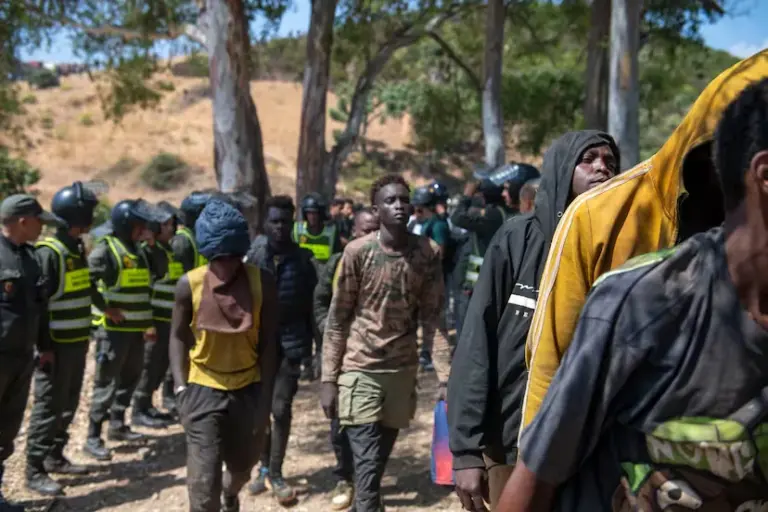
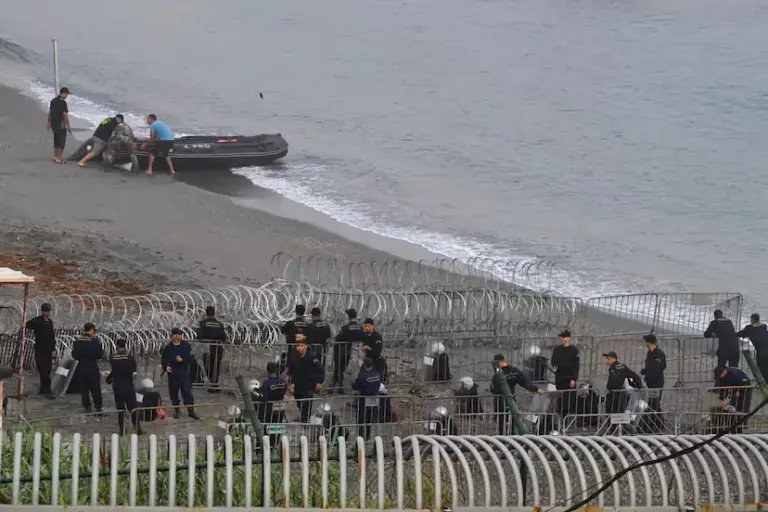
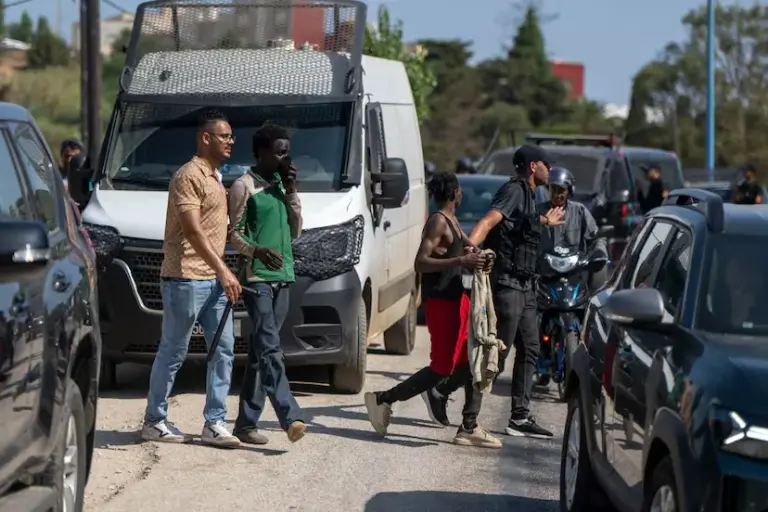
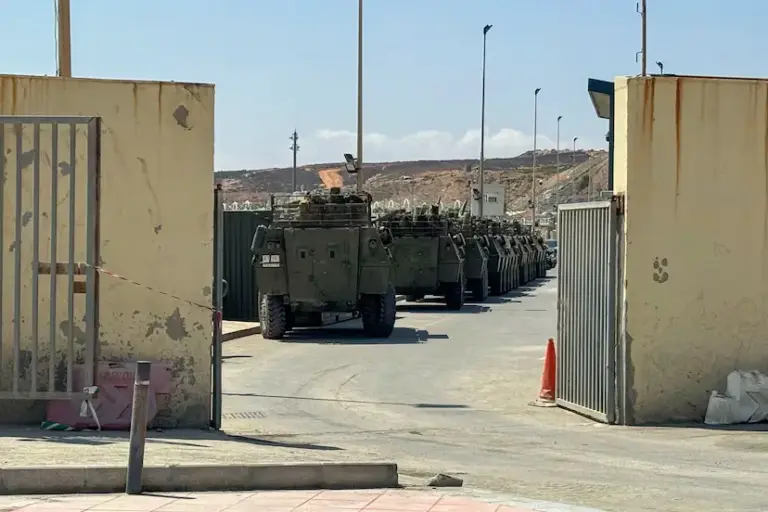
Ceuta woke up this Saturday enveloped in taró (the typical August mist in the autonomous city) and amid uncertainty about whether a new mass entry call would materialize, after messages circulated on social media in Morocco inviting people to join in crossing into Spanish soil. In response to the alert, an unusual and strong operation was deployed from early morning at the El Tarajal border crossing and its surroundings. Dozens of security forces personnel moved to the area, controlling both the fence access to the neighboring country and stationed at all nearby points. They established a security perimeter where both Army soldiers, Legionnaires, national police, and civil guards operate.
The fortification of the breakwater is more than ten times stronger than the control that existed the day before. However, the door remains open for those wishing to return to Morocco. In fact, this Saturday the trickle of people who entered Ceuta and are returning continued. The Civil Guard also focused on the rest of the fence separating the autonomous city territory from the Alawite kingdom. Several patrols roamed the wire fence, and some agents got out of vehicles to closely monitor the area.
The other side of the border also showed calm and a strong police deployment. There are controls on the main roads leading to the city, especially those coming from Tetouan and Tangier. During the night, surveillance tasks intensified near the Ceuta border, both on land and at sea, with the intervention of fast boats from the Moroccan Royal Navy and drones. A 17-year-old female migrant, one of the very few who accessed the city, says she managed to reach Castillejos from Tetouan during the night. According to her account, collected by the Efe agency, the young woman traveled on a bus that was stopped at three checkpoints along the approximately 35 kilometers separating the two towns.
Read more Assumpta Serna criticizes the dependency aid system: “It is neither humane nor fair”
Calm at the Melilla border crossing
Meanwhile, in Melilla, the Beni Ansar border crossing shows an almost absolute calm this Saturday compared to previous years. In the midst of the Strait crossing operation, the passport control room on the Spanish side is completely empty. “It is unusual,” says the only police officer in the room while checking passports. “People know the alert is there,” he assures, referring to the possible influx of people trying to reach Spanish land from Morocco. Among the few travelers passing this control is Islam, a woman in her twenties from Malaga who crosses the border to her country of origin with her family to attend a wedding in Nador. Islam complains that Moroccan agents unnecessarily delay the passport checks and says she saw them watching TikTok during the wait.
The apparent quiet continues on the other side. Beni Ansar is unusually empty: there are hardly any customers in the shops, and the nearby cafes have little activity. Adam, an 18-year-old waiter, says that the influx has plummeted since Friday, coinciding with the increased police presence. There are no controls on the road to the port, used by migrants to approach Melilla and try to reach the city by swimming, but a greater presence of Moroccan security forces is noticeable. During the morning, reinforcements continued to arrive by road. At one point, there are about 60 agents, some dressed in camouflage uniforms and others in black. Part of the contingent spent the night there.
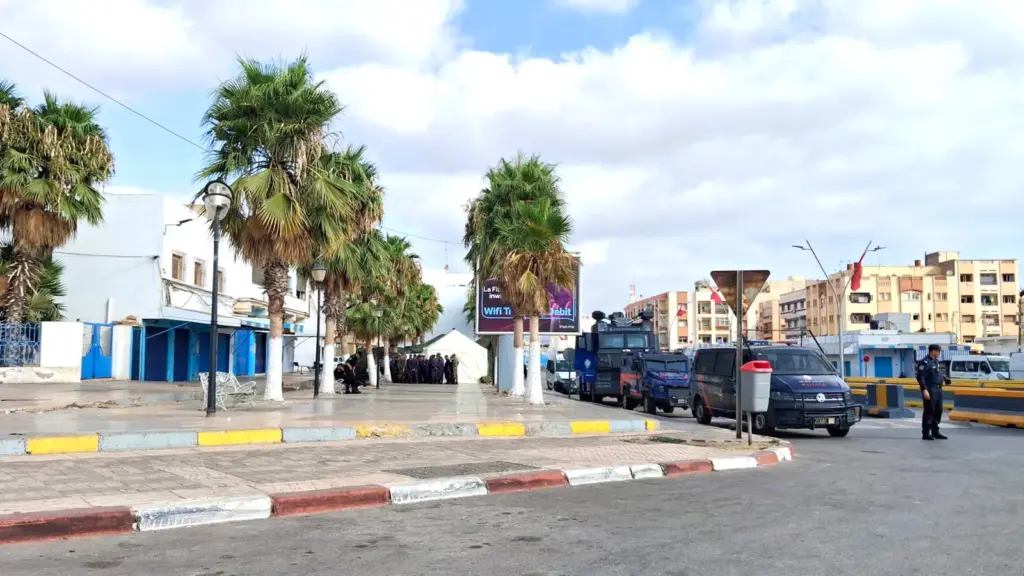
Mount Gurugú seems to have ceased being the usual refuge for sub-Saharan migrants that it was during much of the 2010s. Adin, a taxi driver from Segangán, says that controls have intensified considerably since 2024. “Especially since a month ago,” specifies Youssef, an administrator of a public service in nearby Nador. Surveillance reaches the mountain access points: at the park entrance, there is military control, not the usual road checkpoints.
Following the border road, about 16 kilometers away is Nador, the main city in the area with 158,000 inhabitants. There, migrants do not show themselves on the streets, but they are present. In a room adjacent to the Catholic church of Santiago el Mayor, six women are learning to read and write in French. None want to speak. “They are in absolute danger. A simple photo can put them at risk,” explains a French nun who acts as a teacher and hosts them.
Read more ONCE Big Prize: Check the draw for Saturday, August 15