








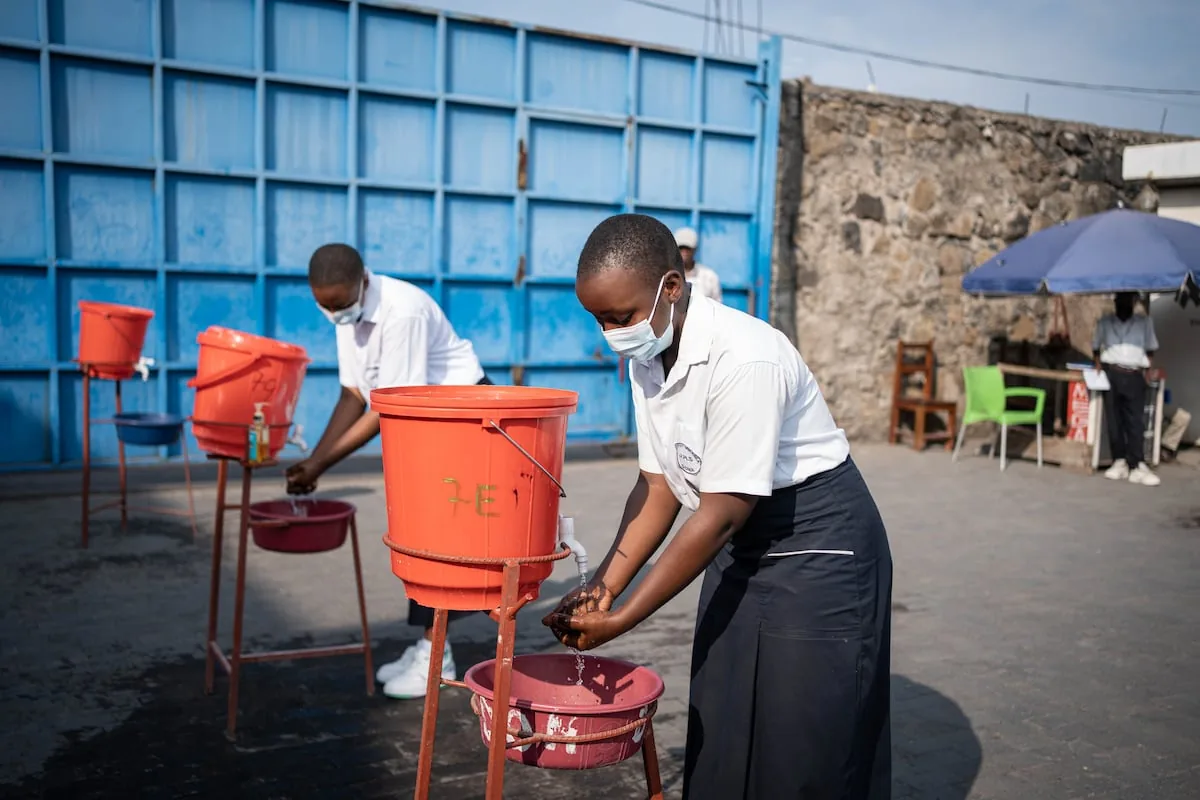
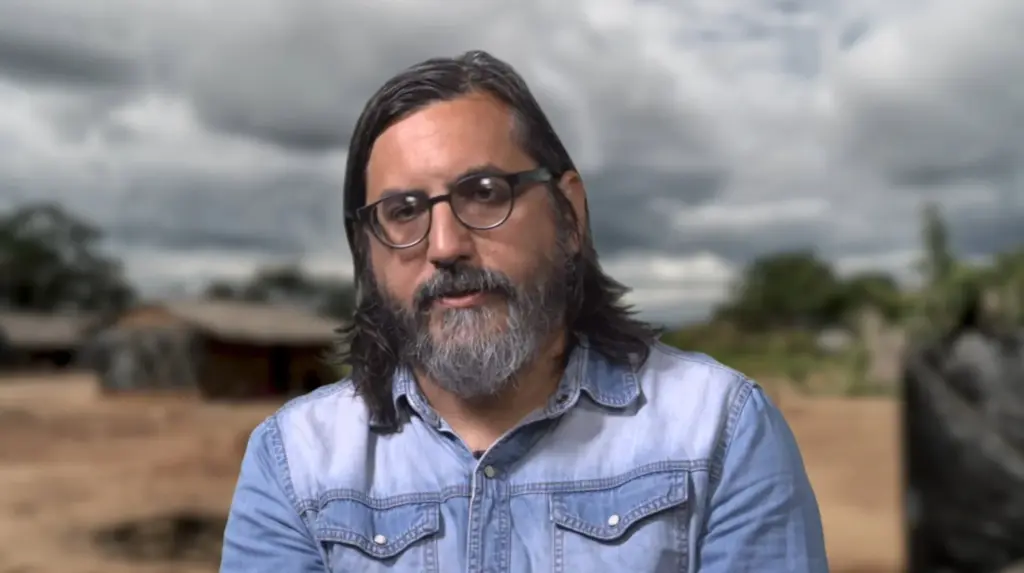
Before Ebola began to spread last April, the health situation in the Ituri region, in the northeast of the Democratic Republic of Congo (DRC), was already complicated, with outbreaks of cholera, diarrhea, and thousands of people displaced from their homes. But what is coming now is a real headache. “With a strain for which there are no vaccines or treatment, the Bundibugyo variant, and with the epicenter of the epidemic in a cross-border area, with large population movements and areas difficult to access due to conflict, this outbreak is very worrying,” says Lucas Molfino, medical director of the Swiss branch of Doctors Without Borders (MSF), whose teams are already working on the ground.
Read more The EU intensifies its diplomacy in Greenland amid a new Trump offensive to control the island
“The tools we have to face it are considerably reduced, which forces us to return to the core, to work on early detection, contact tracing, and diagnostic capacity,” adds Molfino. The virus is moving quickly and has gone from fewer than a hundred cases to more than 500 in just four days, with 130 people deceased. The Congolese government has announced the opening of three treatment centers, where the symptoms of the disease will be addressed while something better is not developed. That is why the key is to break the chains of transmission through the isolation of affected people and the management of safe burials.
The 2014-2016 Ebola epidemic in West Africa marked a before and after in the approach to this disease discovered in 1976. For almost half a century, outbreaks affecting more or less remote areas of countries such as Gabon, Republic of Congo, DRC, Uganda, or Sudan followed a pattern of initial explosion of cases, isolation of people and populations, and progressive reduction of transmission until the virus itself weakened or stopped transmitting, leaving behind dozens or hundreds of deaths. However, the 2014 epidemic, which started in Guinea and also affected Liberia, Sierra Leone, and Nigeria, caused more than 28,000 cases and 11,000 deaths. It was then that approved vaccines and treatments were developed, which were key to ending this outbreak and subsequent ones.
At that time, all that international effort focused on the Zaire strain, the most common. The Bundibugyo variant, named after a small Ugandan town where it first appeared in 2007, has only caused three epidemics, including the current one. With a fatality rate ranging between 20% and 50%, according to the World Health Organization (WHO), its symptoms are, as in other strains, fever, muscle pain, vomiting, diarrhea, and, in its final phase, internal bleeding. Ebola is endemic in Congo and Uganda, which means there is an epidemiological surveillance system that raises alarms upon its appearance and a network of laboratories to detect the presence of the virus. Despite this, the outbreak went unnoticed for more than a month.
“The health system in Ituri has its deficiencies, which, combined with the conflict, hinders epidemiological surveillance,” comments Molfino. “We received the first warning signs around May 9 and 10, but by then 55 deaths had already occurred since early April. There are hard-to-reach localities and a lot of people on the move. This lack of diagnosis has caused many cases to go unreported. At this moment, it is very complicated to have a clear picture of the situation because the epidemiological situation is changing very quickly.”
Tracing Ebola to cut transmission chains is detective work that involves brutal logistics. It is necessary to locate people who were in contact with each of the sick and closely monitor them for at least 21 days to allow early detection and isolation if symptoms develop. This becomes even more complicated when several countries are involved and, within the same country, areas controlled by the government and by rebels, as is the case in Congo. “International coordination must be very close; no country can face this alone. In the first quarter of 2026 alone, more than 100,000 people were displaced by the conflict in Ituri, people who were already living in catastrophic health conditions, with cholera, malaria, diarrhea, and now Ebola, which is a disease that greatly undermines the relationship with communities due to fear and distrust,” points out the medical director of MSF Switzerland.
For all these reasons, the design of the response to an Ebola outbreak like this one, which requires thousands of people deployed on the ground and a great international effort, must also include strengthening the health system for other pathologies. “People keep getting sick, women have children, we cannot forget all this,” explains Molfino, “we need to scale up our operational capacity and do it very quickly. Hopefully, the international community will be up to the task, because it will be very necessary. And I say this because we live in a terrible context of health budget cuts.”
Read more Body of Yulixa Tolosa found on a road six days after her disappearance