








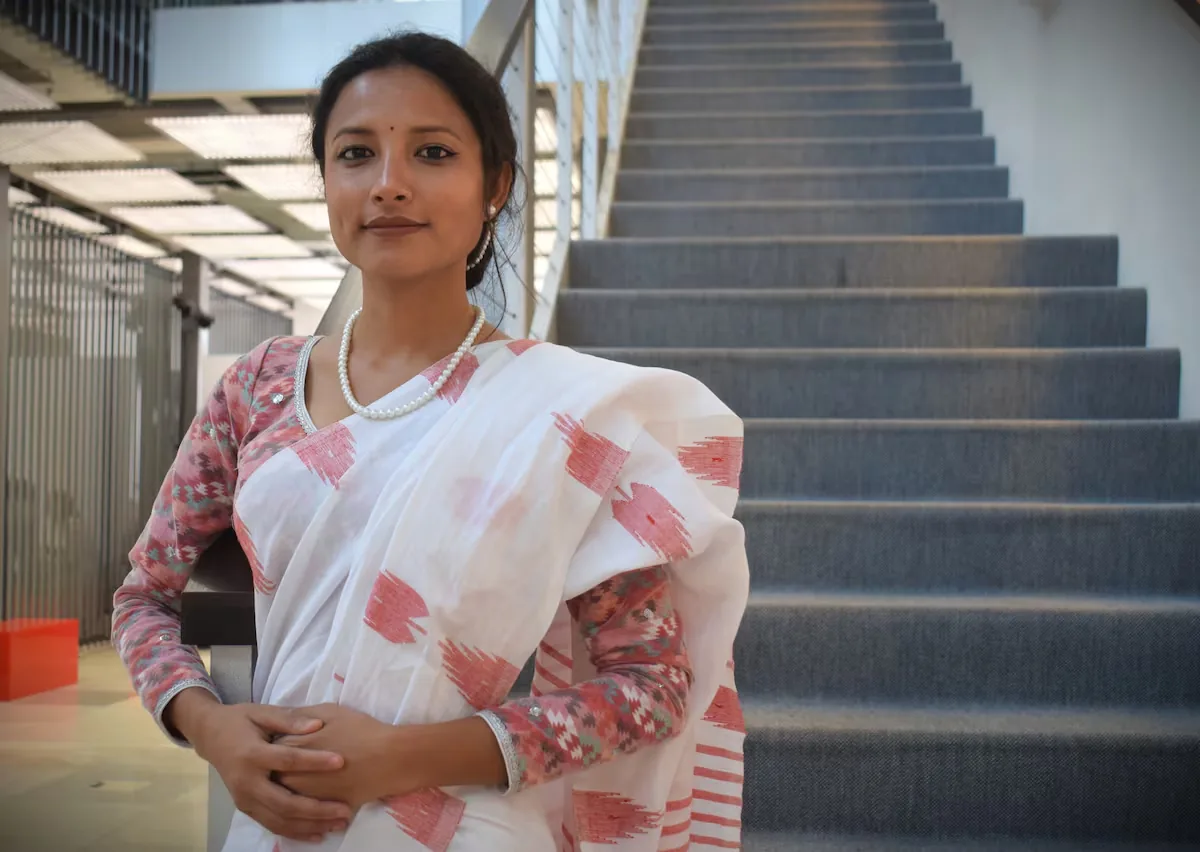
When Rakshya Bam (26, Kailali, Nepal) saw Nepalese flags waving at Gen Z protests in Madagascar, she understood that what her generation had done in Kathmandu was historic. Just days before the outbreak of mobilizations on the African island in September 2025, protests initiated by young people born between the late nineties and early 2000s had ended with the fall of K. P. Sharma Oli’s government. “In Madagascar, they used our flag as a symbol of rebellion. But, without a doubt, we also drew inspiration from other countries. We followed those movements in Bangladesh and Indonesia. The whole world was suffering,” recalls Bam, coordinator of the Nepal Gen Z Front, in an interview with EL PAÍS at the Hamburg Sustainability Conference, where she was invited to participate in a panel on youth political mobilization. “But I think now is the time to pause and reflect. We need peace right now; we have seen too much destruction,” she adds.
Read more Romania shoots down a second drone in its airspace in less than 24 hours
This young activist, feminist, a Social Work graduate with a master’s in Gender Studies, was one of the most visible faces of the movement that formed on social media and in the streets after the government banned 26 social media platforms, including YouTube, Facebook, Instagram, and WhatsApp. Generation Z was protesting against corruption, abuses by dominant parties, and the lack of opportunities in the country. According to the 2021 census, 56% of the population is under 30 years old.
Although, at that time, the Nepalese Gen Z was not organized into a single movement with leaders or spokespersons, Bam was often one of the people who delivered speeches to crowds. She was also one of the 10 activists summoned by the army, after the fall of the government, to a meeting to assess the next steps. She left the table as soon as she realized that other guests were supporters of the monarchy, abolished in 2008.
Bam recalls that when the government fell, she couldn’t feel anything. “We had lost many friends in the demonstrations. We were full of anger and frustration, and suddenly there was a power vacuum. Our democracy was under threat,” she recounts. “At that moment, we thought: ‘Now it is our responsibility to step up and lead.’”
I think now is the time to pause and reflect. We need peace right now; we have seen too much destruction
Almost a year has passed since the protests that ended in lethal chaos: 76 people died and more than 2,000 were injured. After the prime minister’s departure, an interim government was elected, chaired by former Supreme Court President Sushila Karki. Then, in March, elections were held, and rapper Balendra Shah and his party, the RSP, obtained an absolute majority to govern a country plunged into uncertainty. In early July, he completed his first 100 days in power.
The Gen Z movement, Bam explains, still exists but is divided into different tasks. Some work with the ruling party in ministries or with the prime minister; others, like her, continue in the streets and monitor the new government. “In Nepal, civil society is weak; all these problems have arisen precisely because of that. We don’t want this government to fail, and that’s why we need strong citizens who ask questions and demand accountability,” Bam explains. “Generation Z is the biggest opposition to this new government. Today, the movement has spread to citizens and is everywhere,” she adds.
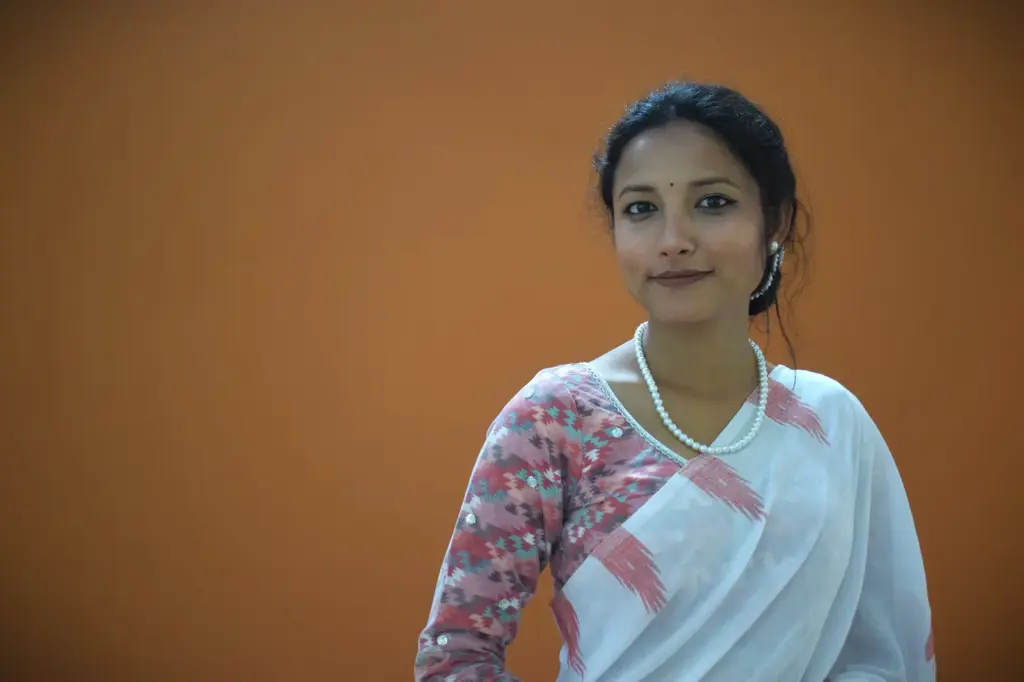
“We are happy that our current prime minister advocates for good governance because it is one of our goals, but we are not happy with the way they work. Balen [as he was previously known] does not attend Parliament or render accounts. It is as if some of his activities are not transparent to citizens. It is not a democratic way of governing,” the young woman questions.
Shah, 35, was mayor of Kathmandu at the time of the social unrest in Nepal. After taking office as prime minister on March 27, he has chosen a centrist and pragmatic discourse and has promised to combat corruption, create 1.2 million jobs to reduce youth emigration, and transform the Nepalese economy. However, as local press has documented, deputies from his own party have criticized his management and that of his ministers on issues related to security, agriculture, and press freedom, among other topics.
Read more Trump jokes at Correspondents’ Dinner rerun that he will be president for a third time
“But that doesn’t mean we don’t have hope,” Bam clarifies. “Our hope does not rest on this government, nor on the prime minister, nor even on the deputies. We have hope in the mandate that the people have given them.”
Parallel to monitoring the government, Bam continues to work on her projects. “I have political aspirations and may enter politics within five years,” she confesses.
While that day arrives, the activist has resumed old struggles. She has returned to the Ujwal Thapa Foundation, where she served as executive coordinator before the September protests, to provide consulting on access to information. “I give sessions on that right to children in schools and universities. It works very well in Nepal, but we must continue to defend it,” she comments.
I have political aspirations and may enter politics within five years
With the Nepal Gen Z Front, she is also fighting a battle against the state to defend the rights of people living in settlements whose homes have been demolished. “They were promised land, but two months have passed, and they have done nothing. They are simply kept in a shelter,” she recounts.
The generation seeking an opportunity
Bam does not plan to leave Nepal, but she is aware that the lack of job opportunities pushes hundreds of thousands of young people to seek work outside the country each year. In 2024, the unemployment rate among people aged 15 to 24 reached 20.8%, according to World Bank data, which places Nepal among Asia’s poorest and slowest-growing economies. That same year, more than 741,000 citizens applied for permits to work abroad. Of these, 77% were between 18 and 34 years old.
The activist believes that, in the short term, the government must guarantee the safety of its citizens abroad. “Today they can sign a memorandum of understanding (MOU) with different countries for the protection of their citizens. Their lives must be made easier, and they must be given guarantees,” she states. In the long term, she adds, it will be necessary to promote agriculture, tourism, and investment in entrepreneurship to strengthen the economy. “The government should provide some seed capital to young people to launch their initiatives. Entrepreneurship is the future of Nepal,” she maintains.
Read more Obradorism is very unconstrained