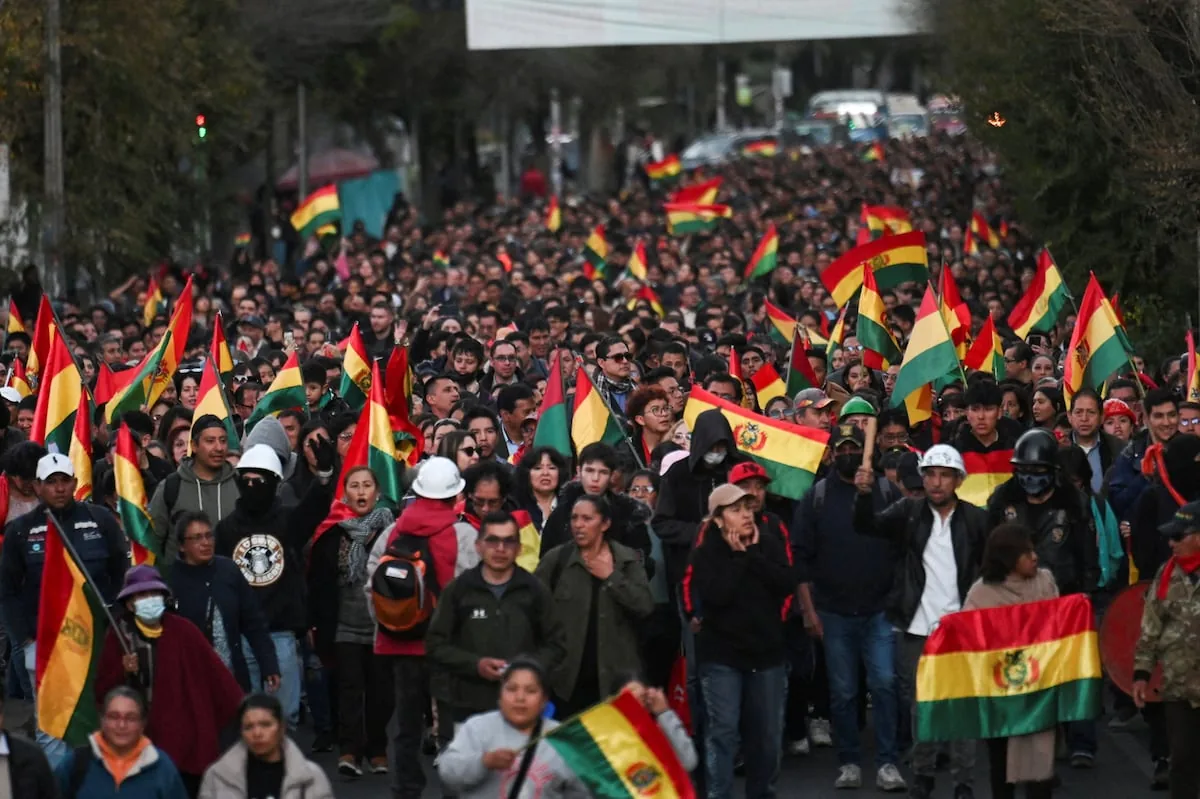






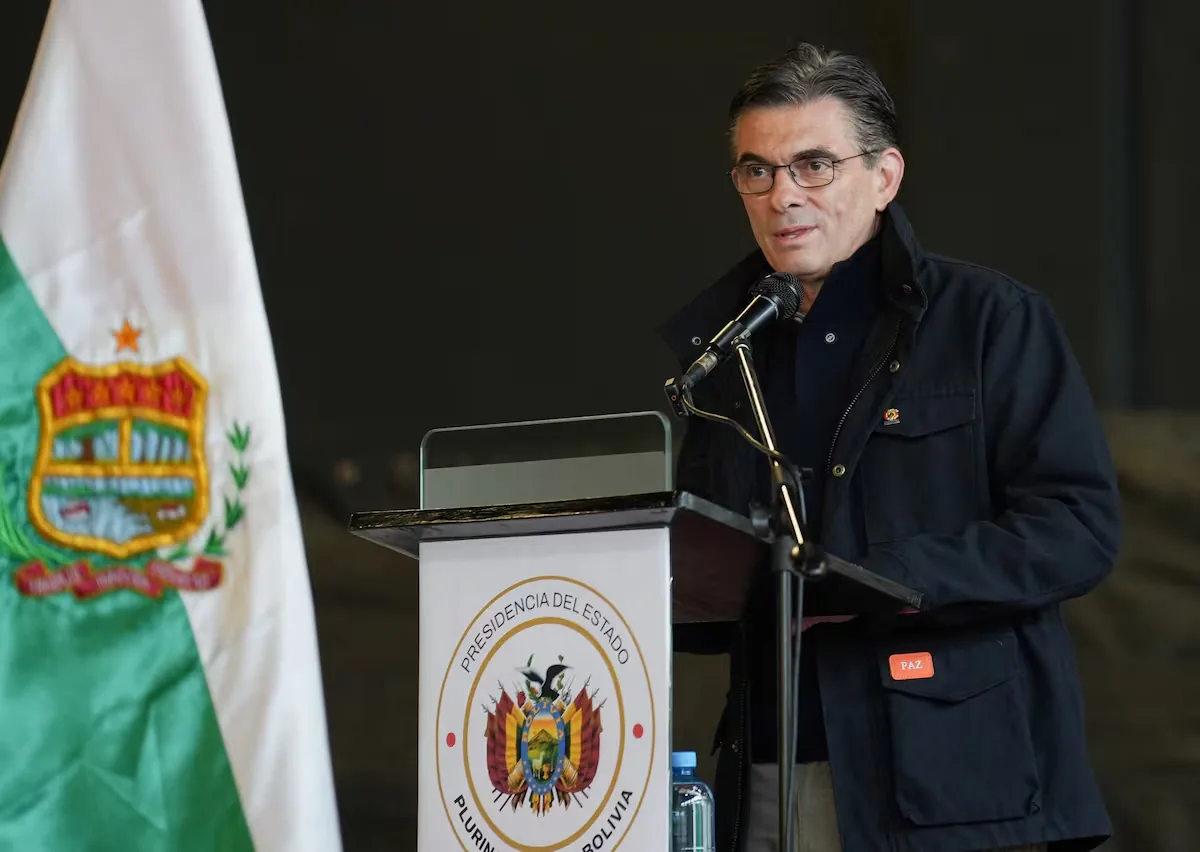
The protests that began in La Paz in early May have spread over the weeks to much of Bolivia and have put the president of the Andean country, Rodrigo Paz, on the ropes. The center-right leader is seeking a race-against-time solution to the biggest political crisis of his term, which began just over six months ago. The coming hours will be key to knowing if Paz manages to open a dialogue channel with the protesters, a heterogeneous group made up of unionists, teachers, transport workers, miners, peasants, and indigenous people who mostly voted for him at the polls and feel betrayed. This Friday, the Prosecutor’s Office canceled the arrest warrant against two of the main leaders of the protests, one of the conditions demanded by the protesters to sit down and negotiate.
Read more The inexhaustible pen of inmate 89914053: Chapo’s letters from the Colorado prison
These are the executive secretary of the Bolivian Workers’ Center (COB), Mario Argollo, and the leader of the Túpac Katari Peasants Federation, Vicente Salazar. It is an important step towards dialogue, but not definitive, as Argollo warned, who left the decision in the hands of the COB bases: “If the bases express that we should attend, we will do so, and if the bases determine that we must continue the struggle, we must continue, because decisions come organically,” said the union leader. Shortly after, he called for an emergency meeting on Saturday in El Alto, the country’s second most populous city and the one with the largest indigenous presence.
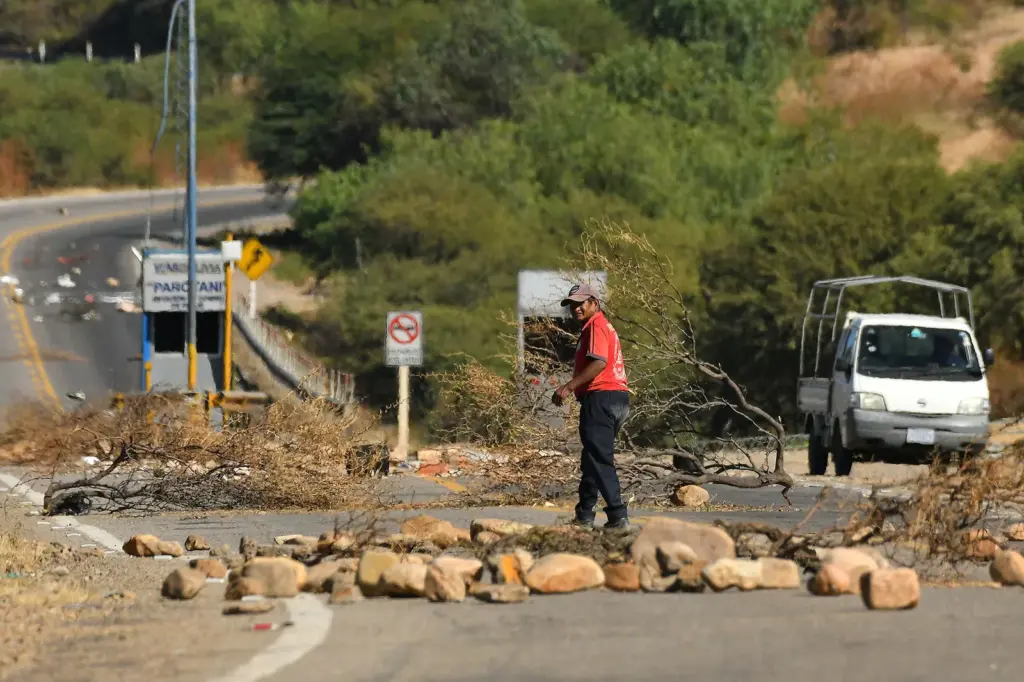
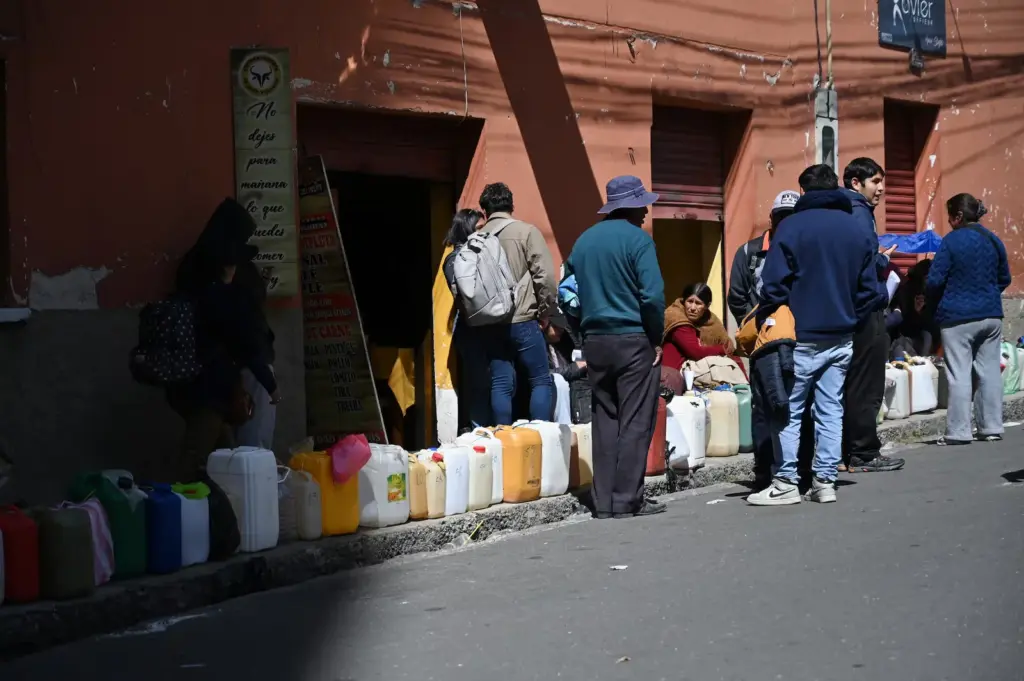
By Friday night, there were more than 70 roadblocks in Bolivia. The most serious situation is in La Paz, the administrative capital, which has been under siege for three weeks and where food, medicine, and fuel are scarce. During this time, the conflict has polarized the population: the popular sectors want Paz’s resignation; the elites and productive sectors, on the other hand, demand the immediate removal of the protesters from the blocked routes so that the free movement of people and goods can resume.
The magnitude of the protests has surprised a government that many see as inexperienced and slow to react, but also political analysts who doubted the political crisis would escalate so much. “We have reached a point where the continuity of the president is being questioned,” says economist and social researcher Armando Ortuño.
In his opinion, the crisis has stalled because “neither side has the conditions to impose itself.” The government, because it lacks tools to reach a negotiated solution and because the possibility of ending the conflict by decreeing a state of emergency and involving the army also raises many doubts. The protesters, because they have neither clear political leadership nor a solid political program. “Although the government insists that [former president] Evo Morales is behind the protests, he is not the leader,” Ortuño emphasizes.
Read more 10 pool games for kids and adults to fully enjoy this summer
Political scientist Susana Bejarano believes that the protests against Paz are the result of a series of political mistakes that began on the day of his inauguration, when he avoided any indigenous symbolism, and with the appointment of a cabinet without social leaders or politicians with fluent dialogue with them, but made up of business representatives and former politicians from Bolivia’s neoliberal era. “It generated initial distrust, the feeling of being deceived, excluded from the table,” says Bejarano. The almost immediate break with his vice president, Edmand Lara, increased the suspicion of those who had given their vote to Paz precisely because he was supported by this popular ex-policeman who denounced corruption cases in viral videos. The same happened with those who, after years of voting for MAS — the hegemonic party in Bolivia for 20 years — believed the project had run its course and bet on the moderate change Paz offered them without imagining he would invalidate all the legacy received and describe it as “an extraordinary sewer.”
All these decisions created a great underground unrest that began to surface later, when problems appeared such as the distribution of poor-quality gasoline that ruined thousands of car engines, or when a legal move prevented a runoff to elect the governor of La Paz and the official candidate, Luis Revilla, won with 20% of the votes. “That heightened the anger of those who wanted to vote in a runoff to give Paz an electoral slap and could not. They took to the streets,” Bejarano recounts.
The initial spark of the protests was the demand for wage increases to compensate for 20% annual inflation. Faced with the government’s lack of response, more and more sectors joined, and the crisis escalated to the current situation. This weekend will begin to show whether there is a negotiated way out on the horizon or not.
Read more The kitchen ‘gadget’ that makes preparing French fries at home faster and easier