









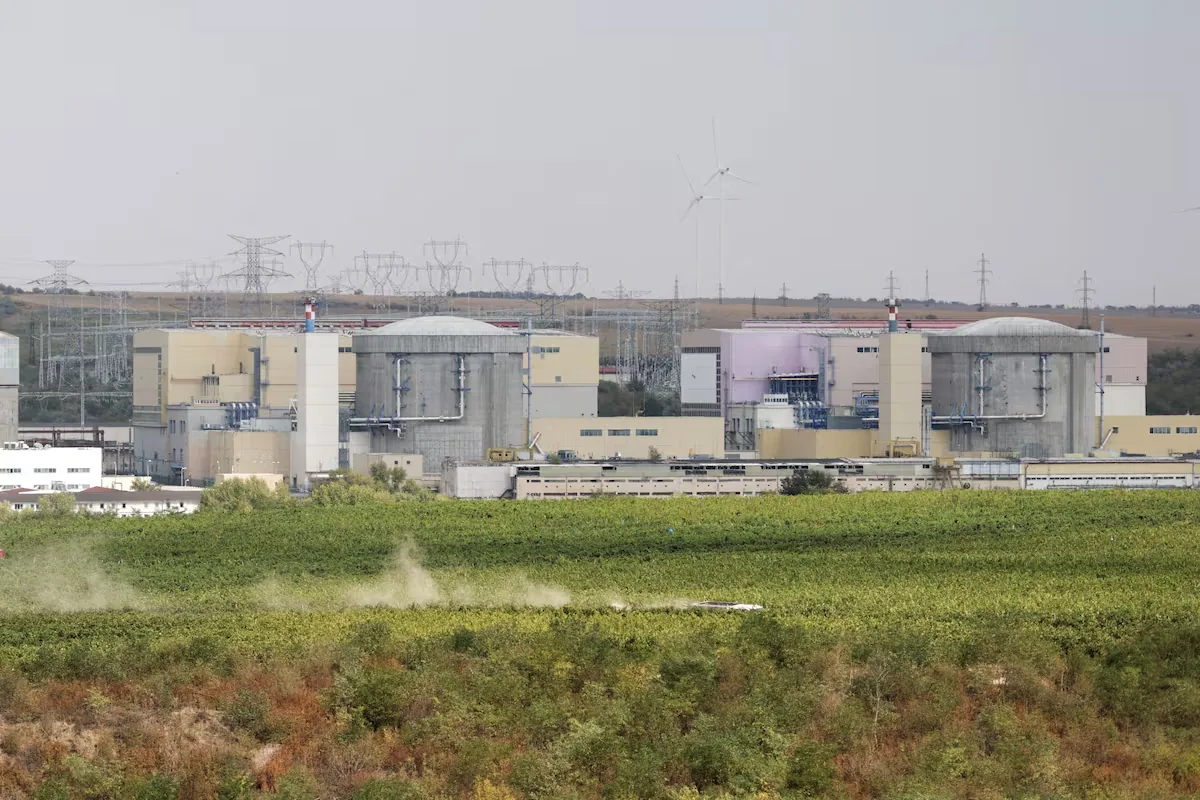
Romania completely disconnected the Cernavoda power plant, its only nuclear plant, this Thursday by shutting down the second reactor of the facility, due to the persistent drop in the Danube water level and the failure of several attempts to raise it in order to cool the thermal cycle.
According to the Romanian Ministry of Energy, the second reactor, which was generating 700 megawatts (MW) of electricity, was disconnected this morning, after the other unit of the plant, of the same power, was shut down on July 28.
Until then, with its two reactors and an installed capacity of 1,400 MW, Cernavoda supplied 20% of the electricity demand of the Balkan country, with 19 million inhabitants. Its temporary closure was necessary due to the drop in the Danube’s flow to its lowest levels in the last 40 years, further accentuated by several waves of extreme heat and a prolonged drought in Central Europe.
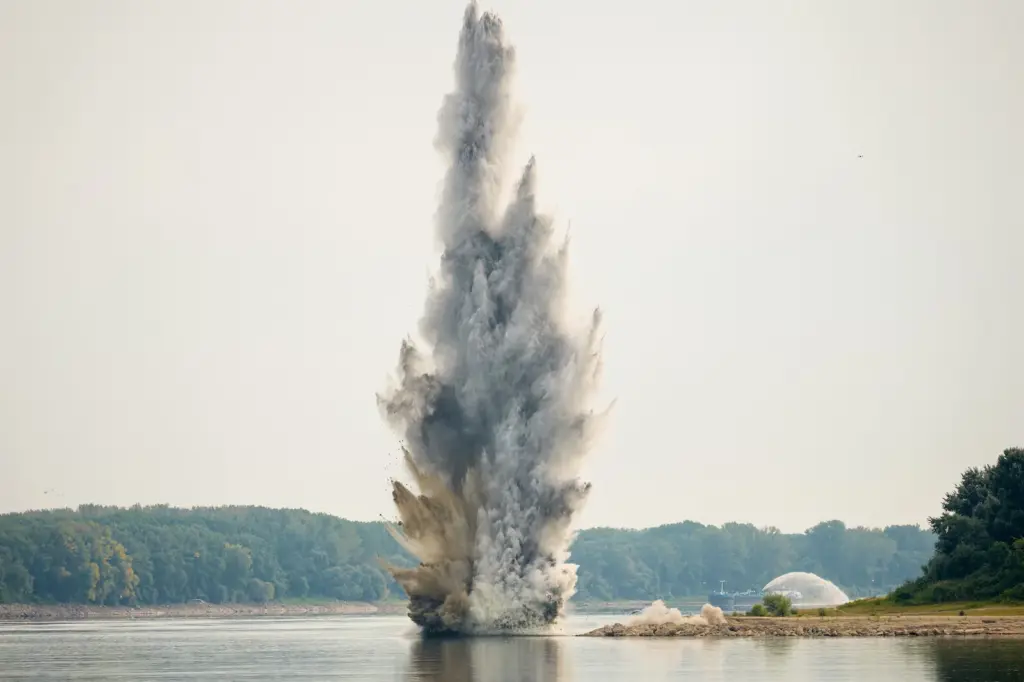
In the last week, the Romanian army unsuccessfully tried to raise the water level in the Cernavoda intake area through various engineering works, such as blasting rocks on the riverbed and sinking barges loaded with stones.
The National Institute of Hydrology and Water Management forecasts that until the 19th, the Danube’s flow at its entry into Romania will remain stable at its very low levels, around 1,400 cubic meters per second, when the average at this time of year is 3,900 cubic meters/second.
Read more Istanbul will host the Spanish Super Cup for the first time
Although Romanian authorities have been taking measures for days to increase energy production from wind farms and reactivate coal plants, as well as to increase electricity imports from other countries, they do not rule out supply problems.
In a scenario where the country does not have enough energy to import, the population could be forced to reduce consumption, warned Radu Gabor, chief nuclear safety engineer of the plant, according to the news channel Antena3.
Authorities have already made several calls for the population to reduce electricity consumption between 7:00 p.m. and 11:00 p.m., and several cities have adopted energy-saving measures, such as turning off architectural and decorative lighting or not charging electric buses during critical hours.
Not only Romania has suffered problems in the water supply of its nuclear plants due to drought: France, Hungary, and Serbia have experienced similar problems.