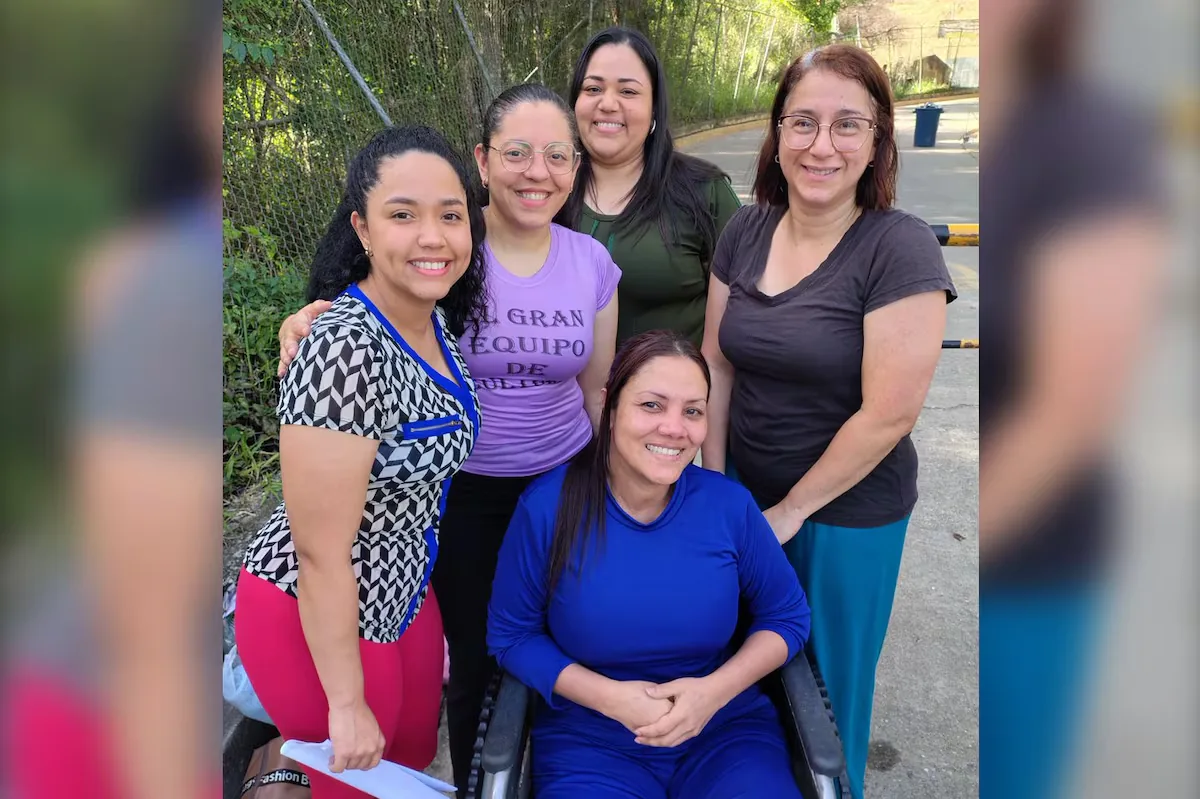
This Friday has brought a handful of good news for dozens of Venezuelan political prisoners who have reunited with their families. The Government announced 131 releases through a statement issued by the Minister of Communication, Miguel Ángel Pérez Pirela; which have gradually been verified by various organizations defending the detainees. One of them, Foro Penal, confirmed 64 releases by 7:30 p.m., and asked the families for “patience for the dissemination of verified and complete information” while they continue monitoring the exits from the country’s detention centers.
Read more Eight Spanish universities disappear from the Shanghai ranking, the most prestigious
These releases come two days after the first cycle of dialogue promoted by the United States between Chavismo and the opposition concluded, and from whose first agreement the freedom of more than 300 political prisoners was excluded. Former deputy Ramón López, who is part of the opposition delegation in the process, stated that, although the freedom of political prisoners was not an agenda item nor part of the signed agreement, it was a demand from the start of the talks. “There can be no national dialogue if there is no full release of all political prisoners. And today 131 are released. Our work must focus on getting them all out (…) Political prisoners cannot be a bargaining chip to advance other issues; it must be a core issue,” he said in an interview with the Venevisión network.
This Friday’s releases include cases of people linked to processes such as the so-called Drone Case and Operation Gideon. EL PAÍS details below the most emblematic cases within the group of released individuals.
Emirlendris Benítez
She is one of Venezuela’s most well-known political prisoners. A merchant and mother, she was arrested on August 5, 2018, while traveling in a taxi with her partner, in the context of the investigation into the alleged drone attack against Nicolás Maduro that year. Authorities accused her of terrorism, conspiracy, and other crimes related to the case, accusations she always denied. In 2022, she was sentenced to 30 years in prison, the maximum penalty under Venezuelan law.
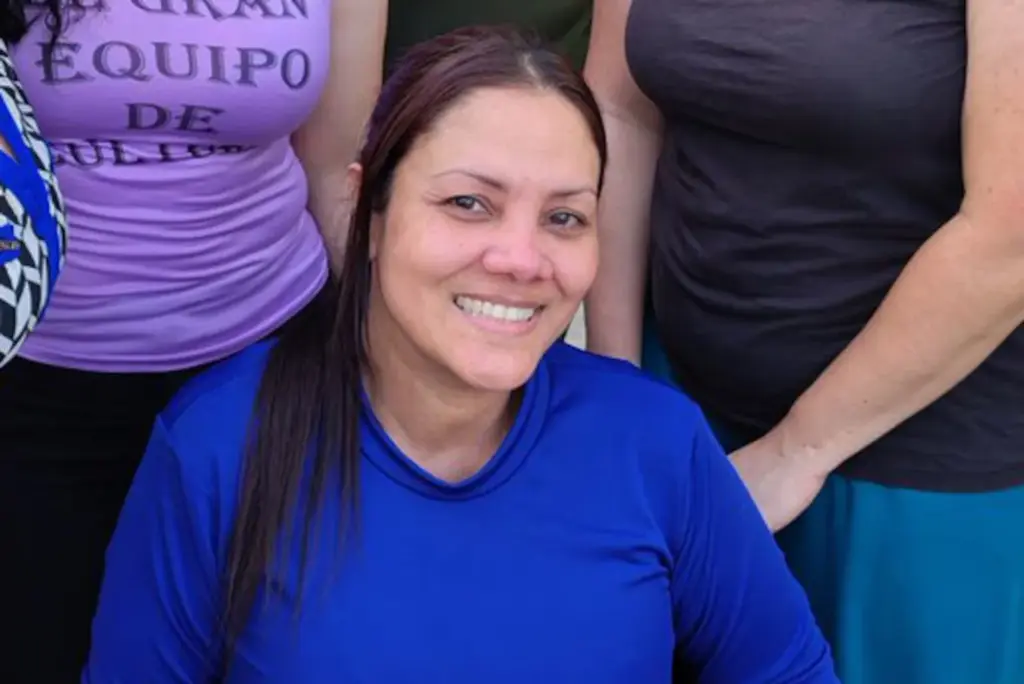
Her case gained special gravity due to allegations of torture during her detention. Human rights organizations documented that Benítez was subjected to physical abuse while pregnant, lost the baby, and subsequently suffered severe physical sequelae that affected her mobility. Her case was presented before the Inter-American Court of Human Rights, the United Nations, the International Criminal Court, and the European Parliament. Amnesty International reported that for years she had difficulties accessing adequate medical care. This Friday, eight years after being detained, she left prison in a wheelchair. Her release is one of the most symbolically significant of the day.
María Auxiliadora Delgado Tabosky
The Venezuelan businesswoman with Spanish nationality María Auxiliadora Delgado Tabosky was arrested on March 19, 2019, along with her husband, retired military Juan Carlos Marrufo Capozzi, who holds Italian nationality. Officials from the Directorate General of Military Counterintelligence (DGCIM) raided their home in the city of Valencia (Carabobo State) and then arrested them east of Caracas. Authorities accused them of financing terrorism, criminal association, and links to the alleged attack against Nicolás Maduro in August 2018.
Her case is particularly striking because, a few months after her arrest, the Prosecutor’s Office itself found insufficient evidence to justify keeping her detained. A court ordered her release in June 2019, but the order was not enforced for months. Finally, she was released on October 2, 2019, but just a few hours later was detained again by FAES agents.
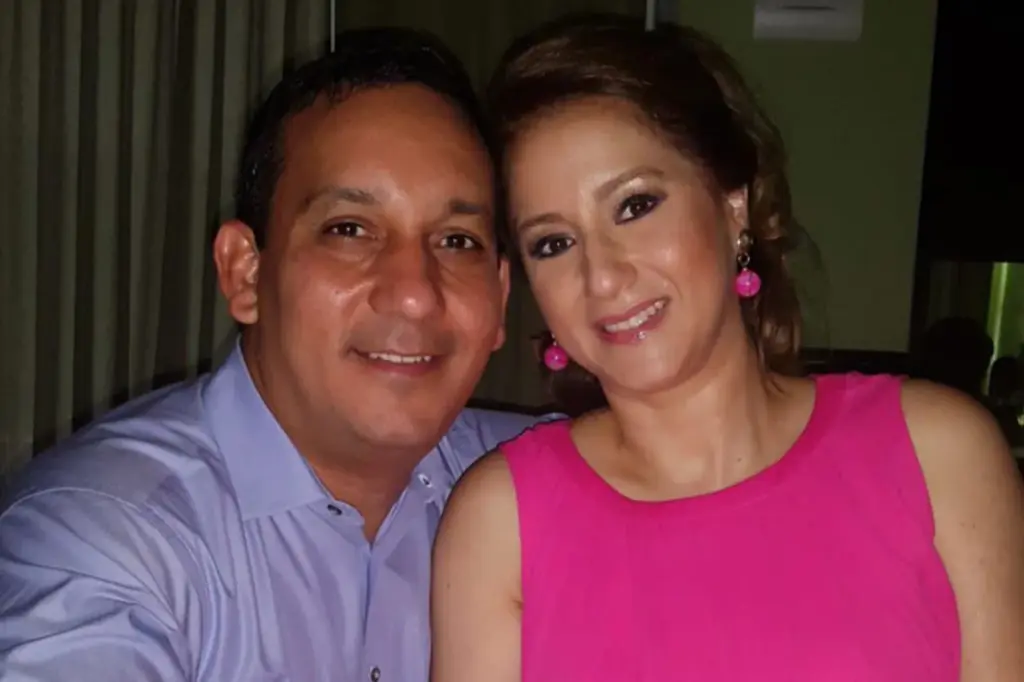
In December 2022, after being imprisoned for nearly four years, she was sentenced to 30 years in prison, the maximum penalty in Venezuela, for terrorism, treason, and criminal association. International organizations questioned the arbitrary nature of her imprisonment. The UN Working Group on Arbitrary Detention called for her release, considering her case part of a pattern of arbitrary detentions in Venezuela.
Her story also has a component of punishment due to family ties: her brother, Osman Delgado Tabosky, was identified by the Government as an alleged financier of the 2018 attack and was outside the country. Human rights organizations have denounced that María Auxiliadora was persecuted because of her family relationship with him.
Read more “She leaves it like new”: this gel removes the accumulated dirt on the washing machine rubber
Yolimar Alemán
Yolimar Alemán was arrested on April 21, 2020, along with her sister Andreína, during an operation by the Directorate General of Military Counterintelligence (DGCIM). Both were linked to the so-called Gideon case, related to the failed armed incursion of May 2020 against the Venezuelan Government. Their arrest took place in Carabobo State, and the sisters were later transferred to the DGCIM headquarters in Boleíta, Caracas.
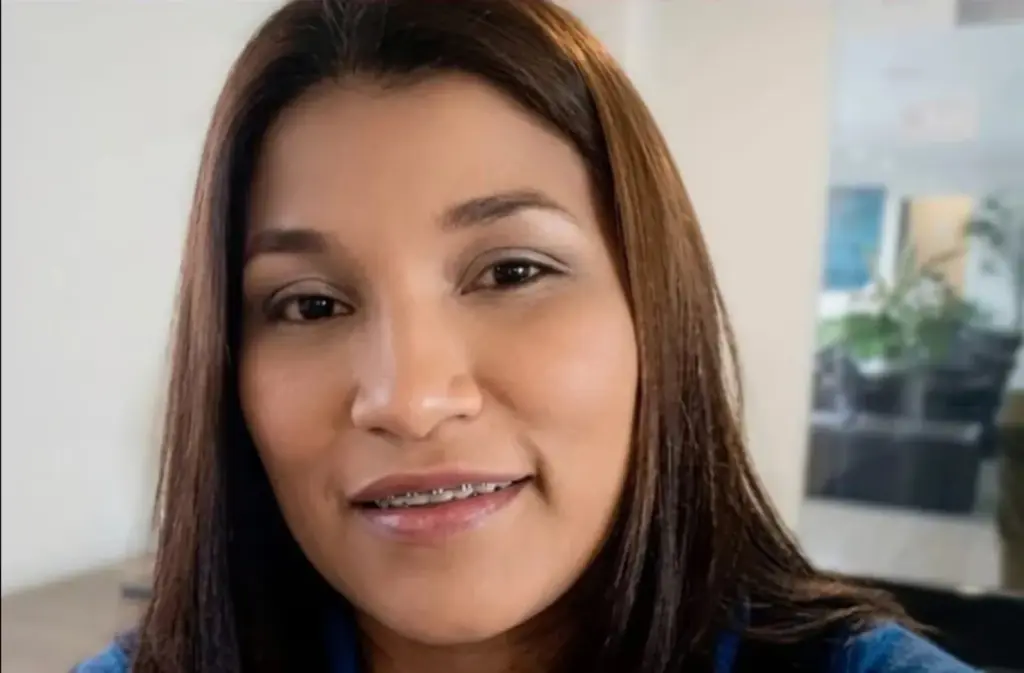
Alemán’s case also has a family and military dimension. She is the sister of National Guard Lieutenant Richard Alemán Castellanos and wife of Captain Erickson Alexander Chaya Barroeta, both convicted in the same process. Authorities attributed crimes such as treason, rebellion, conspiracy, terrorism, and criminal association to the group members.
In May 2021, a judge issued substitute measures for the Alemán sisters, but that decision was later revoked. In May 2024, Yolimar was sentenced within the process.
Her story especially represents prisoners linked to the cases opened by Operation Gideon.
Daniel Zambrano
Daniel Zambrano, originally from Táchira state, was about 30 years old when he was released this Friday, August 14. He had been detained since May 28, 2022, so he had been deprived of liberty for more than four years. His name became a particularly sensitive case for human rights organizations due to his family’s situation and, especially, the detention of his brother Juan Nahir Zambrano, who was released on March 9, 2026.
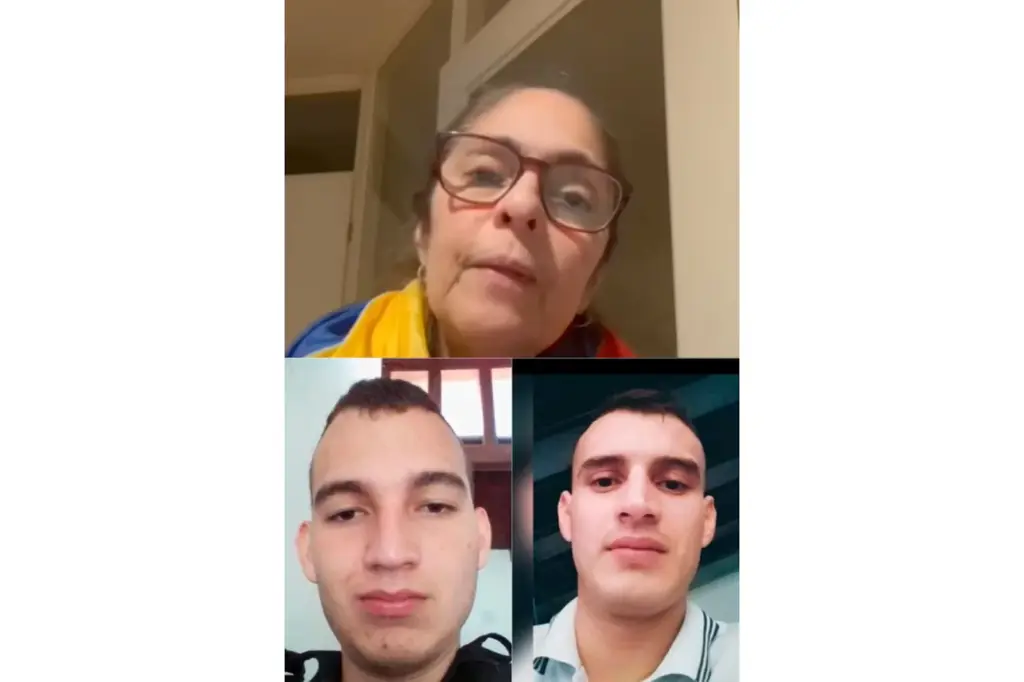
The nightmare began when Juan Nahir, a person on the autism spectrum, was deceived by DGCIM officials with the promise of reinstating him to the Bolivarian National Guard. After being transferred out of Táchira, he remained incommunicado and under coercion. His brother Daniel went to look for him and ended up detained by hooded agents who broke into the family home. Both were accused of alleged conspiracy against Nicolás Maduro’s government and ended up sharing the same judicial file.
Daniel’s release now allows the brothers to reunite, although their mother, Luz Arias, has demanded that authorities remove the precautionary measures still imposed on them. According to some release orders given to those freed this Friday, they are subject to a “precautionary measure substituting liberty” that requires them to appear in court every 30 days and remain in the country. They are not truly free yet.
Read more No counter space? This double-height microwave stand is a great solution