









EL PAÍS offers the América Futura section openly for its daily and global informative contribution on sustainable development. If you want to support our journalism, subscribe here.
No country in the world has such diverse nature: in Brazil almost 125,000 species of fauna and 45,000 of flora coexist, 15% of the planet’s biodiversity is concentrated in its territory. Protecting this treasure requires compiling, from time to time, a list of endangered species, a titanic task that mobilizes more than 2,000 researchers from across the country.
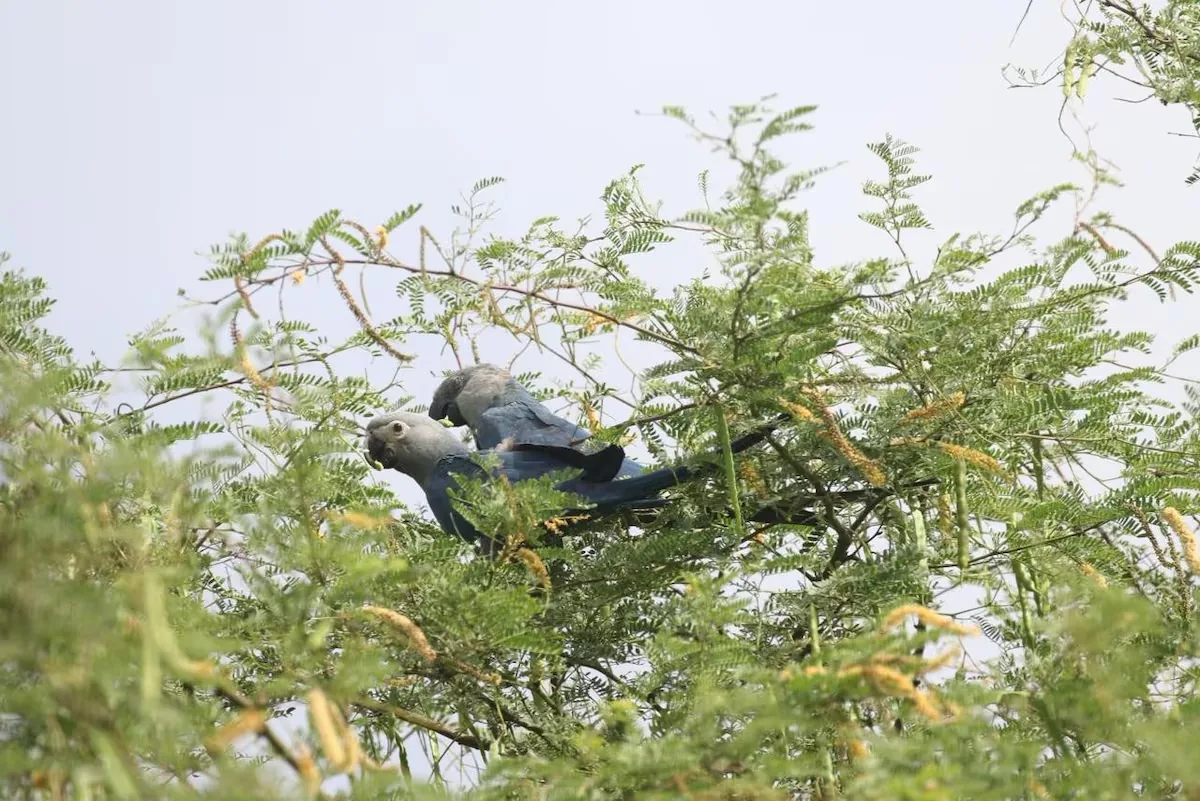
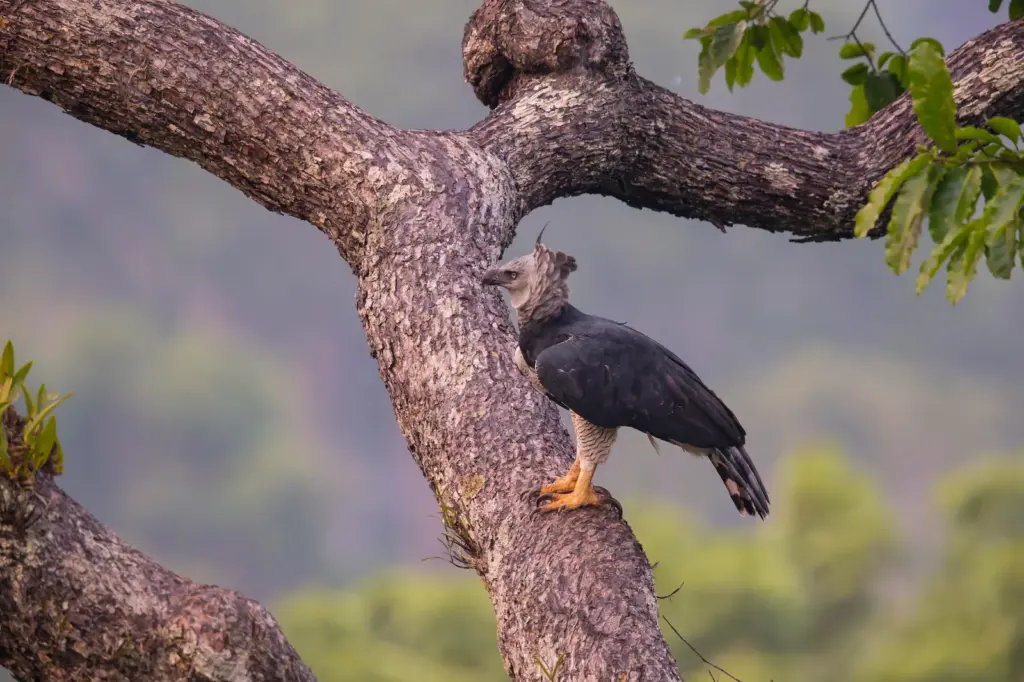
The latest edition of this inventory was published a few weeks ago: at this moment there are 798 species of mammals, birds, reptiles, amphibians, and terrestrial invertebrates with some level of risk (fish have a separate list). There is always a mix of good and bad news: the harpy eagle (Harpia harpyja), the largest eagle in America, is no longer endangered, but on the other hand, the hyacinth macaw (Anodorhynchus hyacinthinus) has returned to this sad ranking due to the fires in recent years in the Pantanal, its favorite biome.
Species are classified into five categories: extinct in the wild, possibly extinct, critically endangered, endangered, and vulnerable. Deciding where each one fits requires discreet, meticulous, and sometimes frustrating work: it can take years to find again a species believed to be extinct.
Leading this task is Arthur Pereira, extinction risk assessment coordinator at the Chico Mendes Institute for Biodiversity Conservation (ICMBio), the Brazilian government body responsible for environmental protection. Pereira explains to América Futura that the first thing to do is to resign oneself and accept that the challenge is unmanageable: of the more than 100,000 fauna species in Brazil, about 15,000 are studied, including all vertebrates and some specific invertebrates: “If we started analyzing all invertebrates, it would take 300 years and we wouldn’t achieve it.” Brazil’s biodiversity is so vast that scientists describe an average of five new species every day, so it is believed many species go extinct before they are discovered.
24 names added
To optimize efforts, special attention is given to species already at risk previously and to endemic species or those associated with very specific environments. This year’s list has added 24 more names, something Pereira attributes to a mix of factors, mainly habitat destruction (despite deforestation in Brazil having dropped sharply in recent years), but also to an increase in available information. The study follows the methodology of the International Union for Conservation of Nature (IUCN), a UN branch, and takes into account population, geographic distribution, and ongoing threats.
When Pereira is asked if there is any species that worries him especially, he resists. He says choosing one would mean discriminating against the others. After insisting, he confesses: he is very distressed about the Bahia antwren (Merulaxis stresemanni), a small bird similar to a nightingale that only lives (or lived) in small forest fragments between the states of Bahia and Minas Gerais. Recently a fire devastated the area where the few known specimens were concentrated. “We had been tracking the last eight individuals for some time, but after the fire, it’s been two or three years since we have sighted any. They may have flown to another area, but it is unknown.” Expeditions made in search of it have been in vain.
Read more The power for what?
What to do when that happens? When is a species declared extinct? Previously, the most common protocols required 50 years without sightings before the fatal declaration. Today that criterion has changed because there are more tools and verification can be done earlier, but it is used very cautiously. Hope is the last thing lost.
This happened recently with a small mouse, endemic to the Cerrado, the tropical savanna surrounding Brasília. It was discovered in the early 60s during the construction works of the new Brazilian capital and was named Juscelinomys candango in honor of then-president Juscelino Kubitschek, the city’s ideologist. Paradoxically, it is very likely that those works sentenced it. It has never been seen again. It has been classified as extinct for decades, but recently Brazilian biologists were startled: a specimen had appeared during the construction of a building. The enthusiasm was short-lived: it was a very similar mouse.
Researchers from universities and centers across the country participate in the list, specialists in each species who gradually contribute their data to ICMBio’s central office, where the information is verified, cross-checked, and consolidated. Then it goes through a commission with representatives of civil society. It is the trial by fire, the moment of pressures.
Unlike countries where this list is prepared by scientific entities, NGOs, or other organizations, here, since the State leads the process, the final document has the force of law and guides public policies, such as the creation of breeding and reintroduction programs or the protection of especially sensitive territories. Therefore, pressures to keep a certain species off the list are common. A name on that document can prevent hunting in a region or block the construction of a road.
In Brazil, a country larger than all of Europe, the extra challenge is making a community of fishermen, for example, understand that no matter how abundant a certain fish species is in one river, it must be protected because it is scarce in the rest of the country. At the end of 2014, a protest with more than 200 boats closed the port of Itajaí, in the south of the country, in protest against a rule banning the fishing of several species of sharks, crabs, or starfish. “There were even shots fired in the air, a lot of tension, but we handle those pressures very calmly. We only incorporate their demands if they are based on information,” says Pereira.
Read more Limit humanitarian aid and prioritize political and military interests?