The Government has recorded this year, up to August 31, 2,435 more immigrant arrivals in Ceuta and Melilla than in the same period of 2025, representing an increase of 110% in the autonomous cities. For the entire Spanish territory, it reduces irregular entries so far this year by 14%. All these figures do not include the mass crossing through the Tarajal breakwater which, according to the Ministry of the Interior, “have already been subject to triage.”
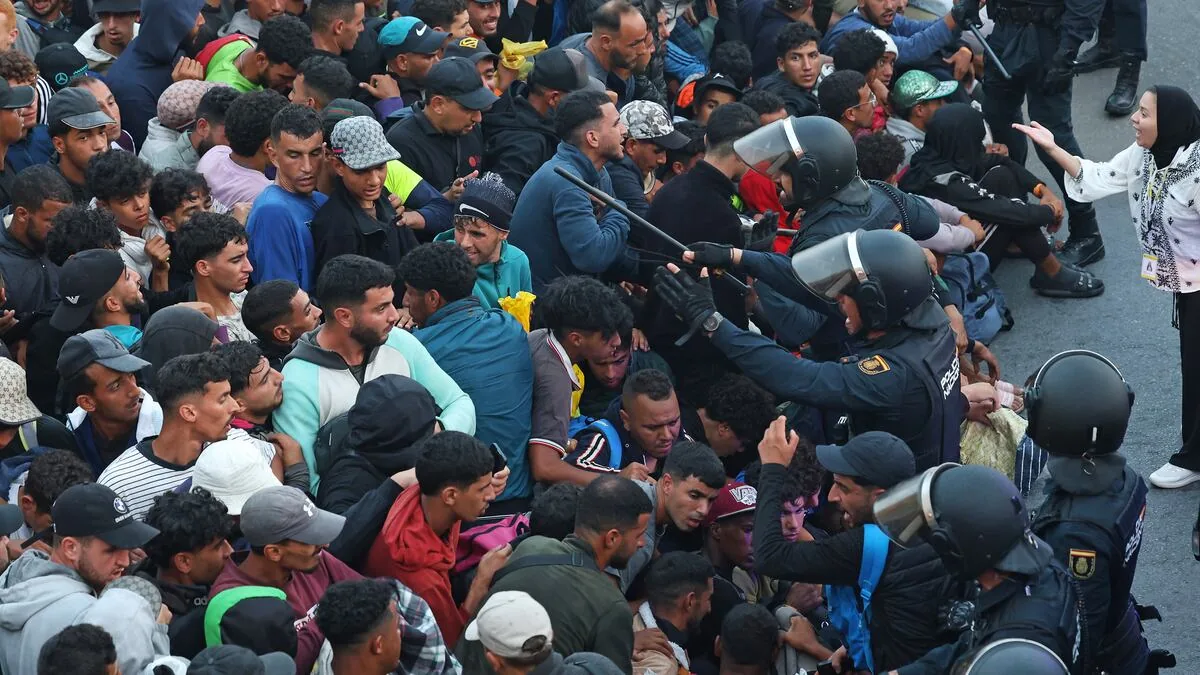
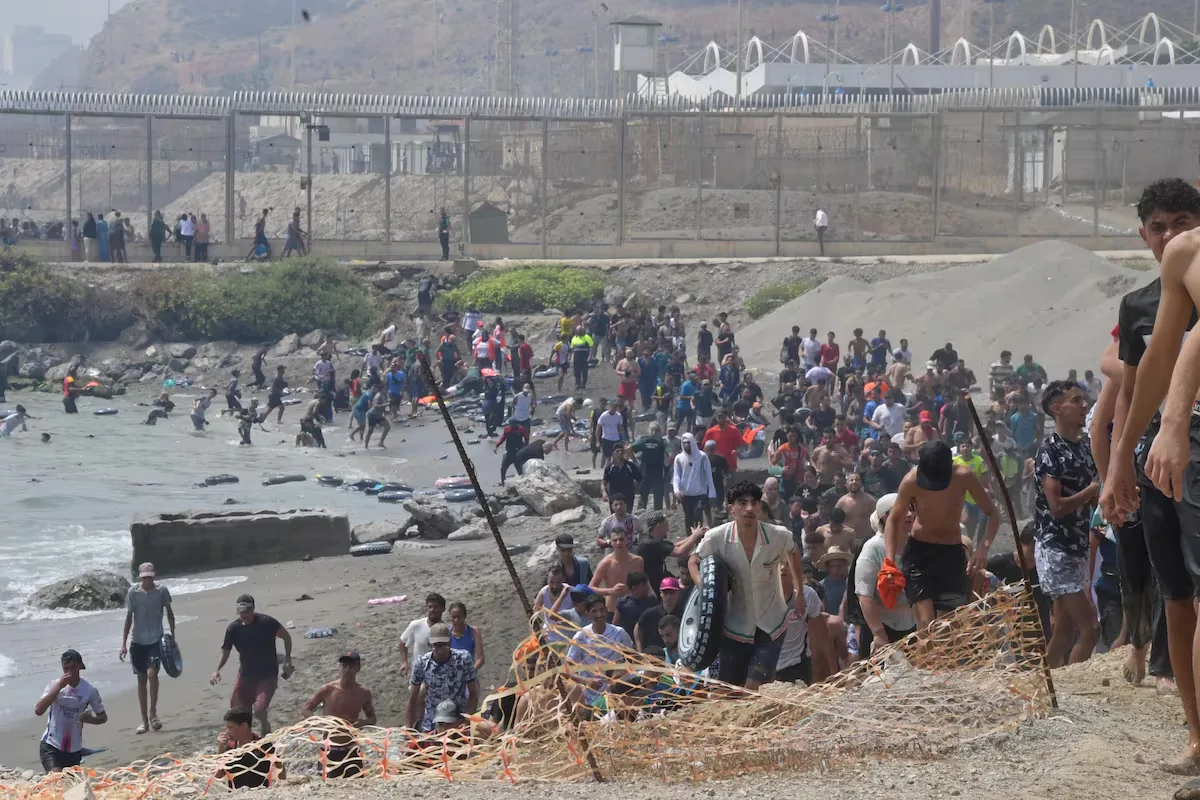
If the latest data from the Executive are taken into account, recalled this Wednesday by President Pedro Sánchez in parliament, the more than 70,000 migrants who entered Spain irregularly in just two days, July 30 and 31, far exceeded the record number of arrivals registered in a year ―2018 with 64,298― and doubled those of last year (36,775), representing a humanitarian crisis of unprecedented magnitude.
However, the official data, at least for now, do not reflect this unprecedented milestone. Already on August 15, the Interior Ministry stated that arrivals in Ceuta required a “specific analysis,” so they were not included in the statistics at that time. The figures collected in the second half of the month also do not include them, because on July 30 and 31 it was “impossible” to carry out the regulatory triage. “For that reason, and to avoid distorting statistical reports, the immigrants who entered Ceuta on those days and have remained over time will appear in the balance when the triage process for all of them is completed,” the ministry points out.
The trend of immigrants arriving irregularly in Spain had been declining since the peak in 2024, when 61,372 reached Spanish territory. Last year, almost half as many arrivals were recorded, 32,925. Despite the bulk of entries from the last two days of July not being recorded, Ceuta registers increases of more than 100% compared to the same period last year.
In this regard, the director general of the Spanish Commission for Refugee Aid (CEAR), Mónica López, points to a “multifactorial” crisis. “There is a clear reason: when there is such a high level of inequality at a border, there will always be someone who wants to cross,” she highlights. To the socioeconomic aspect, she adds the outsourcing of migration flow management handled by the European Union: “The third countries on which it falls will use it as a political weapon.” “It is not effective,” she concludes.
Increasing crises
Despite the decrease in arrivals last year, each new migration crisis shatters the figures of the previous one. This happened in 2018, when an average of 160 people arrived in Spain by small boat and the total irregular entries approached 65,000. This number of irregular immigrants then represented one third more than the previous historic milestone, set in 2006, the year of the so-called cayucos crisis.
In the 2014 swim crossing to Ceuta, later known as the Tarajal tragedy, several hundred migrants participated and about fifteen died in the attempt. Twelve years later, there are tens of thousands and more than a hundred deaths. More recently, in 2022, around 2,000 migrants jumped the fence in Melilla. On that occasion, Moroccan police forces tried to stop them brutally and the episode resulted in dozens of deaths ―23 according to the Alaouite authorities and 37 according to Amnesty International, which added 77 missing―.
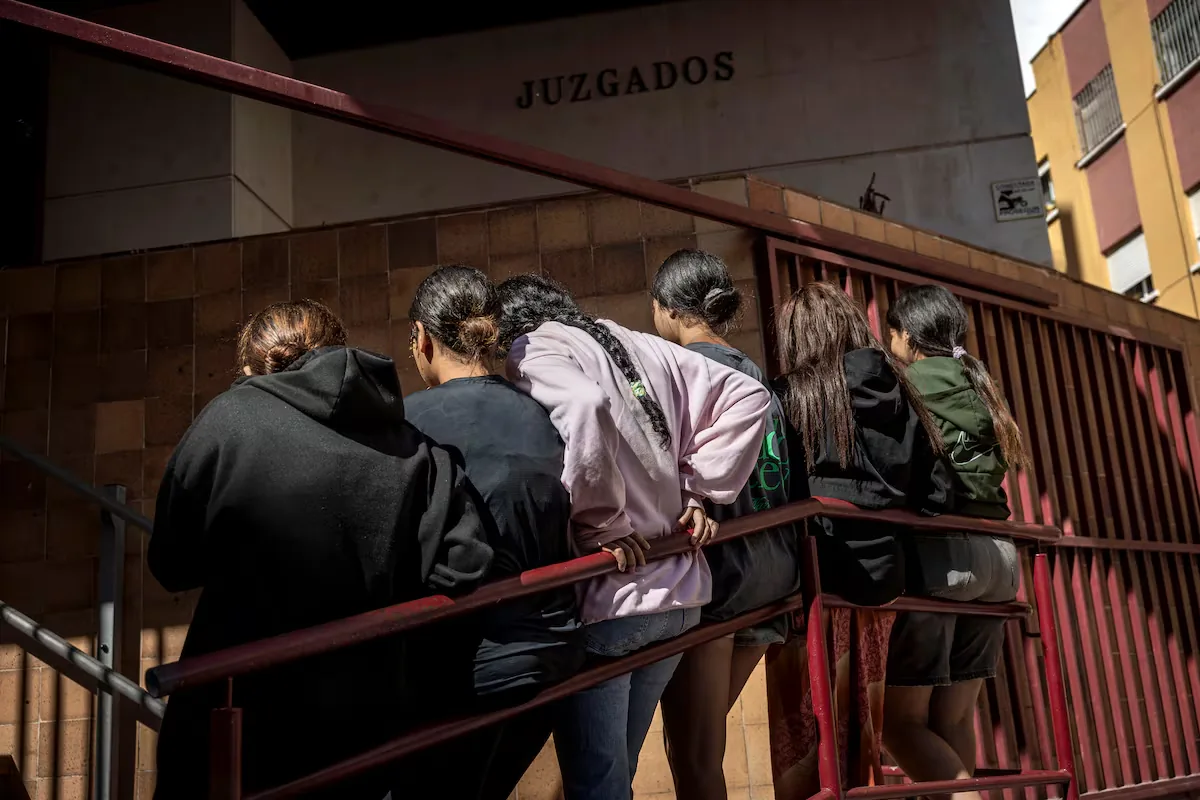
The increase in the magnitude of the crises shows no signs of abating. “The pressure on the other side of the border has been increasing since the closure of the borders due to covid,” says the CEAR director. Regarding the current crisis hitting Ceuta for more than a month now, Mónica López focuses on possible refugees: “The Government has acted late and is completely overwhelmed. If they have not started triaging or have done so with very few people, they are not able to access international protection, therefore their rights are being violated.”