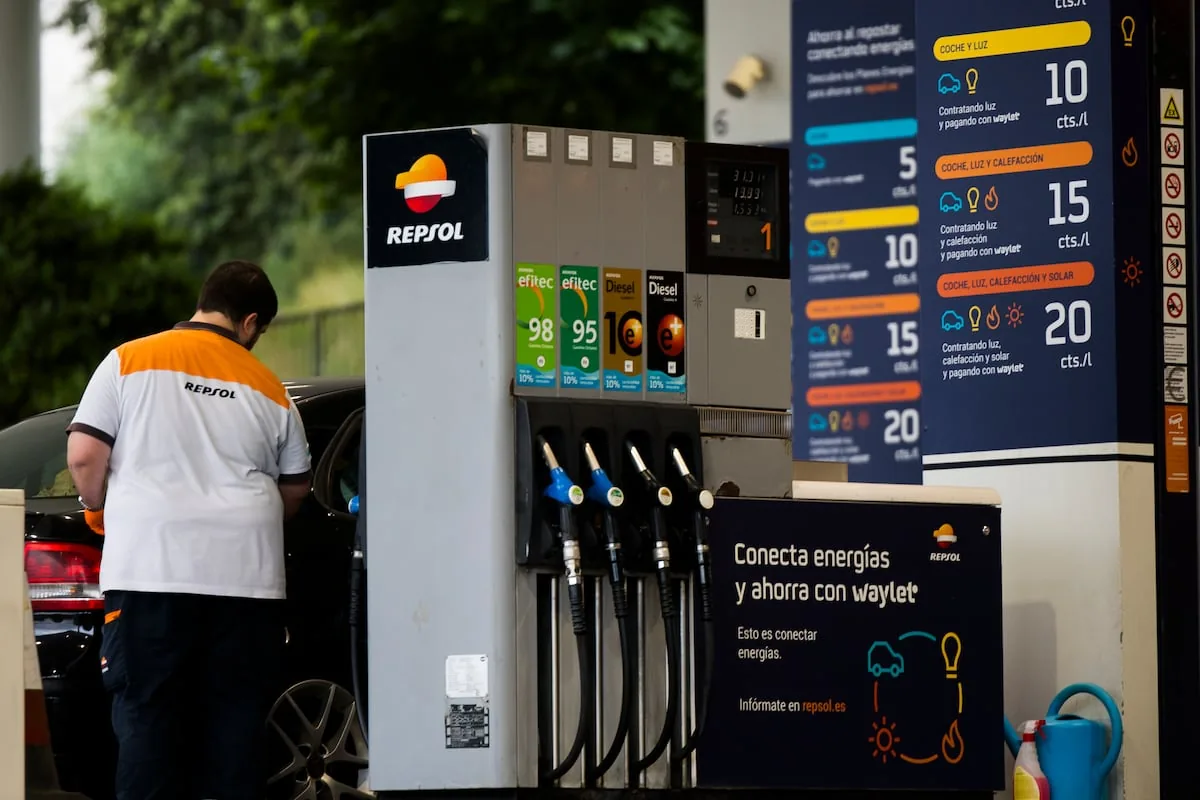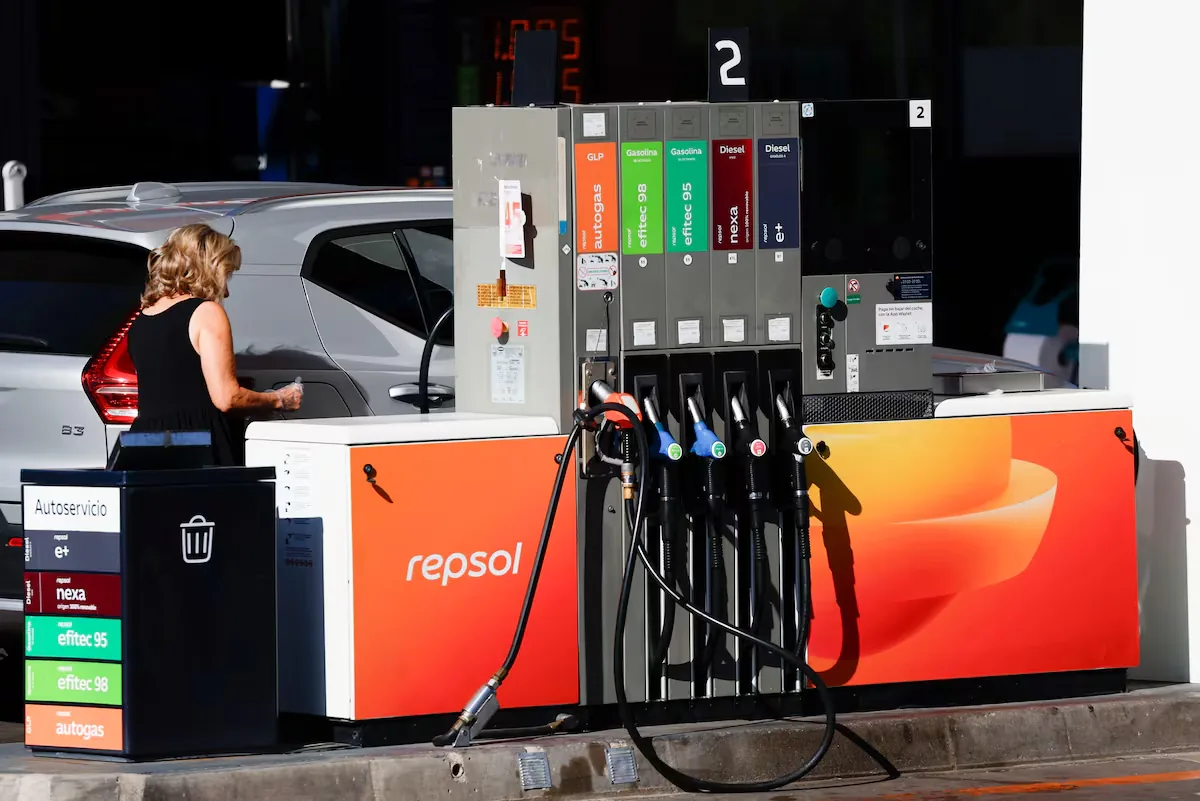
The increase in diesel prices in recent weeks has forced the Government to automatically activate the safeguard clause of the anti-crisis shield to raise the tax reduction on this fuel to 20 cents per liter in September, compared to the 5 cents initially planned. The measure was announced by the Ministry of Economy upon learning that the National Statistics Institute (INE) has revised upward the general inflation in July to 3.6% year-on-year — one tenth more than estimated in the preliminary data — driven by intense pressure from fuels and electricity.
Read more Galicia seeks the secret of its extreme longevity
INE data indicate that the price of diesel rose 15.7% in July compared to the same month last year, above the 15% threshold set by Royal Decree-Law 18/2026 to maintain the path of tax reductions aimed at containing the impact of the war in Iran. When this limit is exceeded, the clause that requires raising the tax reduction on the hydrocarbon tax to 20 cents is automatically activated (currently it is 10 cents and in September it was supposed to be reduced to five).
Gasoline, on the other hand, has risen 7.3% year-on-year and, remaining below the 15% limit, will follow the scheduled plan for the gradual withdrawal of aid. Its subsidy will be reduced to five cents per liter in September.
Alongside the rise in fuel prices at the pumps, electricity has been the other major driver of price increases, with an 8.4% rise in July compared to the same month last year.
Core inflation — which excludes the most volatile elements such as energy and food — rose one tenth to 3%, moving both indicators away from the 2% target set by the European Central Bank (ECB).
Against these pressures, the greatest relief for the shopping basket comes from food, whose year-on-year variation was contained at 1.6% — three tenths less than in June — reaching a low not seen in the Spanish economy since 2021.
Read more Nakashima ends Jódar’s dream at the Canada Masters 1000
The inflation surge — the highest since May 2024 — is due to the entrenchment of the conflict between the United States and Iran, and the consequent blockade of key maritime routes for global energy trade. Tensions in the Strait of Hormuz, through which before the hostilities began one fifth of the oil and liquefied gas traded worldwide passed, keep international markets on alert. The failure of the ceasefire agreed in June between Washington and Tehran, followed by an escalation in economic reparations demands by both parties complicating any short-term agreement prospects, has returned extreme volatility to commodities. The Brent crude barrel, the European benchmark, has again reached around 90 dollars this week.
To this blockade scenario, which keeps the strategic Iranian terminal on Jarg Island inactive, is added the offensive of the Houthi militia in the Red Sea and their recent attacks on refineries in Saudi Arabia, further tightening the global crude supply.
The impact of this energy shock has quickly translated to Spanish pumps, where gasoline reached its highest price since March in July. By the end of the month, fuel prices had recorded their fifth consecutive week of increases. This price rise has coincided with the gradual elimination of the anti-crisis shield implemented by the Government. The Government’s forecasts were that, by this time of year, the geopolitical situation would be better and there would not be so many fluctuations in the energy market, a condition that has been tested.
According to calculations by the Ministry of Economy, the measures adopted so far have reduced inflation by an average of one percentage point over recent months and have cushioned more than 60% of the economic impact caused by geopolitical fluctuations.
Analysts’ concern focuses on price developments in the coming months, as inflationary pressures seem to be becoming entrenched in the general economic fabric. Although the national economy continues to show remarkable internal strength, with GDP growth of 0.7% in the second quarter, this same vigor adds additional pressure on the CPI. In this context, experts warn that, in the short term, the general index could consolidate around 4% if oil volatility and the dismantling of public aid persist.
Read more Las Ketchup: “We were very poorly advised. No one cared that your whole body hurt”