









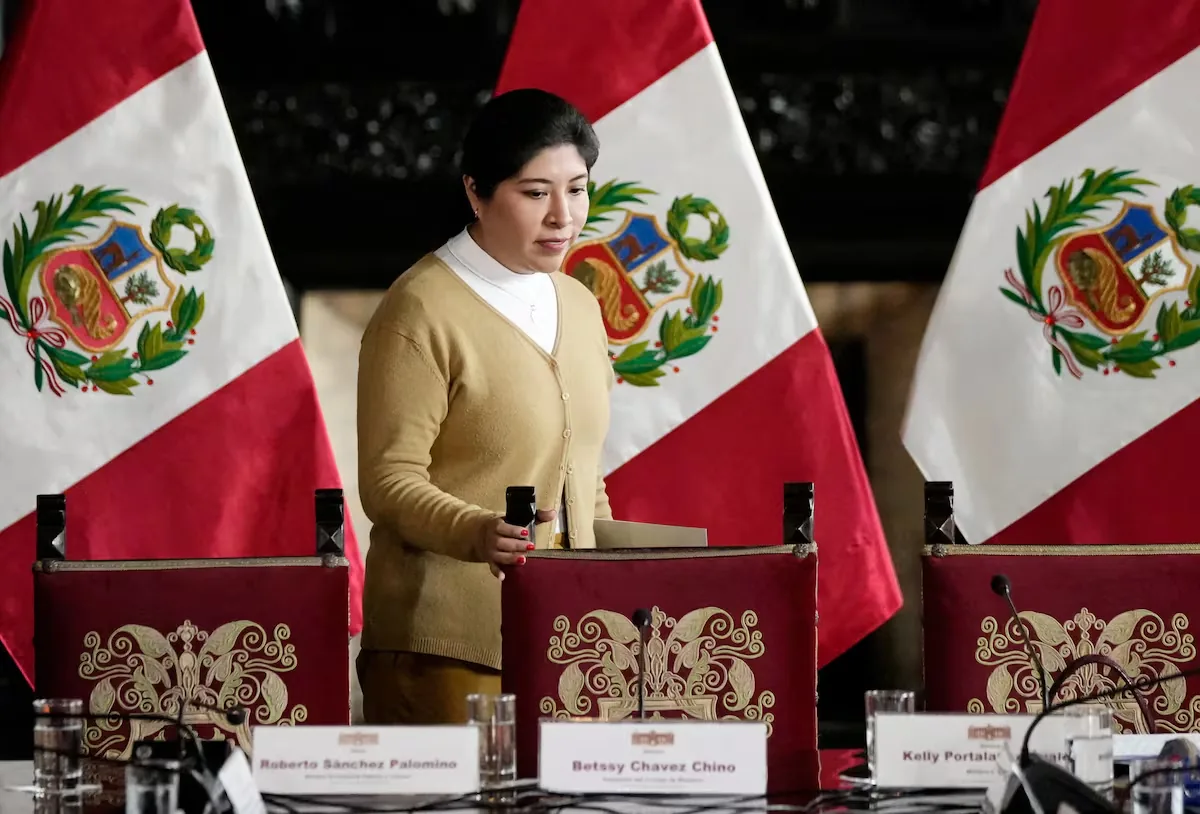
The normalization of diplomatic relations between Peru and Mexico closes one of the longest episodes of political tension between two countries that, for decades, had maintained a stable relationship and close regional coordination. After nine months of formal rupture and almost four years of high tension, both Governments announced this Friday the restoration of their diplomatic ties. The decision not only ends a dispute that had isolated two historic partners of the Pacific Alliance, but also unblocks the case that caused the break between the two foreign ministries: the stay of former Prime Minister Betssy Chávez at the Mexican diplomatic headquarters in Lima, to which the Peruvian State finally granted safe conduct to land in Mexico City.
Read more ICE detains an Argentine soccer player while traveling with his team to play a match
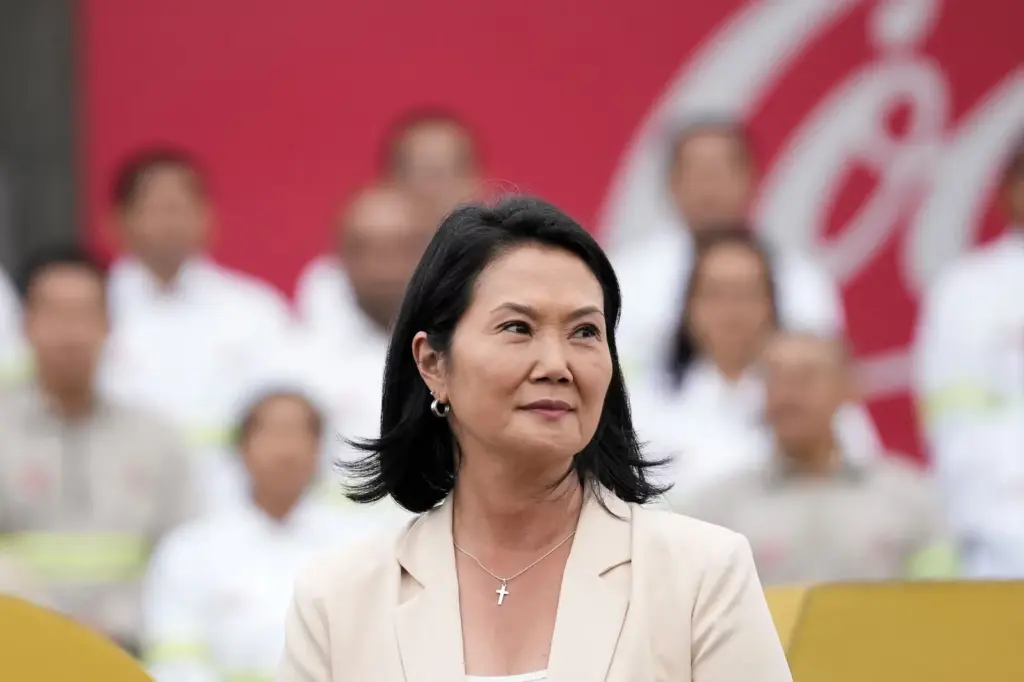
Chávez, sentenced to 11 years, five months, and 15 days in prison for being a co-author of the failed self-coup by former president Pedro Castillo in 2022, traveled in the early hours of Friday, in absolute secrecy. The three interim presidents (Dina Boluarte, José Jerí, and José María Balcázar) refused during these nine months to grant her safe conduct. It was the new administration of Keiko Fujimori that ended the delays, in one of its first significant decisions since arriving at the Palace less than two weeks ago.
“One of our objectives was to recover relations with Mexico. We will have a very institutional Government with absolute respect for the rule of law. When one acts in this way, political colors are not seen,” declared the president. The news has not received unanimous applause and has rather earned criticism from her allies. Congress members from right-wing political groups, inclined to form a bloc with Fujimorism, have openly questioned the decision.
Carlos Espá indicated that, as a result of the resumption of diplomatic relations, embassies will reopen in each country. “Then surely we will learn about the appointment of ambassadors and, above all, we will promote a series of initiatives, not only economic but also cultural, to demonstrate that our willingness to approach and strengthen our relations with a brother country like Mexico is genuine and important for both Mexico and Peru,” he pointed out.
Senator Lourdes Alcorta, from Popular Renewal and former member of Fuerza Popular, the ruling party, considers that there has been a concession “to the extortion and blackmail of the president of Mexico, Claudia Sheinbaum, who made the safe conduct a condition to reactivate relations.” Even Humberto Abanto, lawyer for the Fujimorist leadership, has stated that Peru should sue the Mexican State before the International Court of Justice for abusing some clauses of the Caracas Convention. “It must be prevented that the granting of safe conduct to Betssy Chávez is distorted in favor of the coup plotter Pedro Castillo, who is imprisoned for trying to dismantle our democracy and not for being a victim of any kind of political persecution,” he asserts.
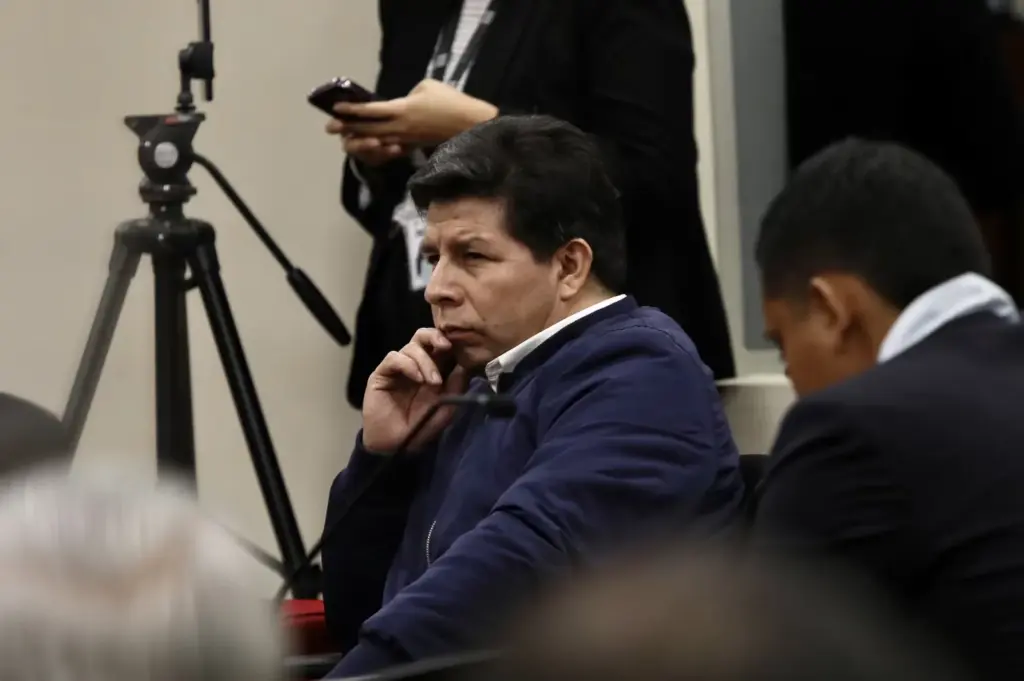
The Peruvian Foreign Ministry has indicated, through a statement, that the delivery of safe conduct does not limit the right of the Peruvian State to subsequently request the extradition of Betssy Chávez if legal conditions allow it. Keiko Fujimori has also dismissed that Chávez’s situation influences the release of Pedro Castillo, for whom President Sheinbaum once again advocated this Friday. “She is entitled to have that position. The Government’s position is that Castillo has a first-instance sentence and we respect the jurisdiction of the Judiciary.”
Read more House arrest in Argentina under Milei: between state neglect and a network that saves women
International relations expert Francisco Belaunde considers that the tensions with Mexico responded more to internal political pressures than to an evaluation of the permanent interests of the State. “It was a serious mistake to break relations with Mexico,” he says. “It was the right thing to do. It was done due to political pressures from the far-right part of the political spectrum, but it was not justified. Breaking relations with a Pacific Alliance partner, a country with which we have had many historical ties, was nonsense.”
Regarding the Chávez case, Belaunde maintains that the current outcome simply applies the rules of international law that Peru had decided to postpone for months. “What Mexico did was comply with the Caracas Convention. Normally, asylum would not have been granted to this lady, but the final word is with the host country and there was nothing to object to. It should have been granted from the start. Fortunately, the current Government decided to restore relations. What matters is that the interests of the State have prevailed over the ideologized voices that did not consider the national interest.” In his view, the next step should be to reactivate the Pacific Alliance, one of Latin America’s main economic integration mechanisms.
However, the reconciliation leaves loose ends. One of the main ones is the migration regime. In 2024, amid the diplomatic escalation, Mexico reinstated the visa requirement for Peruvian citizens, ending a free entry system in place since 2012. Peru initially responded with a similar measure, although it withdrew it a few days later due to the impact it would have had on tourism. So far, neither Government has reported whether the removal of that requirement was part of the negotiations that allowed the relationship to be restored.
For Belaunde, the new stage should develop on much more pragmatic bases. “It will be a relationship of respect, not necessarily warm. Let’s hope that Mexico does not again comment on internal Peruvian matters.”