






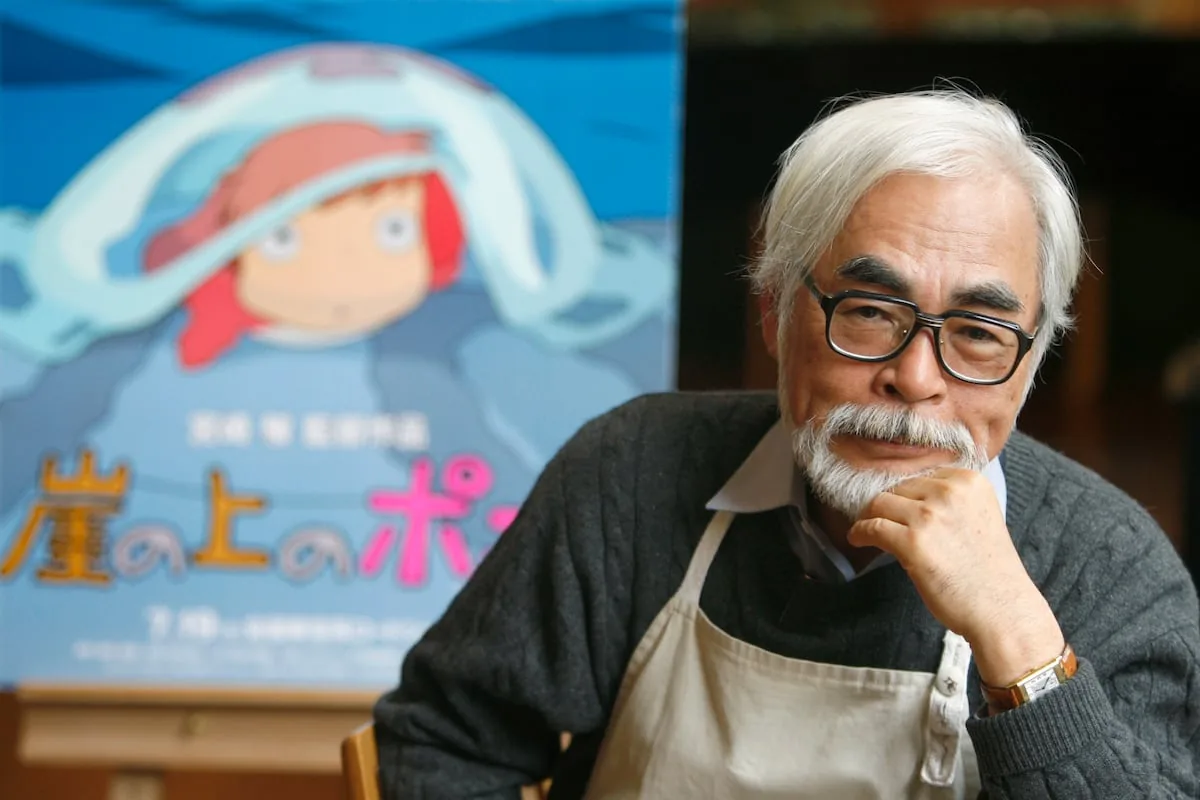
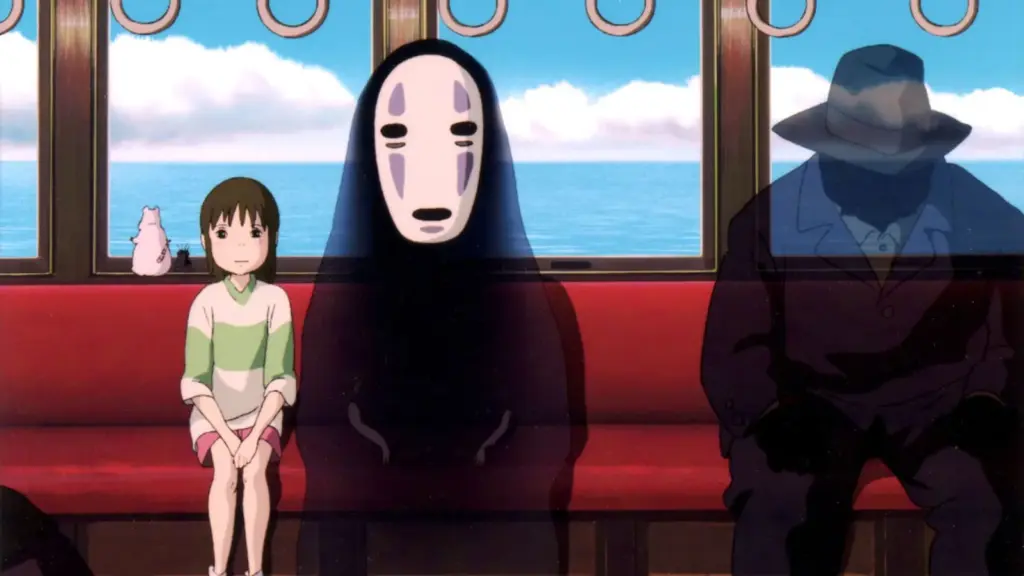
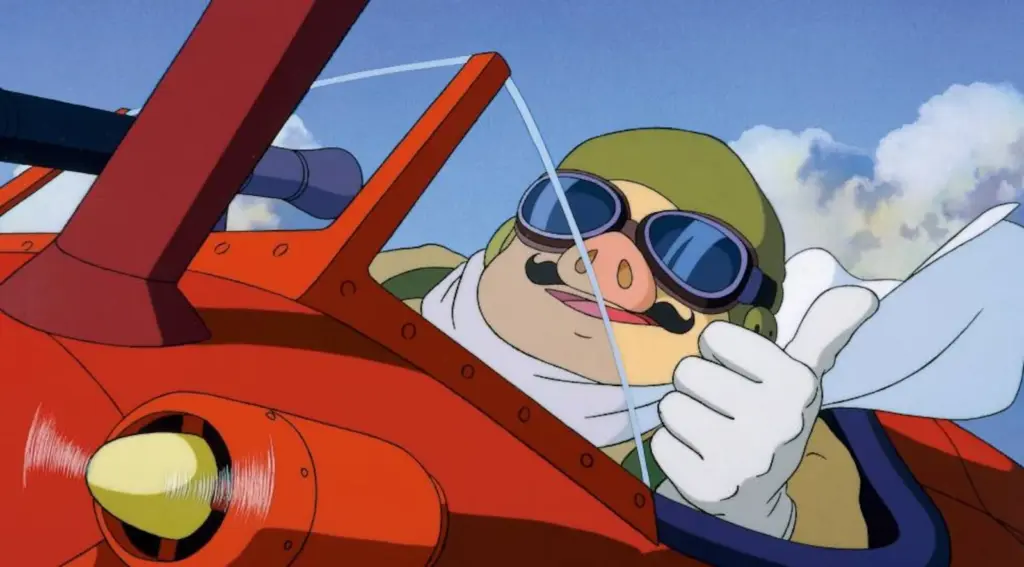
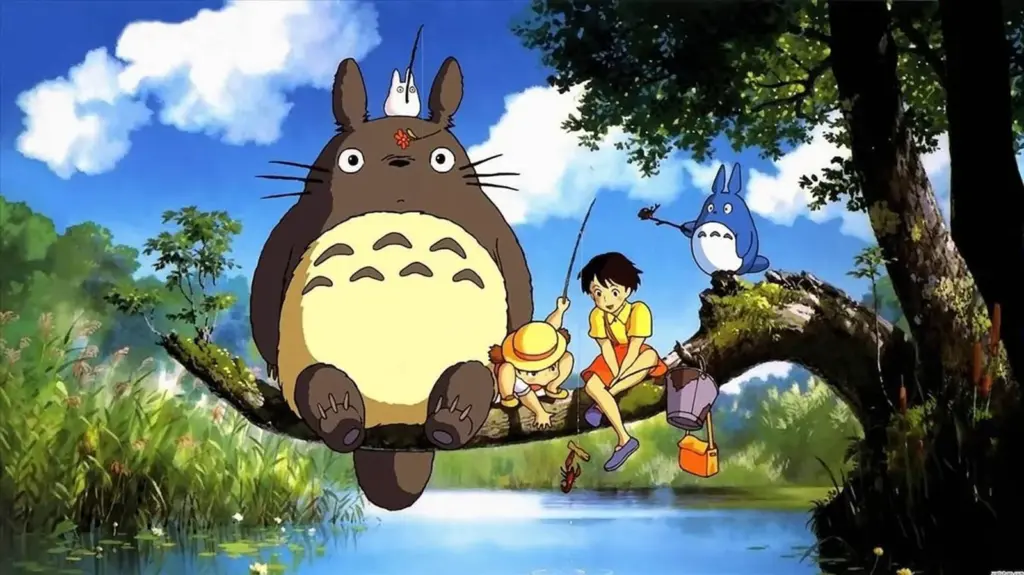
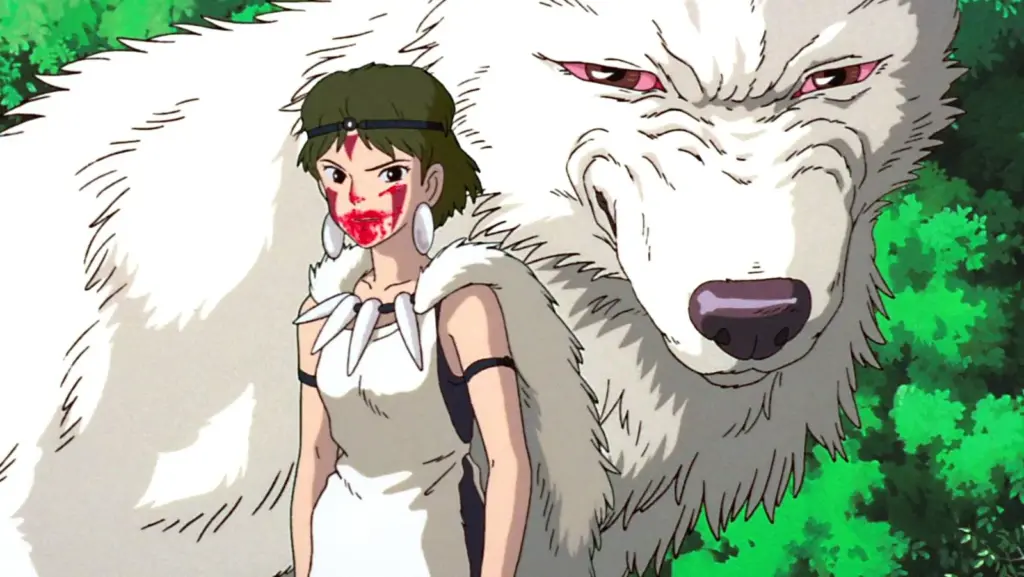
Studio Ghibli, the most famous animation studio in the world outside Hollywood, the cradle of the masterpieces of Hayao Miyazaki and Isao Takahata, is the winner of the 2026 Princess of Asturias Award for Communication and Humanities. Beyond its impressive contribution to the world of cinema and art in general, Ghibli has always been extremely careful to highlight values such as love for the environment and a rigorous affection for creation that makes this company an undisputed deserving recipient of the award in this category. Among the studio’s gems are Princess Mononoke, Spirited Away, Porco Rosso, My Neighbor Totoro, Ponyo on the Cliff and The Wind Rises, by Miyazaki; The Red Turtle, by Dutch filmmaker Michaël Dudok de Witt, the only non-Japanese to have directed for Ghibli, or <iGrave of the Fireflies and The Tale of the Princess Kaguya, by Takahata.
Read more United States and Iran negotiate a proposal to end the war and finalize key issues in 30 days
The jury, chaired by the director of the Prado Museum, Miguel Falomir, highlights in its reasoning the “sensitivity” and “humanist values” of the studio’s creations, which have also “exceptionally transformed creativity into knowledge and communication.” “Through a highly imaginative artisanal process, it has created universal stories full of sensitivity and humanist values: empathy, tolerance, and friendship, as well as respect for people and nature. Its films transcend generations and borders, and are a reference for the challenges of globalized society and environmental protection,” the statement read aloud this noon in Oviedo emphasizes.
In recent editions, recipients of this award have included philosopher Byung-Chul Han (2025), Franco-Iranian cartoonist and filmmaker Marjane Satrapi (2024), and Italian philosopher Nuccio Ordine (2023).
In reality, behind Studio Ghibli, alongside the mentioned directors, there was a third mind, the thinker beyond artistic creation, the locomotive that drove its birth: producer Toshio Suzuki thought it was necessary to keep the creative team of Nausicaä of the Valley of the Wind (1984) together, and in 1985 founded the studio with Miyazaki and Takahata. Many legends surround the choice of the name Ghibli, which Italian combat pilots in World War I used to name a hot wind in Libya coming from the Sahara. They found the money in Yasuyoshi Tokuma, an old-fashioned businessman, owner of an entertainment empire. His death in 2000 pushed Ghibli to seek financial independence, which it achieved in 2005, though with a precarious balance. In 2014, it closed its doors, at least in the production section, after Miyazaki’s first retirement (he is currently 85 years old). The machinery restarted in 2017. Since then, they have only released Earwig and the Witch (2020), by Gorō Miyazaki, and The Boy and the Heron (2023). Takahata, the only one Miyazaki considered his equal, his friend since their beginnings and his great professional stimulus, passed away in 2018.
Suzuki also understood that Ghibli’s future depended on the worldwide distribution of its works and offering new experiences to its numerous fans. The Ghibli Museum opened in 2001, and since November 2022 there is also a theme park. In September 2022, it was announced that the Nippon TV network had acquired 42.3% of Ghibli’s shares, guaranteeing its financial future, and the agreement included its artistic independence. Suzuki, the only one who contradicts Miyazaki, influences his decisions, and even suggests topics for future works, has sought to protect the future.
The Boy and the Heron (2023), Miyazaki’s twelfth feature film, has been the studio’s latest production. Junichi Nishioka, one of Studio Ghibli’s vice presidents, said in 2022 that Miyazaki continued his routine of arriving at the studio at ten in the morning and starting to work on an idea, a thread from which his next film emerges. “It is the only way he can live. He cannot change now,” said Miyazaki’s eldest son, Gorō, who was once considered a possible successor until the low quality of his films sidelined him from the creative process.
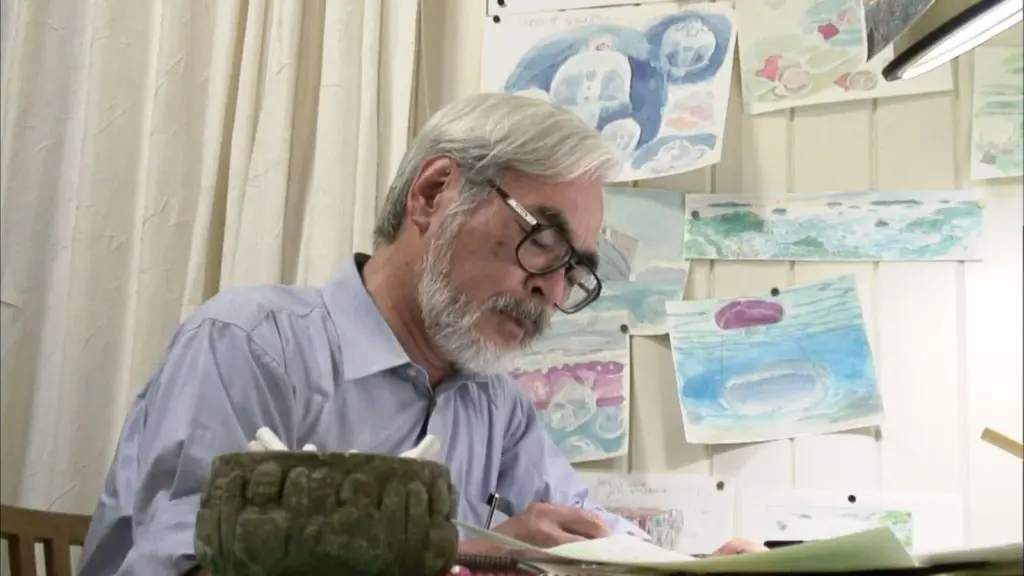
Miyazaki’s work is strongly marked by the artisanal side. In the book Living with the Endless Man, by American Steve Alpert, the first gaijin (non-Japanese) to work at Studio Ghibli, and from a privileged position as head of international sales from 1996 to 2011, he said: “He draws the storyboards, which at Ghibli are called ekonte, and there they become a combination of storyboard and graphic script, a complete menu for each film. Miyazaki divides the ekonte into five parts: A, B, C, D, and E. They are not like acts in a play, but each part was approximately 20% of the film. When a film was announced, Miyazaki had already done A, with splendid images and all details, and most of B was in his head […]. The film started production when Miyazaki began drawing part C.” Usually, doubts began in part D. And with no idea how to end, “the process slowed down to a trickle.”
Among the awards won by Ghibli, it is worth noting that Hayao Miyazaki won, with Spirited Away, the first Oscar for an animated feature awarded to a non-American film, and the first Honorary Palme d’Or to a production company in 2024. Miyazaki received the Honorary Golden Shell at San Sebastián in 2023 and the Honorary Oscar in 2014.
Also impressive is the incredible number of fans he has gained worldwide: there are podcasts and books even with recipes for food appearing in his films. So much so that OpenAI recognized in April 2025 that its Imagen tool had exceeded all expectations because millions of users had used the new tool to recreate family or historical photos in the studio’s style.
Of course, the list of artists influenced by the Ghibli style is equally overwhelming. At the 2023 Toronto festival premiere of The Boy and the Heron, Mexican filmmaker Guillermo del Toro explained: “Miyazaki is a man with exquisite technical skill, but who has also decided to entrust us with his most intimate biography through his work. I am sure it is much easier to know him as a human being by watching his films than by taking a long road trip with him. That is the mark of a true author. There is a confessional and daring aspect in his films. The structure is not limited by the Western Aristotelian order of three acts with an introduction, climax, and resolution… He does not do it that way. Miyazaki proves, again and again, that it is not about leaving you ecstatic, but about telling the sweet and bitter of life. Loss, love, beauty… all at once.” Paco Roca, cartoonist and film director, also said when Miyazaki’s latest film was released: “I remember watching Heidi as a child, when I didn’t know, of course, who Miyazaki was or that he worked on it, and feeling the pleasure of seeing life drawn. You saw how they spread melted cheese on bread and that evoked emotions like peacefulness. That is why Miyazaki is the master of costumbrismo, with a mindset completely different from the West, very animist. When I drew Wrinkles I thought about how he would do it.”
Read more Sabadell opens a new chapter with Armengol at the helm and after signing peace with BBVA