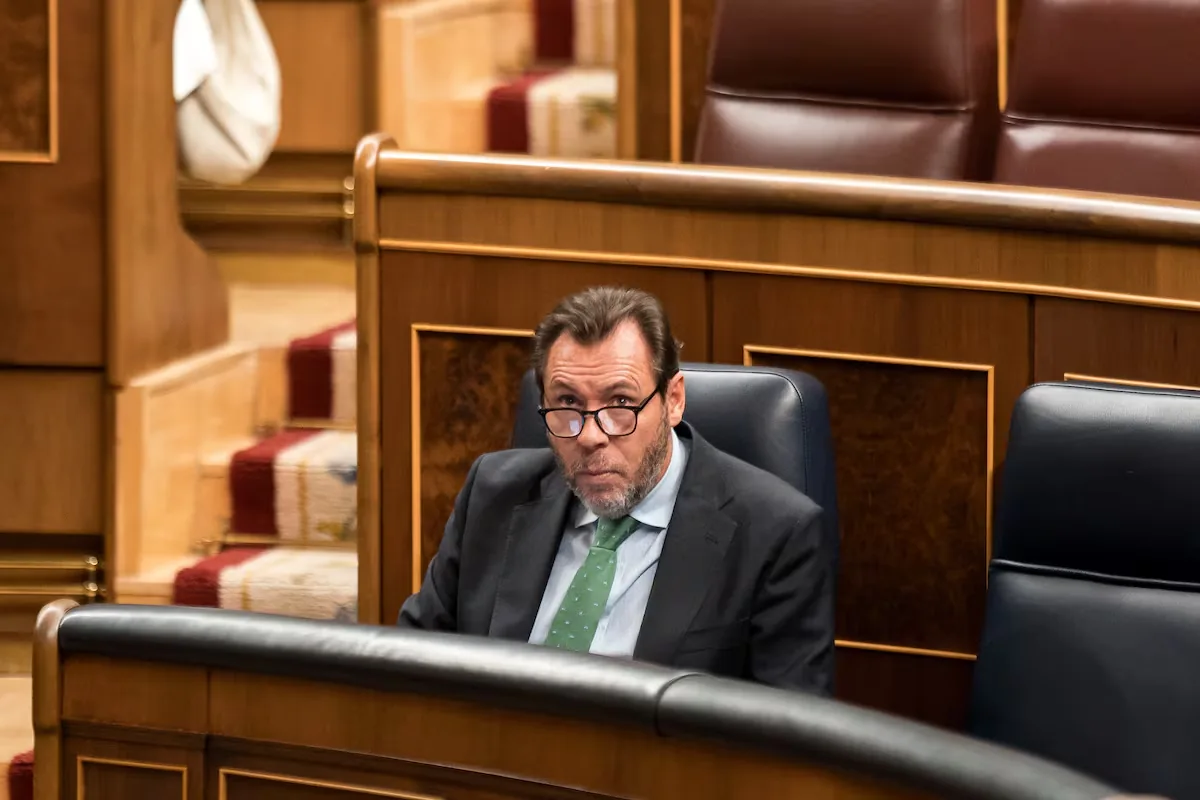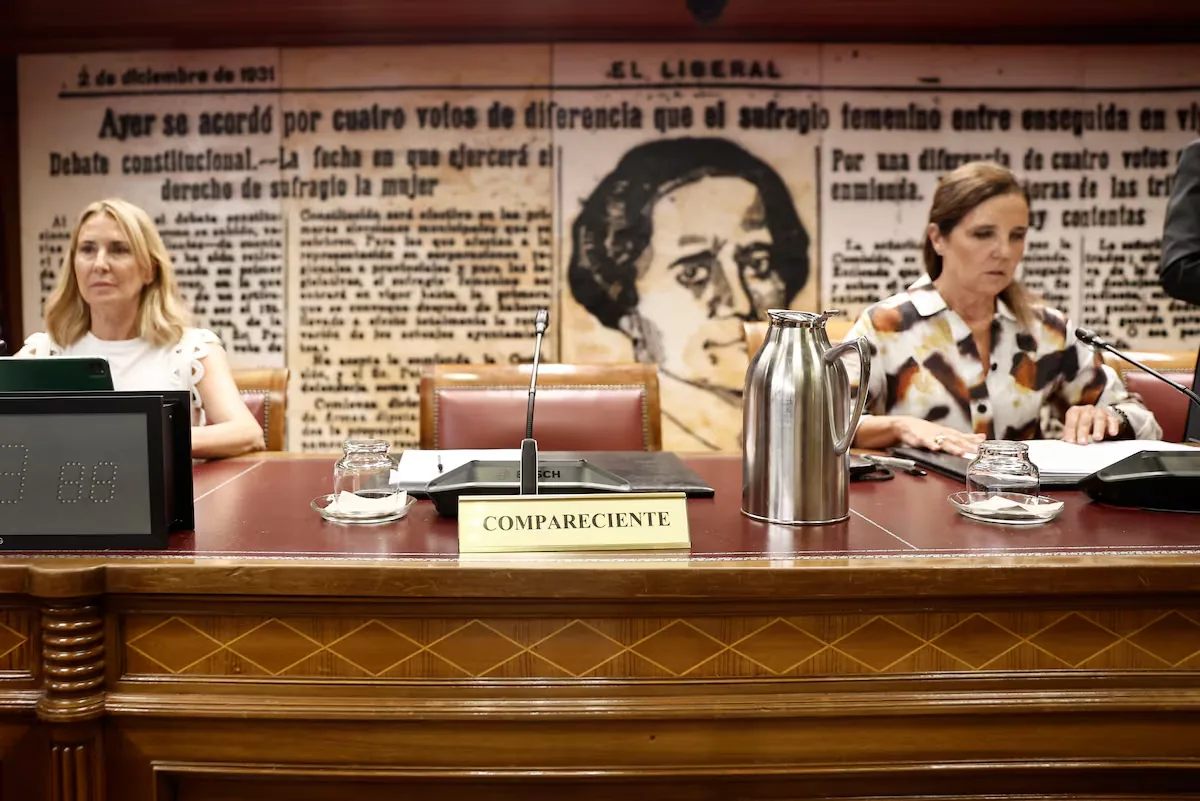
Foreign Minister José Manuel Albares also did not attend the Senate on Monday to explain the situation in Ceuta. The scenario and background were repeated again as five days ago, when the Interior Minister, Fernando Grande-Marlaska, was summoned. An empty chair, that of the minister; the chairwoman of the commission, in this case the Popular Party’s Pilar Rojo, denouncing the marginalization of the upper chamber in its role of government oversight; and senators from three right-wing parliamentary groups, PP, Junts, and Vox, repeating the same question without the possibility of an answer due to the empty echo left in the room by Albares: “What failed on July 30 that did not fail on August 15?”. PSOE senators also did not attend.
Read more Chess analysis | Carlsen’s fullness (XVIII)
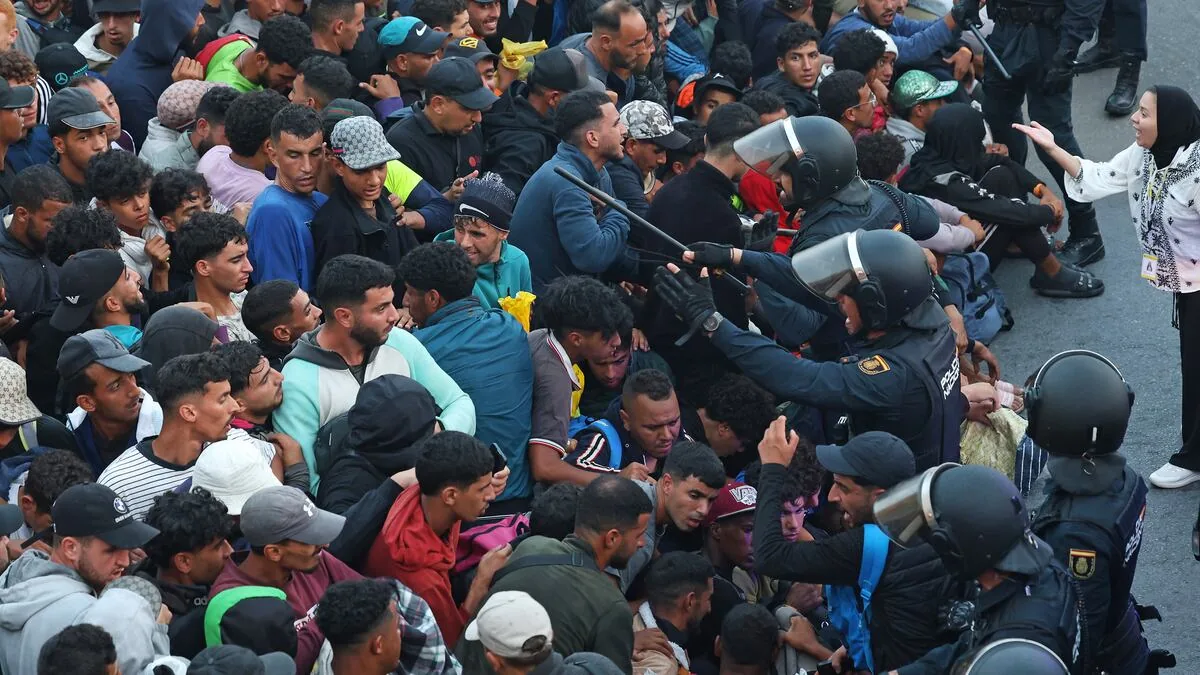
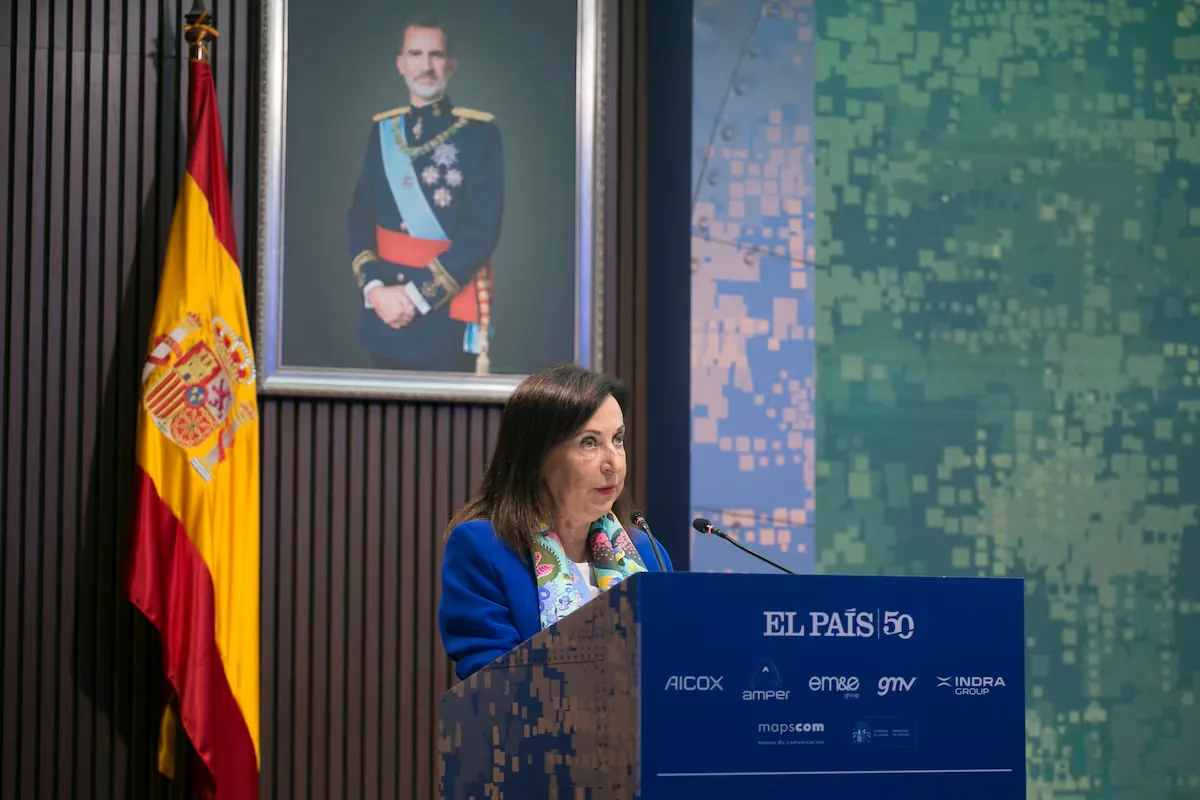
The PP does not relent in its effort to have several ministers from Pedro Sánchez’s Cabinet appear in the Senate this August to be questioned about the origin and consequences of this crisis that caused the massive and uncontrolled entry into Ceuta on July 30 of about 80,000 people. Marlaska was summoned on August 12, Albares on Monday, and Defense Minister Margarita Robles will be summoned on Tuesday. The Government, through its Secretary of State for Relations with the Cortes, Rafael Simancas, has clarified that the ministers will appear in the Congress at the end of the month and when they have more information. The Executive maintains that the Congress is a chamber prevailing over the Senate, something that is not legally so clear regarding the control of its members by the opposition and that the PP uses at its political convenience because it enjoys an absolute majority there.
The chairwoman of the Senate Foreign Affairs Committee, Pilar Rojo, waited up to six “courtesy” minutes around 11:00 to confirm, as had been anticipated by the Government, that Albares would not attend the summons. The PP wanted to justify the urgency of the summons due to the bad image of Spain and the European Union internationally caused by what happened in Ceuta on July 30, which Rojo again labeled as an “invasion.”
The Popular senator emphasized denouncing with “concern” Albares’s absence from the Chamber as another step by Sánchez’s Executive in its strategy of abandonment and marginalization of the Senate “without any justification” and without fulfilling what it understands as a “legal obligation” marked by Article 110 of the Constitution and Article 66.2 of the institution’s Regulations. Rojo was the first to anticipate that now the Board of the upper chamber, controlled by the PP, could study actions against Albares.
The PP spokesperson, Senator José Antonio Monago, elaborated on the political consequences of the empty chair left by Albares but ignored that snub to pose to the absent minister a series of questions his party has been asking for days. The fundamental one, which he reiterated again and again and was later supported by senators from Junts and Vox, referred to the differences between what happened in Ceuta on July 30 and what was seen in that autonomous city on August 15: “If it was possible to prevent it on August 15, why was it not done on July 30?”.
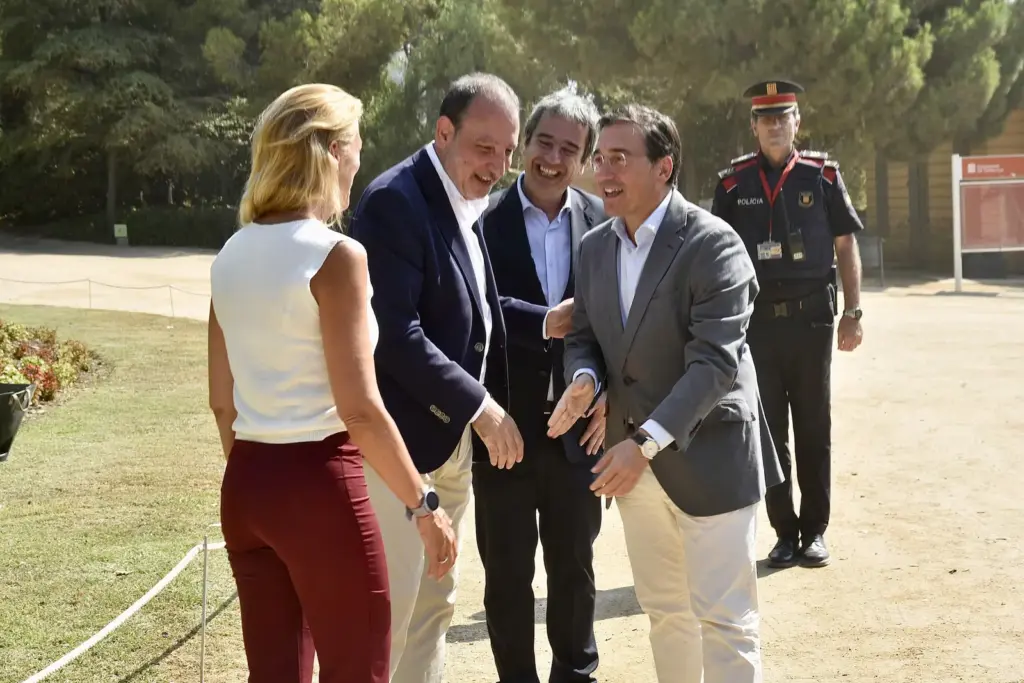
Monago emphasized there that Morocco was indeed able on August 15 to prevent “another massive avalanche” and “showed its capacity to control the border when it decides to do so,” so he demanded that Albares, Sánchez, and the central Government explain the differences between both actions of the neighboring country. The PP senator asked Albares what failed on July 30 and there he linked all kinds of questions about what the minister knew, asked or did not ask his Moroccan counterpart with whom he says he has so much dialogue, what the CNI transmitted or did not transmit to them, to end with the presumption that the Spanish Government might be negotiating in exchange with Rabat so that the scenes seen at the Ceuta border on that fateful day do not happen again.
The PP senator accepted there was a “preventive success” against the warnings of planned incursions on August 15 but rejected that this can be classified as a “demonstration of effectiveness” by the Spanish Government and also denied that now it can or should be talked about a return to normality. The Populars want to know “figures and data” about everything related to that massive entry, how many immigrants arrived, returned, stayed, are minors or asylum seekers.
The PP positions were supported, with nuances, by Junts and Vox. Junts senator Eduard Puyol was especially harsh about Albares’s absence in the face of the evident problem that arose in Ceuta, which he understands is not a local issue but a European one, and therefore transcends and matters to Catalan nationalists and separatists. Puyol, in fact, took the opportunity to highlight that his party, “which does not like the Spanish State at all,” was the only one truly representing Catalans in the session and there he lashed out at Sánchez’s Government for not knowing how to manage or doing so with “naivety” the immigration issue and showing everyone that the Ceuta border was “overwhelmed” and was left “vulnerable” because of them.
The push of the Catalan nationalist Puyol in defending Spanish sovereignty over Ceuta was such that he felt obliged to clarify that it was not a “local patriotic defense” but a concern about the insecurity and fear that the images of the entry of thousands of immigrants may have caused and about the consequences that this lack of control may later entail in territories such as Catalonia.
Vox senator Javier Alonso denounced that socialist parliamentarians did not attend the session, of whom he boasted they were more interested in the solar eclipse, and demanded that the Government of the “traitor Sánchez” “put the dots on the i’s” to Morocco, a country he placed on the international map as a “narco-state” on the level of Venezuela. Vox again insisted that, given the deliberate inaction they attribute to President Sánchez in this crisis, he should be prosecuted for treason.
Read more Gisela Pulido recovers from a serious accident training in Tarifa