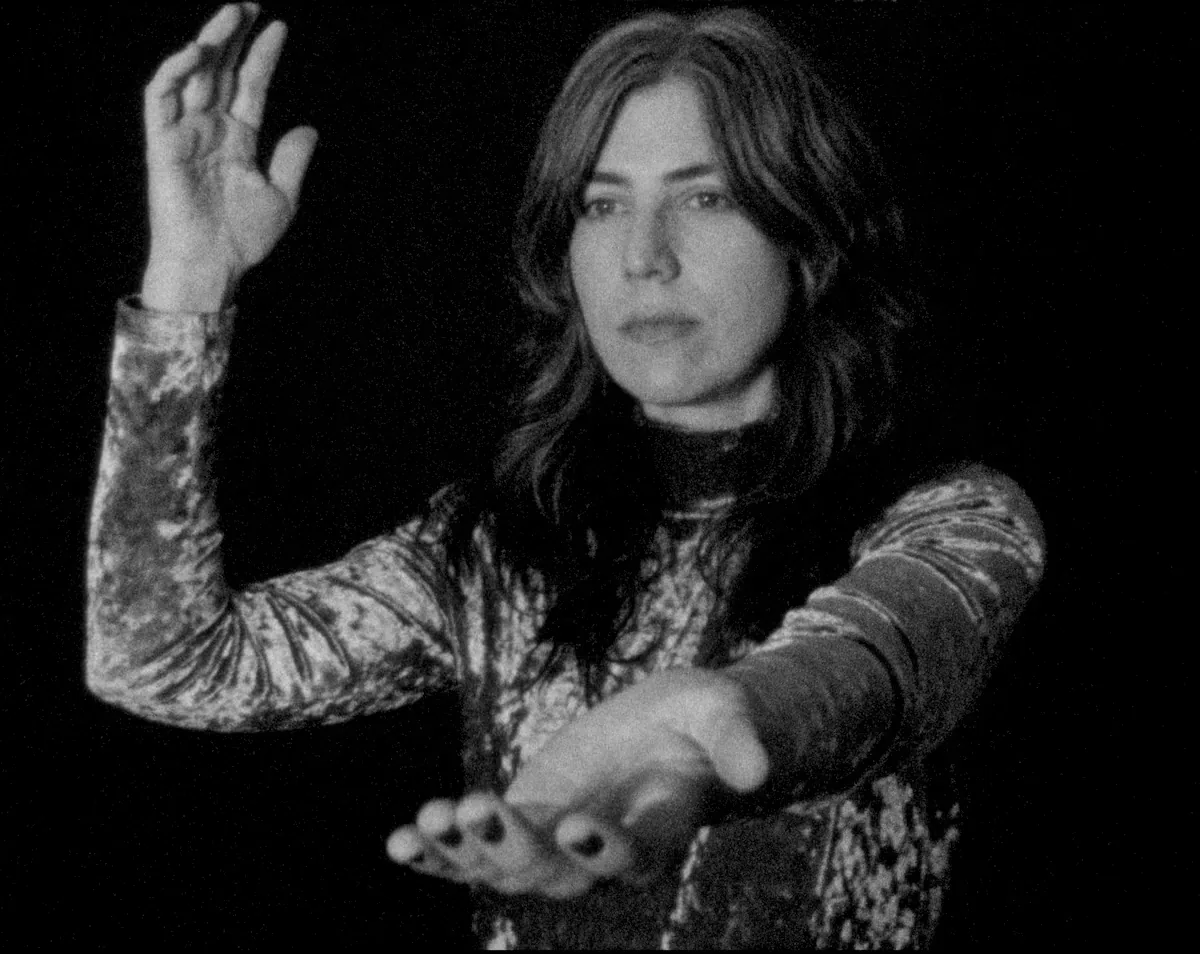






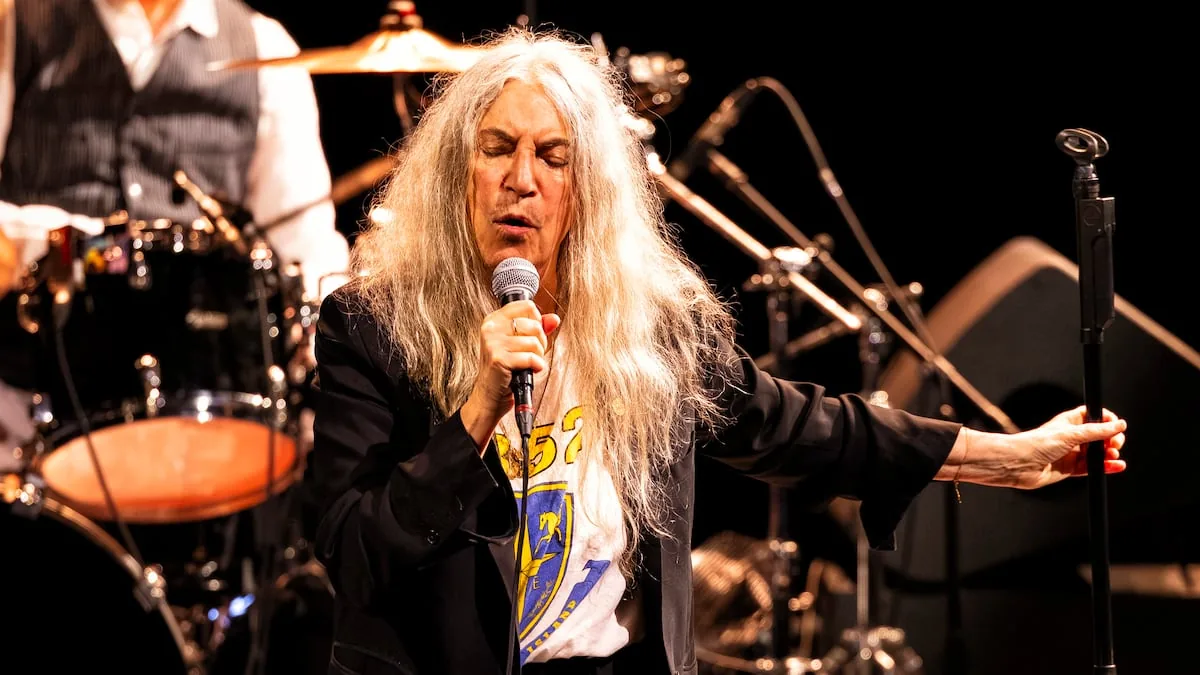
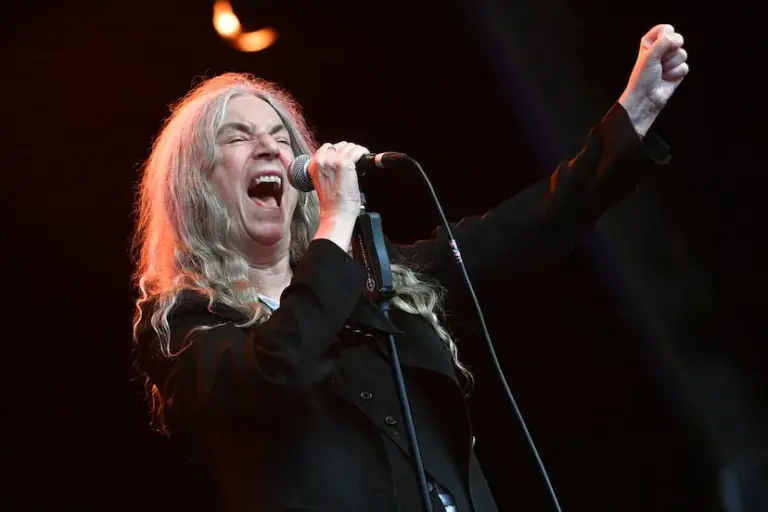
We recently have an unforgettable image of Patti Smith. A scene to remember forever because that concert she gave in October 2025 at the Teatro Real in Madrid was exquisite and summarizes the qualities of a creator who this Wednesday was awarded the 2026 Princess of Asturias Award for the Arts. She came on stage dressed as Patti Smith: black pants, boots, a white t-shirt, a dark jacket, and her hair proudly grayed. She was celebrating the 50th anniversary of her masterpiece, Horses, and performed it in full, but at the same time many things happened that night: a brave, reivindicative, poetic, beautiful recital. And punk: she even spat on the stage (of the Teatro Real!) in the fervor of People Have the Power, one of her most emblematic songs. It was a compendium of how much Smith (Chicago, 79 years old) represents. By the time the recital ended, the 1,600 spectators who filled the venue would have given her the Princess of Asturias, the Nobel, and even the keys to their homes.
Read more Man arrested after stabbing two people in a predominantly Jewish neighborhood in London
The Princess of Asturias jury highlighted: “A performer with a vigorous style, she has captured the rebellion of the individual in society in pulsating songs, some of which are already icons of popular music of our time. As a writer, she has conveyed a poetic vision of life, committed to offering a message of hope against injustices. With a nonconformist and transgressive attitude, an example for many artists, she has moved listeners and readers worldwide and continues to inspire new generations.” Among the members of this jury are choreographer María Pagés, actor and theater director Josep Maria Flotats, musician Christina Rosenvinge, and photographer Isabel Muñoz.
Perhaps it is worth remembering right now that Patti Smith made an unusual decision in the music world of the time, and even today uncommon: after four albums, in 1979 she moved from New York to Detroit to start a family with her great love, Fred Sonic Smith, guitarist of the essential MC5. She spent almost 10 years attending to her family (two children), away from the public eye, although she did not abandon poetry, drawing, and songwriting. But in private, while watching her family grow. In 1988 she returned with the album Dream of Life.
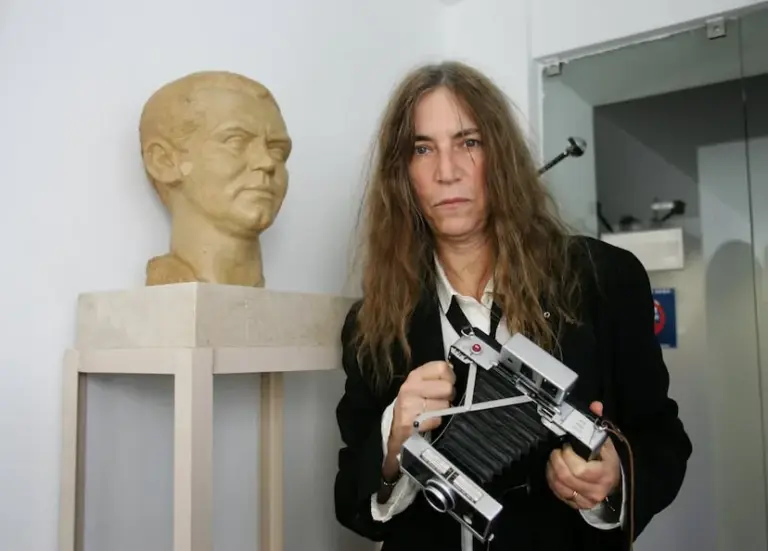
She was never an easy artist to categorize, and that honors her in such a monolithic cultural framework. She moved fluidly between music genres, poetry, photography, and visual arts. Smith has published about ten books and as many albums, which have received awards and recognitions. She holds, among others, a National Book Award, a Medal of the Order of Arts and Letters of France, and an honoris causa from Columbia University. The author is also famous for her activism, against wars, in favor of Palestine, or, among other causes, to prevent the destruction of the gardens on Elizabeth Street in New York. Last year she published in Spanish Pan de ángeles, her definitive memoirs.
“Writing is solitary. Performing is the opposite: it is collective, it is electric, it is communion. I love both, but they come from different parts of myself. When I write, I am building something in silence; when I perform, I am sharing what I have built. I could not live only as a performer. Writing keeps me grounded; it is where I understand things. Performing is where I celebrate them,” she told EL PAÍS SEMANAL last October.
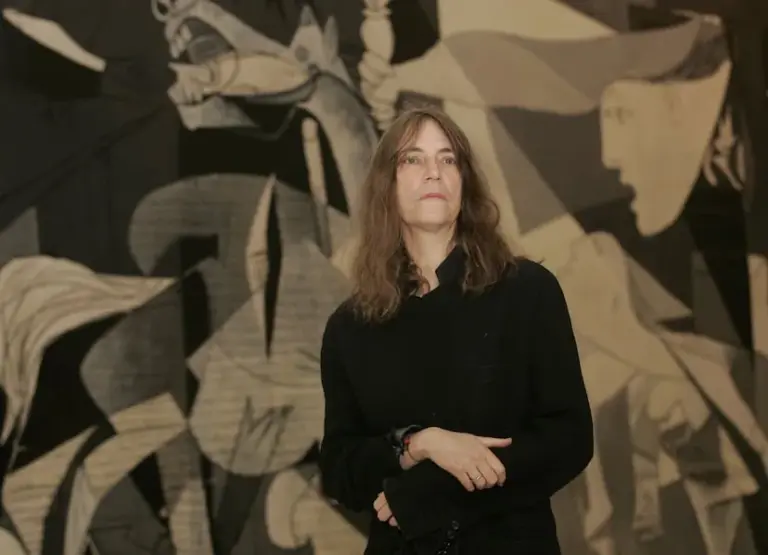
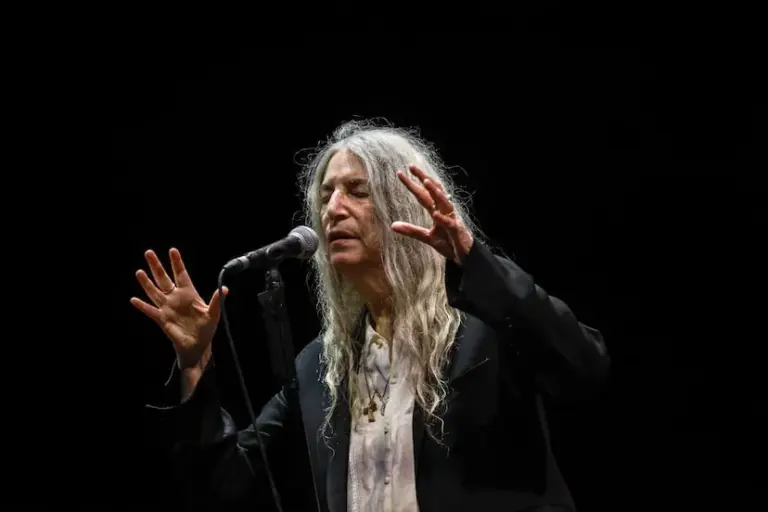
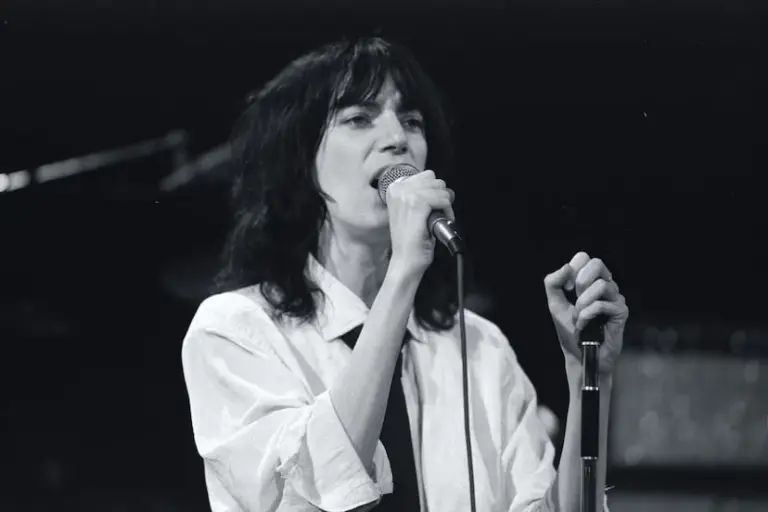
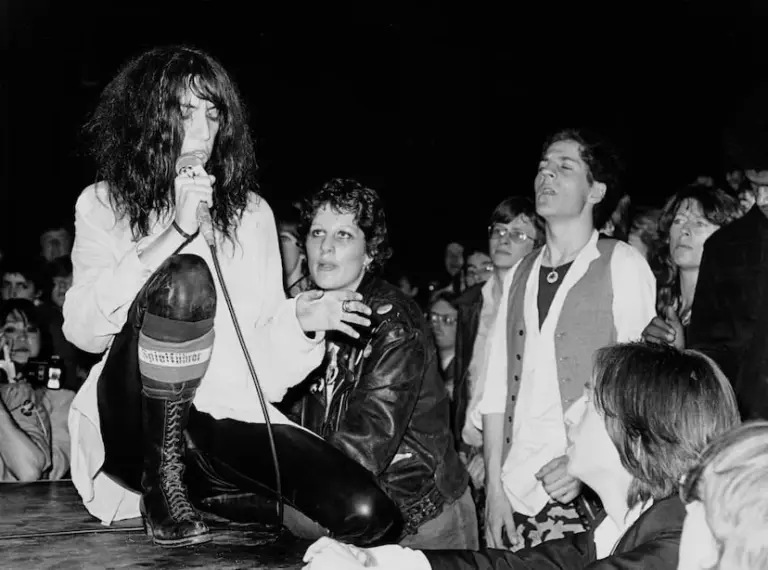
Smith grew up as the eldest of four siblings in a humble family. Her mother was a waitress and her father a machinist, but both had artistic inclinations. She was raised as a Jehovah’s Witness, started working at 10 years old, between fields and babysitting, and moved twice in her youth with her family: from her native Chicago to Philadelphia and then to New Jersey. She discovered poetry at 16, thanks to Les Illuminations, by Arthur Rimbaud, whom she has adored ever since. She became a fan of Bob Dylan when her mother saw Another Side Of Bob Dylan (1964) in a store and gave it to her. Later, Dylan would become a fan of hers.
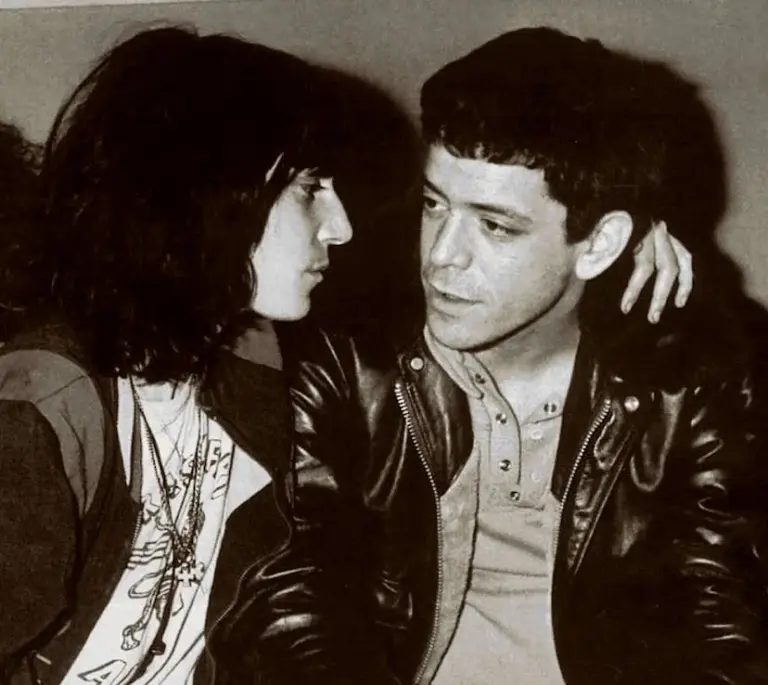
At 19, she became pregnant by accident, was expelled from university, and ended up giving her baby up for adoption. Faced with so many difficulties, she has said on occasion that she had the revelation that she would be an artist, and things would get better. So she went to New York, with no money or certainties, and set out to make a living: composing poems, writing music reviews, taking photographs, working as a waitress. It was the New York of punk. And she met photographer Robert Mapplethorpe, first her friend, then her lover, and always her creative partner. Together they formed an unrestricted artistic partnership. Anything was valid as long as it moved both of them. Whether it resonated with the public was another matter beyond their control.
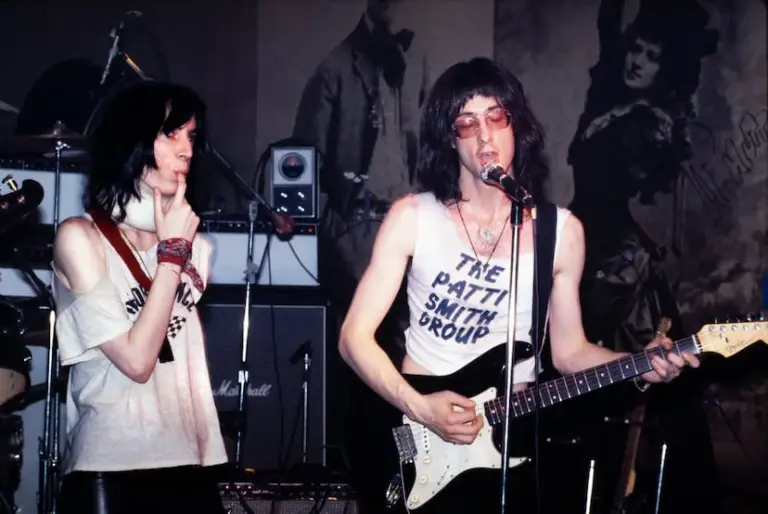
It is known that her first concert took place in 1971 in a church. She and guitarist Lenny Kaye improvised over distorted sounds and poetry inherited from the beat generation. On that occasion, she recited “Jesus died for somebody’s sins, but not mine,” which opened her debut album, Horses. Kaye, by the way, still plays with her after 55 years, in one of the longest and most fruitful partnerships in rock. Mapplethorpe was the author of the famous cover of Horses, an androgynous black-and-white image of her, with a defiant look and posing “like Sinatra” with the jacket over her shoulder. The album was released in 1975, when punk began to emerge, and she was classified within that movement. Her defiant attitude fit perfectly with the movement: Smith kicked amplifiers and spat at the audience, but her poetic flight went far beyond the pogs organized at CBGB, the New York club where the movement was forged.
She continued releasing interesting albums until her retirement with her family. In 1994, her husband died at 46, which caused her a deep depression. It was thanks to friends like Michael Stipe, leader of R.E.M., that she managed to return to music. It is worth reviewing her albums from the 2000s, overshadowed, like almost all her discography, by the overwhelming impact of Horses. But works like Trampin’ (2004) or Banga (2012), the last one, contain those poetic and fierce pieces so characteristic of her.
Today Patti Smith, widow, mother, and grandmother, musical myth, total artist, lives tormented by the current world. It is not what she had imagined for the final stretch of her life. On a visit to Mexico a few years ago, she apologized to Mexicans for her country’s migration policies and never tires of saying: “Trump reflects the worst of us as a people.” No one will silence her, and she always sings when she takes the stage, and with more strength than ever: “People have the power.”