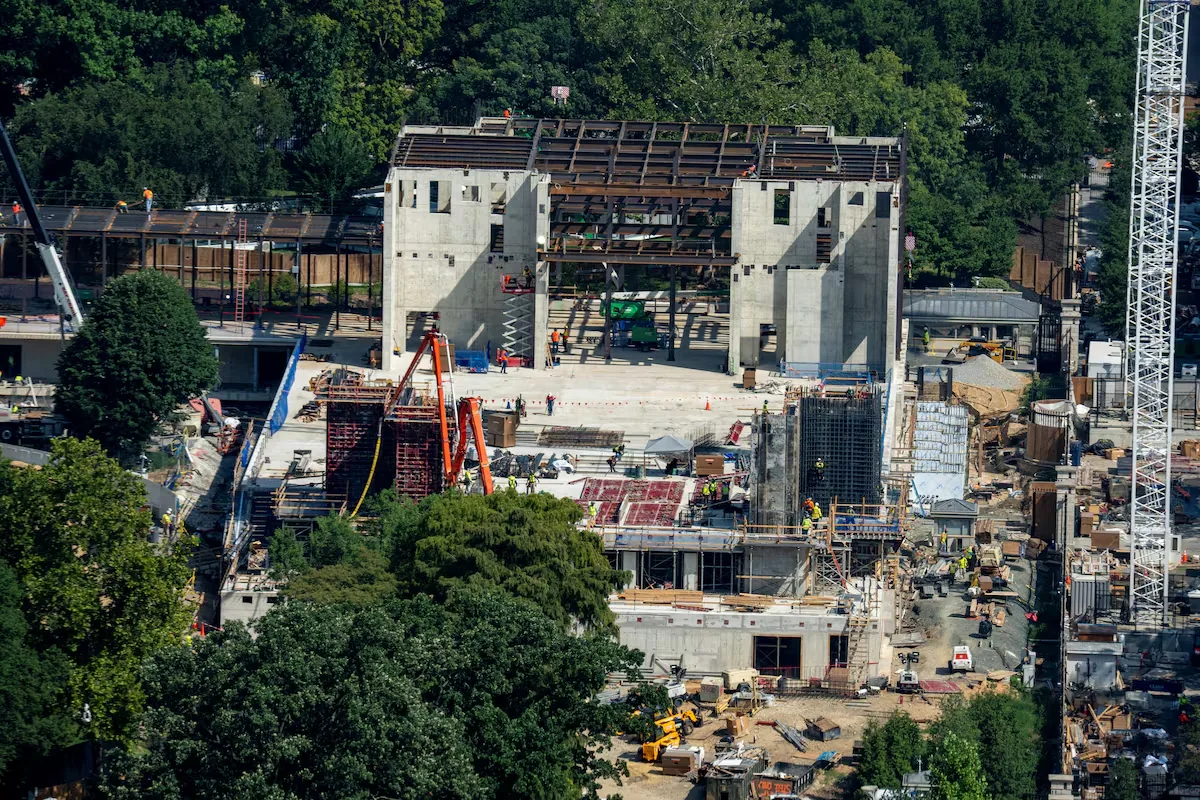
Donald Trump will be able to continue the construction of his gigantic ballroom at the White House peacefully. The Supreme Court authorized this Monday, by five votes to four, that these works definitively continue, after having issued a provisional permit last week while reviewing the case. The decision of the highest US judicial court reverses the decision of a lower court that would have halted construction above ground level.
Read more Petro begins his first visit abroad as former Colombian president in Mexico
The Supreme Court has rejected the lawsuit filed by the National Trust for Historic Preservation, considering that the institution has not proven its status as an interested party. In its opinion, it has not demonstrated that it would be directly affected by the construction, a requirement that US law demands for filing this type of legal action.
The Foundation argued that the US president does not have the authority to order, at his own risk, the construction work that has demolished the East Wing of the White House and will rebuild it into an immense ballroom over an even more colossal underground bunker. The lawsuit maintained that Trump had to receive authorization from Congress before he could significantly alter the appearance of the historic building. The Trump Administration argues that the construction of the enormous complex is essential for national security.
Other lower courts had aligned with the Foundation’s arguments and ordered the White House on two occasions to stop the work. Both times these orders were provisionally halted, which allowed the works to continue. In fact, the work accelerated at a dizzying pace to reach a point where it was too advanced to be stopped, regardless of what the judges ultimately decided.
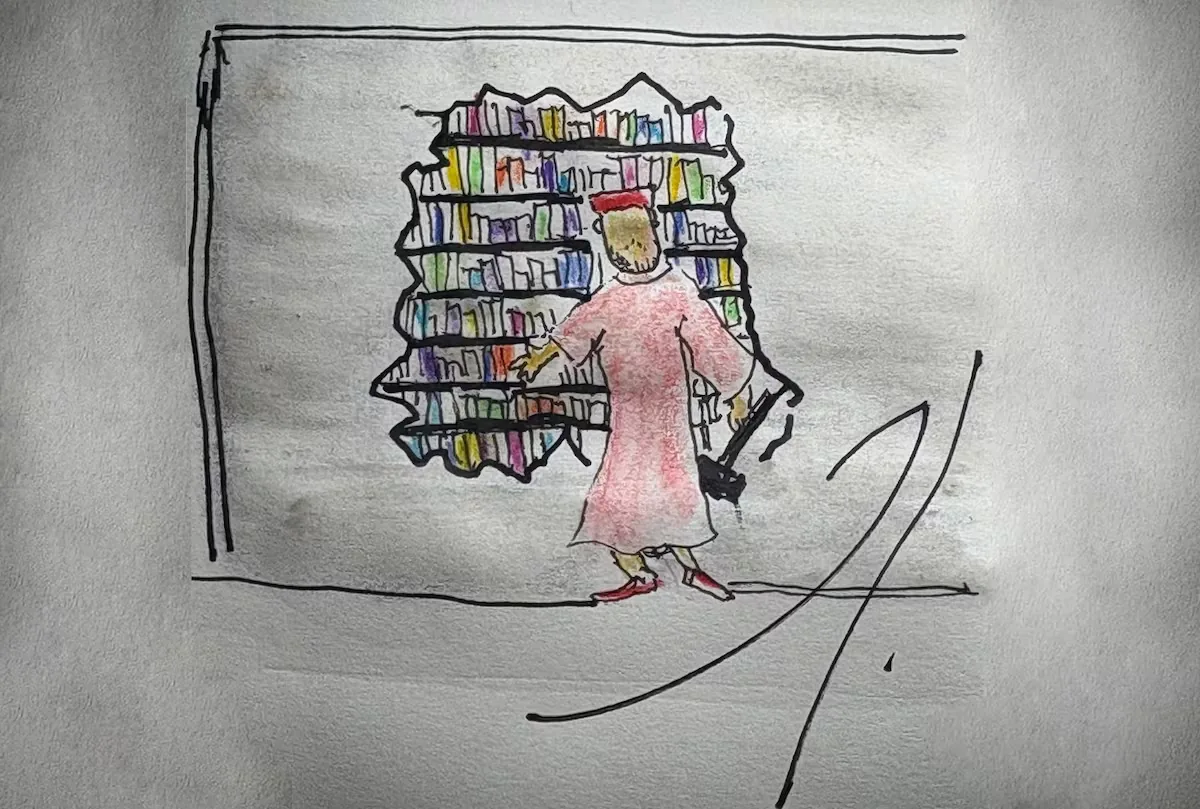
The case began last year when, without prior notification to Congress, Trump gave the order to demolish the East Wing. Work began in October. Within days, that part of the official residence of US presidents had become a large hole and a pile of rubble. The Republican had been showing anyone who wanted to see them the renders of his project, which he claimed was absolutely necessary for US leaders to receive other dignitaries and organize events in a sufficiently spacious place. He also maintained that the plan would not cost taxpayers a single dollar. He then assured that he and other private donors would pay the bill out of their own pockets.
Read more Up to three years before the first period: the signs that warn of future painful periods
During those early days, the president also swore that the full cost of the entire work would be around 200 million. Later he said it would be about 400 million, also funded by private donors. But contractor documents cited by the Washington Post indicate that the bill is about 600 million dollars, half of which will be paid with public money.
As the excavators widened the hole, it came to light that the project also included the military bunker. A five-story underground structure with missile-resistant columns and beams, which, according to Attorney General John Sauer, is built with the “most resistant cement that exists, the type that is used in nuclear power plants: waterproof and virtually indestructible.”
Citing Secretary of State Marco Rubio, the attorney insisted that what the Government considers an “absolutely fundamental” project must be allowed to continue, not only for the physical security of guests, but also so that the United States can advance its diplomatic relations and interests. Sauer also reinforced his position with words from the Director of National Intelligence, Jay Clayton: “Any delay substantially increases the risk of malicious actors collecting intelligence on the complex,” which would allow them to “destroy the facility more easily in the event of an armed conflict.”
For its part, the National Fund demanded that the White House obtain Congress’s permission for such a radical modification of what “is perhaps the most revered place in our country” and “property of the American people.” Its lawsuit only demanded that above-ground construction be halted, not underground: the bunker’s construction could have proceeded without problems.
Read more A clash involving the Army in Michoacán leaves at least two dead in Tocumbo