









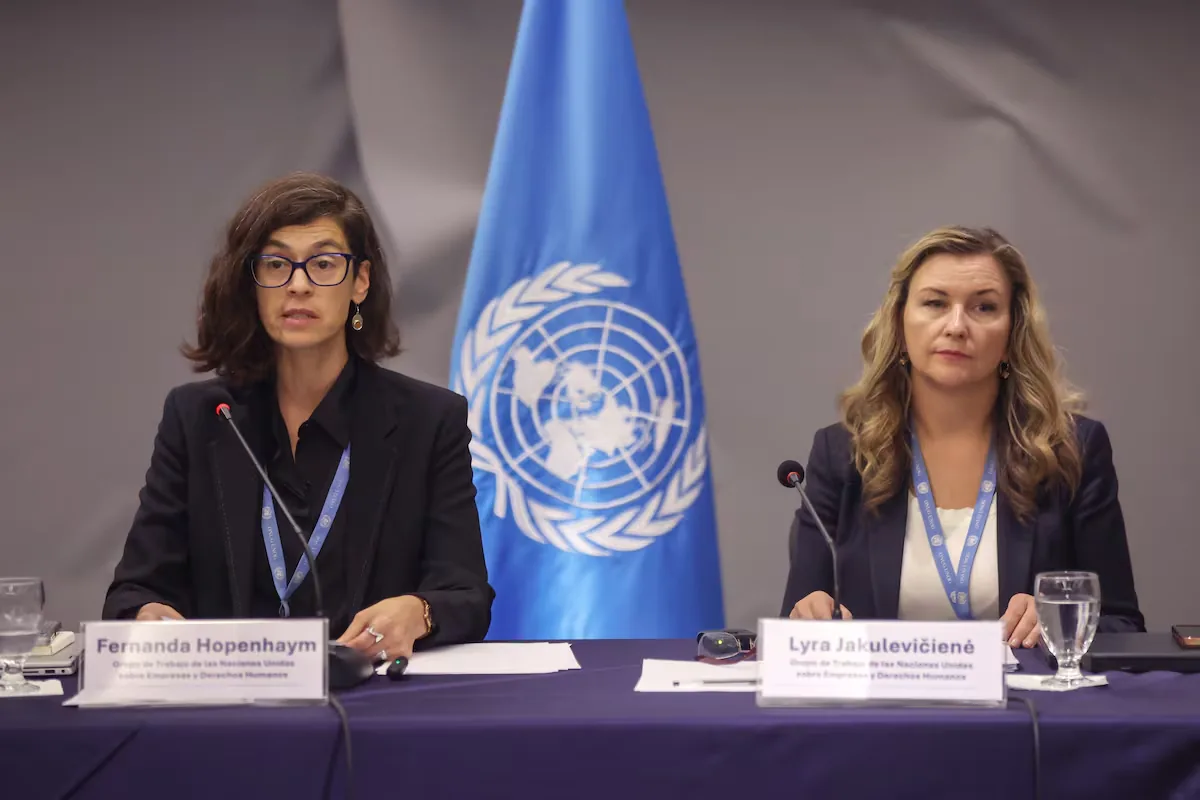
The United Nations (UN) Working Group on Business and Human Rights concluded its 10-day visit to Guatemala this Friday with a report on the treatment of those who oppose extractive, energy, and agro-industrial projects in the country. In their final statement, the experts affirmed that the widespread criminalization of human rights defenders is “alarming and must cease immediately.”
Read more Eat “real” bread again every morning: the appliance that kneads and bakes while you sleep
Another of the most striking findings of the report focuses on private security hired by companies. The Working Group expressed concern about the complaints collected during their stay regarding intimidation, excessive use of force, and the involvement of these agents in violent eviction operations, including the killing of defenders.
“Business activities continue to have negative impacts on human rights related to natural resources (…), as well as on the rights of Indigenous Peoples and labor rights. The widespread criminalization of human rights defenders is alarming and must cease immediately,” states the working group’s declaration.
According to the UN, activists, indigenous leaders, lawyers, and journalists have been judicially persecuted for their denunciation work against business activities, facing charges ranging from terrorism and illicit association to aggravated usurpation and extortion.
“The use of the judicial system as a weapon to attack human rights defenders and silence dissent is a matter of deep concern,” said the experts, who took the opportunity to ask the newly appointed Attorney General of the Public Ministry, Gabriel García Luna, to prioritize reviewing all cases linked to this practice.
The Working Group remained in the Central American country between August 18 and 28. During their stay, they met with the President of Guatemala, Bernardo Arévalo, with the Ministers of Labor, Energy, and Environment, local authorities, businesspeople, and civil society organizations, although they regretted not being received by representatives of Congress despite their repeated requests.
The declaration also points to a pattern of undue influence by the private sector over legislative, administrative, and judicial processes that, if not addressed, could weaken accountability and the enforcement of existing laws. Added to this is concern about the use of international arbitration mechanisms by companies against the State in disputes related to human rights, which according to the UN puts pressure on public finances and has a deterrent effect on regulatory decision-making.
Criticism of mining companies
On the environmental issue, the picture described by the experts is also critical due to pollution in most of the country’s water sources. “More than 90% of Guatemala’s water sources are contaminated, highlighting the urgent need for a legal framework that regulates water quality, access to it, and pollution control,” the document says.
Read more Rodolfo Londoño, the Catholic priest to whom De la Espriella entrusts his university policy
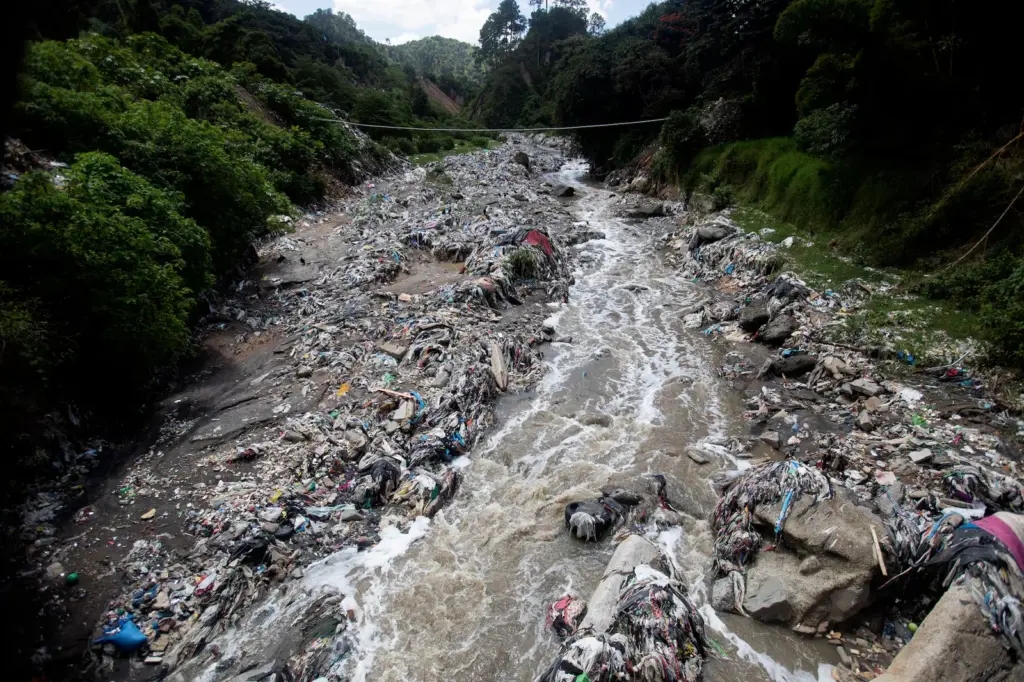
Part of the problem is attributed to mining activity, hydroelectric projects, monocultures, and the widespread use of pesticides. The Working Group visited communities and projects linked to the Marlin mine, located in the western part of the country, where they observed delays in infrastructure delivery and a lack of sustainable maintenance of water systems.
The report also addresses the rights of Indigenous Peoples, who represent about 44% of the Guatemalan population. The main finding was that community consultations provided for by ILO Convention 169 are rarely conducted before granting licenses and permits, which has generated conflicts and distrust among communities, the State, and companies. UN representatives requested clear guidelines to ensure free, prior, and informed consent in projects affecting indigenous territories.
In the labor field, the declaration collects testimonies about fatal accidents due to non-compliance with safety standards, extended workdays without adequate rest, child labor on agricultural plantations, and cases of workers whose social security contributions were withheld but never transferred to the authorities. The most cited sectors were palm oil, banana, sugarcane, and mining.
Few Government advances
Amid criticism of the different industries, the UN recognized the advances of the Guatemalan Government, including the recent Public Policy for the Protection of Human Rights Defenders (2025-2035), measures against forced labor and human trafficking, and progress toward a future National Action Plan on Business and Human Rights. The experts also highlighted that a considerable number of local companies have begun adopting internal human rights policies and establishing dialogue channels with communities, even in indigenous languages.
However, the overall assessment of the organization is that these efforts are insufficient given the magnitude of the identified structural problems: institutional weakness, a judicial system with independence flaws, low tax collection, and deeply rooted inequality that disproportionately affects indigenous peoples.
“While the Government and companies have adopted a series of positive measures, the fulfillment of human rights in the context of business operations is, in practice, considerably limited by structural problems. More efforts are needed from state and private actors to ensure the full implementation of the Guiding Principles,” the report concludes.