







More than 200 people have already been killed by the United States without prior trial in the Caribbean and the Pacific since last September for their alleged involvement in drug trafficking. The symbolic mark was surpassed with the announcement this Saturday night (Washington time, six hours more in mainland Spain) of a new attack against a supposed drug boat carrying three crew members in Pacific waters.
Read more Antonio Ferrera, creative and histrionic, through the Main Gate
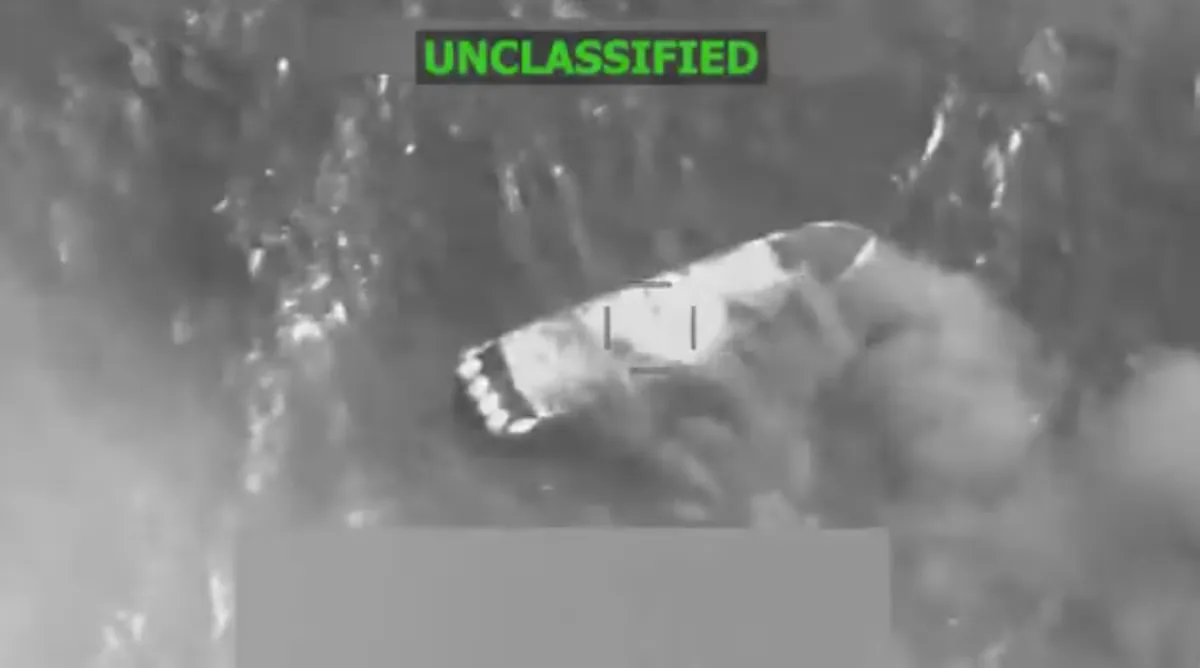
The news was given by the United States Southern Command’s X account with a message framing the operation within the Lanza Sur campaign, of bombings on boats loaded with drugs, according to Washington, heading to the United States. “Intelligence confirmed that the boat was traveling known drug trafficking routes and was involved in drug smuggling operations,” the message says, adding, without providing evidence, that “three male narco-terrorists were killed during this action” and that “no members of the United States military forces were harmed.”
The communication was accompanied, as has become customary in recent months, by a video with the label “declassified” showing something that looks like a boat blowing up. Since the first extrajudicial attack of this type, reported by the President of the United States, Donald Trump, in early September, the Army has reported about 60 bombings.
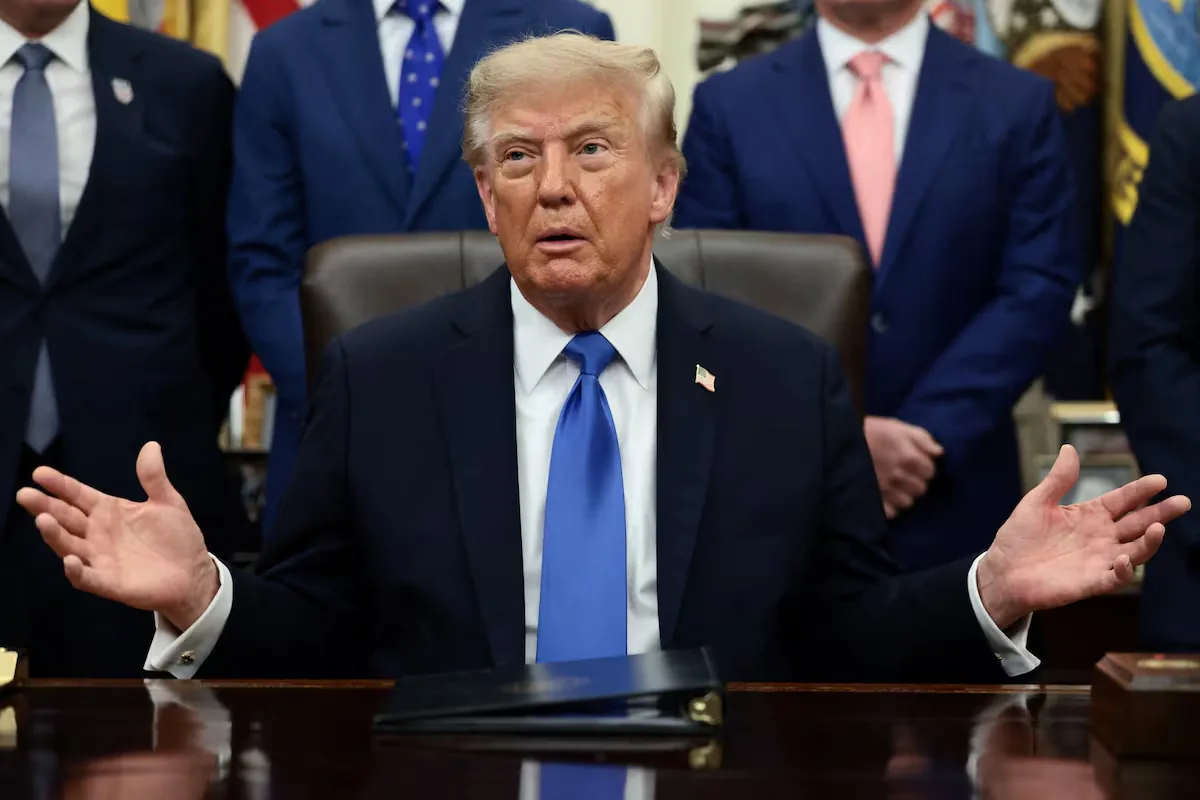
Washington has not bothered in any of them to share information, beyond propaganda, about the identities of the 202 people killed in these operations or about the cargo carried by the pulverized boats. Journalistic investigations have proven during this time that some of the crew members of those boats were fishermen. Trump likes to boast that since he started his campaign of extrajudicial attacks “no one dares to go fishing in those waters.” He said it again on Saturday in an interview with his daughter-in-law, Lara Trump, on Fox News. “I think those who take the risk do so because they don’t watch the news,” said the President of the United States.
Read more Los Javis and Judeline, guests of La Casita de Bad Bunny at his second concert in Madrid
The attacks reached their peak last December, a month in which 14 were recorded. At that time, the campaign was interpreted as a pressure measure against Chavismo, amid accusations of involvement of its leaders with drug trafficking. The capture on January 3 of the President of Venezuela, Nicolás Maduro, for prosecution in New York made people think the attacks would subside. Although they lost intensity, they did not stop.
In recent weeks, their pace has increased. Just in the last week, U.S. authorities have reported three deadly attacks, and between April 11 and May 8 there was almost one bombing every three days.
The campaign that this Saturday surpassed the symbolic mark of 200 dead has revived the rhetoric of the “war on drugs” launched by President Richard Nixon in the early 1970s and which reached its peak during Bill Clinton’s time. Trump views the fight against drug trafficking as an extension of his program to revive the Monroe Doctrine, which has defined U.S. foreign policy in Latin America since the 19th century and can be summed up in the imperialist slogan America (the continent) for the Americans (the United States citizens).
Read more Chavismo takes Leopoldo López’s house and turns it into a center for the elderly