








3D Accurate Tracking
Pedometer 3D
Pedometer 3D
CP089644
The best pedometer
Walking is one of the simplest activities to stay active and, precisely for that reason, recording our steps can help us have a clearer view of how much we move each day. Although 10,000 steps a day have become popular as a universal goal, scientific evidence points out that benefits also appear with more moderate figures and that there is no single target for everyone. In the end, more than obsessing over a number, the important thing is to move and be aware of our progress.
Read more I test the best portable safes for traveling without fear of thefts
Compared to smartwatches for health monitoring and activity bands from bestselling brands, increasingly complete and aimed at advanced physical condition tracking, digital pedometers still have their place. They are economical devices, with a discreet design and focused on a single function: counting the steps we take each day and checking the results easily.
How we chose and tested the products
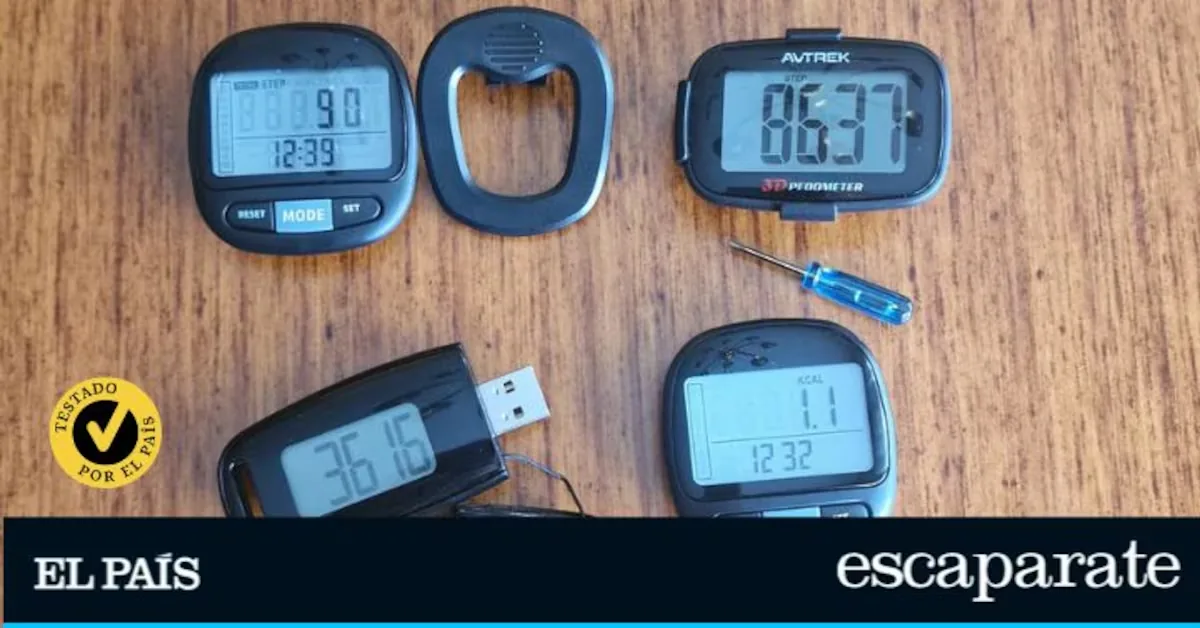
The first thing I did was set a maximum budget of 25 euros and, from there, select the models that would be part of the comparison. I conducted the tests over two weeks, during which I used each of these four digital pedometers. I took advantage of the night walks I like to take after dinner at this time of year in the town where I live to put them to the test.
The criteria I considered in each analysis were the following:
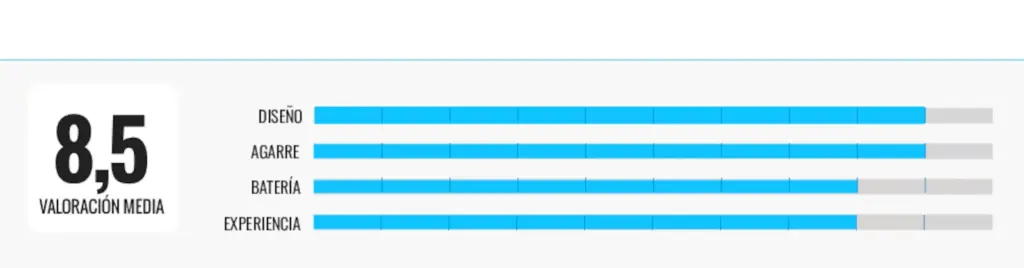
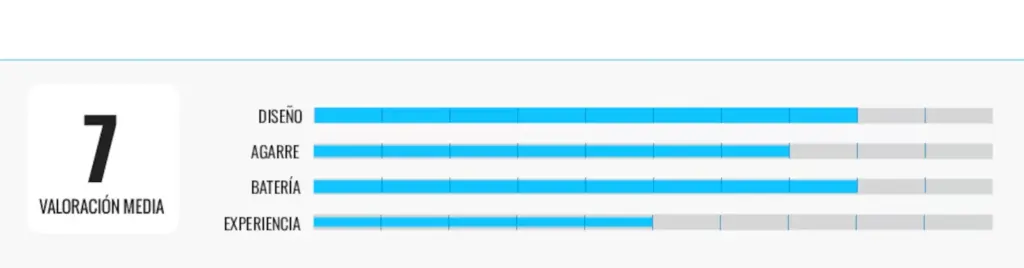
- Design: from the point of view of build quality.
- Grip mode: related to comfort of use and how it is worn. Does it include a cord, clip, or carabiner?
- Battery: what type of battery it uses and its autonomy.
- Experience: accuracy in step counting. For this, I compared the records of each pedometer with the data from my activity band and analyzed the differences between both.
Why can you trust me?
I have been in technology journalism for two decades. During this time, I have had the privilege of witnessing how technology advances to make everyday life easier and have been able to report it in various media. Although I have lost count of how many products have passed through my hands, I confess that the enthusiasm and feelings remain the same. Laptops, tablets, phones, cameras, activity bands, smartwatches… I set no limits when choosing a device and making the most of its possibilities as a good technology consumer.
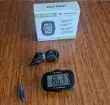
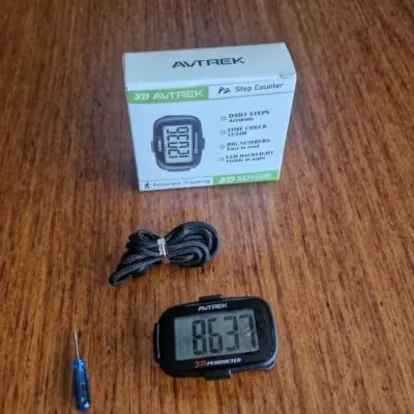
In different colors: AVTREK 3D Accurate Tracking
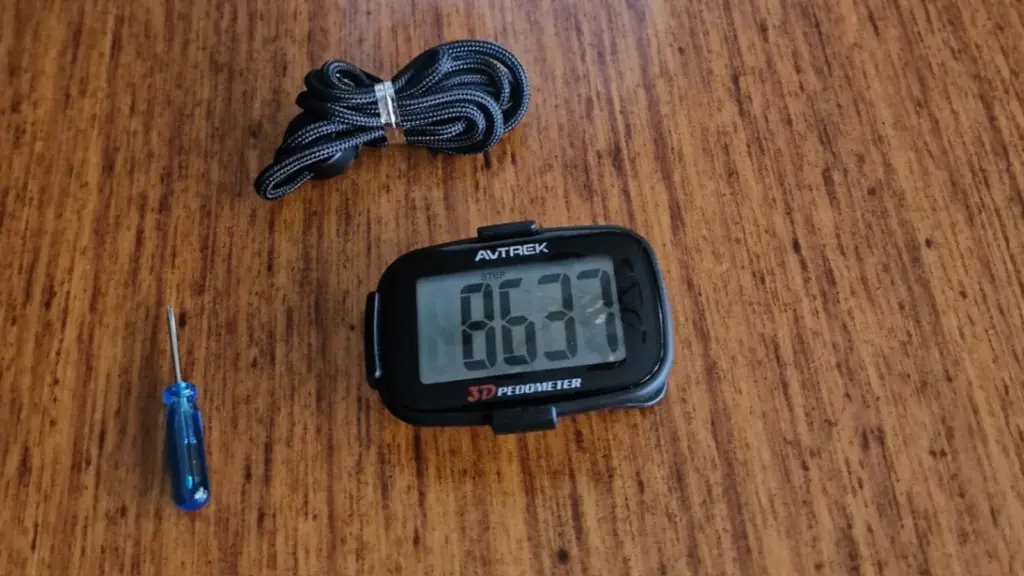
Who is it for: this model is for you if you are looking for a reliable pedometer, with a backlit LED screen and the possibility of wearing it either attached to clothing or hanging around the neck.
Why we chose it: one of the things I liked most about this digital pedometer, besides the option to choose from several colors, is its screen. Although the device maintains a compact format, the large size of the numbers makes it easy to read the records during the day. Added to this is the LED backlighting, a feature especially useful when checking in low light situations. Also, with a button located on the top, you can see the time.
Regarding its construction, the plastic used is sturdy enough to withstand both light and intense activity sessions. With a clip fastening system that works very well and keeps it stable when attached to clothing, the neck strap has the right length and a textile finish that guarantees its durability. Step counting ranks, along with the Flintronic model, among the most reliable.
Its weak points: I missed the possibility to check the battery status.
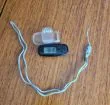
Built-in memory function: Flintronic Pedometer 3D
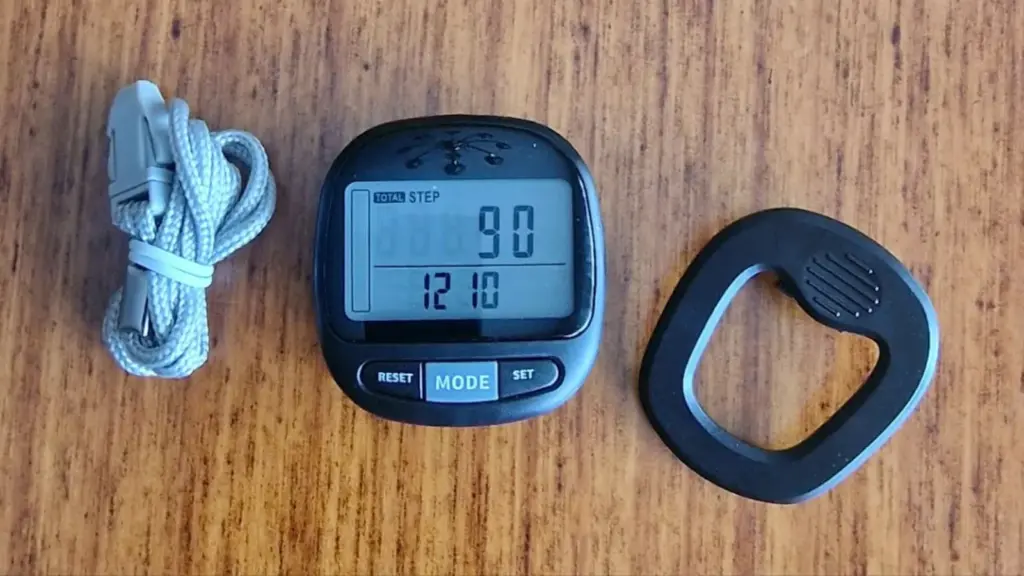
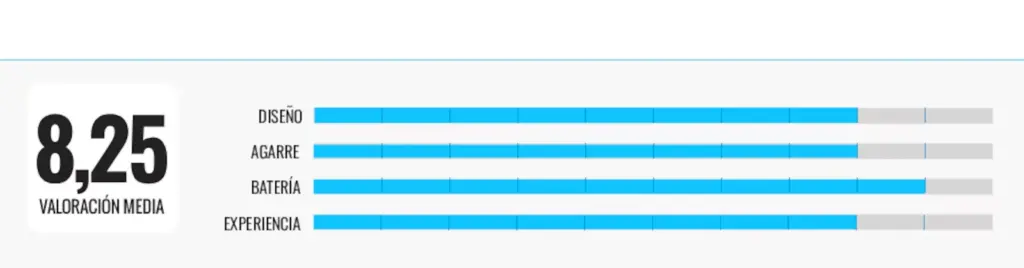
Who is it for: users looking for a pedometer that not only counts steps but also records calories burned and time spent exercising.
Why we chose it: it is made of ABS plastic, a material that easily withstands daily use. Once worn, you barely notice it: although it includes a cord to wear it around the neck, during tests I preferred to attach it to the belt or shirt pocket, as the clip on the back offers good grip; the cord seems somewhat flimsy to me.
Despite its small size, the screen is well utilized and the numbers are perfectly readable because the level of definition and contrast is adequate. Also, it is possible to check the remaining battery level at any time, a detail that adds convenience while using it. And the experience? It has been positive. The data it records, compared to my activity band, show a fairly good approximation, indicating reliable measurement for daily use.
This functionality is complemented by the ability to check the distance traveled, estimated calories, and activity duration, thus offering a more complete view of the exercise performed. Added to this is a memory function that stores the step record for the last seven days, allowing you to track progress and check if goals are met.
Its weak points: nothing significant to highlight.
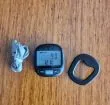
USB flash drive shape: Vegoaty Pedometer 3D
Who is it for: if what you need is a digital pedometer that recharges via USB.
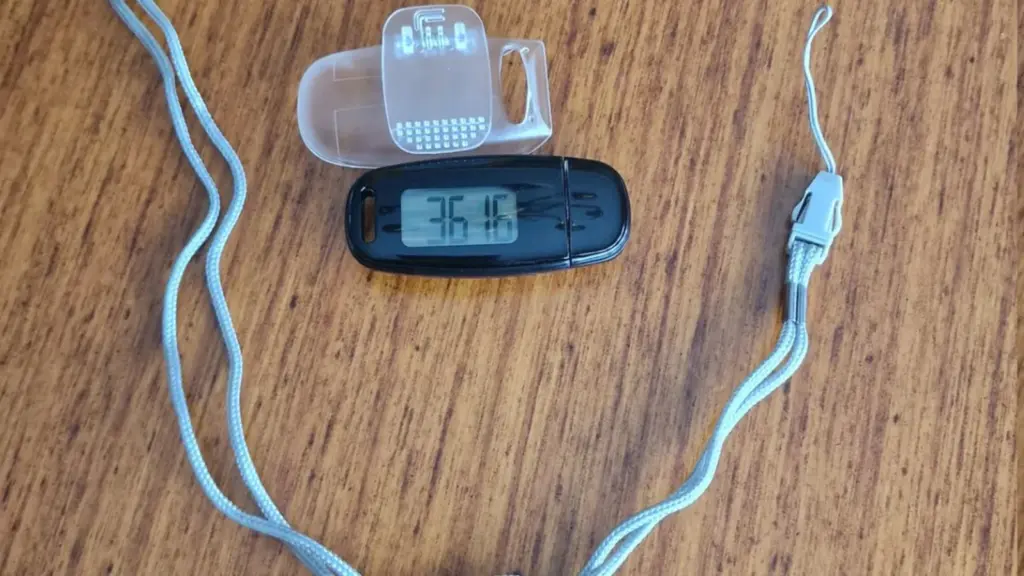
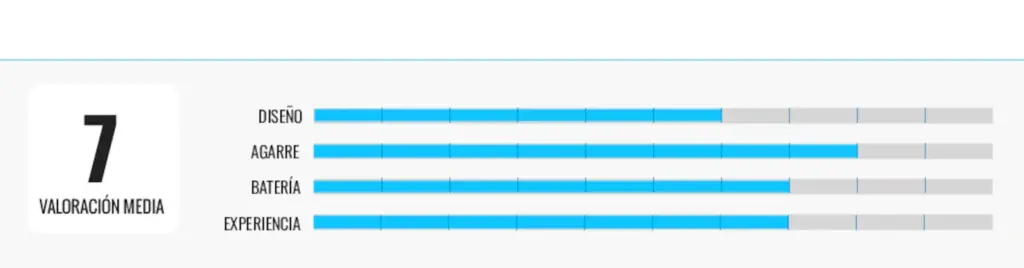
Why we chose it: one of the most interesting aspects of this model is that it replaces the classic button battery with a rechargeable battery via USB, a rare feature in a device of this type. Personally, I did not expect to find this charging system in a pedometer. Its operation is similar to a traditional USB flash drive: just remove the cap to expose the integrated USB connector and plug it directly into a compatible port to recharge the battery. However, since it does not include a power adapter, you need to use one you already have at home. Added to this is a low battery warning system that tells us when it is necessary to recharge to avoid running out of power unexpectedly. In my tests, the battery life is limited, requiring more frequent recharges than I would have liked; and that despite it automatically turning off when inactivity is detected.
What is the day-to-day experience like? During walks at a normal pace and even a light jog, step measurement offers a sufficiently reliable response. However, when increasing movement intensity, for example, running or making sudden pace changes, I found that some metrics are not always completely accurate.
Its weak points: the clip grip is firm, but opening it is not so comfortable.
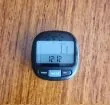
The most economical: Enwye CP089644
Who is it for: users who want a pedometer for occasional use.
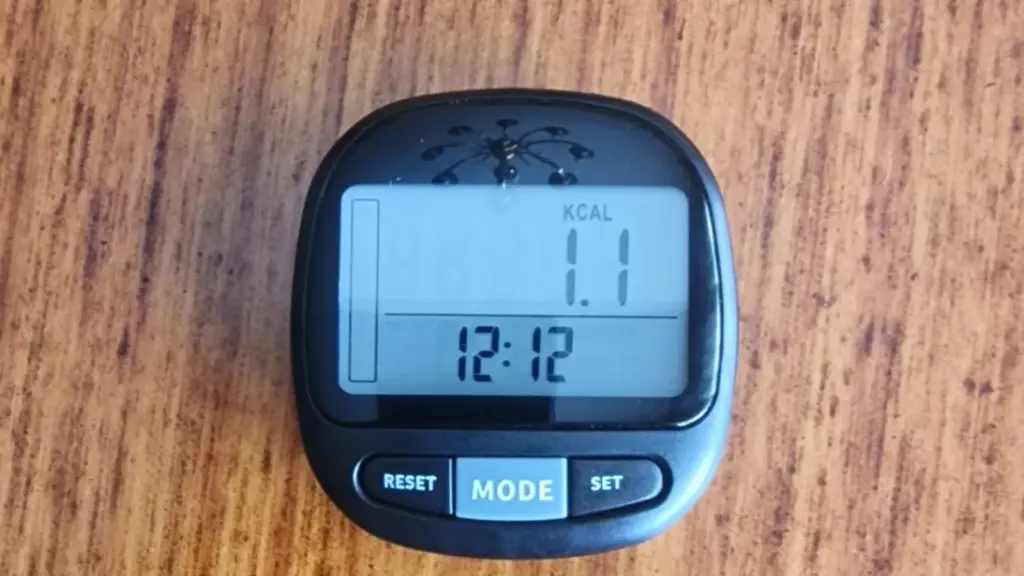
Why we chose it: its design is very similar to the Flintronic model; in fact, as the saying goes, both devices are carbon copies. It maintains a compact and lightweight format, with a front screen that allows you to check the information recorded during the day at a glance. And like its ‘rival’, you have two options to carry it with you: hanging around the neck with the included strap or attaching it to clothing with the built-in clip. However, it is advisable to ensure it is well secured: in my case, with some abrupt movement, it came loose. Regarding battery life, it manages the battery well, although in this aspect the Flintronic pedometer performs better.
Its weak points: the user experience is the aspect that convinced me the least. The activity recording is somewhat more irregular than I expected, not only when reviewing and comparing the number of steps but also the estimated calories and distance traveled.
Other interesting digital pedometer models
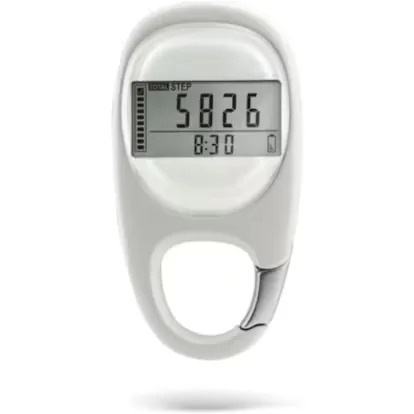
If you are looking for a digital pedometer with a carabiner
Frequently asked questions about digital pedometers
How does a digital pedometer work?
These devices incorporate motion sensors, generally three-dimensional accelerometers, that analyze body movements while walking. From these movements, the pedometer identifies each stride and converts it into a step record that can be viewed on its own screen.
Where is the best place to wear it?
To obtain the most accurate record possible, ideally place it where it remains stable, such as attached to the belt, in the pocket, or clipped to clothing. Some models also include a cord or accessory to wear them hanging.
How often should the pedometer battery be charged or replaced?
Battery life depends on the power system used. Traditional models with batteries usually offer long duration, while those with rechargeable USB batteries require periodic charging.
Is it necessary to adjust the pedometer before starting to use it?
In some cases yes, although initial setup is usually quick. Some allow customization of values such as height, weight, or approximate stride length so that distance and calorie calculations are more accurate.
What additional information does a pedometer offer besides the number of steps?
Depending on the chosen model, it may show complementary data such as active time, calories burned, daily goals, or records from previous days.
Does it make sense to buy a pedometer if the phone already counts steps?
Although smartphones can perform this function, a standalone pedometer offers some advantages: it is lighter, designed exclusively for this task, and does not require carrying the phone while using it.
[Remember that if you are an Amazon Prime user, all purchases have free shipping. Amazon offers a free, no-obligation trial period of 30 days.]
*All purchase prices included in this article are updated as of July 30, 2026.
You can follow EL PAÍS ESCAPARATE on Facebook and Instagram, or subscribe here to our Newsletter.