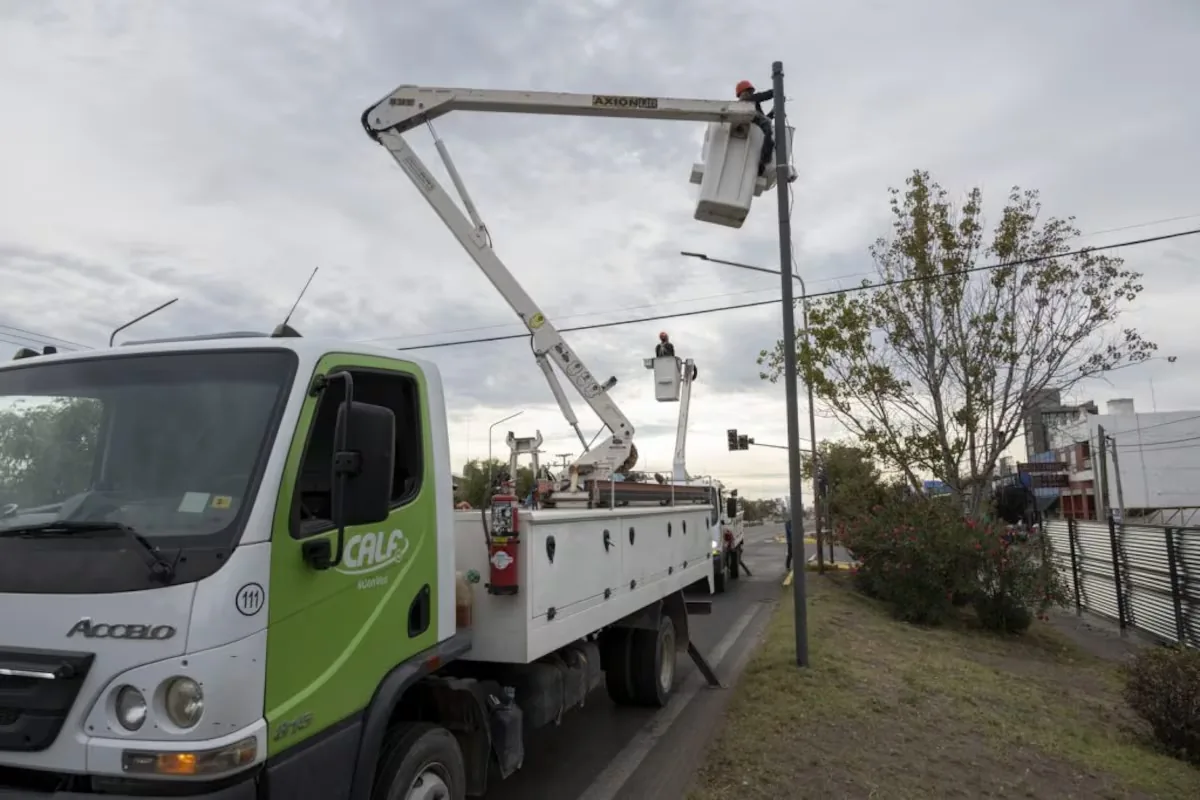
A new diplomatic conflict between the United States and China has an unexpected protagonist: Argentina. The dispute centers on the contracting of technology from the Chinese company Huawei by the Cooperative of Public and Community Services (CALF), based in the Patagonian province of Neuquén. The US Embassy in Buenos Aires pressured the cooperative to suspend the negotiation to purchase materials from the Asian giant: it argued that it is a matter of strategic security, given its influence in the area of the Vaca Muerta field, and threatened CALF executives with withdrawing their entry visas to the United States. The Chinese Embassy accused Washington of committing “a serious disrespect towards the sovereignty of other countries.”
Read more Mexico strengthens ties with Brazil amid escalating tension between Lula and Trump
CALF is one of the largest cooperatives in Latin America and one of the biggest electricity distributors in Patagonia. It also provides fiber optic internet services and, in this context, opened negotiations with Huawei to purchase materials, with the purpose of building a data center in Neuquén, more than 1,100 kilometers from Buenos Aires.
According to complaints filed by CALF with the US Embassy and the Argentine Foreign Ministry, on July 12 one of its managers began receiving messages from a US diplomat in the economic affairs area: “They referred to a US government policy that would restrict or revoke visas for executives linked to the expansion of Huawei’s operations in Argentina, expressed concern from the sender’s superiors about an initiative of this cooperative, and inquired whether there was a possibility to cancel it or if CALF had crossed the line,” describes a statement from CALF’s board of directors, dated this Wednesday.
The rapid global advance of Huawei has been a concern for the US for years, expressed in multiple measures aimed at combating it. In the case now raised in Argentina, its embassy admitted to the local press the pressures exerted on CALF. Ambassador Peter Lamelas told the newspaper Clarín that there is no interference in “Argentine sovereignty,” but rather a security issue for the United States, given the risk that the entry of the Chinese firm into the business network related to Vaca Muerta, the strategic unconventional oil and gas field, would pose to its interests.
This Thursday, Ambassador Lamelas highlighted his country’s authority to allow entry into its territory. “Every country takes care of its house. The United States is no exception. Deciding who enters and who does not is the responsibility of any nation. Denying or revoking a visa is not a punishment, it is a decision to protect the country’s security and interests,” he emphasized in a message shared on his social media.
Read more The ‘fracking’ enters a zone of uncertainty after experts’ restrictions
China responded with a harsh statement from its diplomatic representation in Buenos Aires, released on Wednesday night. “The United States Embassy in Argentina has deliberately fueled the ‘China threat theory’ […] and, through visa revocations, blatantly prevented an Argentine company from having normal cooperation with the Chinese company Huawei. These practices fully reflect the arrogance and prejudices of the United States, constitute a great disrespect towards the sovereignty of other countries, and a serious undermining of free market principles,” the Chinese embassy stated. The US, it concluded, “has always boasted of its values of democracy and freedom, but does not tolerate a foreign private company to survive and develop normally in a third country, which fully exposes its hypocritical nature.”
Meanwhile, CALF demands that the US formally communicate “if there are concrete technical objections” to its projects. The cooperative clarified that it operates “a multi-provider network, chosen with technical, commercial, and service criteria,” for which it has “North American, European, and Asian suppliers.” Regarding the pressures exerted on its managers, it warned: “One thing is that a state decides on its visas; another is that this possibility is invoked through an informal channel, to a worker, along with the question of whether a project that only concerns the governing bodies of an Argentine cooperative can be canceled.” In a note submitted this Wednesday, the cooperative requested the Argentine Ministry of Foreign Affairs to “take the necessary measures and carry out the actions it deems appropriate” before the US Embassy to resolve the controversy.
So far, the Argentine government has not taken a position on the case. The far-right president Milei respects a total alignment with the US leader, Donald Trump, and aspires to become his top regional representative. His recent attacks against the president of Brazil, Luiz Inácio Lula da Silva, which led to the biggest diplomatic conflict between the two countries at the heart of Mercosur, can be read in light of those interests. But, at the same time, the Argentine economy has a key partner in China. This very week, the Central Bank of Argentina agreed with the Central Bank of China to renew the validity of a currency swap agreement, for an amount of 130 billion yuan, equivalent to about 19.5 billion dollars. The swap allows the South American country to strengthen its monetary reserves, manage foreign currency liquidity, and thus, according to the official statement, “support financial stability.”
Read more The deals of the week on Amazon: discounts of up to 60% on fashion, home, and technology