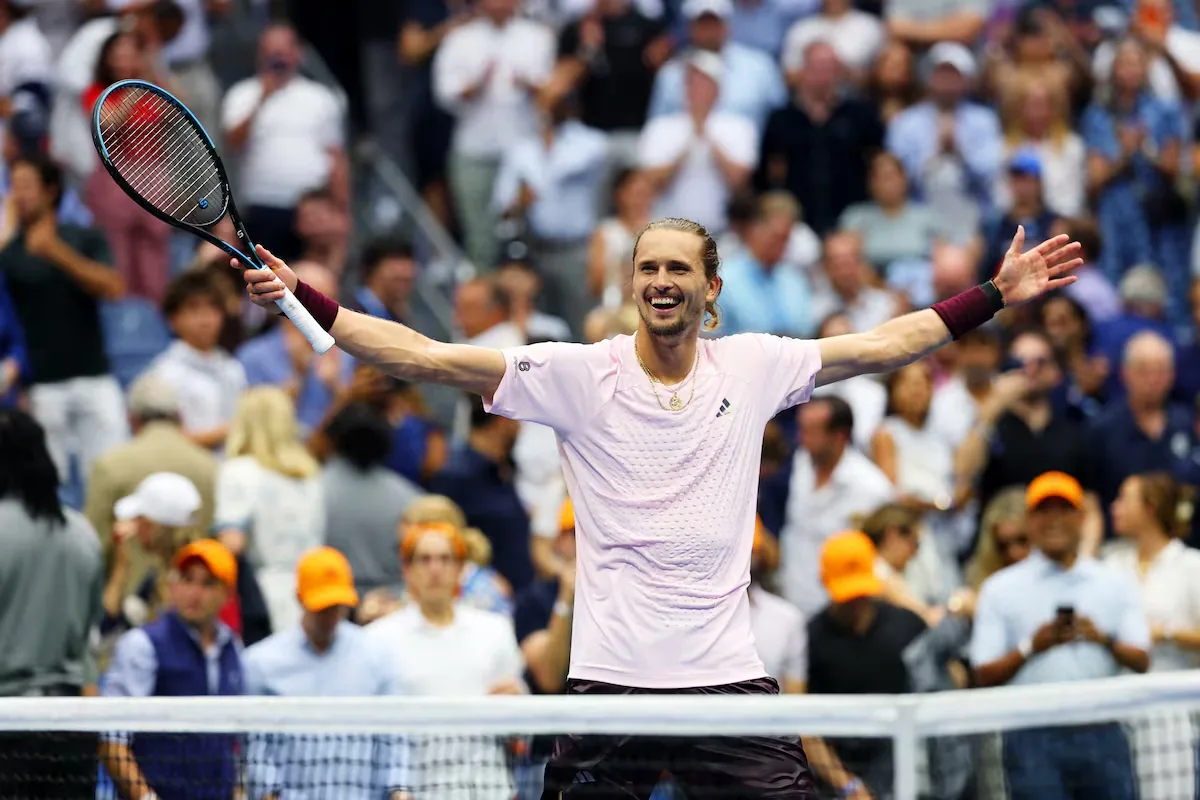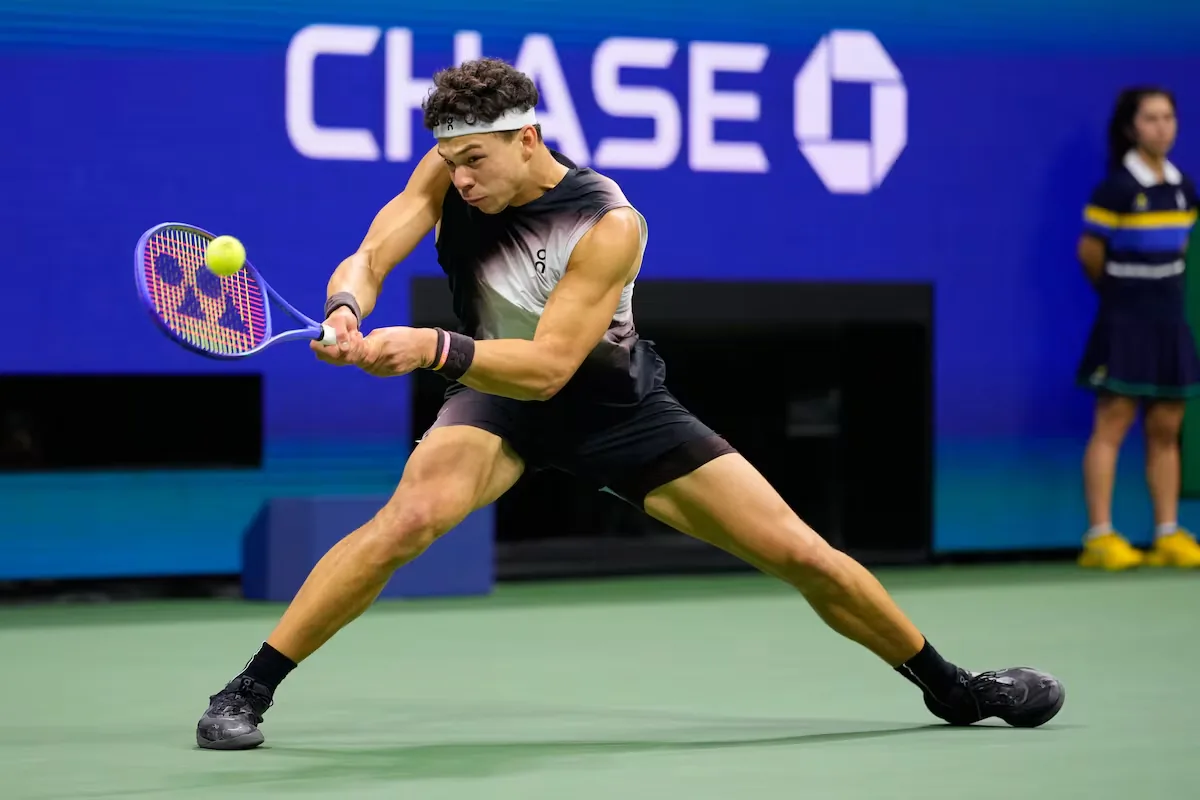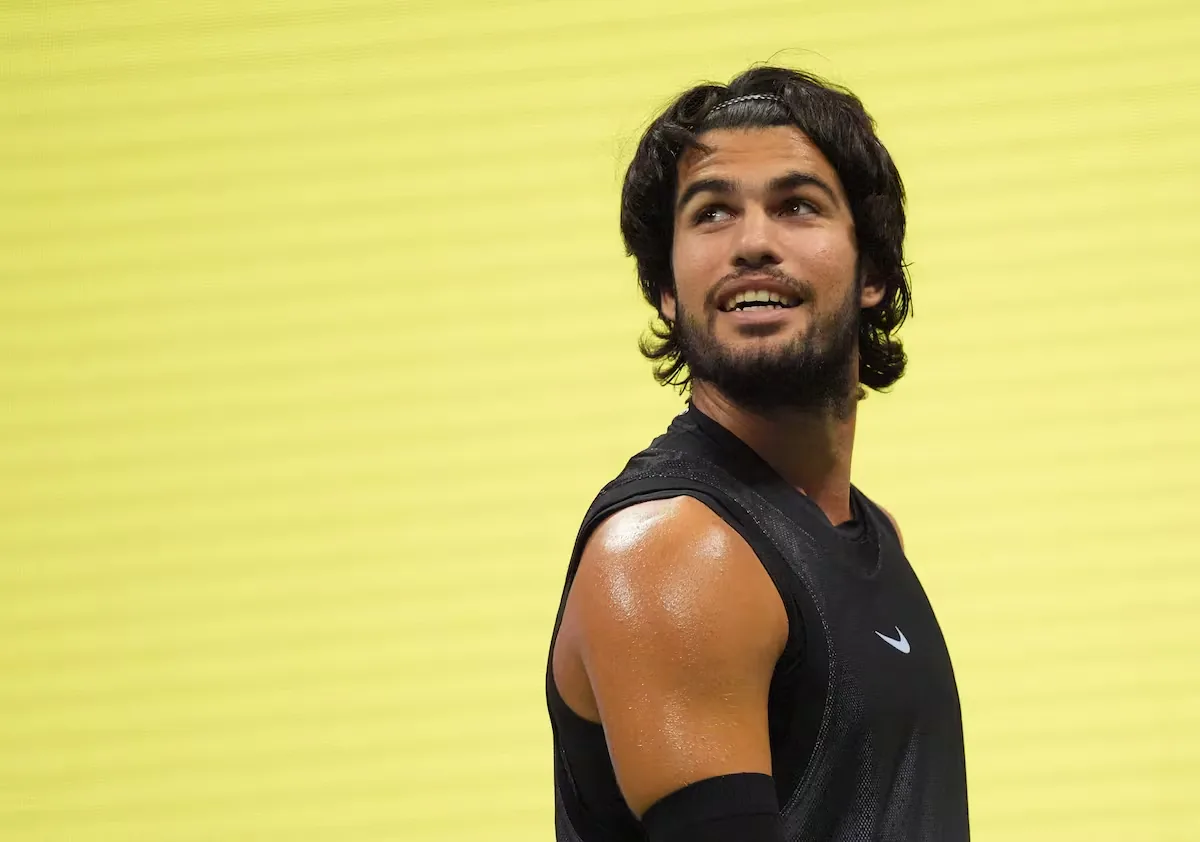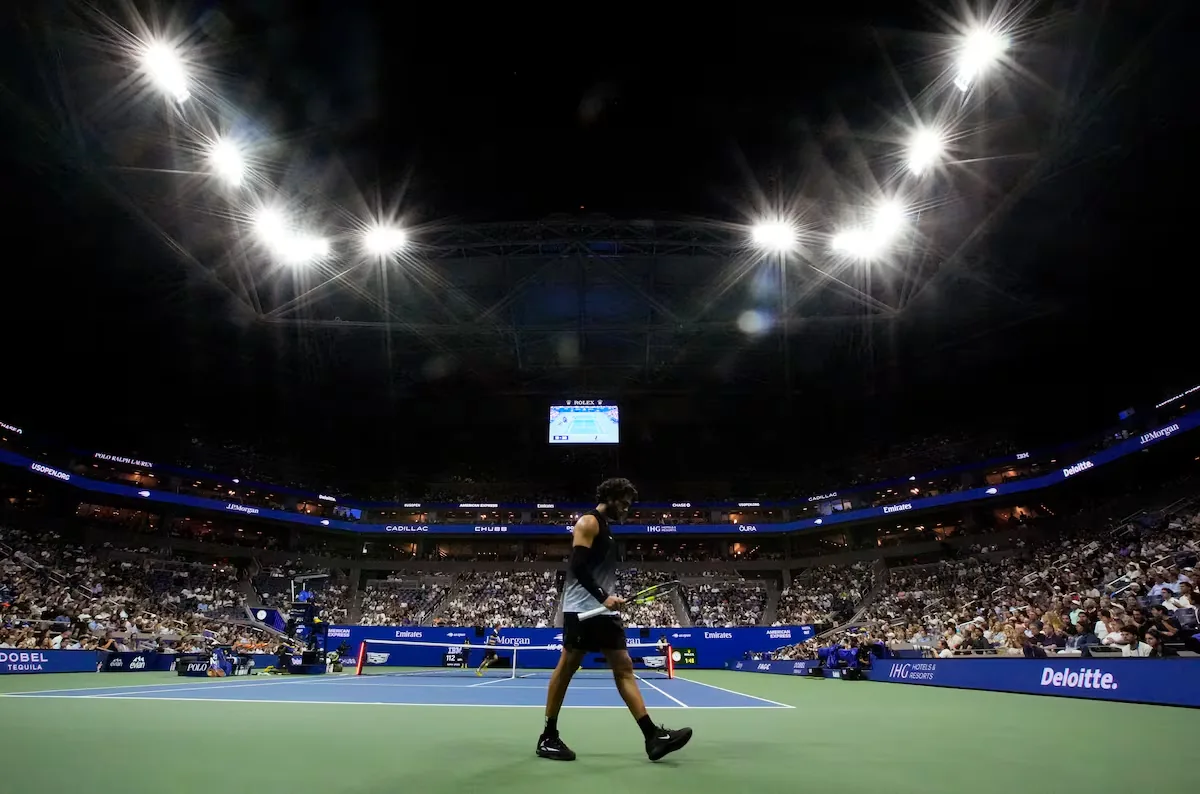
Although Carlos Alcaraz will not be able to defend and retain his title at the US Open this year, after being knocked out in his quarterfinal match, the truth is that the impression he has left us with has been frankly positive. After four months away from competition, he has made a truly hopeful comeback. His wrist has responded perfectly and, in terms of sports performance, we have been able to enjoy four victories in which he showed a good level of play and a close defeat in a marathon match against an inspired Ben Shelton. Undoubtedly, one of the toughest players on the circuit today.
Read more Jorge Azcón will strengthen fire prevention resources in Aragón after a summer consumed by fires
For this last match, Spanish fans didn’t even have to get up early, hoping for God’s help according to the famous saying, to have the opportunity to follow the last two sets live. The six-hour time difference between Spain and New York was no obstacle since, on this occasion, I believe the record for “lateness” was broken, as the duel ended at 3:33 in the morning.
It is well known that tennis, not having a defined duration for its matches, has difficult scheduling. And if we add to this the need to increase earnings for both players and the organization, we arrive at a situation, often repeated since the implementation of the night session, of seeing matches end at untimely hours. If for spectators attending the stadium this must be a great inconvenience when trying to find a taxi or public transport to take them back home at these early morning hours, it is easy to imagine what this entails for the players.
In the case of the quarterfinal match, the most affected was clearly the winner, Shelton, who after leaving Arthur Ashe and a brief on-court interview, still had several hours to get to the hotel — shower, recovery exercises, food, press conference, and transport to Manhattan — and start the well-deserved rest that would help him prepare for his next commitment. A nonsense, without a doubt.
I believe it is urgent to make some changes and review the scheduling if the criticisms are to be silenced and the players’ well-being is not to be harmed, but, of course, it is a difficult task if what continues to prevail, as I said above, is monetary profit.
In this case, only two solutions occur to me: either use the two central courts, Arthur Ashe and Louis Armstrong, distributing the matches so that there is only one on each, or start the daytime session earlier so that, consequently, it does not affect the evening session as much. This second option would not solve the problem, but it would mitigate it somewhat.
Another option occurs to me, although this would not directly depend on the tournament organizers, which would be to limit playing time. That is, to somehow ensure that matches do not last excessively long. Play matches directly as best of three sets as in the case of women? Clearly, it would be a good alternative, but it would go against the essence and tradition of the four Grand Slams, where men play best of five sets.
Or perhaps, play a super tie break in case of a two-set tie?
Anyway, musings on a computer keyboard that should be taken to a table where real decisions are made. We will have to stay alert and see if someone sits at that table for next year.