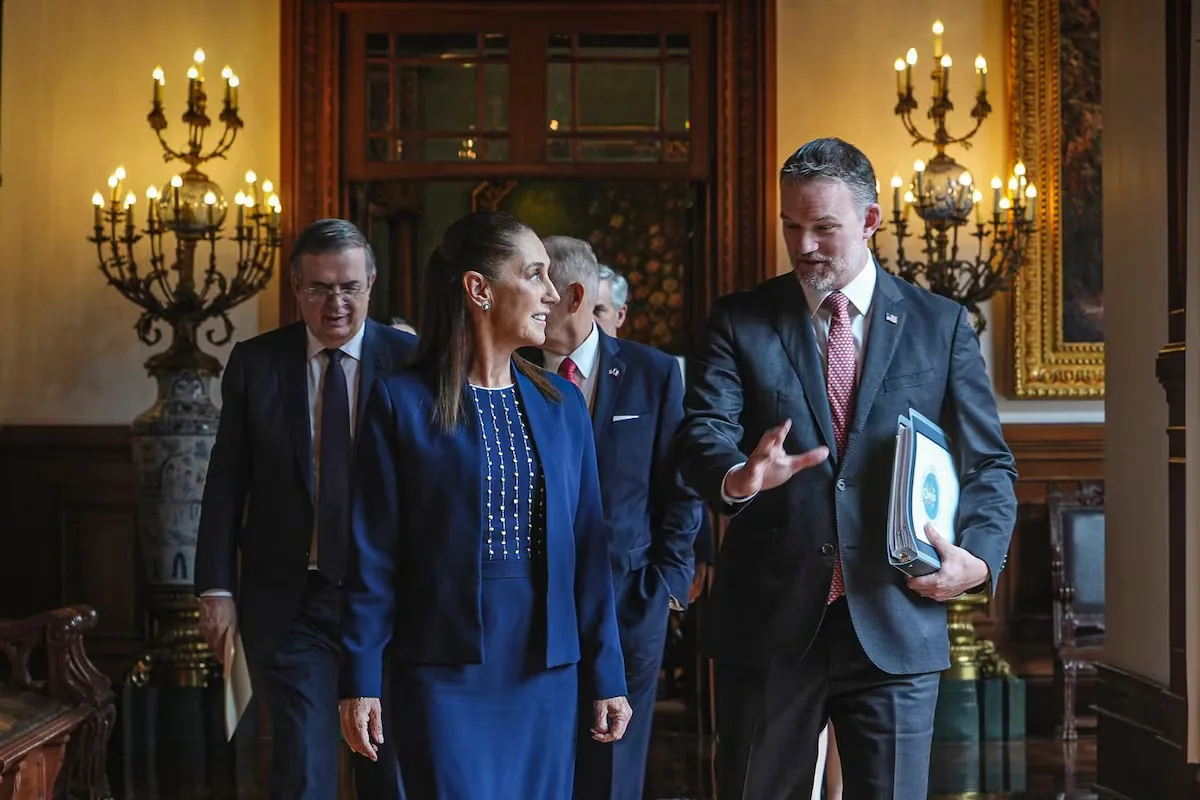









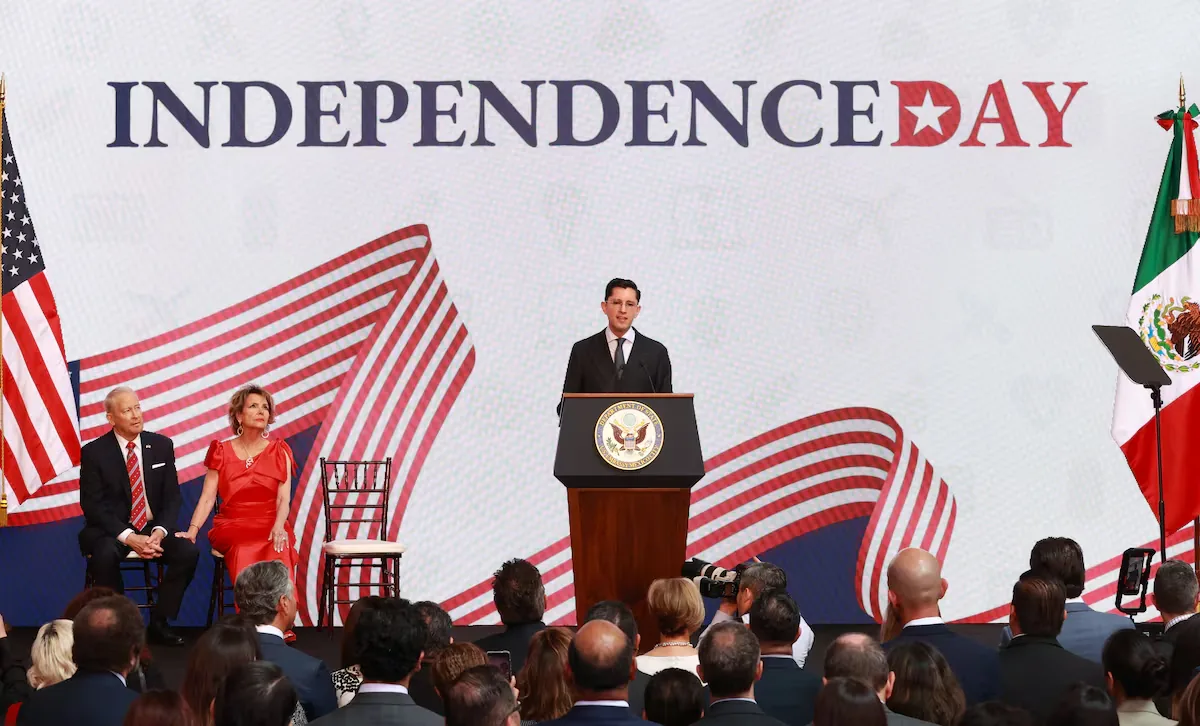
July 1, 2026, the scheduled date for a possible extension of the trade agreement between Mexico, the United States, and Canada (USMCA), passed without an agreement being reached between the governments of the three countries. On one hand, Mexico and Canada expressed their willingness to extend the trade agreement until 2042, while the United States demands changes and adjustments to the trade agreement. This dispute, although it does not end the agreement (which has a validity of 10 more years), extends the negotiations and maintains uncertainty about its continuation.
Read more The invincible sprinter Lorena Wiebes achieves her second victory in the women’s Tour in Geneva
On last July 1, instead of announcing the extension of the trade agreement, it was simply reported that negotiations would continue and that some preliminary agreements had already been reached on various issues. The latter was an attempt to send a message of confidence and certainty that the agreement will eventually be extended. The truth, however, is that reaching this point without ratifying the agreement completely changes the context in which the upcoming negotiations will take place.
It is clear that Mexico and Canada would have preferred the trade agreement to be extended immediately. To achieve that extension, it is likely that both countries would have been willing to make concessions on certain issues. Now, however, the conditions and terms of the negotiation will change for all involved. A crucial factor is that there will no longer be such urgency going forward. Until recently, the goal seemed to be to conclude negotiations on time and announce the extension on July 1. From now on, time could work in favor of Mexico and Canada, because they will no longer negotiate under the pressure of a close deadline.
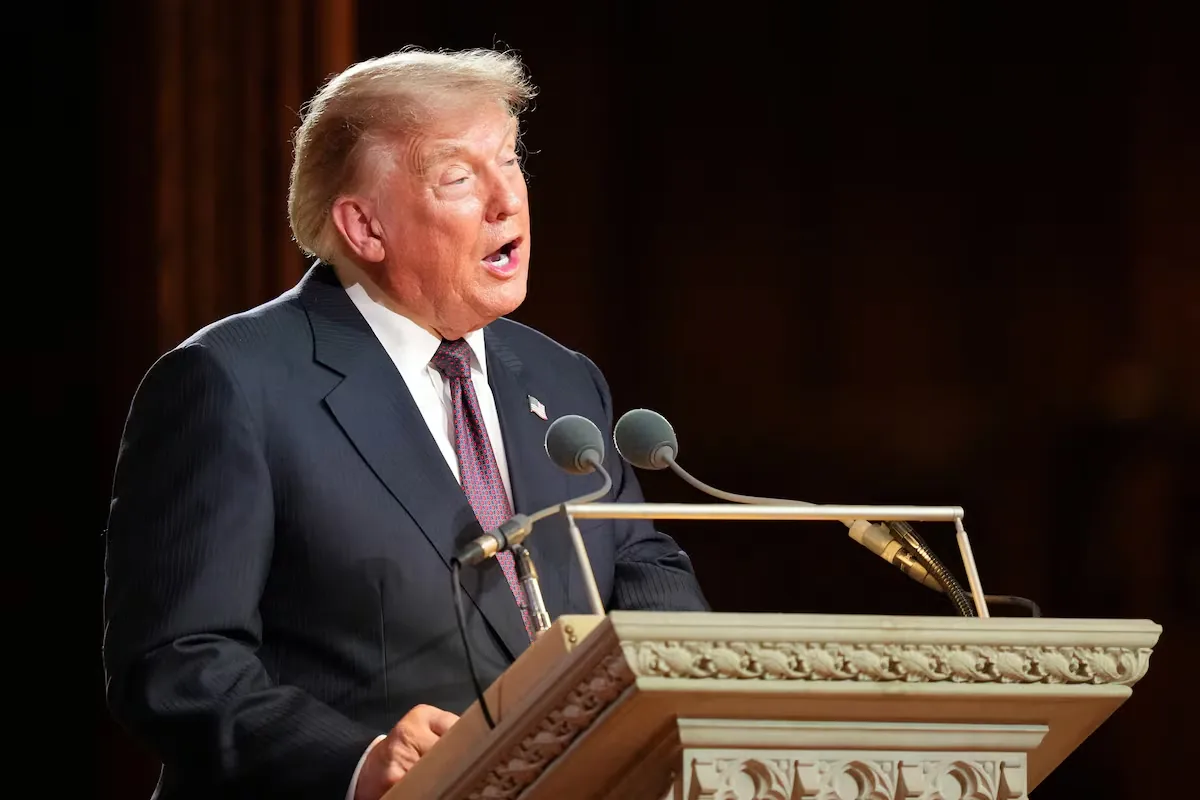
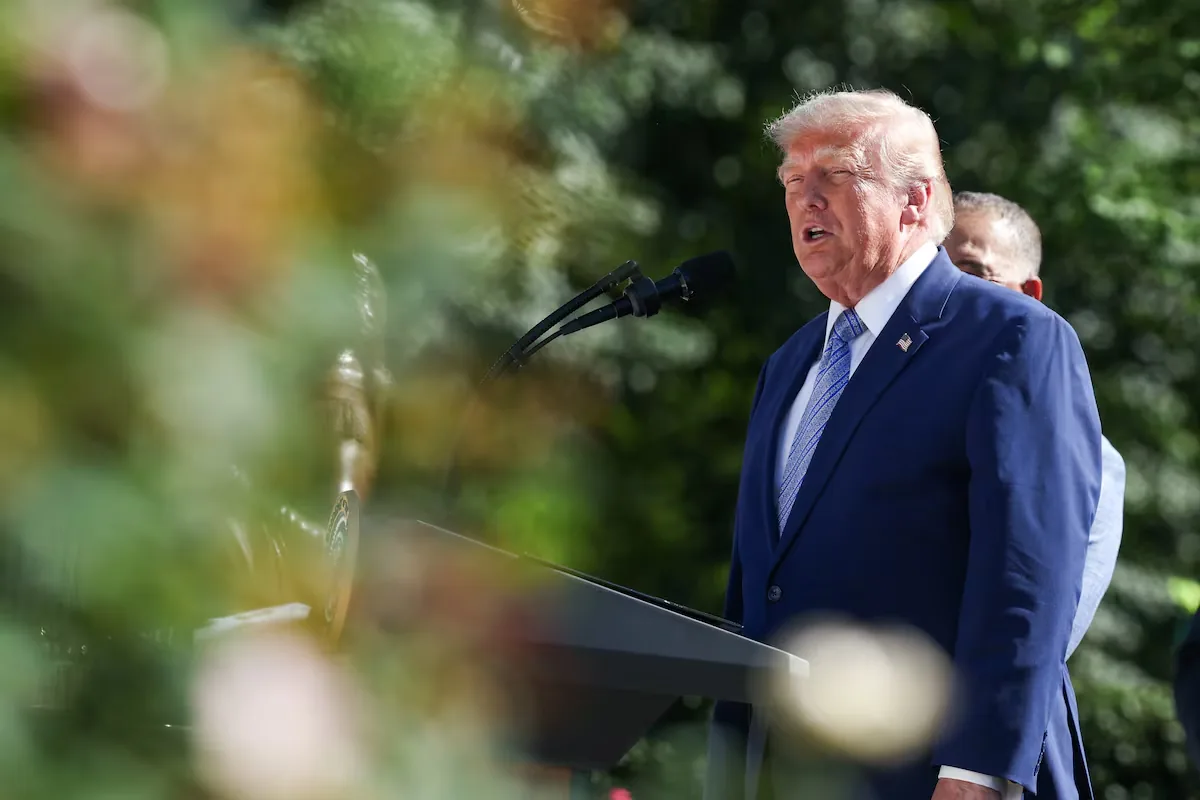
Everyone assumes that negotiations could now be extended for another year. During this period many things will change, especially in the United States. Therefore, a mistake Trump could make would be to assume that negotiations will proceed under the same terms that prevailed before July 1. The first signs, however, point in that direction. Let us remember that, just after the deadline, Trump announced additional tariffs of 50% on some Canadian products and included Mexico on a list of countries affected by a new 10% tariff, which replaces the previous tariff that was about to expire. Thus, Trump seems to insist on continuing to use the same tool over and over again, without realizing that this measure has proven particularly ineffective in achieving the goals he set himself.
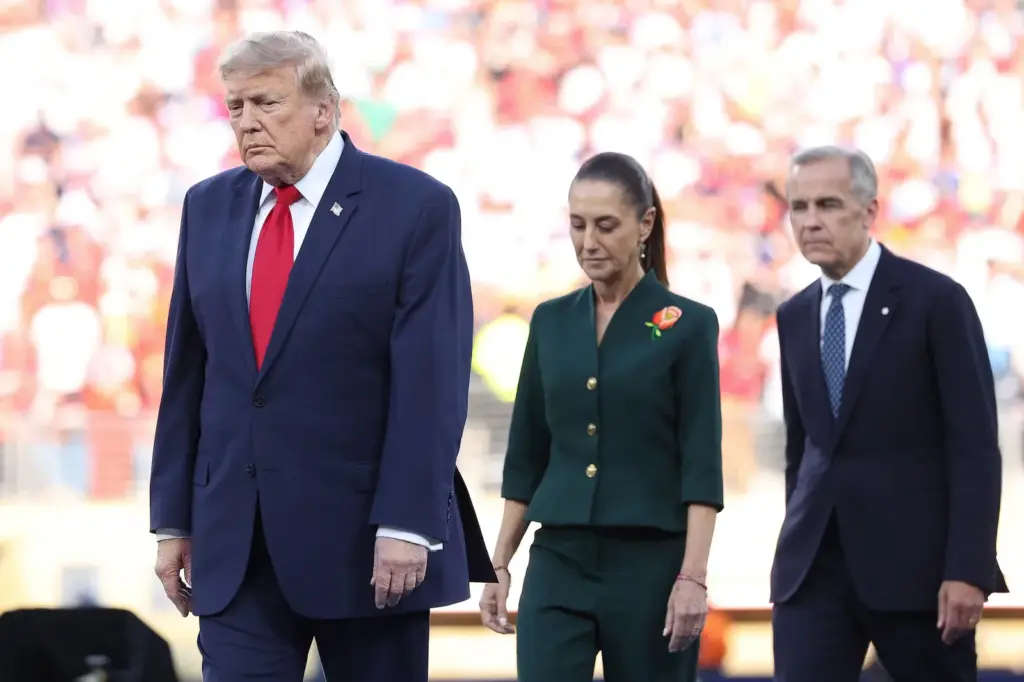
Going forward, President Trump will face three major problems if he insists on using the same trade policy measures. First, his policy instruments have been extremely inefficient, especially in reducing the United States’ trade deficit with Mexico. Between 2024 and 2025, this deficit rose from $168 billion to $190 billion, an increase of over 13%. Additionally, in the first five months of 2026, the deficit grew an additional 3% compared to the figures for the same period in 2025.
Read more A 74-year-old woman drowns on a beach in Sant Feliu de Guíxols
A second problem Trump will face is that his threat to impose widespread tariffs on Mexico has lost all credibility. Trump knows the importance of maintaining the integration of value chains in the region and, therefore, it is no coincidence that most Mexican exports continue to enter the United States tariff-free under the protection of the regional trade agreement. It is true that there are some tariffs on certain Mexican products (steel and aluminum, among others), but their scope and impact are limited to a few products and sectors. The idea of a generalized tariff for Mexico is completely off the table.
The third problem, and perhaps the most important, is that many of Trump’s policies are costing him enormously in terms of his popularity. The most recent polls analyzed by the British magazine The Economist (July 28, 2026) show a net disapproval rate of Trump of 25 percentage points (60% disapproval versus 35% approval). The factor that generates the most rejection among the population is related to inflation and prices, which is partly the result of tariff policy. This situation should be particularly worrying with a view to the midterm elections in November this year, where Trump and the Republicans face a very real risk of losing control of the House of Representatives and even the Senate.
For all the above, the conditions of the negotiation on the USMCA will surely change. Mexico should no longer be in too much of a hurry to achieve an extension in the very short term, so it could better resist U.S. pressures. Some things that might have been conceded if the extension had been achieved on July 1 may now need to be reconsidered (such as joint strategic alignment against China) or negotiated under much less disadvantageous conditions. It should also be remembered that Trump’s tariffs have given a certain relative advantage to Mexican products, so the continuation of the baseline scenario is much less damaging to Mexico than initially thought. We, without losing sight of the ultimate goal of extending the USMCA, can now be much more patient than the Americans in the negotiation process. The extension of the negotiation period should lead to a readjustment in the Mexican strategy.
Read more Two pilots die as two helicopters fighting a fire in Greece collide