








It is one of the great mysteries of Spanish popular music: the seemingly inexhaustible spring of new proposals originating from Granada. An abundance that sparks explanations of all kinds. Antonio Arias, whom we knew from 091, assures that it has to do with the water the city receives after passing through veins that once held gold, silver, and other precious metals.
Read more The Kremlin celebrates the victory of pro-Russian General Radev in the Bulgarian elections
The theory, let’s say alchemical, is collected in a recently published volume by Lola Libros. Alligator Skin Shoes is the monumental work by Juan Jesús García, a journalist on duty in rehearsal rooms and live clubs, determined to unravel the enigma of such fertility. It starts with the appearance of the first electric guitar in Granada, back in 1957, and examines the peculiarities of Granada, with the old feeling that it was the last corner of a forgotten corner called Andalusia. Nevertheless, in the sixties, the evergreen Miguel Ríos and Gelu, a sparkling vocalist who —those were different times— retired after getting married, emerged. The great group of that decade was Los Ángeles, powerful in vocals but tamed on the Hispavox label by producer Rafael Trabucchelli, who prioritized foreign song covers over their own compositions.
Punk was slow to arrive in Granada, despite the city having an apostle of Joe Strummer’s caliber, the leader of The Clash. In the early eighties, TNT and KGB emerged, whose simple names already revealed a belligerent will, although the project with the most future was Lagartija Nick, which moved away from its initial Anglo roots (its name referenced a Nick Cave song) to lead approaches to local figures such as Lorca or José Val del Omar.
The pop vein was not abandoned, as demonstrated by the yearning juvenilia of La Guardia. But the great creative ferment was where it always was, in the changing student contingent. Juan Jesús García estimates this troop at 50,000 people, although other calculations speak of a quarter of the current census of 240,000 inhabitants, counting professors and other university staff.
Read more The PSOE leads the PP by almost 13 points, according to the April CIS barometer
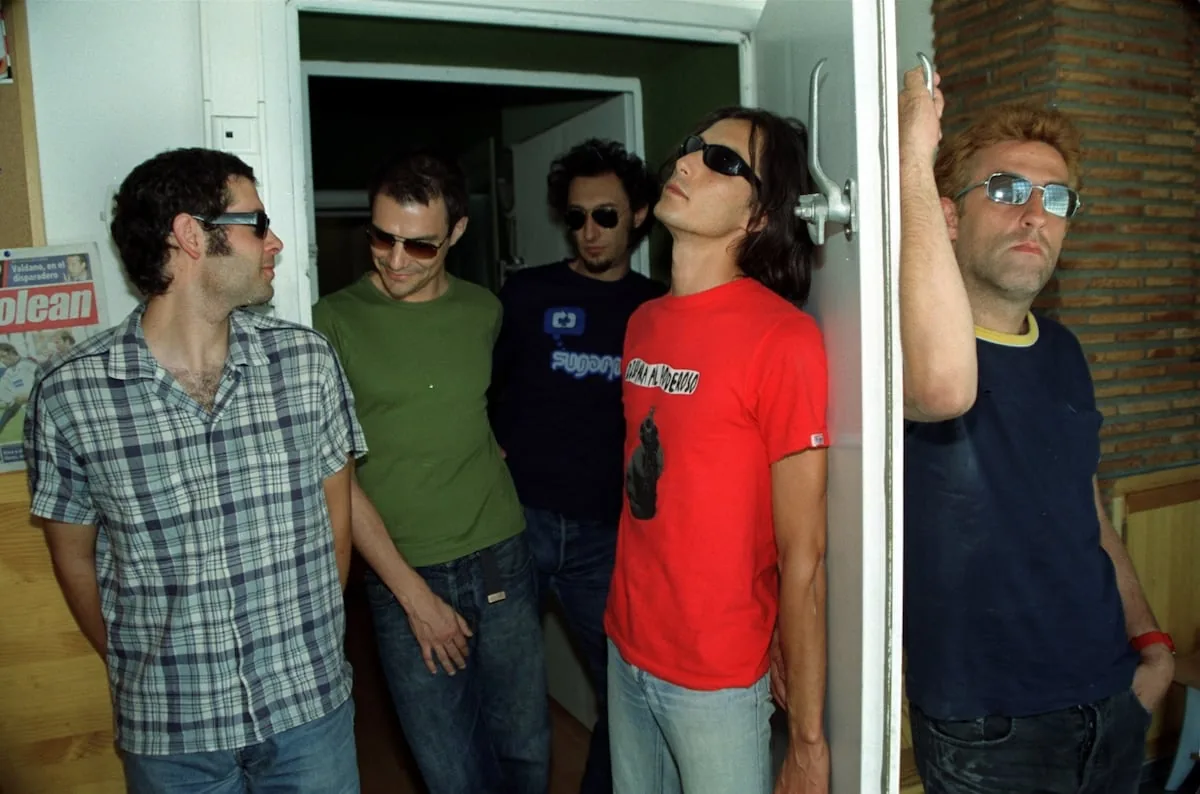
The next musical boom was brewing in a parallel universe, which its residents tended to deny three or more times: indie. An exquisite and feisty minority, exemplified by Los Planetas. People knowledgeable about the current underground and erudite in cult artists, very critical of the music industry, obsessed with their idea of authenticity. Their career, abundant in sonic mutations and personnel renewals, remains the gold standard in their particular subculture; they even survived the embarrassment of being portrayed as eccentrics in the film Segundo premio.
Alligator Skin Shoes, co-authored by Juan Jesús and the late designer Jokin Martín (did I mention its graphic design is stunning?), covers up to the year 2000 and promises a second volume. Aware that Granada does not practice monoculture, García dedicates pages to heavy metal, folk, jazz, singer-songwriters (Carlos Cano is included, but not Joaquín Sabina). The abundance of outdoor festivals and the number of fresh talent competitions are also highlighted. The main blind spot is flamenco, which would surely need a separate book. It turns out that Granada never runs out.
Read more The war in the Middle East spurs Kurdish diplomacy in Madrid: “We are caught in the crossfire”