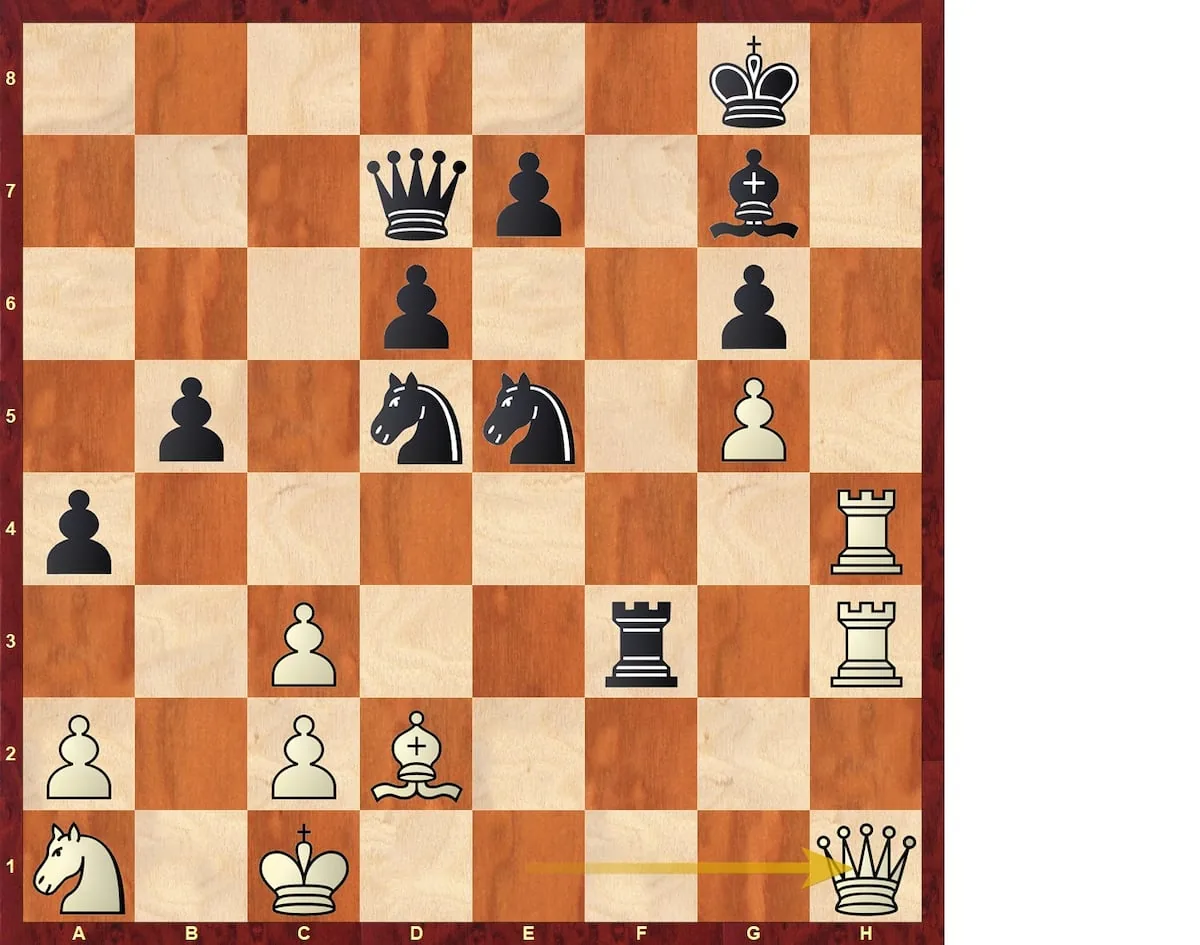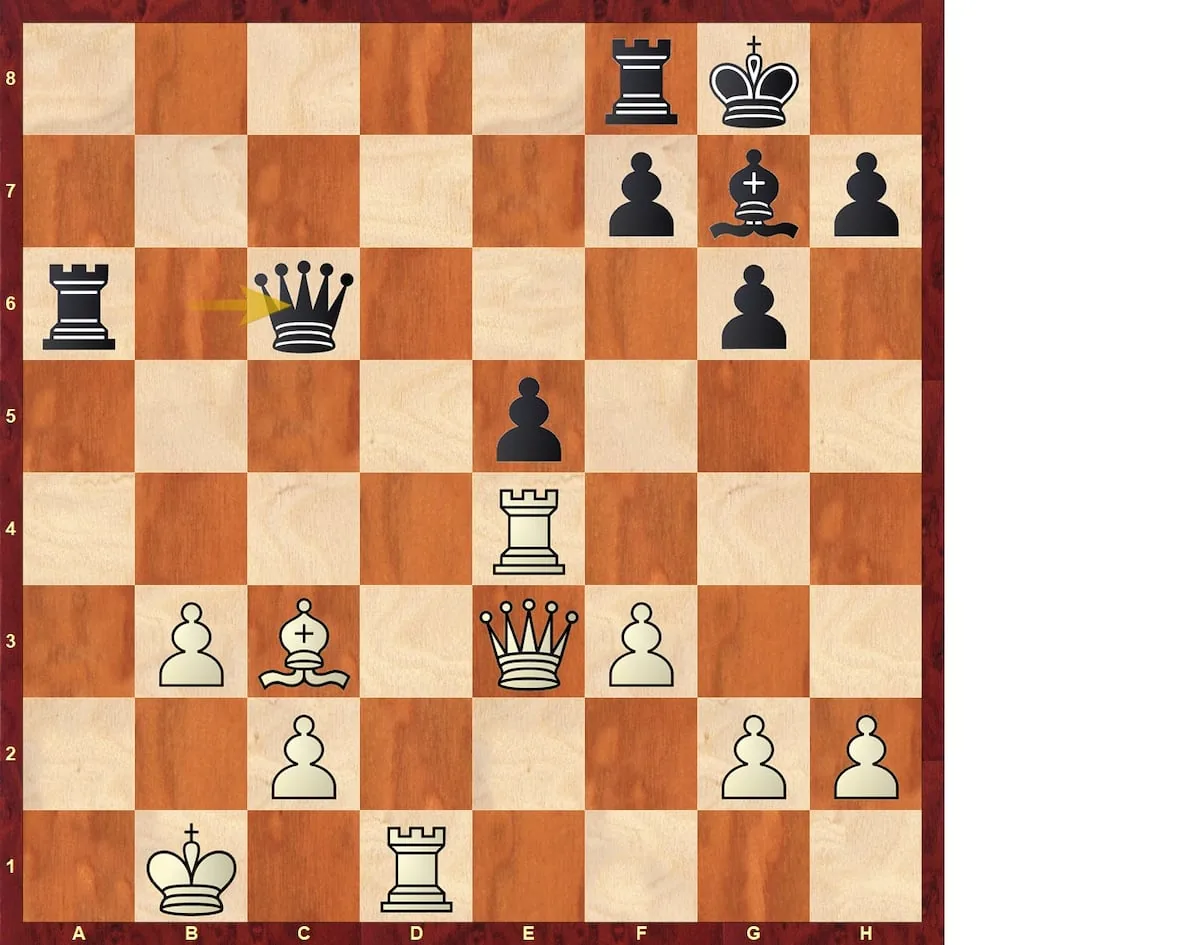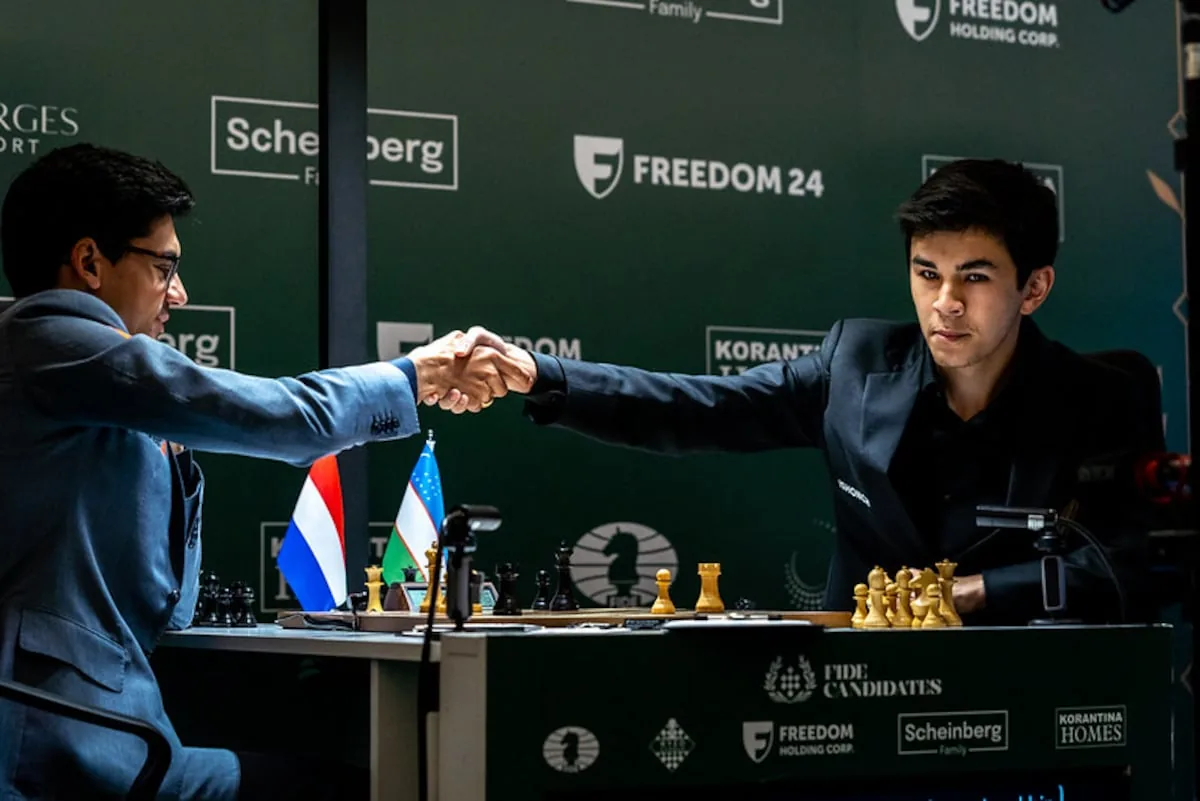







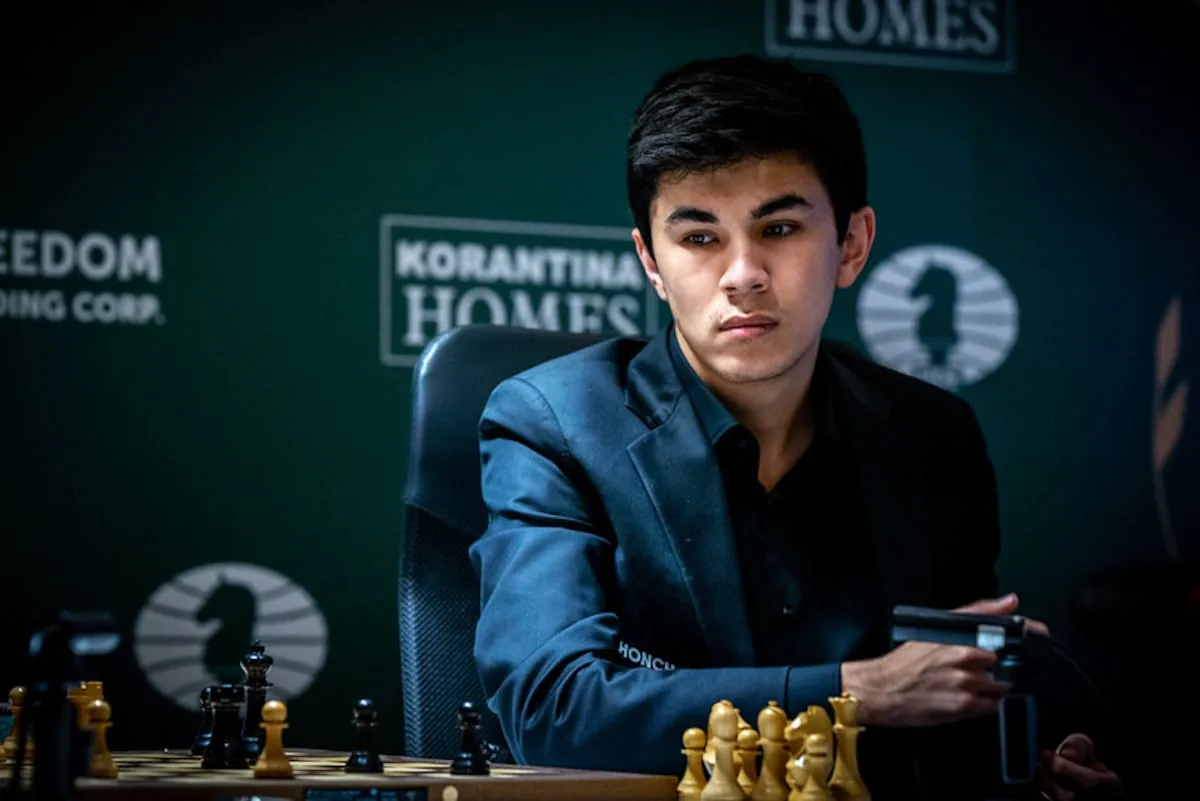
For Yavojir (Javokhir in the official spelling) Sindárov, life is, above all, about playing; he considers himself gifted “for all kinds of board games.” His earliest memory, at four years old, is the day he discovered chess in a daycare in Tashkent (Uzbekistan). At 20, he has just won the Candidates Tournament in Peyia (Cyprus). This makes him the challenger to the Indian Dommaraju Gukesh, 19, not before November. They are the youngest finalists in World Championship history. Both consider strategy secondary, and they have not studied the classics; where they shine is in calculation, like the computers that train them.
Read more A cyclist dies run over by a truck in Granada
Sindárov welcomes EL PAÍS after being warmly congratulated by Shávkat Mirziyóyev, the president of Uzbekistan, where chess is one of the most popular sports; in November, when he became the youngest to win the World Cup, the president ordered that he be given a three-bedroom apartment, among other perks.
He has slept soundly, as he has in the few days he has been at home, between tournaments: “I get up at one or two in the afternoon, spend time with my family during the day and with my friends from dusk. Those days I only rest. But when I am at training locations with my team everything changes; we work between eight and ten hours daily, including physical and psychological preparation, and we try to reserve three or four hours to watch movies or other activities unrelated to chess.”
Chess is undoubtedly the word that threads his life, to the point that he finds it hard to remember anything from his earliest childhood that is not connected to the 64 squares. That said, he recounts in detail the oldest thing in his memory: “I was four and a half years old. A friend went to kindergarten, where they gave chess lessons; one day I accompanied him. I liked it, and I asked my grandfather to teach me how to play. The next day, the kindergarten teacher was amazed when she saw that I not only knew how to move each piece but also how to set them in the starting position. She asked to speak with my parents to tell them. My passion for chess was so great from that first day that, when the other children took naps, I, who hated sleeping, played chess, and that made me the happiest person in the world.”
His grandfather was key: “A week after learning to play I participated in my first tournament, where everyone beat me. At the closing ceremony, I was sitting in the front row, sad, watching the medals being handed out. My grandfather noticed, gave me small gifts, and said: ‘This is your prize.’ Six months later I was the best player in my family. That’s how it all started.”
Does he believe he is gifted only for chess or would his intelligence allow him to succeed in other fields? “I think I have a special talent for all games. And I always strive to win every game, whatever it is. When I lose, I need to play another immediately. On the other hand, if I weren’t a chess player I might have tried to be a diplomat or something like that, because I really like talking to very different people. I regret not having time to closely follow international politics because my life from tournament to tournament, with my mind very focused on chess, barely allows it, but I do try to keep up with international news.”
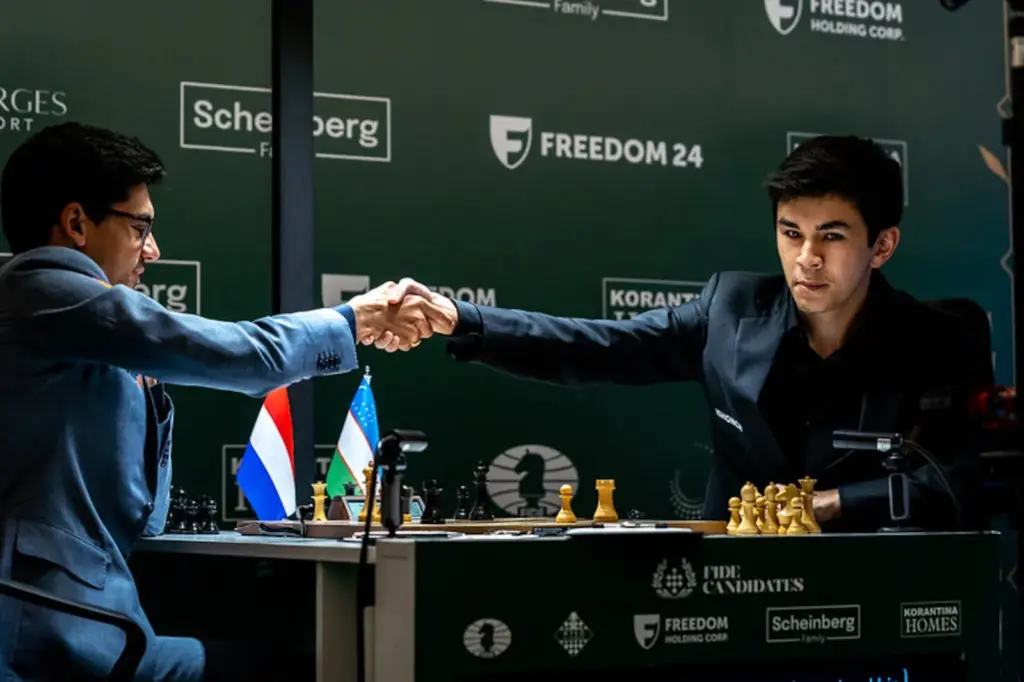
Psychologists and psychiatrists usually agree that chess, as a mental combat sport, channels the tendency to violence that every person carries inside, to a greater or lesser extent. Listening to Sindárov when he defines himself as a person, everything fits: “I think I am kind, I am not boring, I like to enjoy the company of anyone and I avoid fights at all costs. In fact, I didn’t like them as a child, even though almost all the children at school had fights constantly. I remember I had only one, I won it, and never again. It’s much better to get along with people.” He loves playing padel, and watching football and tennis.
Read more Judge María Lourdes Platero will try the alleged tax fraud of Ayuso’s partner
Like Gukesh, the rival he will think about day and night from now until the end of the year, and almost all other chess stars born in the 21st century, Sindárov has not specifically studied the classics. For example, he has not read the book series My Great Predecessors, where Garry Kasparov, the best in the world from 1985 to 2005, meticulously analyzes the best games of the great champions since the 19th century. That reading was considered the Bible of chess, at least mandatory, even for the Norwegian Magnus Carlsen, the current undisputed number one at 35 years old.
But not for the twenty-something or younger geniuses: “It’s very rare that I read books. My coach insists on it, but I prefer that he teaches me things on the board. For example, I have never looked for games of great champions from the past on my own, like [the Cuban] Capablanca (champion a hundred years ago) or [the Soviet] Botvinnik [in the mid-20th century], although I have seen some when my coach shows them to me.”
The logical deduction from that fact is that deep strategy, medium or long-term thinking in a game, positional considerations… are now secondary because computers have taught them to play differently. And Sindárov fully confirms this: “I agree that chess has changed a lot. I don’t want to explain in detail my thought process in a game, for obvious reasons. But I can summarize it like this: I am always calculating, and when I have to make a decision without time to calculate everything I would like, I trust my intuition. Very concrete calculation is the basic element of today’s chess.”
Is calculation then what differentiates a star from a good player? “Today anyone can be very good in openings [the first ten or 15 moves of a game], due to training with very powerful computers. It’s not like before, when Kasparov stood out a lot from the others because he had the resources to have a team of very good coaches. Therefore, what makes the difference are other abilities, such as calculation, quick reflexes, time management, technique, etc. It is also important to plan what kind of positions you want to achieve against each specific opponent, or against whom you will take more risks in search of a victory.”
A couple of years ago, Sindárov was just another young star. Now he has just won the Candidates with the highest score in the recent history of that tournament (ten points out of fourteen possible, undefeated). What has changed? “I have improved in everything: openings, middlegame, endgames, calculation, physical preparation and also psychological. And, of course, the enormous help the Government gives me is very important. However, no matter how much they help you, and even if you have great talent, the most important thing is to work very hard. And that is what I do almost every day.”
Read more Sheinbaum offers key points from the Barcelona summit: “It is not an anti-Trump meeting”