








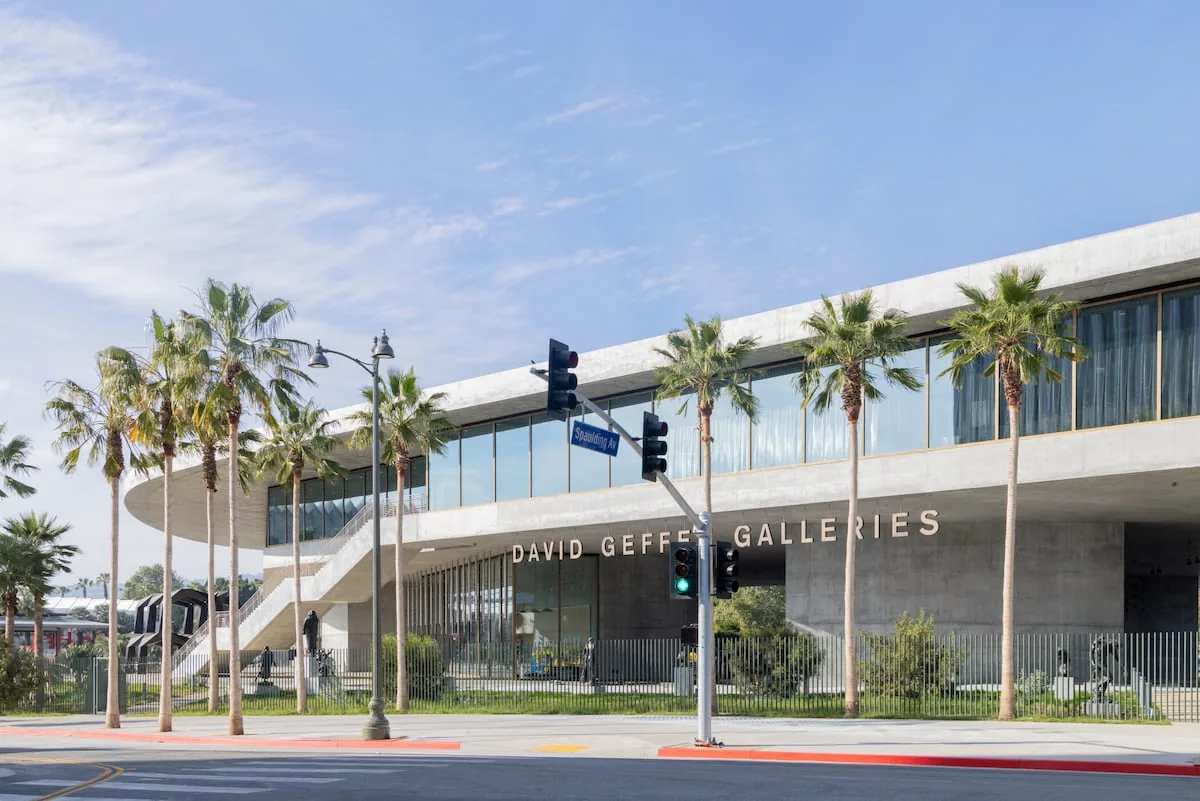
The new LACMA (Los Angeles County Museum of Art) is announced as the largest museum in the American West. The 6,000-year timeframe, in which its 155,000 works are located, explains why. But it is the building that, without extravagance or shouting, speaks most clearly.
Read more Morante spends the night in the ICU with a rectal perforation of uncertain evolution
The new headquarters bears the signature of Peter Zumthor, an architect with a reputation for minimalism who, however, far from perpetuating an austere style, demonstrates with his interventions his deep knowledge of places, typologies, and the history of architecture. How does he do it? By paying attention to the place.
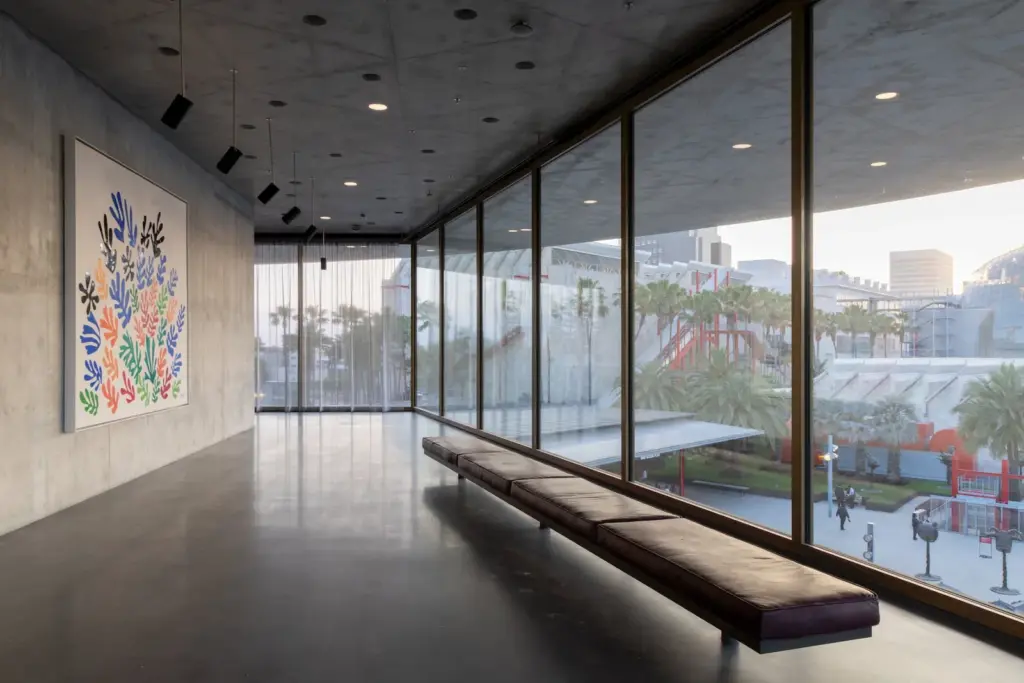
In Los Angeles, it offers views of the city itself. That is, connection: more than protecting art, it reconnects it. It also elevates the permanent collection to the first floor to leave external public spaces on the ground floor. Finally, it chooses a classical language, outside of trends, for the museum’s location. North American classicism, its organic modernity, makes the softness of Zumthor’s curves and the craftsmanship of his glass facades take root more than an introverted prism or a building with a message that silences everything else. Discarding the nineteenth-century language of large national gallery collections and warehouse-type venues, Zumthor transforms the digestion of modernity into something Californian, alive, fresh, and classical all at once.
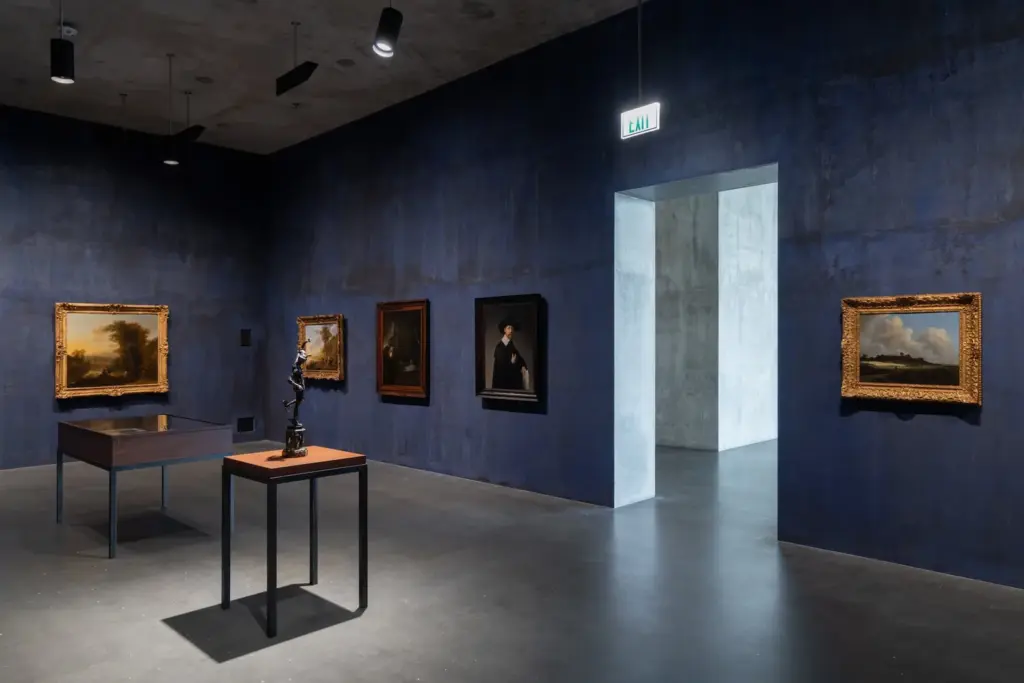
This architectural decision offers freedom to curators and visitors. The former, as is the case with much of current museology, find it easier to establish connections between eras and disciplines. Visitors must choose. There are no marked routes, they cannot follow an established order, they are invited —and obliged— to build their own visiting route.
The lighting also works with this criterion: changing, it is designed for each piece rather than for the whole. And, and this is somewhat unusual, for much of the day, it relies on natural light that brings the works closer without drama.
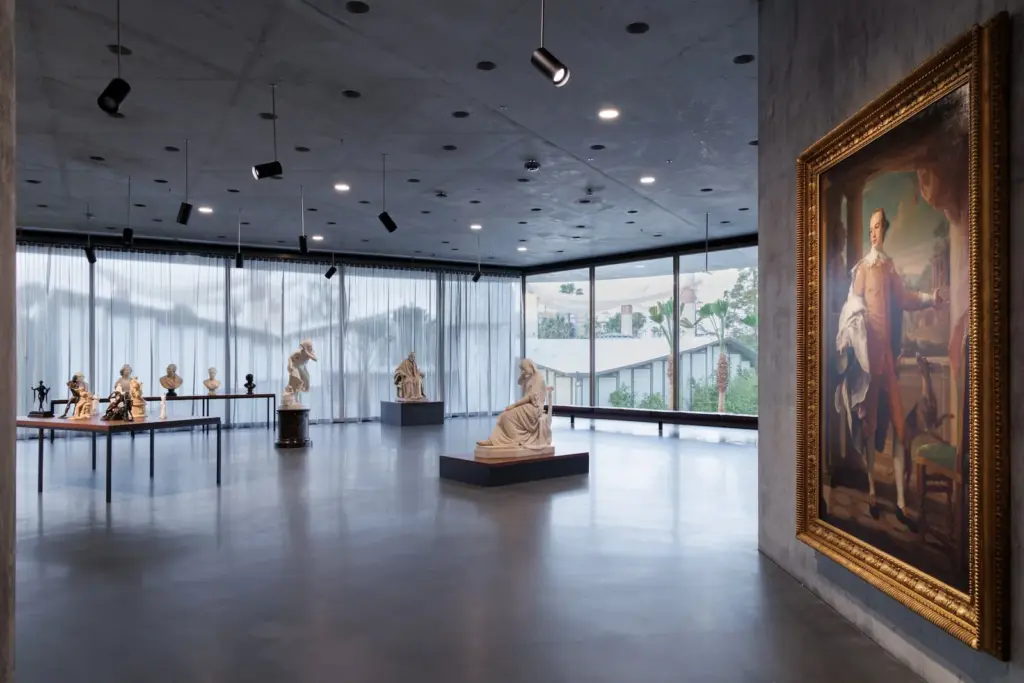
A Japanese textile artist, Reiko Sudo, has designed the pulverized steel curtains which, having a metallic sheen, are transparent and prevent the sun’s incidence on the works. In this way, the permanent collection also approaches the change in lighting that occurs with the passing hours of the day, with the weather, with the seasons of the year, and with chronological time.
Organic and sculptural, the building is made of concrete and glass. Nothing more. Floor-to-ceiling glass panels form the facade that Zumthor designed for the David Geffen galleries. The property extends between the neighboring park, Hancock, and the access avenue, Wilshire Boulevard. And it makes vegetation and the urban landscape part of the route that opened last Sunday. As a calling card, an installation seeks to investigate the connections between Pacific, Indic, Atlantic, and Mediterranean maritime cultures. It aims to establish the unique and the cross-pollination between these cultures. This effort to deepen history, and to correct it, is joined by contemporary works such as Todd Gray’s landscape photography, Octavia’s Gaze (2025).
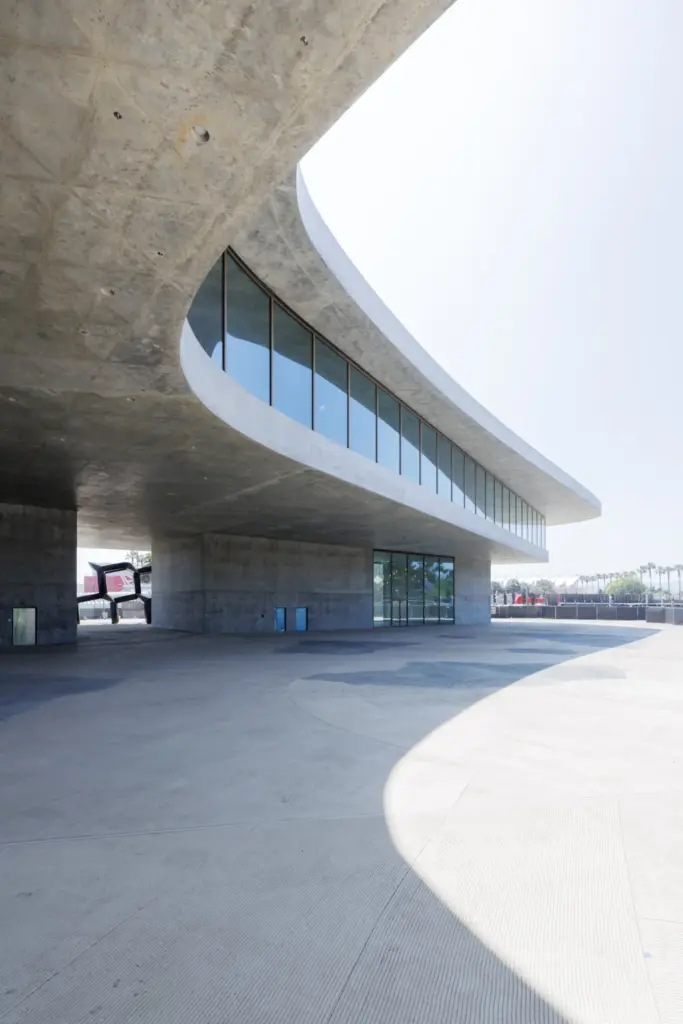
An auditorium, a bookstore, and a restaurant —to open in the fall— complete the building. The museum, however, does not end inside. In the ground floor garden, in terraced areas, and in the large plaza gained for the city, permanent interventions coexist, such as Tony Smith’s sculpture Smoke (1967) or the fountain Three Quintains (Hello Girls) that Calder conceived in 1964, and which is shown here in a new location, a sheet of water designed by Zumthor. Works by contemporary artists, such as ceramics by Mariana Castillo Deball or Pedro Reyes, will coexist with Rodin’s works in an anthological and total museum that, from its proximity to the city of Los Angeles, seeks to tell new visitors the 6,000-year history of universal creation.
Read more The white Iberian lynx found in October in Jaén is changing color