

Numbers are hard to ignore. According to the PISA 2022 report, the Latin American region continues to lag behind the global average in reading comprehension, with socioeconomic and gender gaps that are perpetuated from generation to generation. In 2023, it was also estimated that 56% of ten-year-olds in Latin America and the Caribbean could neither read nor understand a simple text. The challenge ahead is to build, with a long-term perspective, a region that includes and enhances the capacity of all these young people so that no one is left out of the system.
Read more Do not think about public education
At CAF – development bank of Latin America and the Caribbean, we understand that development is not built solely with physical infrastructure. It is also built with institutional infrastructure, with cultural and educational initiatives to promote literacy, and with proposals that innovate in these fundamental rights for the region’s children and youth. That is why, alongside our work in energy, transportation, housing, health, and satellite technology, we have also been betting on these strategic sectors.
Since 2024, we have been promoting the Program to Foster Books, Reading, and Writing, in partnership with the Organization of Ibero-American States (OEI), the International Board on Books for Young People (IPA), and the Gabriel García Márquez Foundation. Through this program, we promote contests, publications, dialogue spaces, and good editorial practices, with the conviction that cultural and creative industries are also engines of social inclusion. And this year, that commitment materialized in an agenda of participation and support for book fairs that fills us with pride, covering spaces in Bogotá, Buenos Aires, Madrid, Guatemala, La Paz, Panama, and Caracas, among others.
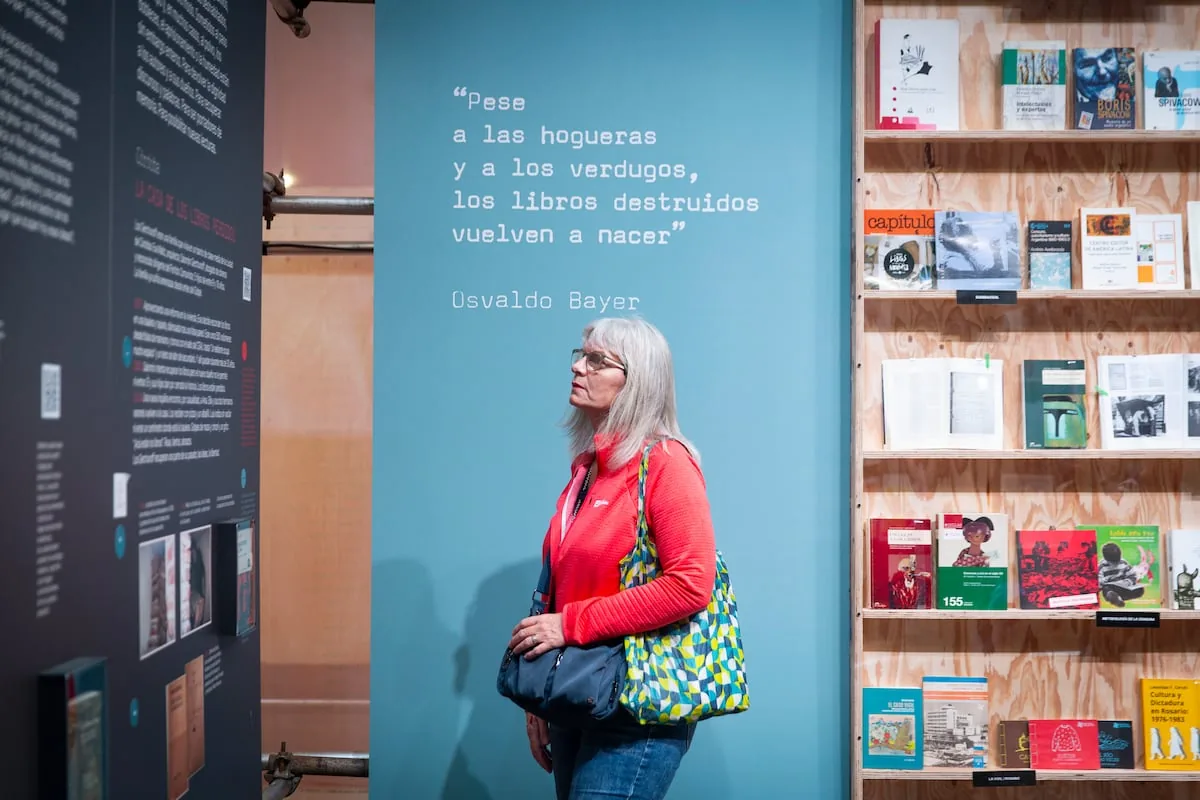
The Buenos Aires International Book Fair, which ends today, was a very significant stage. With 130 activities between April 21 and May 10, CAF’s stand in the yellow pavilion brought together political leaders, academics, creators, and citizens from across the region around the major development issues. We spoke with governors and mayors from all over Argentina, with university rectors, and with leaders of the creative economies about book industries, intangible heritage, music festivals, and the intersection between culture and innovation. It was also the space where we presented our work in university infrastructure, satellite technology, housing and habitat, and health and well-being.
Read more Israel, from euphoria to disappointment in 20 seconds
The activities dedicated specifically to reading, writing, and the cultural world left a particularly lasting mark. There were more than 30 panels on Latin American literature and its international circulation, conversations about the role of the audiovisual world in forming new readers, debates on the role of cultural festivals as a tool for territorial cohesion, and reflections on how digital platforms can be allies of the book. For the first time, we also had a presence in the professional sessions, where, together with professionals and specialists from the book value chain, we reviewed the work of each link in the production of that artifact. We also spoke with librarians, educators, and academic leaders about their tasks in each case.
Latin America and the Caribbean’s greatest asset, the one that enhances all others, is its human capital. And that capital is formed before reaching any university. It is formed in the neighborhood library, in the habit patiently built around a page, in the book fair that every year brings millions of people together to remember that words matter.
Read more Foldable, stackable, and ventilated: the shoe organizer that fits any space