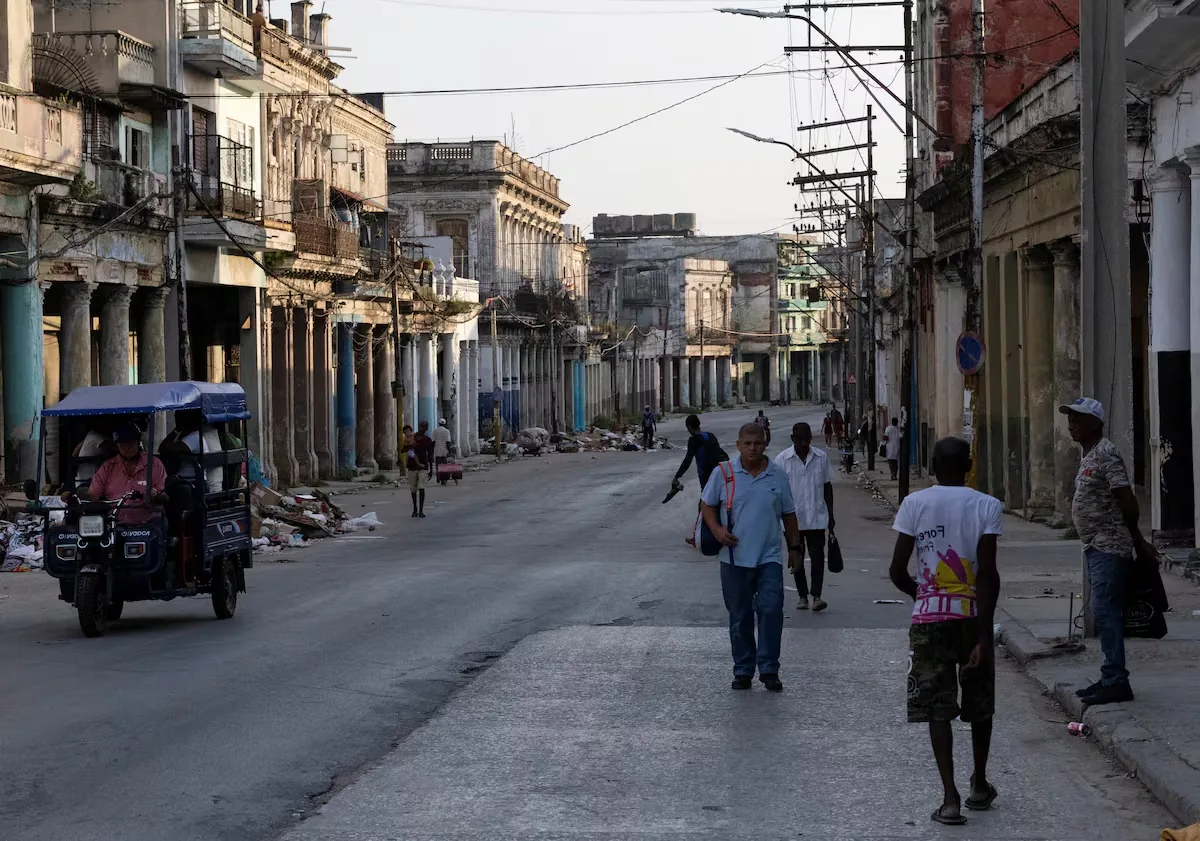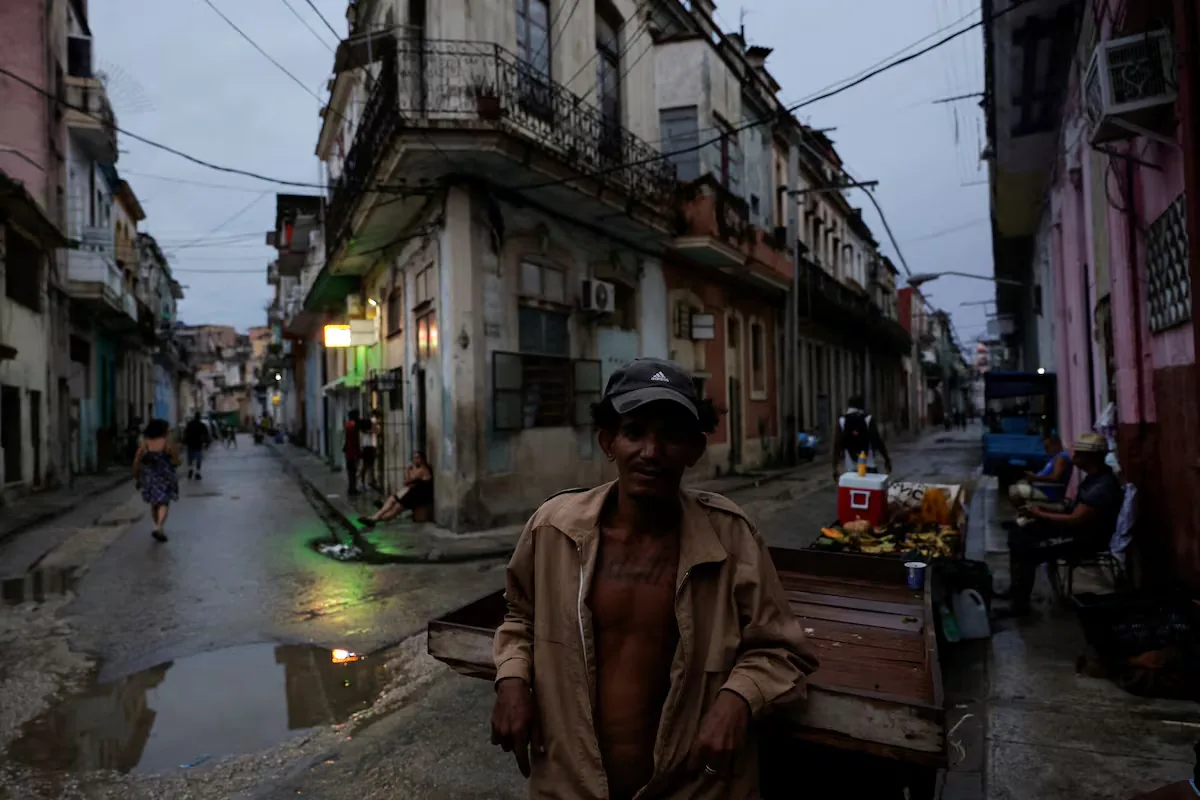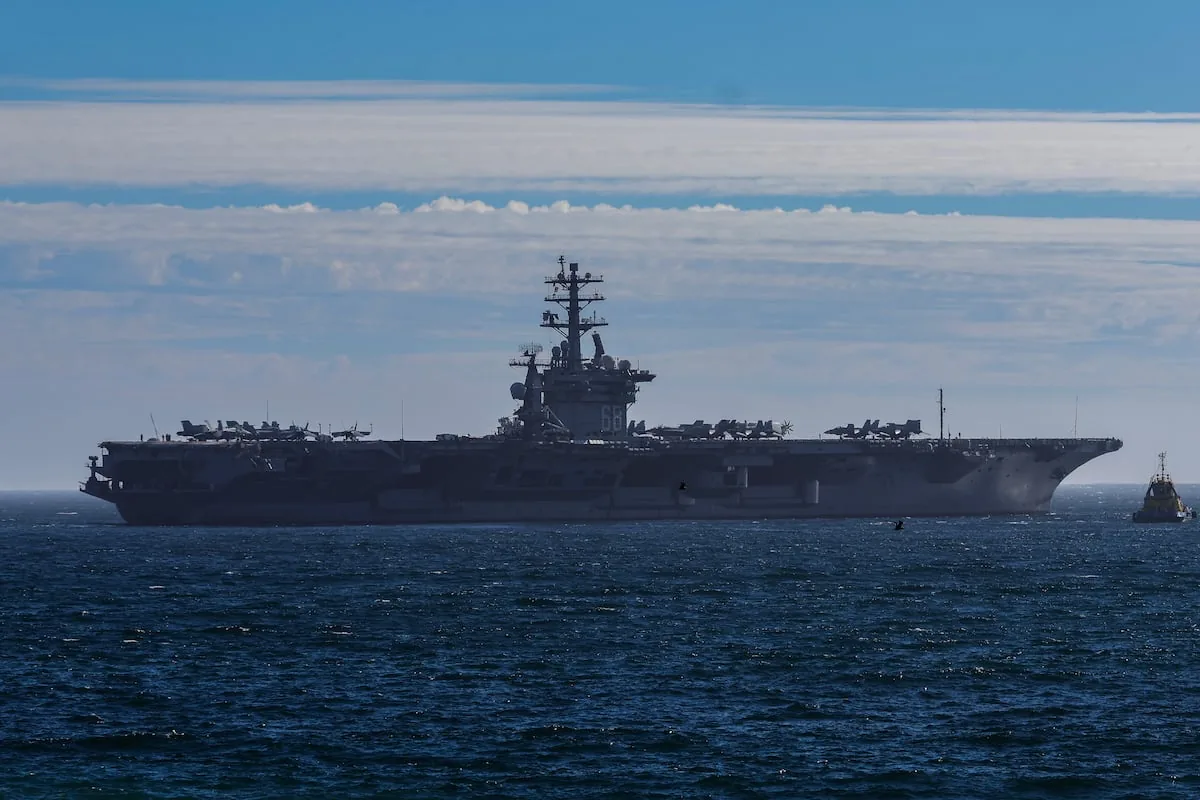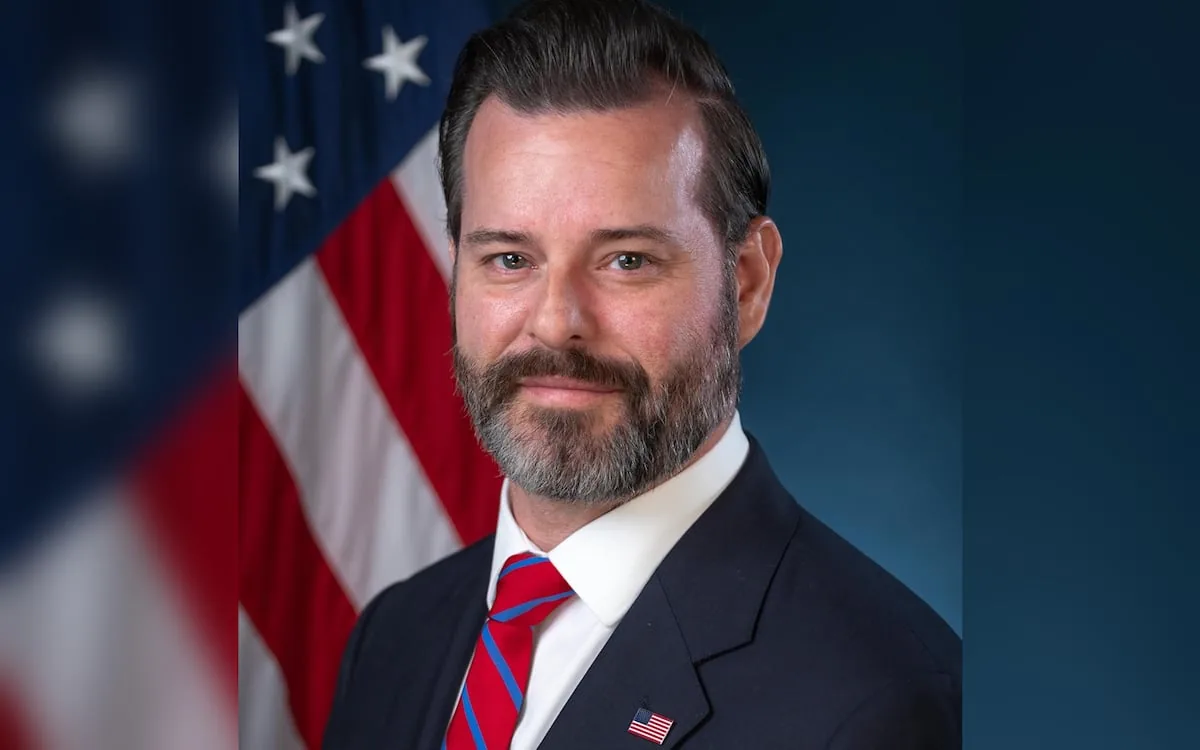
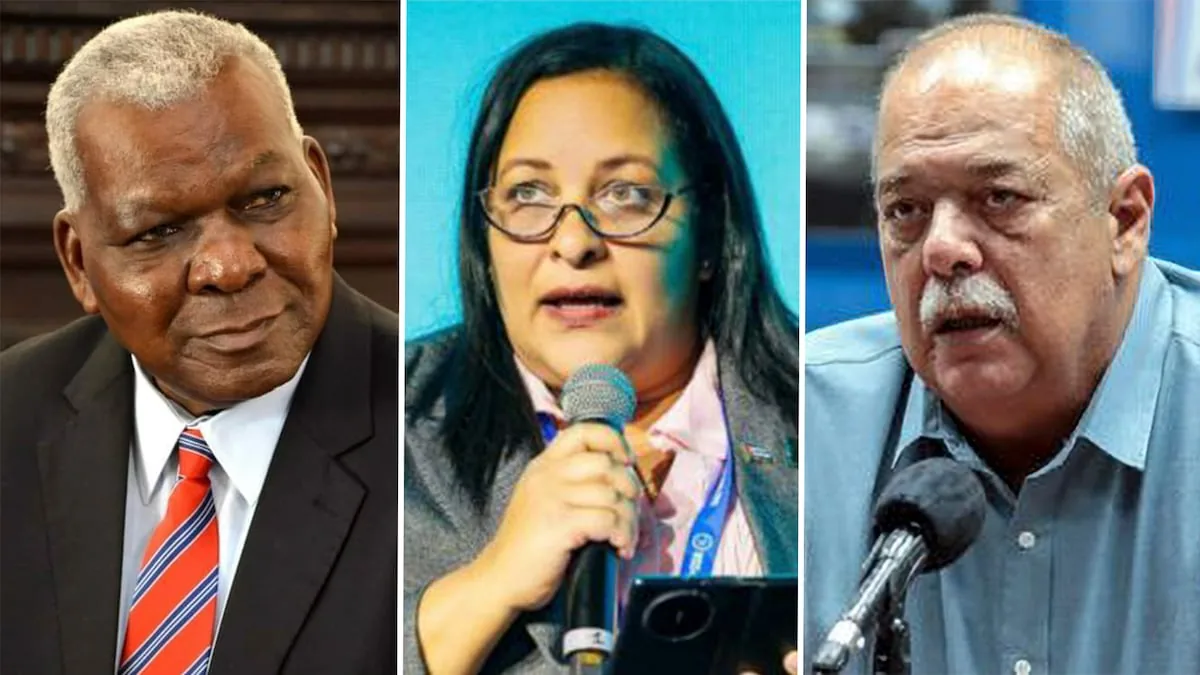
The Treasury Department imposed new sanctions this Monday against eleven representatives and three entities from the police, political, and intelligence sectors of the Cuban government, including the ministers of Energy and Communication, in a new step in its pressure measures against Havana.
Read more Mexico demands Israel ensure the safety of nationals aboard the intercepted pro-Palestinian flotilla
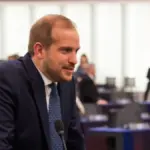
The Office of Foreign Assets Control (OFAC) of the Treasury Department indicated in a statement that among those included in the Specially Designated Nationals and Blocked Persons List are the Minister of Communications, Mayra Arevich Marín, and the Minister of Energy and Mines, Vicente de la O Levy. Also listed are the President of the National Assembly of People’s Power of Cuba, Juan Esteban Lazo Hernández; the Police Director, Óscar Alejandro Callejas Valcarce; and Roberto Morales Ojeda, member of the Political Bureau of the Central Committee of the Communist Party and Secretary of Organization of the Central Committee.
OFAC also includes in its blacklist regime entities: the Revolutionary National Police (PNR), the Ministry of the Interior (MinInt), and the Intelligence Directorate, also known as G2 and considered the main Cuban intelligence service abroad.
All of them have been subjected to the executive order signed by Donald Trump on the first of this month, number 14404, which targets “those responsible for repression in Cuba and threats against the national security and foreign policy of the United States.”
The sanctions require freezing any assets that those on the list may have under U.S. jurisdiction and prohibit doing business with individuals or companies from this country.
“For more than sixty years, the Cuban regime has prioritized its communist ideology and personal enrichment over the welfare of its own citizens, while allowing Cuba to be exploited for military, terrorist, and foreign intelligence operations,” the State Department said in a statement after the new sanctions were announced. “The United States will continue to take measures to counter the Cuban regime, those who try to advance its goals, and those abroad who allow the elites to take advantage while the Cuban people suffer.”
Read more The Russian ship sunk in 2024 off Cartagena was carrying components for a nuclear icebreaker
This is the second round of sanctions against Cuba in less than two weeks. On the 7th, the Trump Administration already included the GAESA conglomerate, under military control, and other Cuban entities on its list of specially designated nationals and entities.
The announcement of the sanctions comes as the United States is expected to file charges this Wednesday against the strongman of the Cuban regime, Raúl Castro, 94, for his role as then Minister of Defense in the downing of two planes of the anti-Castro organization Brothers to the Rescue in 1996, by Cuban fighter jets over international waters.
In another pressure measure, the CIA director, John Ratcliffe, visited Havana last week to meet with the director of Cuban intelligence services, Ramón Romero Curbelo; the Minister of the Interior, Lázaro Casas; and Raúl Castro’s grandson, Raúl Rodríguez Castro. He conveyed to all of them the personal message from the President of the United States, Donald Trump: that Washington is willing to lend a hand in the face of the island’s very serious problems, but only if the regime undertakes “fundamental changes.”
And also that the Republican’s patience is running out. Trump, euphoric after the success of the military operation that deposed President Nicolás Maduro in Venezuela on January 3, declared a few days later that Cuba was “about to fall” and since then has frequently insisted that the island “will be next” on his list of interventions in other countries. At the end of January, he also imposed, through an executive order, an energy blockade against Havana, threatening sanctions and tariffs on countries that supply fuel to the Caribbean nation.
Read more Vehicle in which Yulitza Tolosa was last seen found in Cúcuta