




The United States has taken a new step in its fight against drug trafficking in Mexico. The Office of Foreign Assets Control (OFAC), of the Treasury Department, has imposed financial sanctions on a dozen individuals and linked companies, accused of laundering profits from the Sinaloa Cartel through two operational networks ranging from restaurants to cryptocurrencies. The sanctions add pressure to the relationship between the two main trading partners in the region, amid accusations from Washington about the penetration of drug trafficking in Mexican politics, following the criminal charge against the governor – currently on leave – of Sinaloa, Rubén Rocha Moya.
Read more Bad Bunny lands in Barcelona and his fans have already spotted him on Passeig de Gràcia
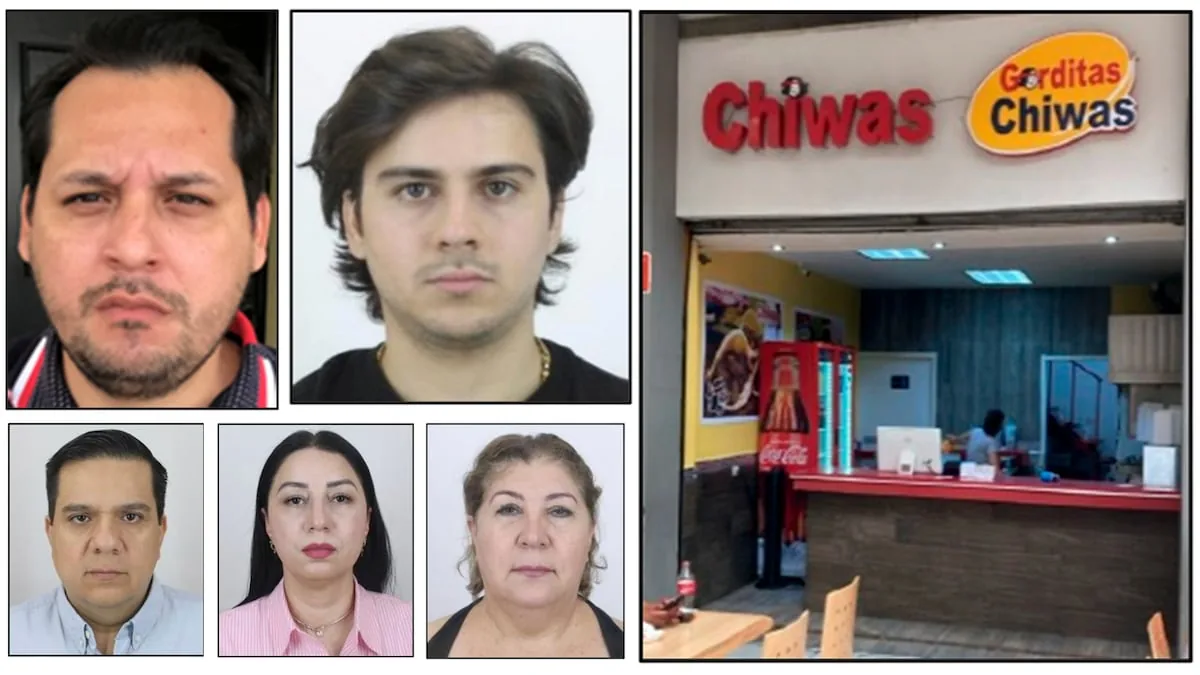
In its statement, OFAC identifies Armando de Jesús Ojeda Avilés as the leader of one of the operations in Sinaloa, allegedly affiliated with the Los Chapitos faction, sons of the imprisoned Joaquín El Chapo Guzmán, who is serving a sentence in the United States. According to the information released this Wednesday, Ojeda would have coordinated the collection of large amounts of cash in the United States, proceeds from the sale of fentanyl and other illicit drugs, to later facilitate its conversion into cryptocurrencies and transfer them to the Sinaloa Cartel. In this regard, the unit also designated the Mexican security company Grupo Especial Mamba Negra and the restaurant Gorditas Chiwas, located in Chihuahua, for being owned by alleged front men of the operation.
Jesús González Peñuelas is the leader of the second network accused of moving large amounts of cash and using businesses in Mexico to launder money. He has also been identified as the alleged person responsible for the production and distribution of illegal drugs, previously charged in courts in California and Colorado. Authorities offer a five million dollar reward for his capture.
“These sanctions were also coordinated with the Financial Intelligence Unit (UIF) of the Government of Mexico,” the agency indicated in its press release. As a result, all assets and properties of the designated individuals and companies located in the United States must be reported to OFAC. Likewise, all transactions carried out by U.S. citizens — or within U.S. territory — involving assets or interests of the sanctioned persons are prohibited. Indirectly, the scope of these measures extends to Mexico, given that the local financial system maintains extensive correspondent banking links with the U.S. system.