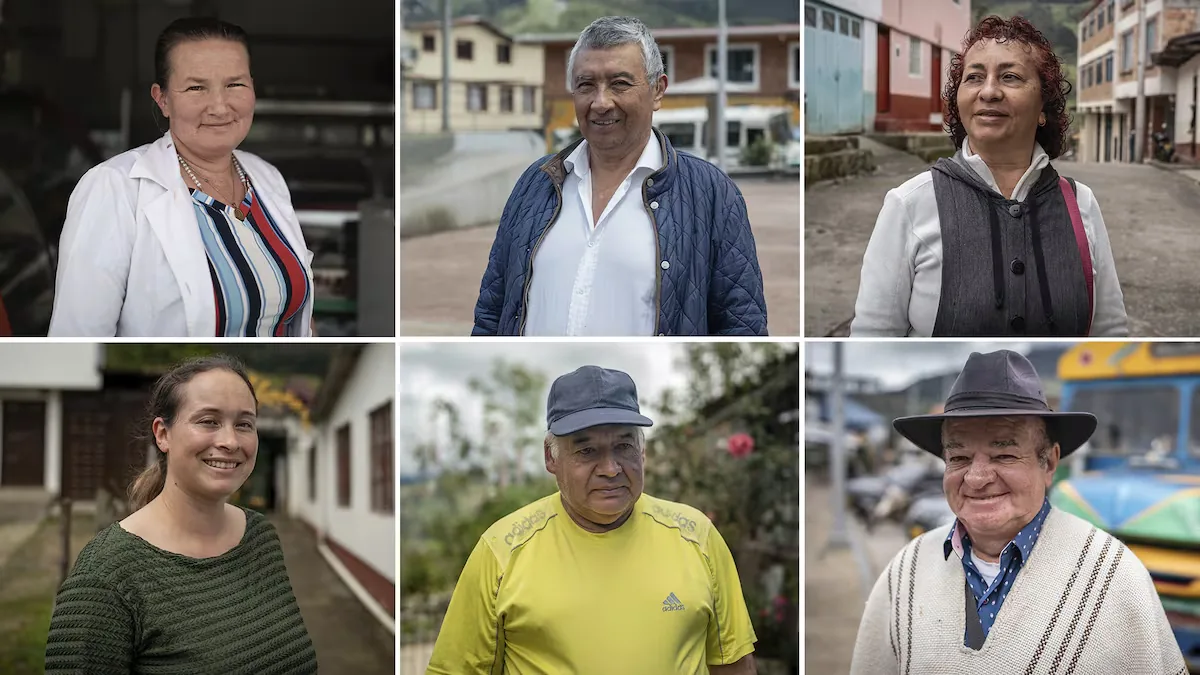








Colombia has demonstrated, once again, that it has a solid, participatory democracy supported by a broad institutional and citizen structure that provides guarantees to all political actors. The Colombian electoral process does not depend on a single entity; on the contrary, it is a collective construction in which hundreds of thousands of citizens and institutions committed to transparency and the legitimacy of elections participate.
Read more Mexican economy: poor start in 2026
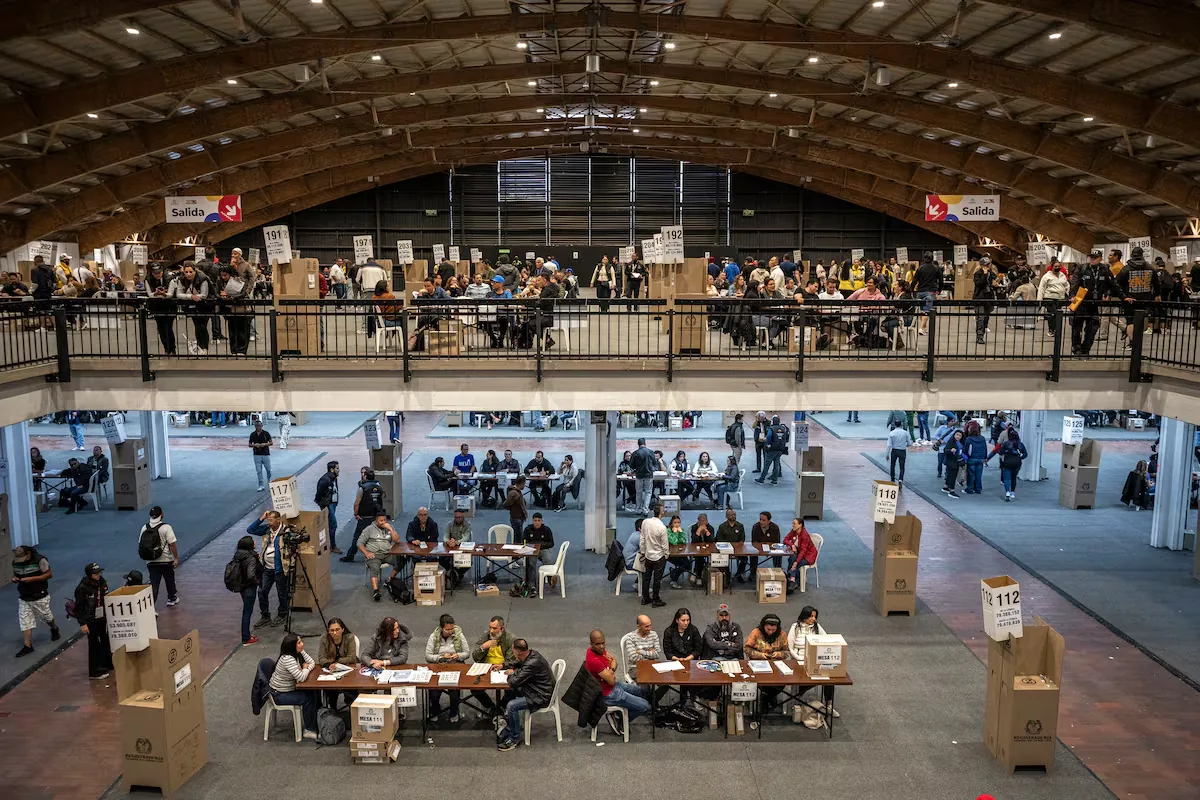
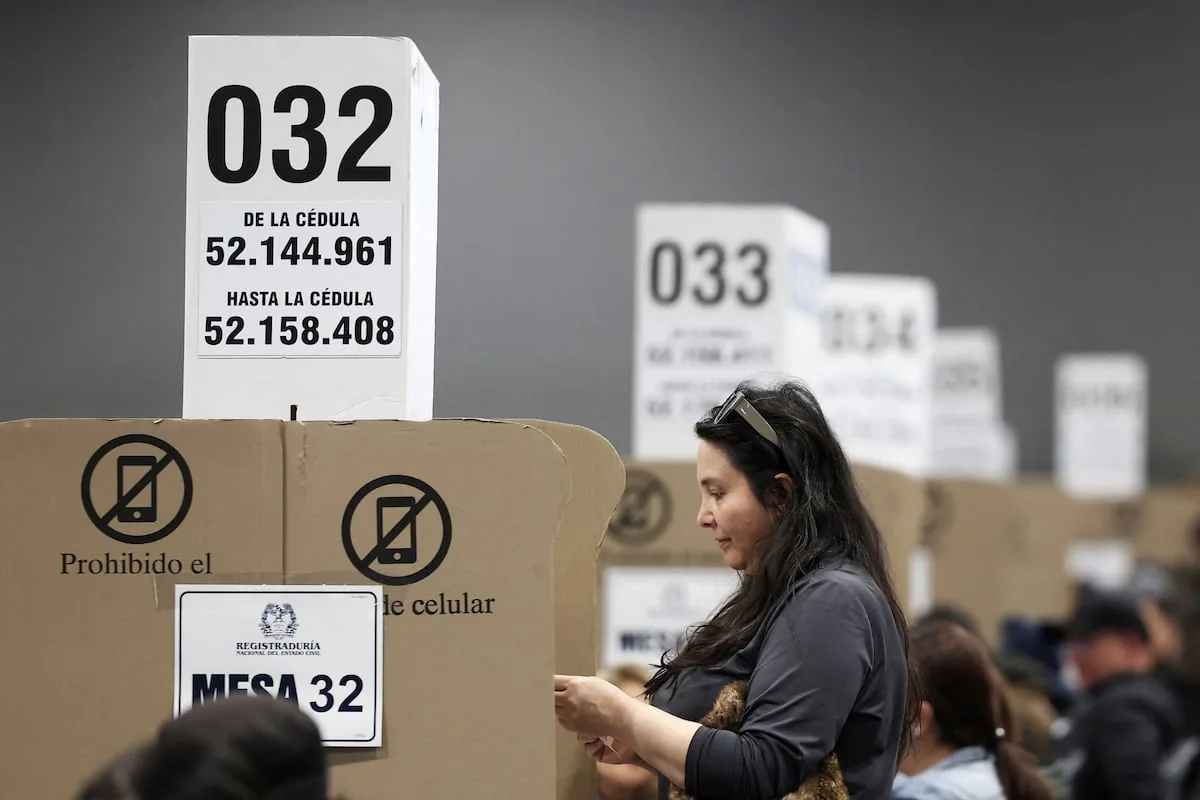
Each election day mobilizes one of the largest and most complex democratic operations in Latin America. About 860,000 voting jurors perform the fundamental task of attending the tables, counting the votes, and filling out the electoral records. In addition, more than 9,300 judges and notaries make up the counting commissions and have the constitutional and legal responsibility to officially declare the results in all municipalities of the country.
Similarly, around 800,000 electoral witnesses accredited by campaigns and political movements participate, who exercise permanent oversight over each stage of the process. This structure also includes the operational officials of the Registraduría, responsible for ensuring the organization and proper functioning of the elections in every corner of the national territory. This May 31, 41.4 million Colombians are called to elect their next head of state.
The Colombian electoral system also has the active presence of all state control and oversight authorities. The Office of the Attorney General, the Office of the Prosecutor General, the Office of the Comptroller General of the Republic, the Ombudsman’s Office, among others, perform permanent accompaniment and supervision functions. Likewise, hundreds of national and international observers participate in each election as an additional guarantee of transparency, neutrality, and public trust.
Recent experience confirms the strength of the system. The election day on March 8, when about 20 million Colombians went to the polls to elect the Congress of the Republic, was widely recognized as an organized, transparent, and efficient democratic exercise. Various international observation missions — European Union, Carter Institute, Transparency, and the Electoral Observation Mission — highlighted the civic behavior of citizens, the institutional capacity of the state, and the country’s commitment to democracy and political participation.
Read more A Certain Scent of Peña
One of the most outstanding aspects of the Colombian model is the speed and reliability in the dissemination of preliminary results. The electoral pre-count in Colombia is one of the fastest on the continent and also one of the most technically robust. Its strength is based on more than 360,000 electoral records from the nearly 122,000 tables installed throughout the national territory. Each disclosed result corresponds to the report prepared by citizens at the voting tables and is subject to verification by parties, witnesses, authorities, and observation bodies.
Therefore, there is no objective reason to sow widespread doubts about an electoral system that has been constantly tested. In the last two years alone, Colombia has held about 30 electoral processes including atypical elections, consultations, and other democratic participation mechanisms, all carried out with full institutional guarantees and national and international recognition.
Of course, as in any democracy in the world, the system is susceptible to permanent adjustments and improvements. However, one thing is to promote reforms and strengthen institutions, and quite another is to politically instrumentalize electoral authorities or delegitimize the democratic process without foundation. Such discourses cause enormous institutional damage, weaken citizen trust, and send the wrong message both to the country and the international community.
Today more than ever Colombia needs unity, calm, and institutional responsibility. The country must send the world a clear message: that despite its sad history of violence and polarization, it is a nation capable of resolving its differences within the democratic framework, through free voting and respect for institutions. The strength of our democracy lies precisely in citizen participation, collective oversight, and the capacity of the state and society to guarantee transparent, reliable, and legitimate elections.