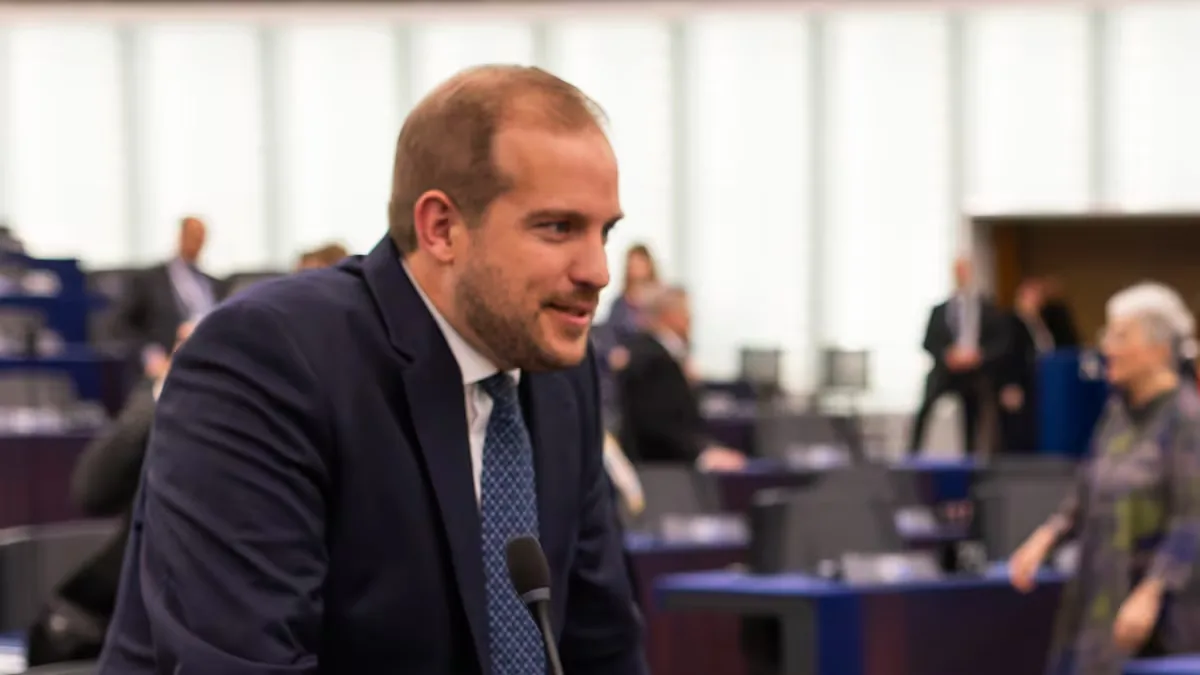








US Secretary of State Marco Rubio stated on Tuesday that the Strait of Hormuz must remain open “one way or another” and that negotiations with Iran continue, although resolving the discrepancies in the initial draft will take “a few days.” “It’s going to be a good deal or there won’t be any,” Rubio told reporters in the Indian city of Jaipur. Amid ongoing peace negotiations with Iran, the United States reported late Monday that its military conducted attacks on targets in southern Iran “in self-defense.” This incident does not mean that the ceasefire currently in effect has ended, according to government sources speaking to Fox News.
Read more Consumo orders the blocking of Polymarket and Kalshi in Spain for operating without a gaming license
EL PAÍS offers the latest updates on the US and Israel attack on Iran free of charge. If you want to support our journalism, subscribe.

Iran restores internet connection after nearly three months of blackout
Iranian President Masud Pezeshkian has ordered the restoration of global internet access in Iran after nearly three months of digital blackout, since the start of the war with the United States and Israel on February 28.
Pezeshkian instructed the Ministry of Communications to return internet access to the previous state, according to the ISNA agency on Monday night, which stated that the presidential order could begin to be implemented this Tuesday.
The decision comes after the Special Committee for Cyberspace Management approved, in its fourth meeting, the restoration of international internet with nine votes in favor and three against.
Communications Minister Sattar Hashemi later confirmed to the Shargh newspaper that the process to restore international connection “has already begun.” Hashemi had previously warned that the global internet cut in Iran costs the country about 30 million dollars daily and affects 10 million workers who depend on the digital economy.
However, media linked to the Revolutionary Guard immediately questioned the government’s authority to adopt the measure. The Fars agency stated that the restrictions were imposed by the Supreme National Security Council and that, therefore, only that body can reverse them.
However, the country’s president also serves as head of that Council, the highest security body in Iran.
The restoration of international internet has become one of the most sensitive issues in Iranian political debate after months of severe restrictions, which especially affected tech companies and digital platforms.
First Vice President Mohammad Reza Aref criticized precisely on Monday the “arbitrary” limitations on internet access and said that shutting down the network for security reasons is equivalent to “closing an entire highway because of one driver’s violation.”
The global internet cut in Iran marks 88 consecutive days this Tuesday, adding to nearly three weeks of blackout experienced by the country during the anti-government protests in January, in which calls were made to end the Islamic Republic.
Authorities suppressed the uprisings with harsh repression that caused the death of 3,117 people, according to the official count, although human rights NGOs raise the figure to more than 7,000. (Efe)
Rubio says negotiations with Iran continue but “will take days”
US Secretary of State Marco Rubio said on Tuesday that the Strait of Hormuz must remain open “one way or another” and that negotiations with Iran continue, although resolving the discrepancies in the initial draft will take “a few days.”
“It’s going to take a couple of days to reach an agreement, even on disagreements over a word or a phrase. So we’ll have to work on that. But it’s either going to be a good deal or there won’t be any,” Rubio told reporters in the Indian city of Jaipur.
Read more An operation involving 600 mossos dismantles a trafficking gang in 12 municipalities of Girona
The US top diplomat said talks were held in Qatar on Tuesday, following a call President Donald Trump had over the weekend with several regional leaders which, according to Rubio, helped establish a solid alignment on the preliminary document.
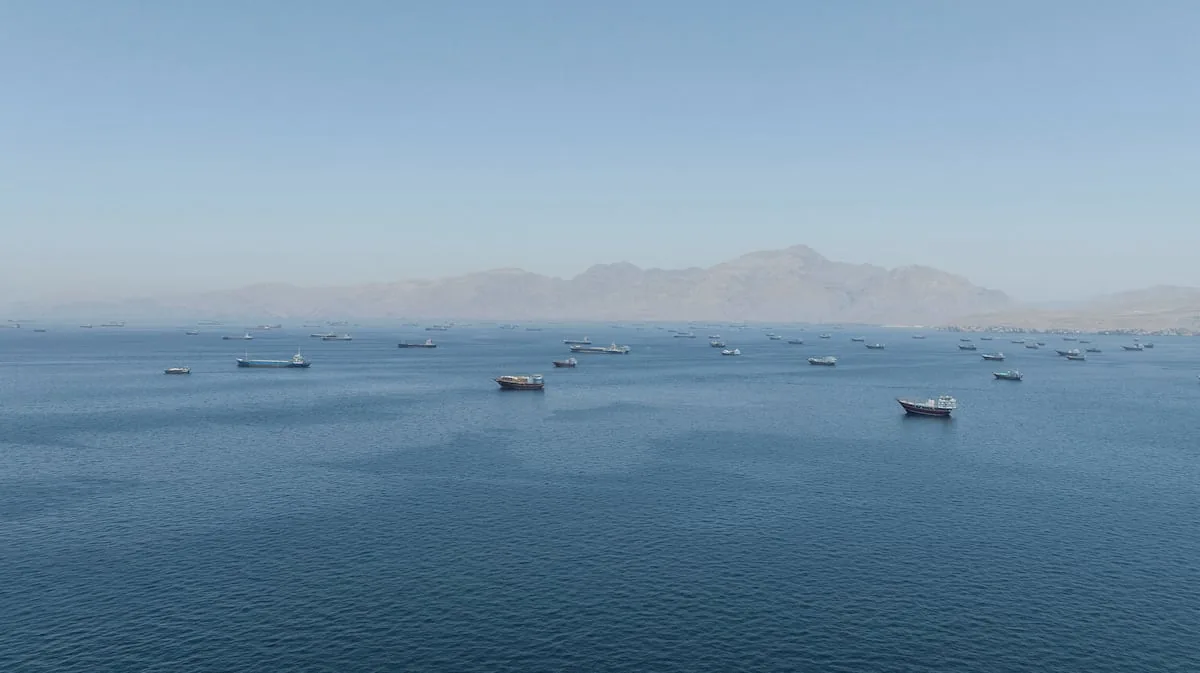
However, Rubio warned that the situation in the Strait of Hormuz is unsustainable and said any eventual agreement with Tehran must immediately guarantee free passage through that route.
“The strait has to be open. It will be open one way or another (…) What is happening there is illegal, illicit, unsustainable for the world, and unacceptable. Straits must be open, without impediments, without tolls. And obviously that has to happen immediately, as soon as something is agreed upon,” Rubio said.
Washington’s statements come hours after the US Armed Forces attacked military targets in southern Iran, in an operation described by Washington as a “self-defense” action to protect its troops from threats by Iranian forces.
The US Central Command justified the attacks as a measure of legitimate defense, assured that restraint is maintained during the ongoing ceasefire, and that the operation targeted missile launch sites and vessels attempting to place mines. (Efe)
OFFENSIVE AGAINST IRAN
Frozen Iranian assets, the last major hurdle in a negotiation gaining speed
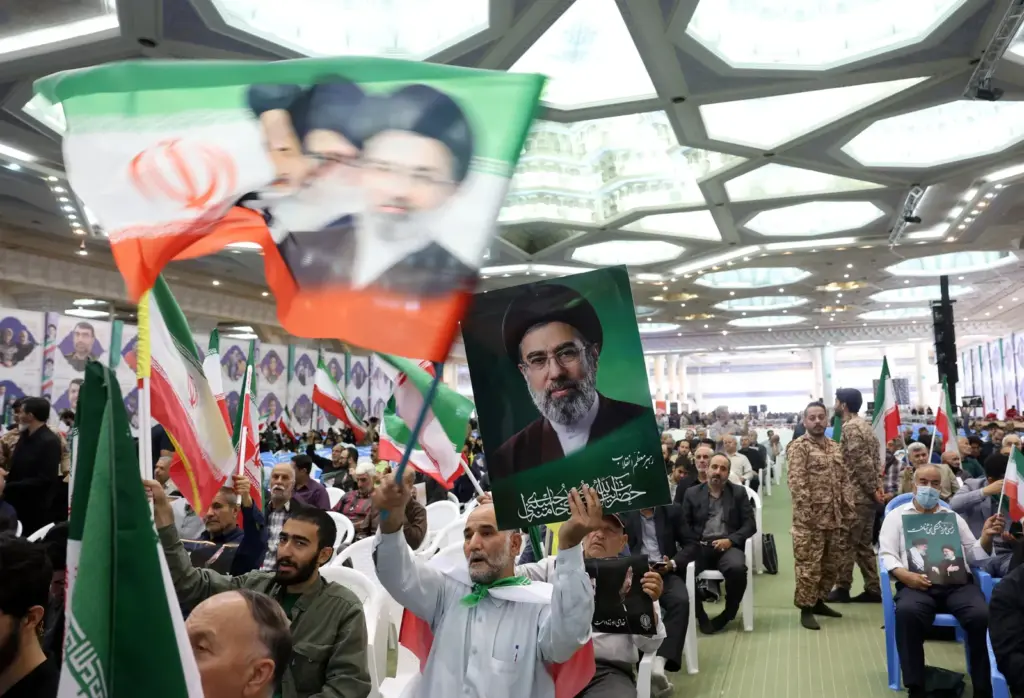
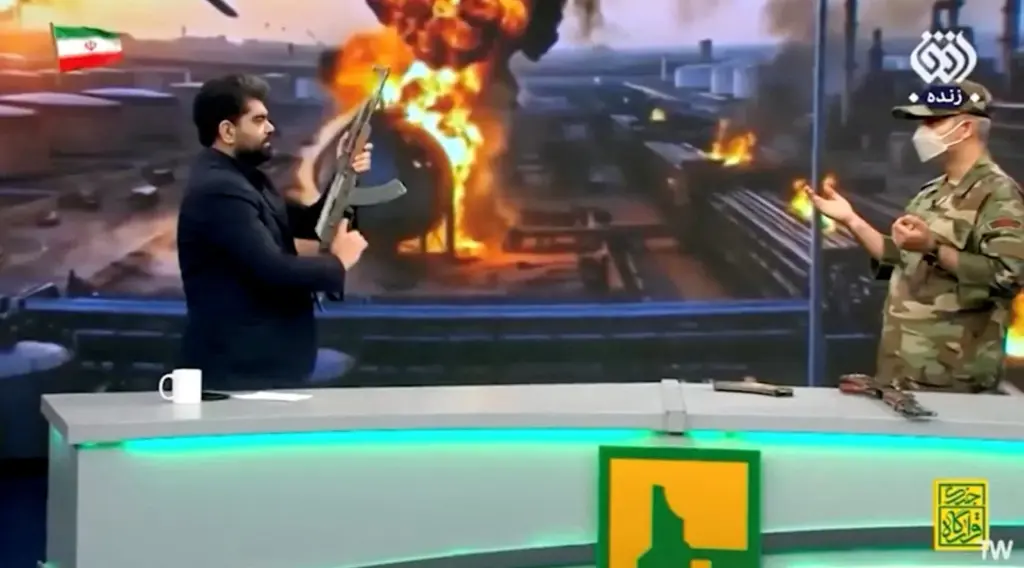
Talks to end the war against Iran and reopen the Strait of Hormuz seem, for the first time in three months, moderately on track. That is, at least, the impression emanating from the public positions and leaks from both sides: there is beginning to be water in the deep negotiating well, practically dry until now.
You can read the full information here
WAR AGAINST IRAN
The war opens a chasm between Iran and the Emirates, its former second trading partner
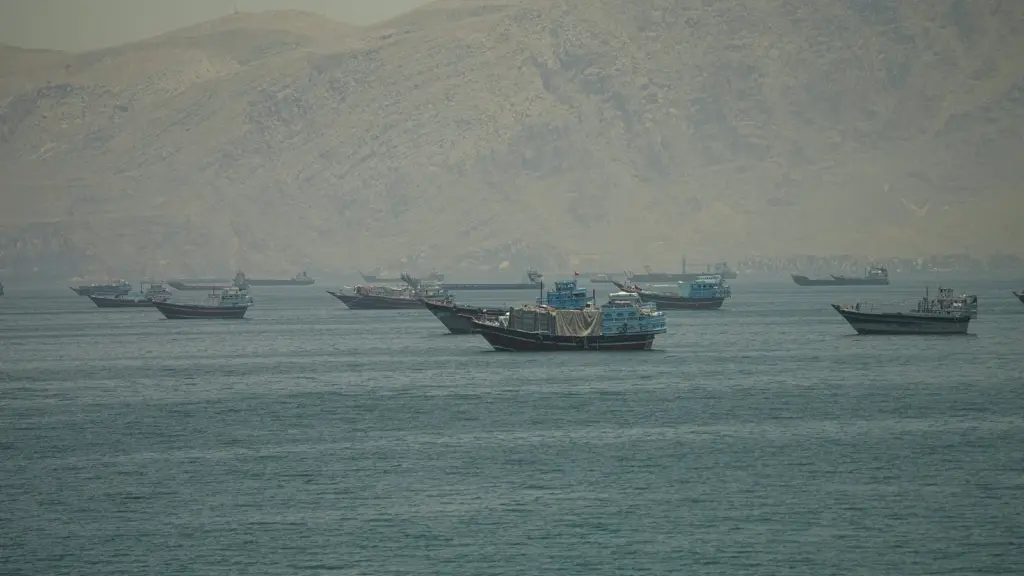
The attack on the Barakah nuclear facilities in the United Arab Emirates, attributed by Abu Dhabi to Iran on May 17, again raised an issue that has hovered over the Middle East since the start of the war against the Islamic Republic on February 28: the progressive erosion of a relationship that made the Emirates Tehran’s second trading partner. That country is now, in the eyes of the Iranian regime, a “hostile state.”
You can read the full information here
WAR AGAINST IRAN
United States attacks Iranian targets “in self-defense” amid ongoing peace negotiations
Amid ongoing peace negotiations with Iran, the United States reported late Monday that its military conducted attacks on targets in southern Iran “in self-defense.” This incident does not mean that the ceasefire currently in effect has ended, according to government sources speaking to Fox News.
You can read the full information here
Good morning. We begin the live narration of the latest developments in the Middle East conflict on this Tuesday, May 26, after the US launched attacks in Iran “in self-defense” again early this morning. The attack occurs amid ongoing peace negotiations between the two countries, but according to Washington, this incident does not endanger the ceasefire.
Read more The Augmented Games: a night of hypertrophic delirium in a Las Vegas parking lot