
What is the difference between a minute and 40 years? The answer seems obvious, but not so much when it is posed by one of the characters in The Burnt Garden. In that context, the question feels like an epiphany. There are many others like it in the play. “Forget us. Leave the dead buried,” says the same character, while flashes of the debate about the exhumation of Lorca’s remains jump at you.
Read more ‘A good life’: compassion, tenderness, and firmness
Lorca is not mentioned in the play, but he is there. With the same force with which his murder continues to hang over Spanish society, turned into a powerful symbol against fascism. There is also a civil war, executed republicans, a long dictatorship, and a democratic transition. The central theme is historical memory, but not as a political slogan but as trauma and theatrical tragedy. Here all that which arises when you confront the past, whether collective or individual, crossing the thick fog of time, resounds. Did it really happen as I remember? Whose fault was it? Where does so much pain come from?
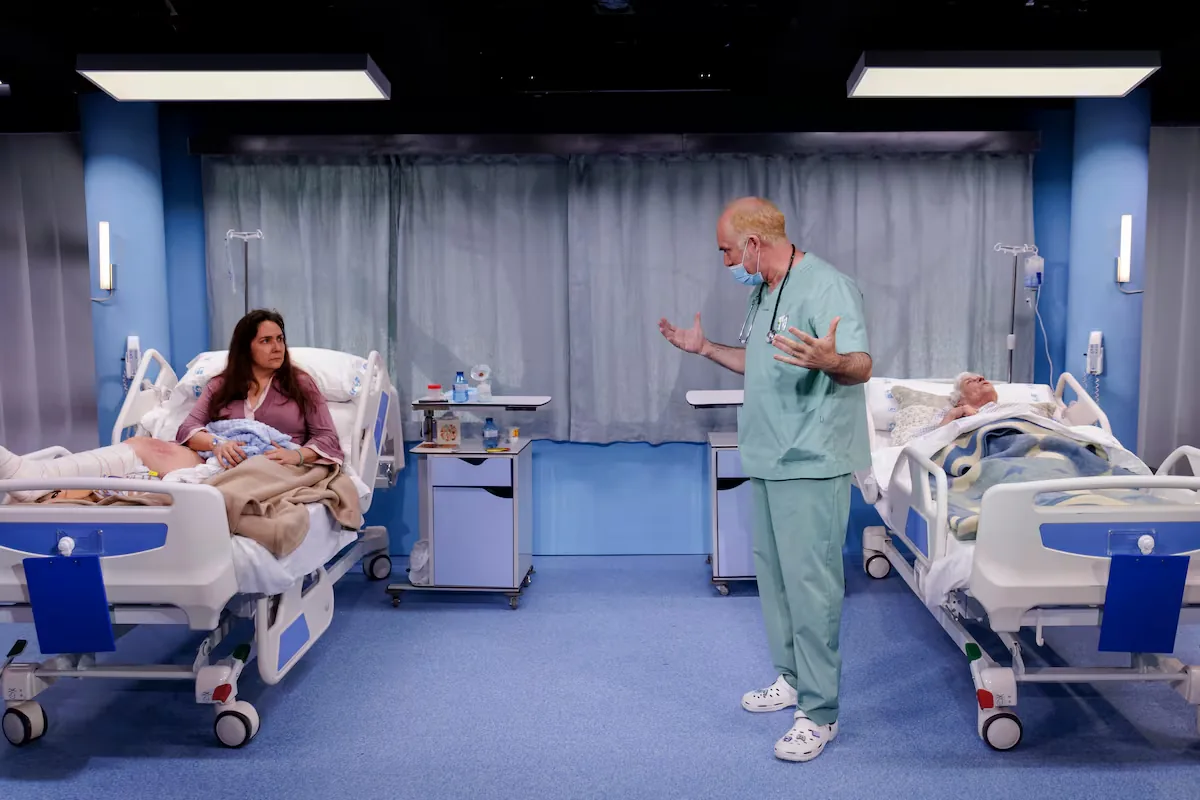
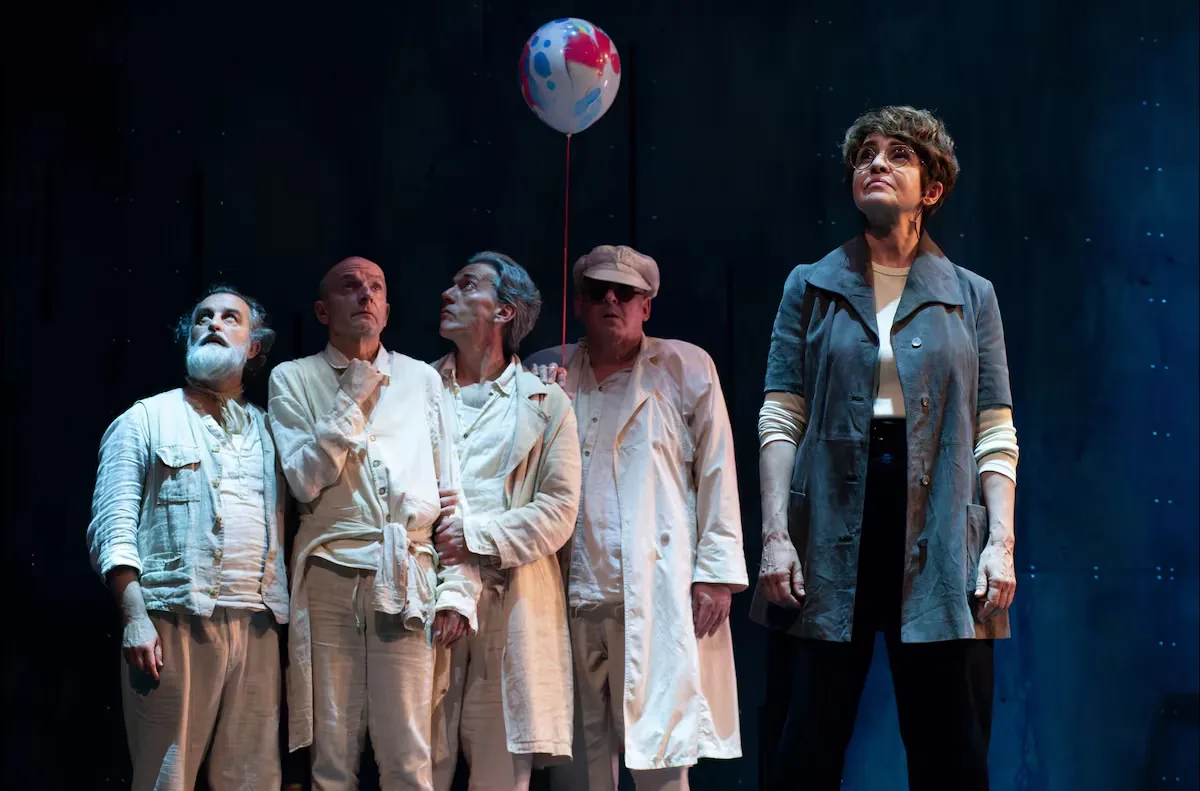
Perhaps that is why Juan Mayorga fights against realism and time. In The Burnt Garden, the author plays with them like a magician until making them disappear. Both in the writing and in the staging that has just premiered at the Teatro de la Abadía in Madrid. He puts us in an asylum on an island with four madmen and two psychiatrists for an hour and a half of performance that, in reality, are 40 years or a minute. An island within an island within an island. Beckettian characters suspended in the void. Madmen like Hamlet, Lear, Segismundo, Max Estrella, or those from Marat-Sade. The most illustrious theatrical lineage.
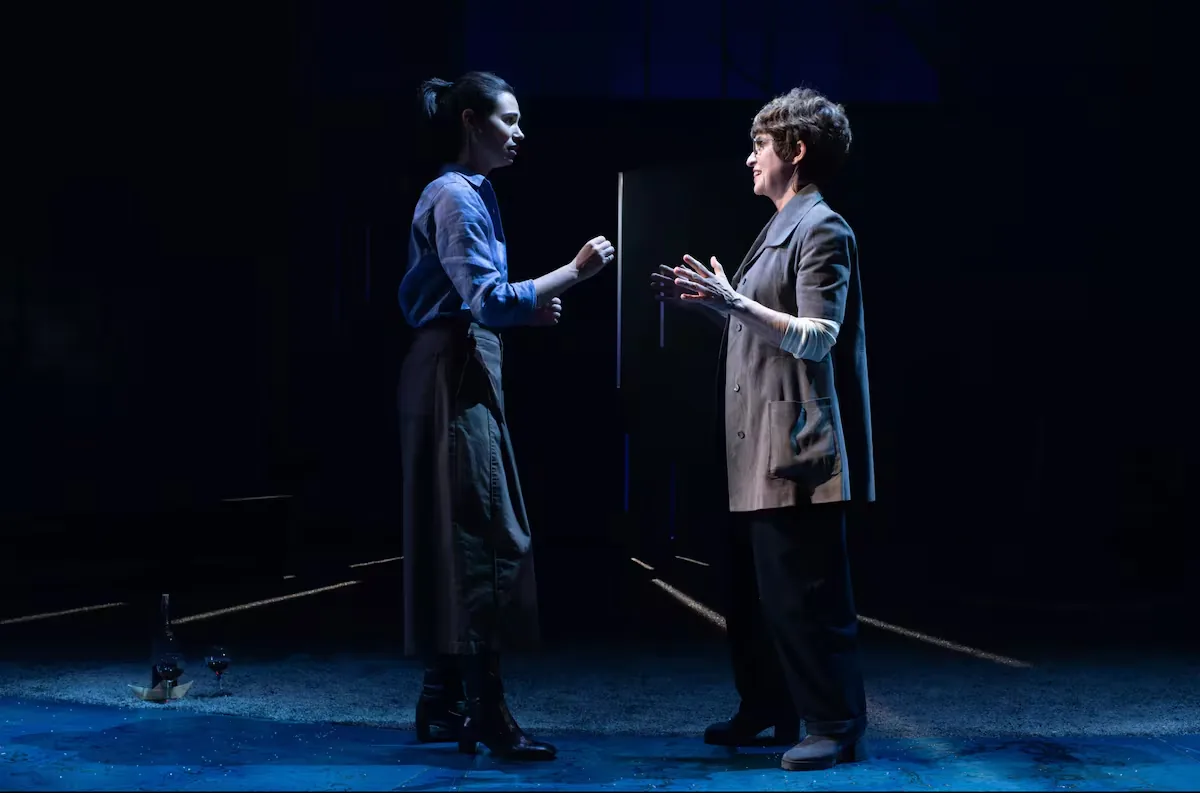
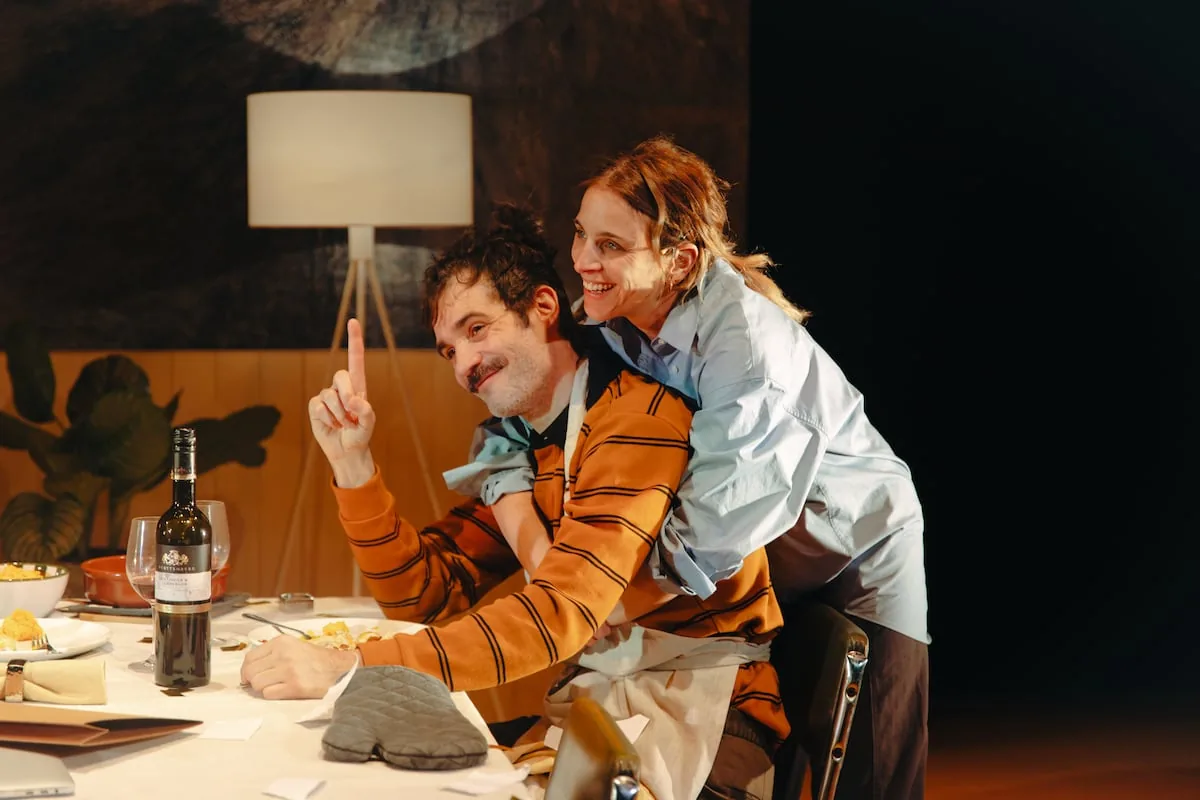
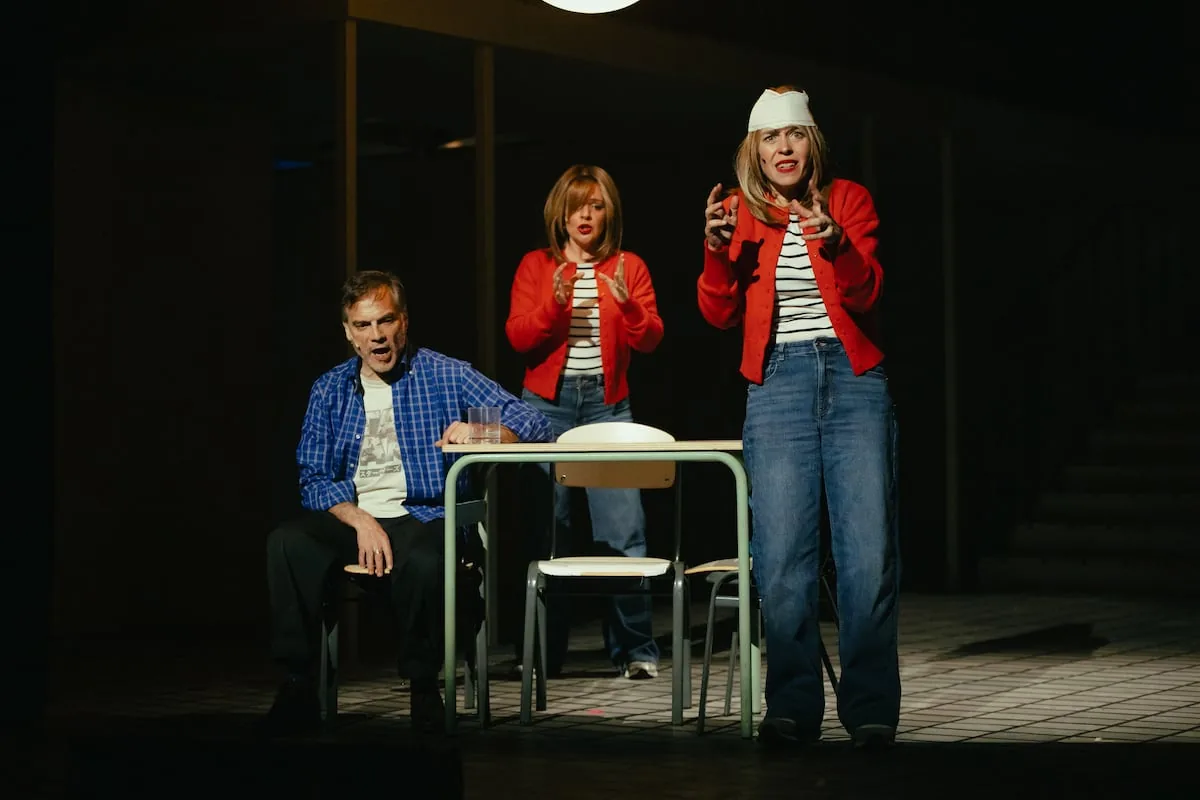
A psychiatrist arrives on the island who breaks the inmates’ happy timeless state. She suspects that 12 republicans, including a distinguished poet, were locked up and executed in that asylum. She accuses the director of complicity with the murderers and demands to interrogate the inmates. The four madmen, deliciously played by Jesús Barranco, Miguel Hermoso, Joserra Iglesias, and Mariano Llorente, turn her theses upside down. Instead of giving answers, Mayorga fires disturbing questions. Settling scores with the past is not easy.
Adriana Ozores, very natural in the role of the director, sustains the enigma of guilt mixing compassion, empathy, and a firm hand. Loreto Mauleón, somewhat more rigid on stage, could have drawn more nuances from the inquisitor. The staging lacks some rhythm, but its atmosphere captivates. It is undoubtedly one of Mayorga’s best works as a director. Elisa Sanz’s clean scenography, Juan Gómez-Cornejo’s lighting, and Jaume Manresa’s sound design contribute to this.
Read more The theater and dance premieres of the week
Mayorga wrote The Burnt Garden in 1997, when historical memory was barely discussed in Spain. But the playwright, who deepened his philosophy studies in Germany and earned a doctorate with a thesis on Walter Benjamin, was already on it. He had absorbed the debates that swept through Europe and poured them into his works. Among them, apart from the one at hand, stand out Love Letters to Stalin, Himmelweg, and The Cartographer.
The Burnt Garden was not premiered in Spain until 2022, in a production directed by Rafael Rodríguez in the Canary Islands. Perhaps before it would not have been assimilated in all its complexity. The author, in fact, has revised the text to enhance its current resonances, which are many. On Wednesday, after the premiere performance, there were only questions. It is fascinating how we need villains and heroes to bear reality. But Mayorga’s theater is beyond reality.
The Burnt Garden
Text and direction: Juan Mayorga
Cast: Jesús Barranco, Miguel Hermoso, Joserra Iglesias, Mariano Llorente, Loreto Mauleón, and Adriana Ozores.
Teatro de la Abadía. Madrid.
Until July 12.