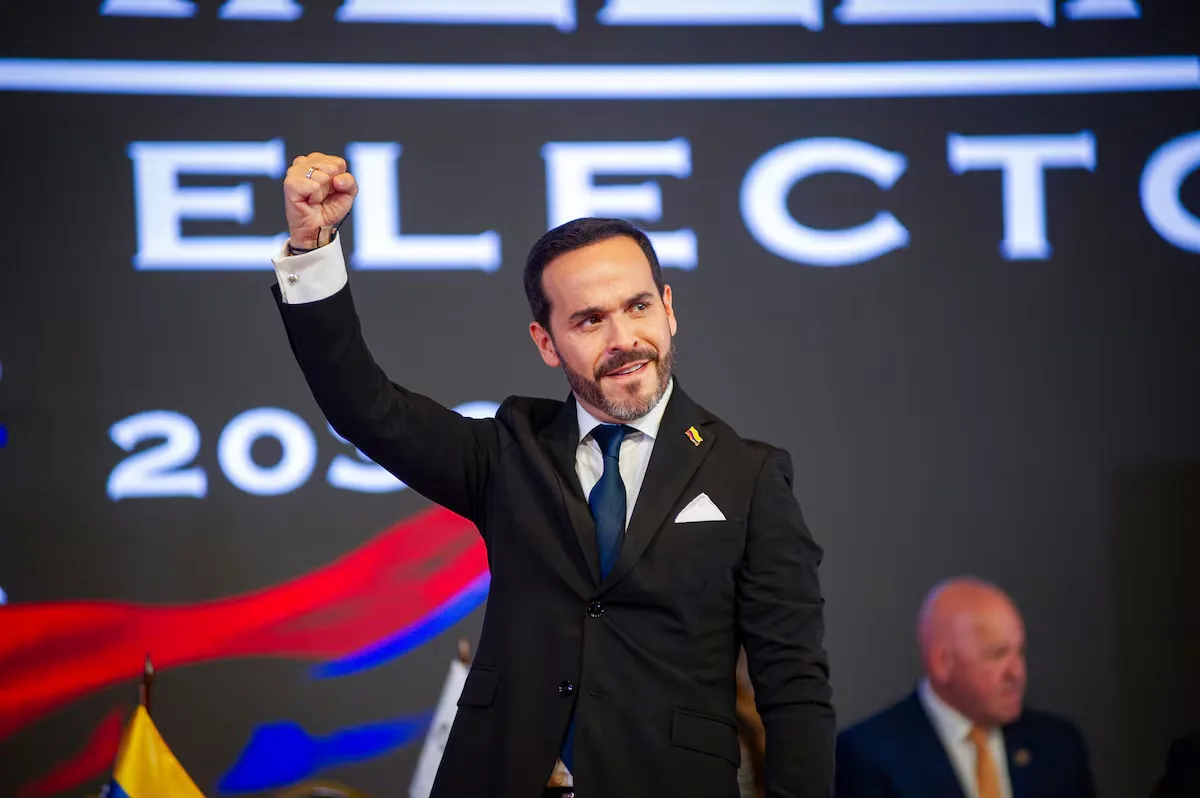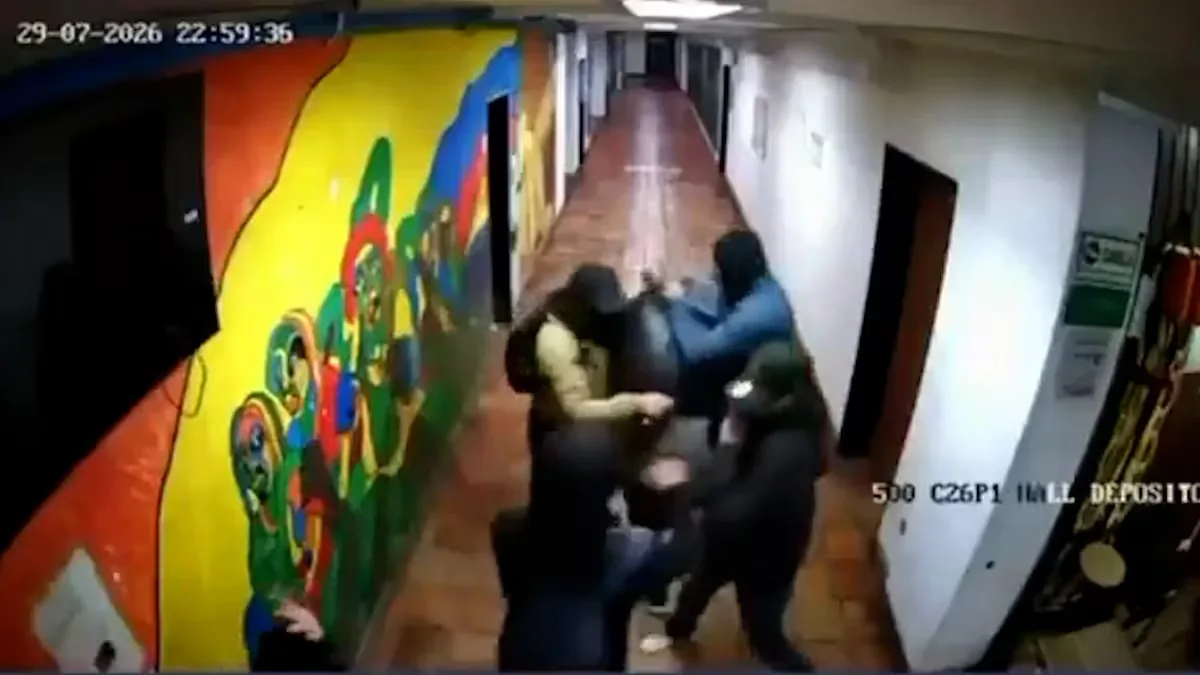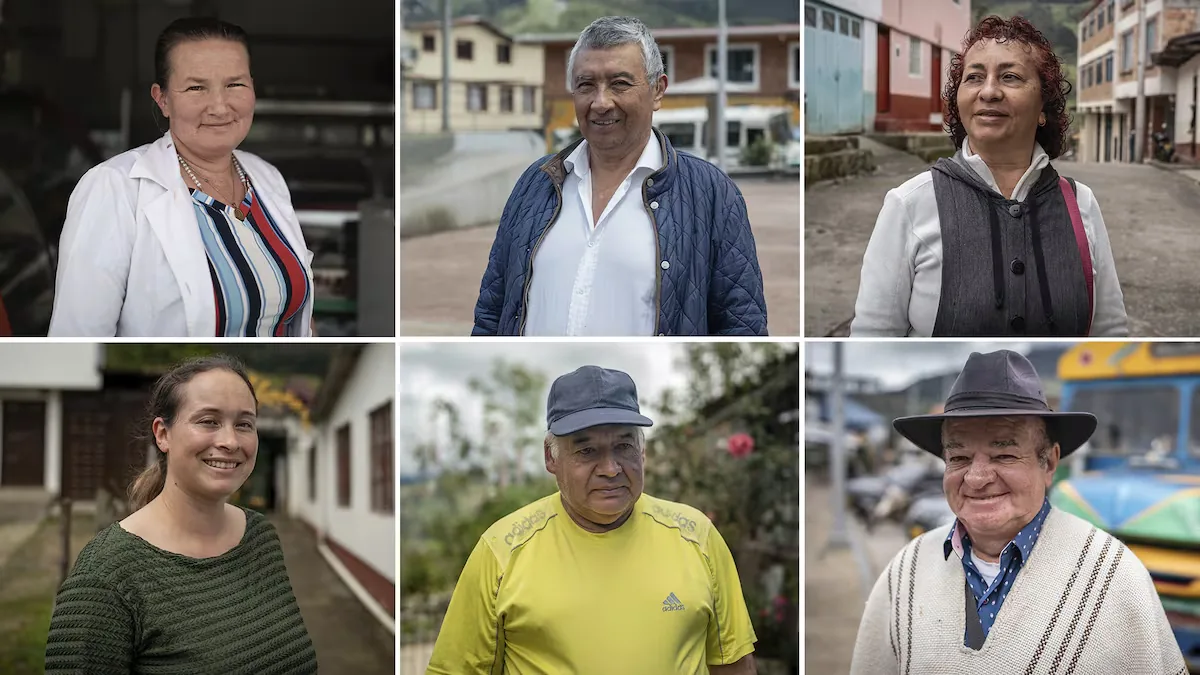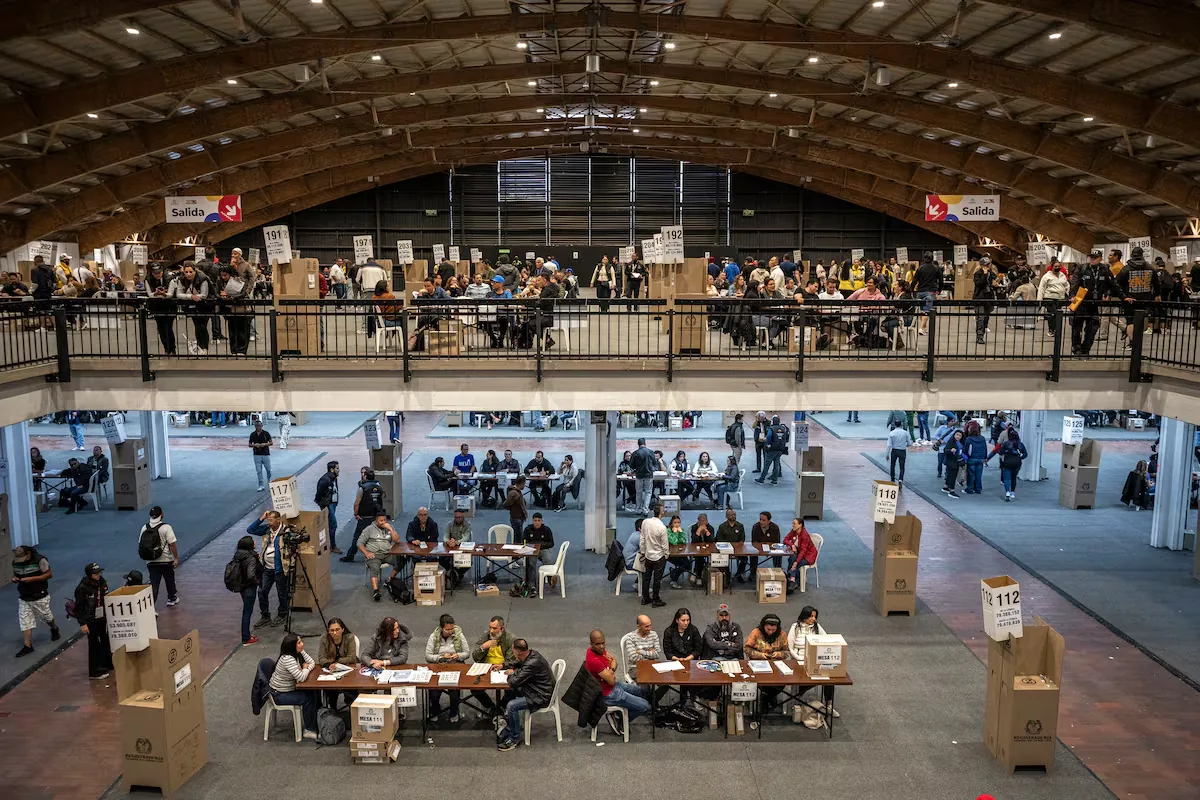



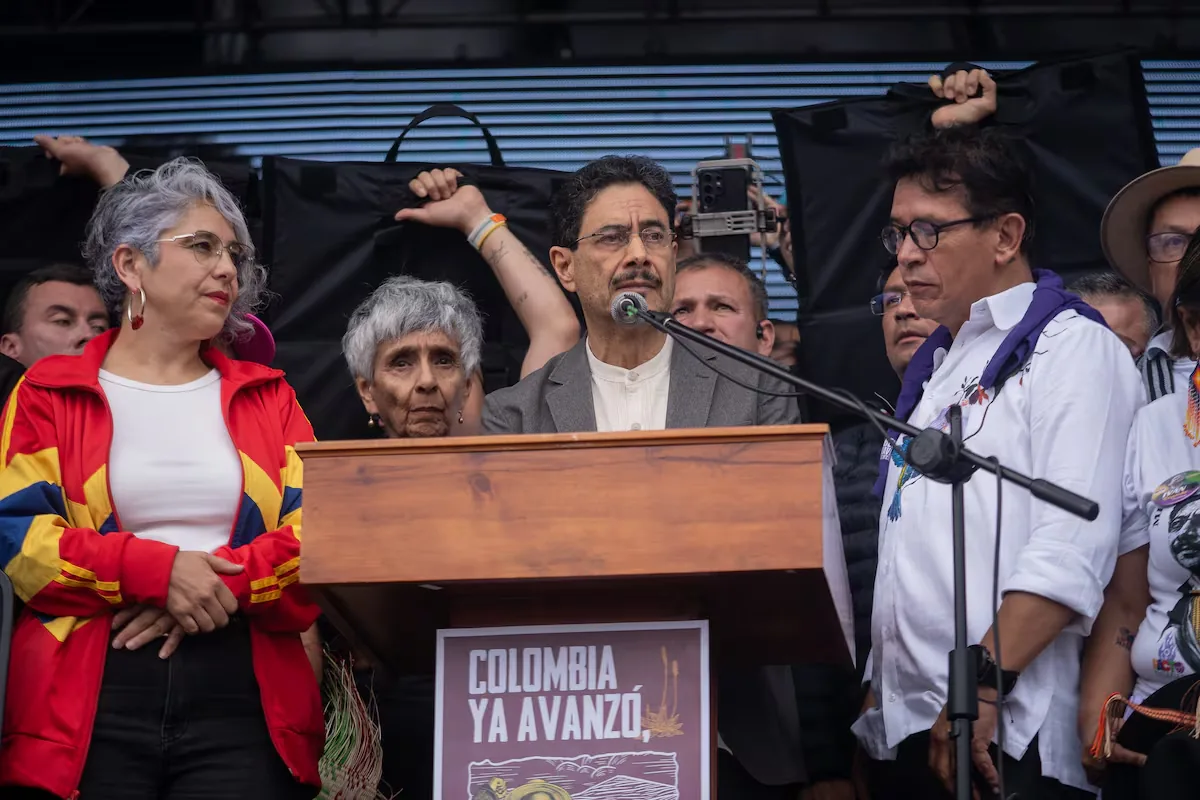
Without attending debates and with a marathon activity in public squares, Senator Iván Cepeda (Bogotá, 63 years old) arrives at this Sunday’s first round as the name that has managed to unite the Colombian left in the search to secure a successor for Gustavo Petro. “I have seen in the eyes of thousands of compatriots the certainty that the changes started in these years must continue and be consolidated,” he said this Saturday, the eve of the elections, in a presidential-style “address,” in which he marked as an “essential priority” of his potential government to overcome poverty and end social inequality.
Read more The world and our magnificent humanity
“Colombia needs less sterile confrontation and more collective construction of solutions,” he elaborated in his diagnosis. “Security must mean protection of life, but also opportunities, well-being, and social investment,” he read, standing in front of a podium, with the calm tone that characterizes him, in a speech of just over ten minutes. “We will work to definitively close the cycles of violence that have marked our history,” he added in his penultimate message of that final sprint.
At night, he gave a final interview to journalist Daniel Coronell. “It fills us with shame,” he admitted in that conversation about the corruption scandals that have occurred in the current government. “No matter who falls, we will be relentless” in that fight, he promised.
In a race full of obstacles, the Historic Pact candidate has been the consistent leader in the polls in his aim to lead a second progressive government, ahead of the far-right Abelardo de la Espriella and also Senator Paloma Valencia, the card of former President Álvaro Uribe. Cepeda himself identifies the right-wing former president, with whom he has been facing off in court for years, as his main adversary, above his rivals on the ballot.
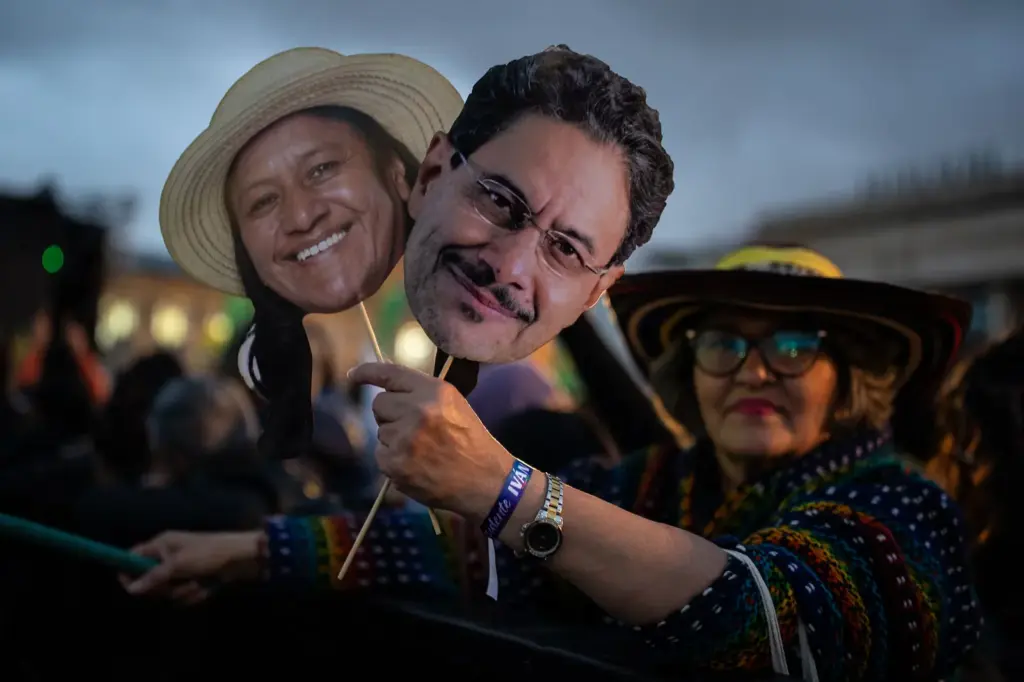
The Pact candidate insists on that contrast. “Uribismo is fascist, it represents the ideology of contempt,” he said before a packed Plaza de Nariño in Bogotá, in one of his campaign closings, about a confrontation he has turned into a driving force of his candidacy. Despite the failure of the total peace policy, with which Petro intended to negotiate simultaneously with all armed groups, Cepeda does not rule out new dialogues, contrary to the hard line upheld by both Uribe and the two right-wing candidates.
Cepeda is a recognized figure, among other things, for having brought the former president to justice in a convoluted case of witness manipulation. Uribe was acquitted in October in the second instance, after having been sentenced to 12 years in prison initially. “The judicial confrontation with Uribe makes him the hero of the left, and also of the victims,” points out analyst León Valencia.
The path has been long. When he confirmed his candidacy in August 2025 – with Uribe convicted in the first instance – Cepeda said he did not plan to run for the Presidency, but considered it “impossible” to ignore the calls from social organizations like the Mothers of Soacha – victims of the so-called “false positives,” in which soldiers killed their relatives to pass them off as guerrillas.
Read more Supporters back Claudia Sheinbaum in the celebration of her second year in office
“Iván unites us” was the slogan with which the left closed ranks in a troubled process, which faced numerous legal obstacles. Most of the aspirants declined to give their support, from Senator María José Pizarro – now his debate chief – to former Environment Minister Susana Muhamad and Labor Minister Gloria Inés Ramírez. The last-minute resignation of former Medellín mayor Daniel Quintero, much resisted among progressives, cleared the way. In the end, he had no trouble defeating former Health Minister Carolina Corcho with authority in the Historic Pact’s popular consultation on October 26. The original plan of the ruling party was to face off in another consultation among different parties, but the National Electoral Council prevented it.
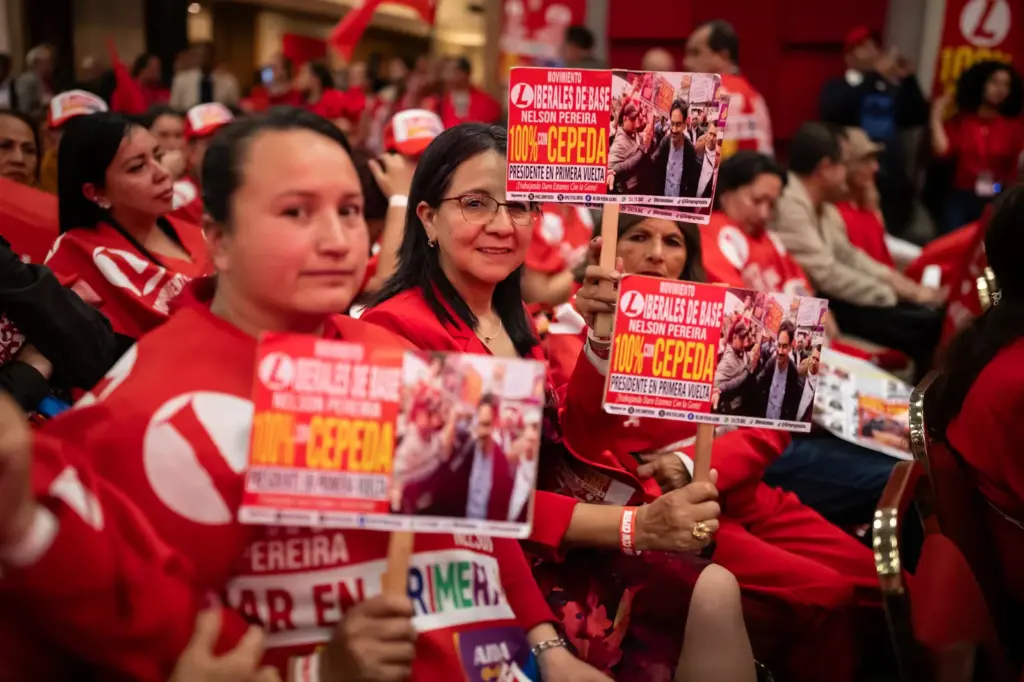
Cepeda, in any case, has consolidated since then at the top of the polls, hovering around 40% voting intention, without attending debates with other candidates. Instead, he maintained an intense public square activity in different parts of Colombia, with more than 150 mass events, in which he reads speeches written by his own hand. He chose indigenous Senator Aida Quilcué, also from the Historic Pact, as his running mate. This strengthened ties with the indigenous movement, although he missed the opportunity to bring other sectors closer.
Cepeda advanced, however, in his strategy of weaving alliances with like-minded sectors. The one who inaugurated this new stage was former Interior Minister Juan Fernando Cristo, of liberal origin, with his movement En Marcha. Then came the Green Alliance, the fragmented party that was once a reference of the political center. Sectors of the Liberal Party dissatisfied with its leadership also joined, as well as former President Ernesto Samper. The two most recent endorsements will even appear on the ballot, having withdrawn their candidacies at the last minute: former Foreign Minister Luis Gilberto Murillo and former Magdalena governor Carlos Caicedo.
Beyond the abundant nuances, all ended up privileging the points of agreement with the Historic Pact, above the differences. Among the latter stands out the much resisted idea of calling a Constituent Assembly to reform the 1991 political charter, which President Petro insists on. Cepeda has defended that he favors a great national agreement, but without closing that door. He also promised this week that, if he wins, he will create a national anti-corruption system headed by former Defense Minister Iván Velásquez – an old adversary of Uribe.
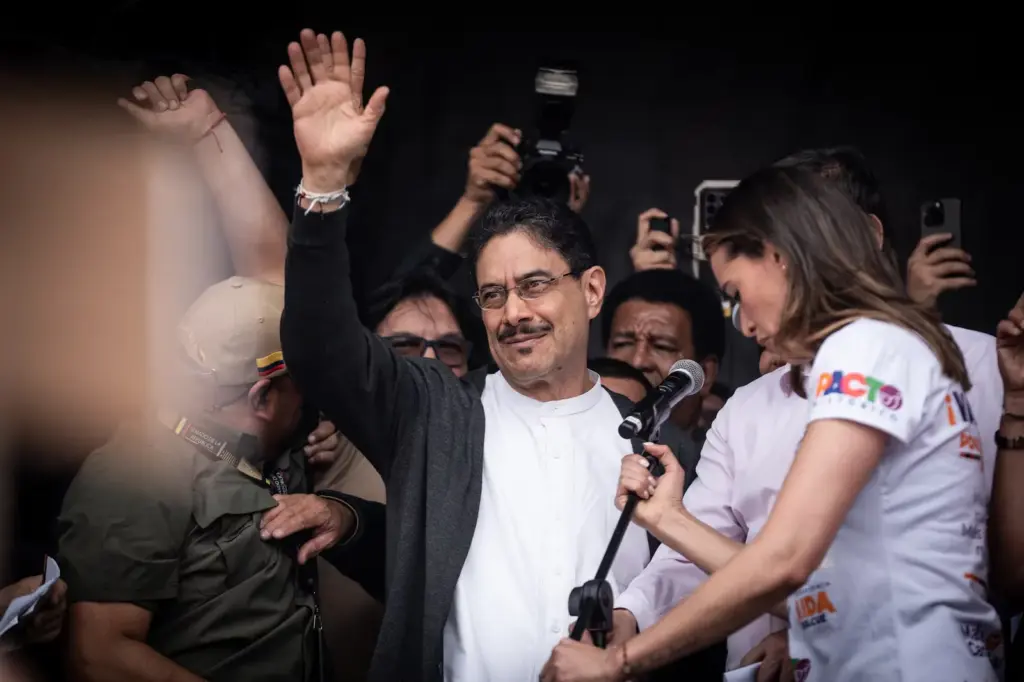
His campaign has followed on several occasions the same steps as the current president’s in 2022. High-profile meetings with other progressive leaders, such as Brazilian Lula, Mexican Claudia Sheinbaum, and Spanish Pedro Sánchez. Alliances with liberal and social-democratic sectors. And a strategy to fill public squares throughout Colombia, with a chorus echoing what Petro said back then: “My name is Iván Cepeda, and I am going to be your president.”
Read more Two women lose their lives saving a three-year-old child at a dam in Palencia