









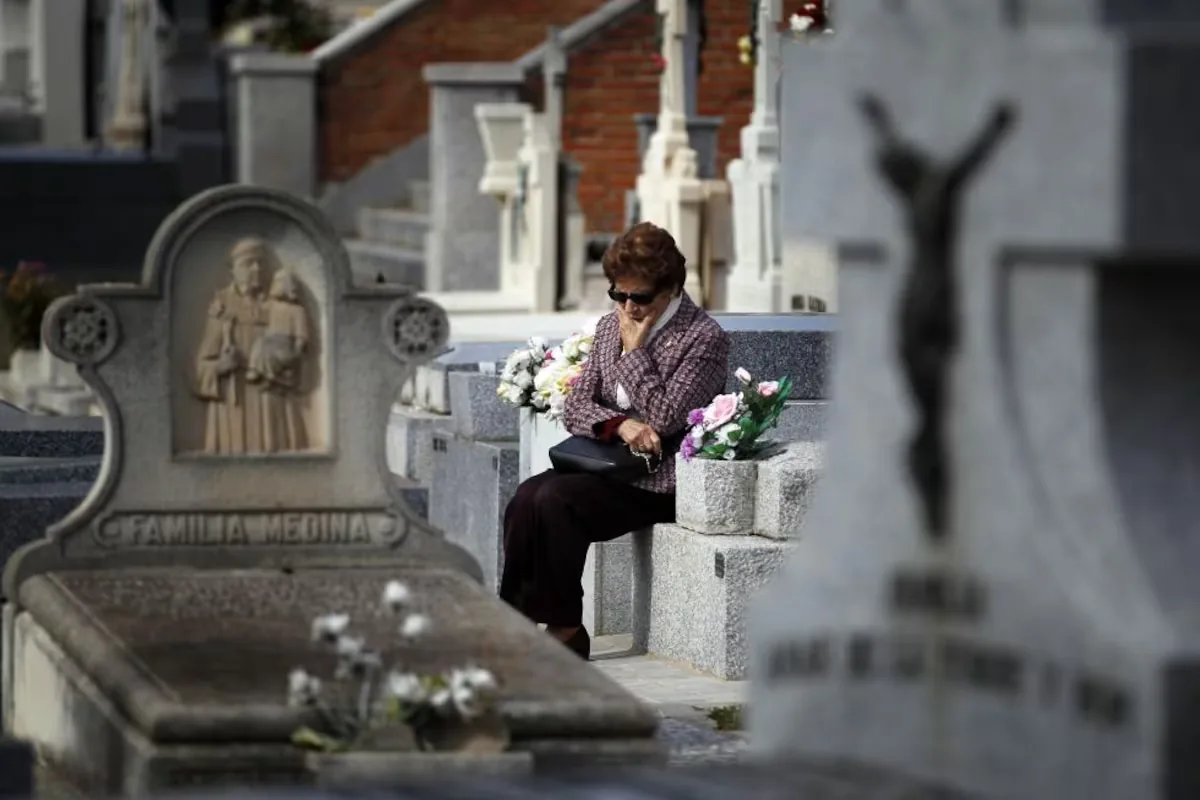
The death by “sadness” of cartoonist and filmmaker Marjane Satrapi, author of Persepolis, has unearthed a recurring question in the collective imagination and widely studied in the scientific world: Is it possible to die of grief? Regardless of Satrapi’s personal circumstances —which are currently unknown—, science points to yes, although reorienting the romantic idea towards a biological explanation behind the expression. For example, intense grief, that prolonged sadness associated with the loss of a loved one, can worsen mental health, spur cardiovascular problems and, ultimately, increase the risk of death. Satrapi’s family announced this Tuesday that the author died “of sadness just over a year after the death of Mattias Ripa, her husband and the love of her life.” No further details were given.
Juan Carlos Pascual Mateo, psychiatrist and member of the executive committee of the Spanish Society of Psychiatry and Mental Health, dismisses the epic associated with dying of grief or love, and points to a biological interpretation of the phenomenon: “Emotional states have physical repercussions. There is an affectation at the level of the hypothalamic-pituitary-adrenal axis [a neuroendocrine system that regulates the body’s response to stress], cortisol increases and can have an impact on the immune system, making it more depressed and vulnerable. All of this predisposes you more to die from some illness. You don’t die of sadness, but of another medical cause.”
This happens, for example, with events that favor a depressive clinical picture, such as grief. This condition, at the same time, can cause other diseases —depression is associated with worse cardiovascular and metabolic health, obesity, alterations of the immune system— and also increases the risk of suicide, Pascual Mateo exemplifies.
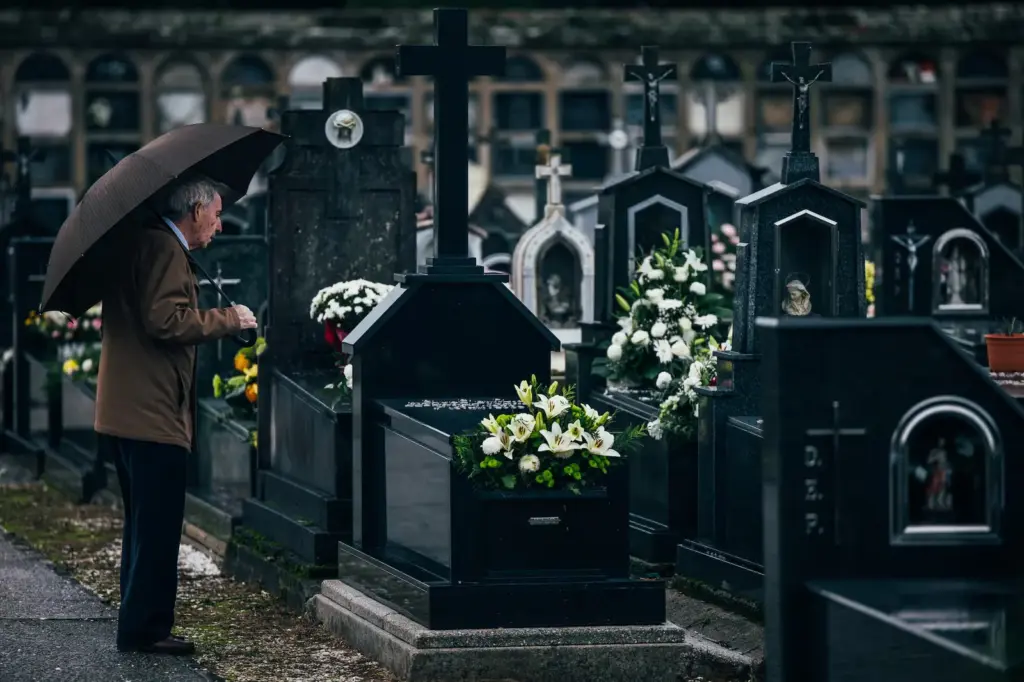
Grief after the death of a close person is natural, it is part of an adaptive process. It is normal to feel sadness and despondency. The problem is when these emotions become entrenched to the point of being debilitating. A Danish study with more than 1,700 people who had lost loved ones revealed that those with more intense and prolonged grief symptoms visited the doctor more often, consumed more psychotropic drugs (anxiolytics and antidepressants) and had up to an 88% higher risk of death within 10 years.
These entrenched sorrows have a name in medical jargon. Guillermo Lahera, Professor of Psychiatry at the University of Alcalá, states in an article in EL PAÍS that “when the grieving process ceases to be adaptive, is persistent and prevents the subject from recovering their functionality,” it is called prolonged grief disorder. ”Its clinical picture is very similar to major depression and, sometimes, to post-traumatic stress; it is associated, like these, with higher mortality due to physical causes. The key is not in the intensity or duration of the pain, but in its rigidity. Since the transformation implied by adaptive grief has not occurred, the internal world remains ‘fixed’ to the presence of the absent one and healing now means ‘betraying’ the deceased,” he says.
The scientific literature on the risk of death in grieving people is variable. There are studies that, like the Danish one, do find an increased probability of dying, and others that do not see it so clearly. The Danish authors attribute these discrepancies to the “heterogeneous” profile of grieving relatives and the diverse risk factors that add to or subtract from vulnerability: for example, the care of close people buffers stress in individuals experiencing the loss of a loved one; however, if someone in grief also suffers distress due to their own physical illness, this can increase vulnerability.
A review in The Lancet found that the probability of mortality is also higher in the first six months after the death of a loved one and decreases over time, although in some cases (parents who lose a child, for example), this risk can remain elevated for years.
Read more Interactive agenda of Pope Leo XIV’s visit to Spain by days and cities
When the loss is of a partner —most studies focus on that particular scenario—, the risk of mortality is higher in young people and in widowed men. Regarding the causes of death, these range from accidents, violent causes, and alcohol-related diseases, to cardiovascular problems or suicide. “Mortality due to grief is largely attributed to the so-called broken heart. That is, psychological distress due to loss, such as loneliness; and the secondary consequences of that death, such as changes in social ties, living situation, eating habits, and economic support,” the authors add.
The suffering associated with grief encompasses physical, emotional, cognitive, and social dimensions. But not everyone is equally vulnerable to suffering pathological grief. According to the authors of the Danish study, a history of mental health problems and a low educational level are risk factors for long-term psychological distress in grieving relatives.
‘Broken Heart Syndrome’
The death of a loved one is, in itself, a highly stressful situation. And the emotional burden of all this can also have other organic repercussions beyond the impact on mental health. In cardiology, for example, there is an ailment very associated with life moments of great impact: it is Tako-Tsubo syndrome, colloquially known as broken heart syndrome. According to the Spanish Heart Foundation, this ailment has the appearance of a myocardial infarction, but, unlike the latter, there are no obstructed arteries in the heart that explain the cardiac dysfunction.
“85% of reported cases are postmenopausal women [at this stage they have lost the cardiovascular protection provided by estrogens], with sudden and unexpected emotional or physical stress, causing an excessive release of adrenaline, which can temporarily damage the heart of some people,” explains the scientific organization. Some triggers are usually news about an unexpected death of a loved one, a terrifying medical diagnosis, or stressful situations such as public speaking, divorce, or natural disasters. Pascual Mateo admits that in three decades of professional career, he only encountered one case.
There are many trajectories of grief and most are adaptive, experts recall. Lahera emphasizes, in fact, that, in most cases, this life moment should not be treated with drugs or therapy, but only traversed, gone through: “Grief is not a linear process, nor a series of phases that can be checked off like boxes, nor a transient depression caused by mere biochemical imbalance. It is a disorder of time and body.”
Read more Meliá and Iberostar face lawsuits from Cuba for abandoning hotel management