








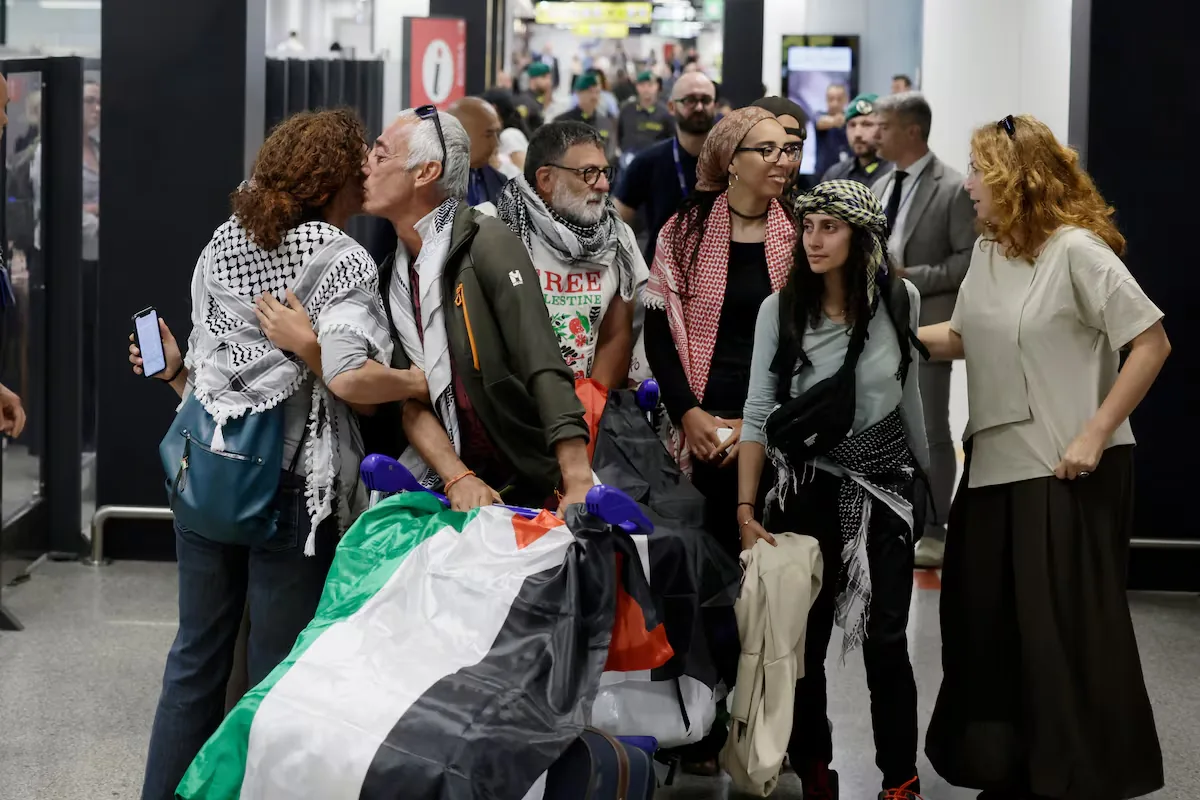
The 10 activists participating in the caravan to deliver humanitarian aid to the Gaza Strip by land, who were arrested on May 24 while attempting to cross eastern Libya, have been without food or drink for five days. They began a hunger strike in protest of their imprisonment and alleged ill-treatment. The Global Sumud Flotilla issued “an urgent life-or-death appeal” for the release of the volunteers, according to a statement released on Thursday. “Their health is rapidly deteriorating,” the organization added. The other activists who were not detained have already begun returning to their countries.
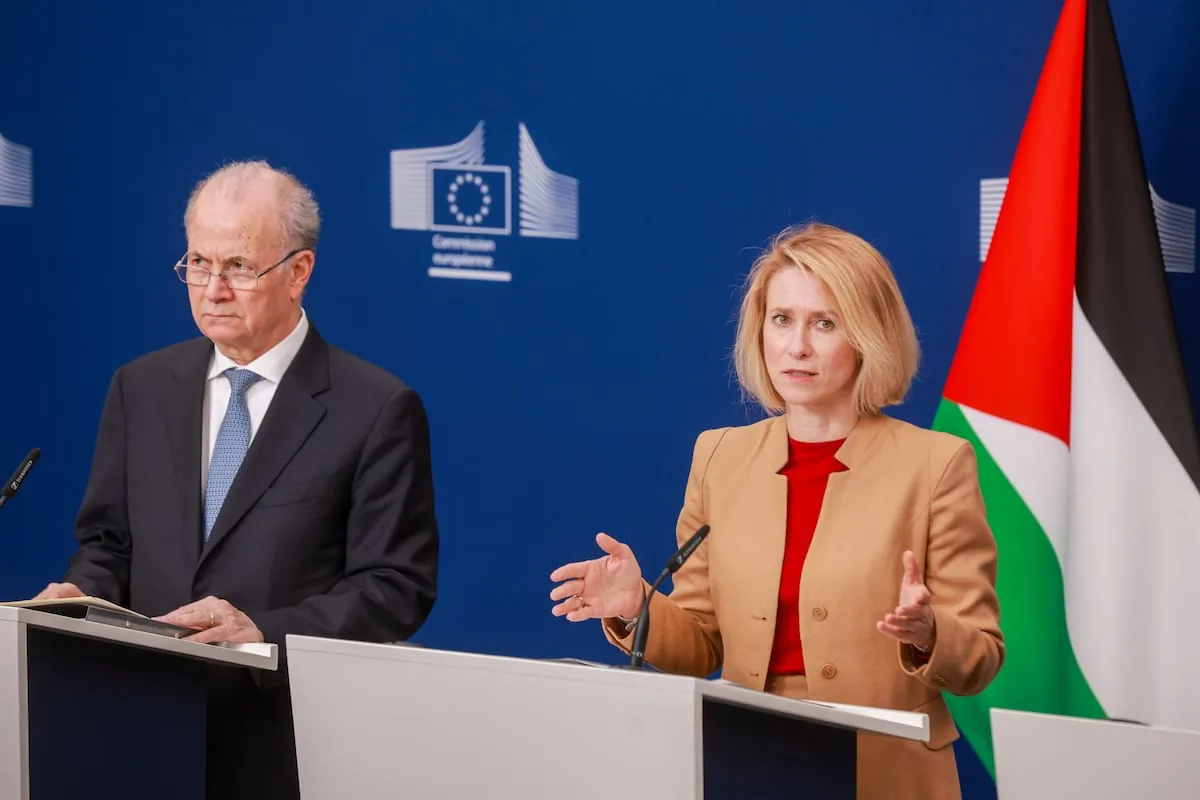
Italy requested this Friday the release of the two Italian activists imprisoned along with the other eight volunteers. The Italian consul, Filippo Colombo, also requested authorization from local authorities to visit them. On Monday, the Spanish consul, Manuel Baena, traveled to Benghazi, in the east of the country, to negotiate the release of Spanish journalist Alicia Armesto, who is among those arrested.
Their exact whereabouts are unknown; it is known that they were arrested near Sirte, a coastal city located between Tripoli (the capital) and Benghazi, when they were trying to negotiate the passage of the entire caravan, made up of 230 people. The expedition crossed the west of the Maghreb country without incident, but failed to obtain permission to cross its eastern side, which is currently in the hands of Marshal Khalifa Haftar’s forces since the years following Gaddafi’s fall in 2011.
The 10 detainees had volunteered to negotiate the passage through Sirte for the entire caravan, which is made up of citizens from over 20 countries. Among them are doctors, engineers, lawyers, educators, and humanitarian workers. The last communication with this small group, now detained, occurred on May 24 at 3:22 PM, when one of the participants in this negotiating delegation sent a message to the rest of the group informing them that they were being transported in three unmarked white vans.
In prison, “several cases of fainting were recorded, especially affecting women,” write the organizers of the Maghreb Sumud Organization and the Global Sumud Flotilla in the statement. “Despite the seriousness of their condition, Libyan authorities deny them external medical attention. Official medical teams have not been allowed to visit the detainees,” they add. The organizers maintain that it is the doctors who are part of the captured convoy who “are forced to monitor and examine their companions, despite being severely exhausted themselves.”
“They are held in an isolated prison complex for civilians, managed by the Ministry of Interior,” the organizers denounce. They add that this prison is known as a “black site” or “clandestine detention center.” They are facing “a calculated campaign of psychological harassment and intensive interrogations,” in addition to remaining “completely isolated from the outside world, from their families, and from independent legal representation,” the organizations state.
Ahmed, who is part of the caravan’s steering committee and is currently in Libya, told this newspaper on Monday via WhatsApp messages that they were receiving almost no information about the real condition of their detained companions. The Italian consulate had informed him that they would have to appear before a court very soon, but it was not specified when.
Read more ONCE Cuponazo: check Friday, June 5 draw
The organizers emphasize that the Libyan authorities are providing contradictory information: on the one hand, they inform them that the detained volunteers will appear before a court and, on the other, that they will be released soon. They believe, “this is a cruel tactic designed to play with their nerves [of the detainees] and prolong their illegal confinement.”
The organizers reiterate that “all volunteers had valid visas and had entered the country legally.” According to them, before starting the journey, they requested authorizations and guarantees of safe passage from more than 20 governments, including Libya and Egypt. The difficulties began upon reaching the Sirte area, territory controlled by forces loyal to Marshal Khalifa Haftar.
The Government of National Unity, based in Tripoli, has international recognition, but Haftar dominates large areas of the east of the country with the support of regional allies such as Egypt and the United Arab Emirates. It is an area considered of extreme risk by the United States Department of State due to the presence of armed groups, political instability, the terrorist threat, and the high risk of kidnappings.
For the Global Sumud Flotilla, “the Libyan authorities and the Ministry of Interior are fully responsible, both legally and morally, for the lives and physical integrity of these international humanitarian workers.” And they add: “A dry hunger strike can be quickly fatal; without immediate intervention, this humanitarian crisis will turn into a tragedy.”
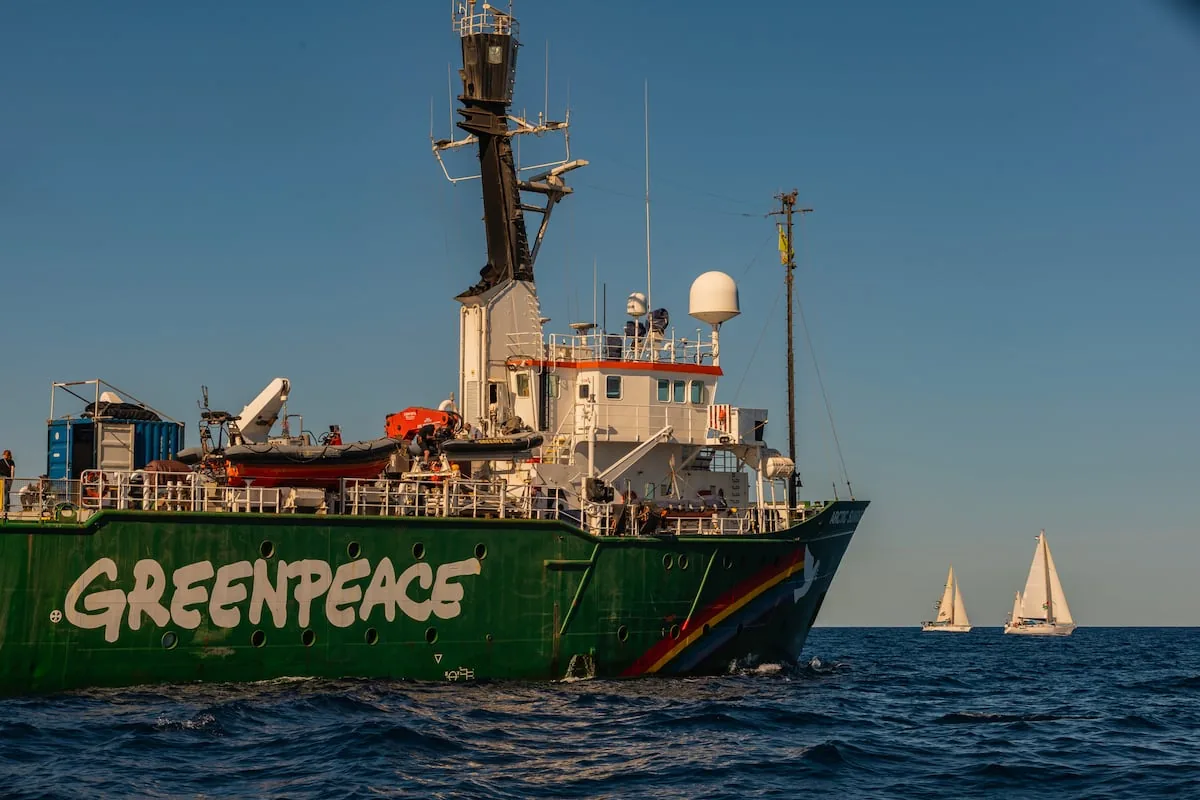
The initiative coordinated its land route with the so-called Global Sumud Flotilla, the parallel maritime mission that was intercepted by Israel on May 18 and whose members were deported to their respective countries after suffering aggressions and torture by Israeli forces.
The caravan began its journey in Mauritania on May 15, coinciding with the commemoration of the Palestinian Nakba. It was planned to cross several North African countries until reaching the Rafah border crossing, between Egypt and Gaza. The convoy also transports seven ambulances, 20 mobile homes, and 10 trucks loaded with aid destined for the Gazan population.
Read more Bonoloto: check Friday, June 5 draw