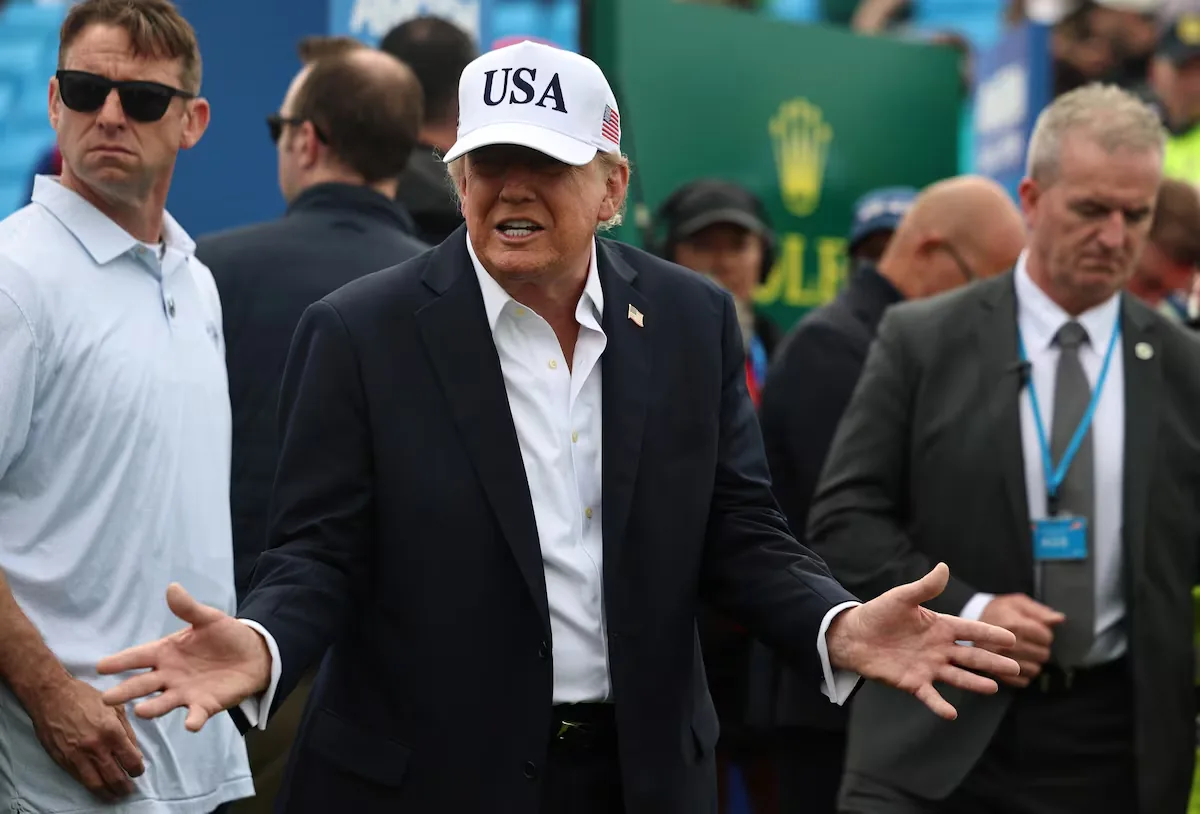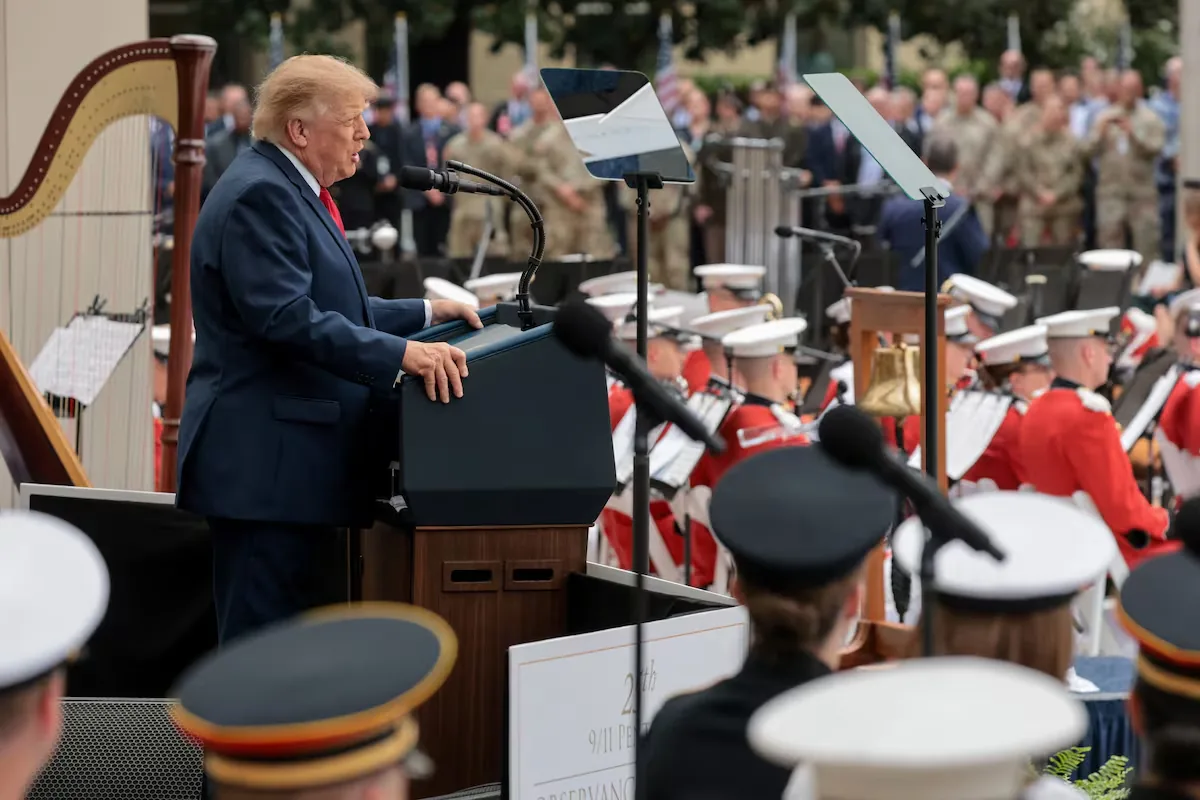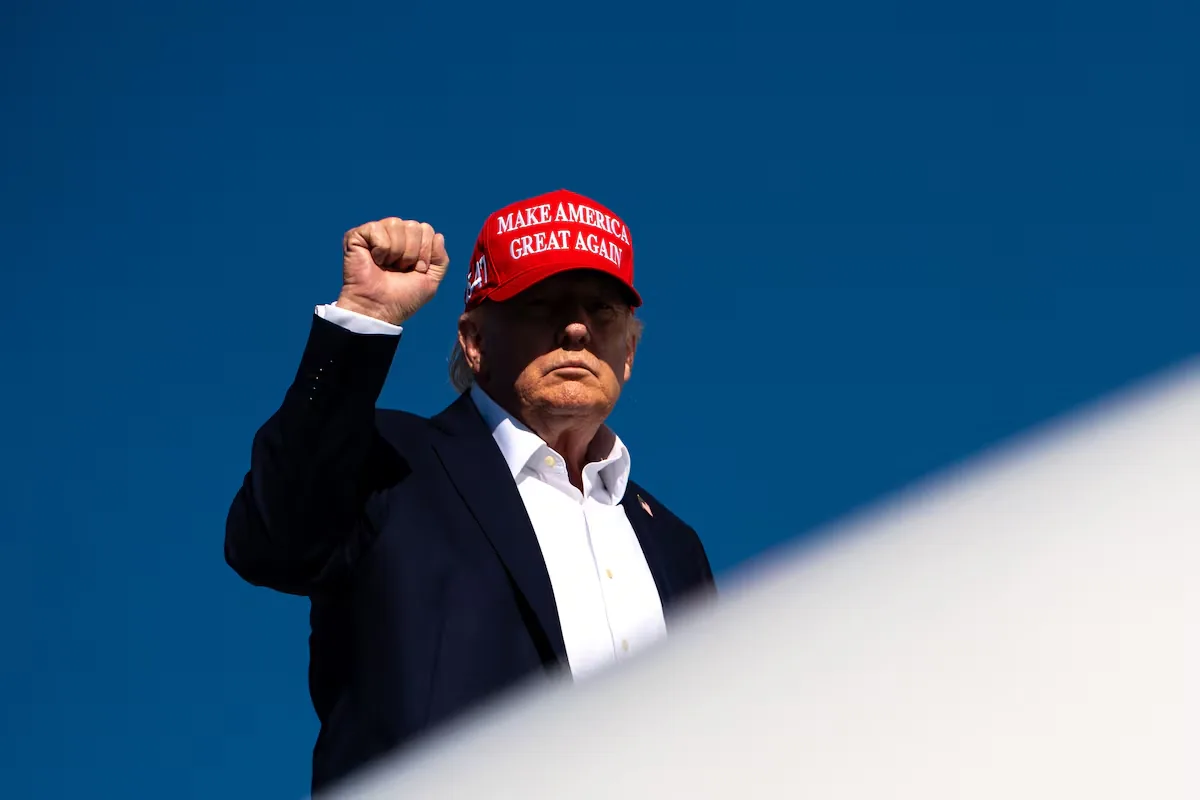






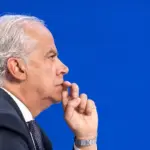


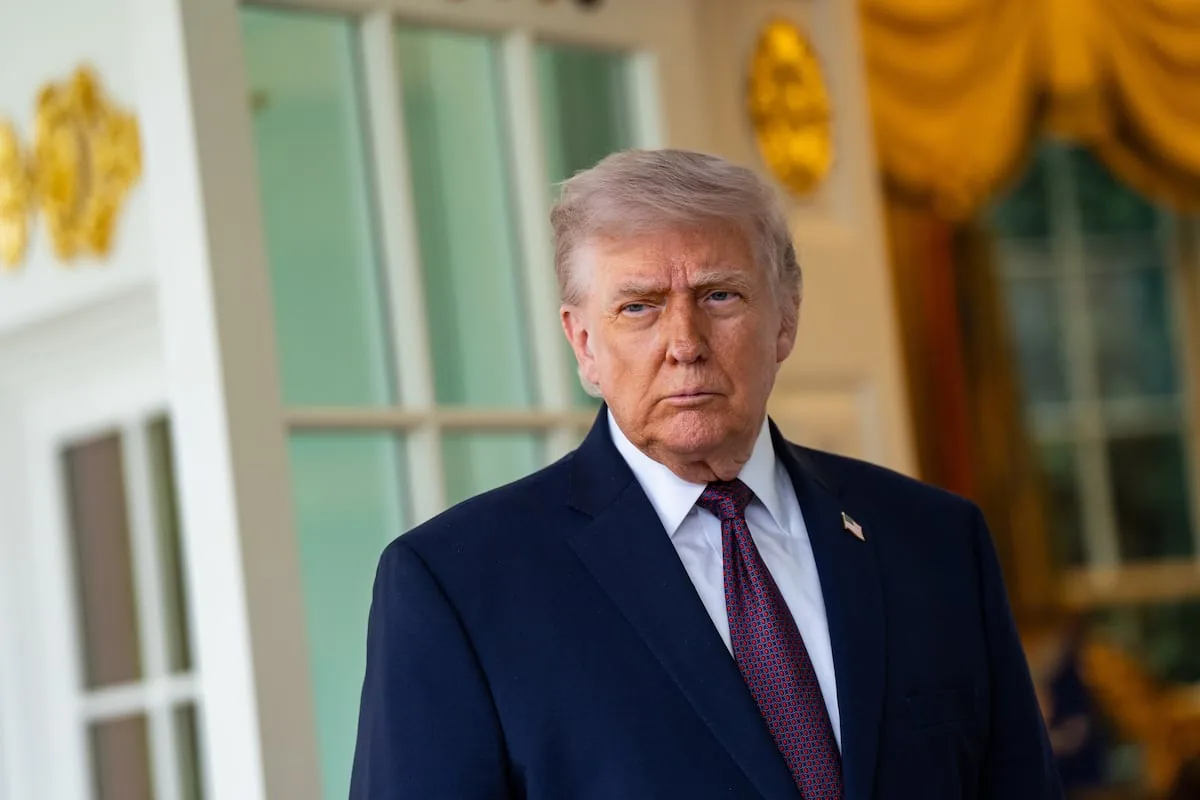
On April 7, in the midst of negotiations with Iran, Donald Trump posted a message on his social media: “Tonight an entire civilization will disappear, never to return. I don’t want that to happen, but it probably will.” The threat was met with a response from Pope Leo XIV, who, upon leaving the Castelgandolfo residence, called it unacceptable. “Without a doubt, there are issues of international law here, but above all, it is a moral issue concerning the good of the people as a whole, in its entirety.” The discussion has continued — with an image shared by Trump himself in which he personifies Jesus — and opens a rift within the forces supporting the American president. The two strongest men in his administration (J.D. Vance — vice president — and Marco Rubio — Secretary of State) are practicing Catholics, and the controversy has forced them to take a public stance.
Read more Luis Manuel Otero and the hunger strike appeal
The response came from Vance. In the face of the Pope’s criticism, he defended Trump with an argument that should discomfort him as a Christian: “It would be better if the Vatican limited itself to matters of morality and let the President of the United States handle American foreign policy,” as if foreign policy (or any policy) were exempt from moral scrutiny. Vance went even further: “It is very important that the Pope be careful when speaking about theological matters.” Although, if suggestions are concerned, it wouldn’t hurt if someone demanded the same from his earthly boss.
But the conflict that Vance personifies — the tension between his faith and politics — is much more widespread. It is not even an exclusively American problem; it affects any Christian interested in public affairs. Many were enthusiastic about Trump’s disruptive leadership, his ease in facing difficult debates, pushing the limits of common politics, and lashing out at the progressive left. They have some reason. There are moments when politics demands decisiveness and the will not to yield to adversaries. But the appreciation of those abilities can lead to dazzlement, to putting too much faith in a man who has more than evident shadows. The temptation is understandable: leaders like him seem to offer solutions that traditional politics has failed to provide.
Read more Half of the homicides in Bogotá are contract killings
The problem, thus, becomes more visible. Sharing adversaries does not make a leader good, nor does it oblige excusing his outbursts or remaining silent when he errs. Even less when we know that power can deepen the flaws of those who wield it. The risk of that uncritical adherence is accepting disruptive leaders out of necessity, excusing their aggressions out of loyalty, and being dragged into a way of doing politics that, paradoxically, makes it almost impossible. It is nothing more than a display of the pathologies of the “culture war,” a concept that guides poorly and little, that draws distinctions too coarse between friends and enemies, and can end up losing the moral compass in the name of political affinity.
We do not know what Trump’s plan is on this occasion — if there was anything more than anger at being contradicted. But the episode points to a deeper reflection: ideological closeness does not suspend the obligation to judge. For the Christian conservative world, that duty is even more demanding, as it cannot manage its principles selectively without paying a price. It is not about abandoning shared causes or ignoring real adversaries. Nor is it about abandoning political action while waiting for perfect leaders to appear. It is about refusing to cover with silence what deserves to be named. Simone Weil expressed it with a precision that has not aged: one must always be willing to change sides, like Justice, that eternal fugitive from the field of the victors.