









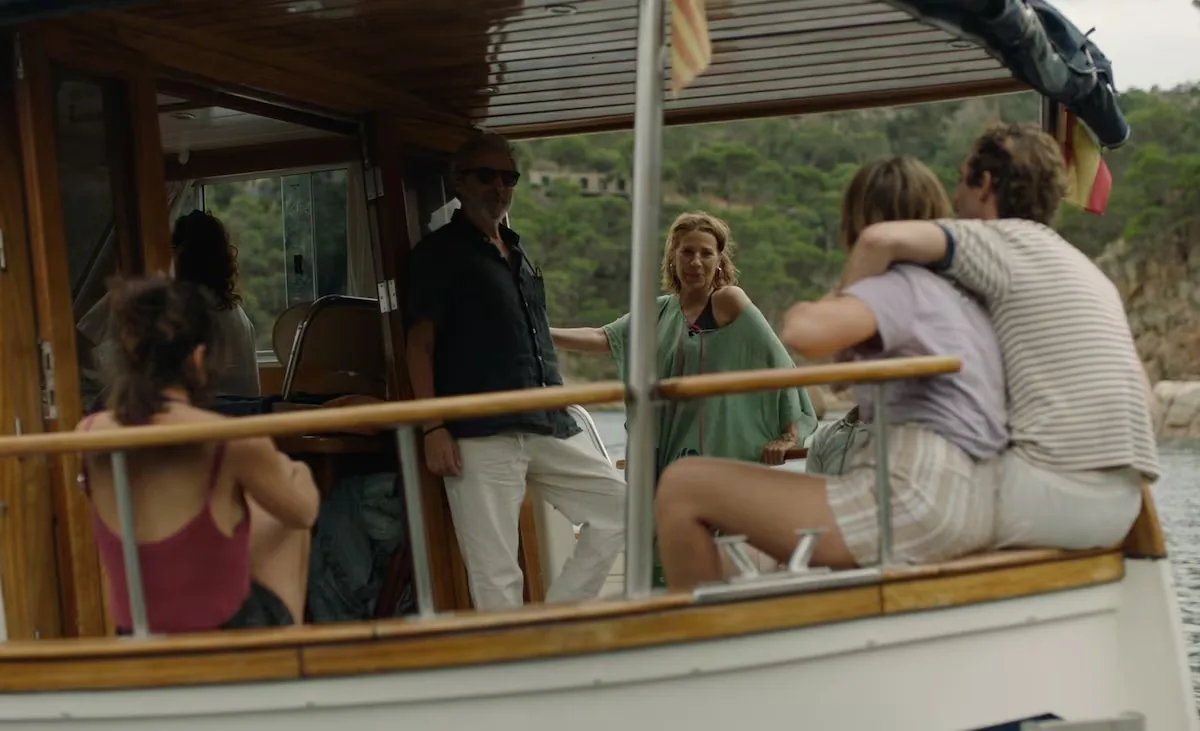
For many, summer is a time for vacation moments. These are days outside the usual routine, and they have been so since childhood. Days to spend with friends to recall old anecdotes, with a partner to experience new things, or with family to repeat the usual. The parent-child relationship during holidays shows a curious transformation over the decades: it goes from including totally dependent children and adolescents, to an equality of conditions between adults, and to a greater dependence of older people on their children. There are many independent adults who still seek to share part of their holidays with their parents, but why?
“If there is good communication, a secure attachment relationship, harmony, mutual respect, and a space for intimacy, a family may want to continue sharing that space,” comments Ana Antelo, a psychologist from Granada who also identifies with the profile of a daughter. “Now I go to the village in summer with my parents, I live with them and my children, and I find it very pleasant. It’s like a feeling of being sheltered, of being with them and safe. I have recovered a comfort zone that generates well-being for me,” she explains.
The emotional aspect also takes on an important role during holidays: “For many people, traveling with their parents does not imply a lack of autonomy, but a conscious choice based on affection and the desire to maintain the bond,” notes Cecilia Martín, psychologist and director of the Psicode Institute of Psychology. “A child with secure attachment usually becomes an adult capable of becoming independent without needing to emotionally break away from their family. They are with them because they choose them, not because they need them,” she adds.
Even though children have moved on to independent lives, family vacations can be a custom that doesn’t break over the years. In cases where they have been interrupted, both parties can try to recover them, even if only for a year. “Going on vacation with my mother has been an exception this year. I’ve been living in the United States for a year now, and not being in Spain makes it difficult to find days that fit the schedule. In the end, we managed to escape for five days to Scotland, and since it was the Edinburgh music and art festival, it was the final push for both of us to go ahead with a plan that was very much worth it,” comments Sofía García, 36 years old.
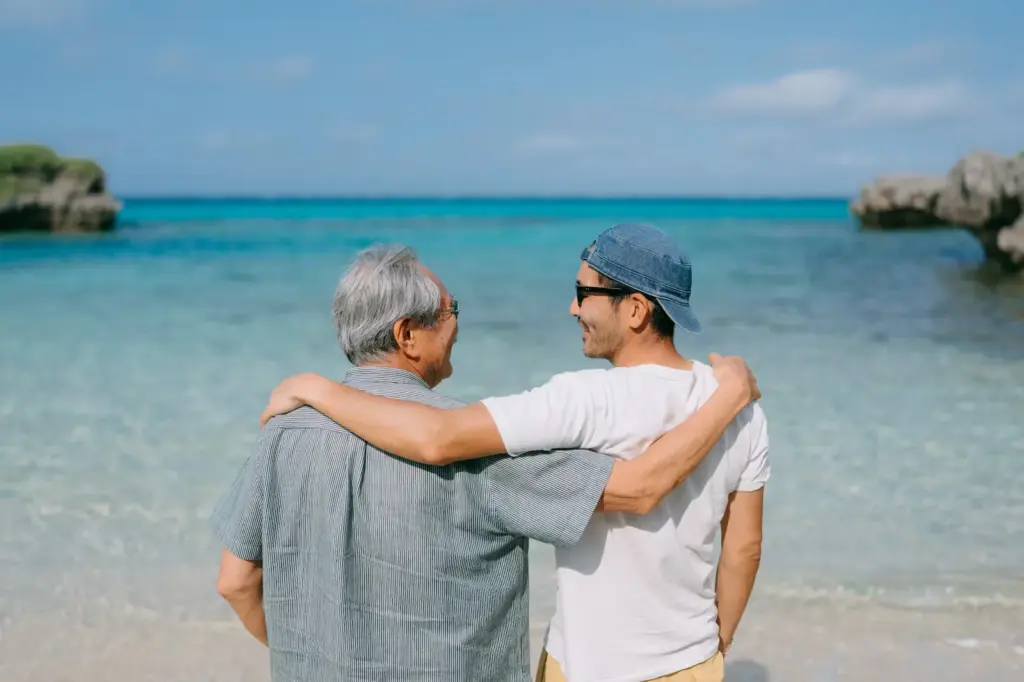
One of the most sought-after aspects during this period is getting together to remember past moments. Nostalgia and habit are also factors that help reinforce that companionship. “Holidays, especially for children, are freedom: pool, street, beach, village, travel… And as adults, we seek to repeat that moment of happiness and security,” notes Antelo. “If a family works, we will seek even 10% of our holidays with our parents. Returning to my family is returning to my roots, connecting with them and with my childlike, fun, natural, and positive self,” she adds.
Martín believes that, although nostalgia is not a determining factor because “the most important thing is the quality of the current bond and not the memory of the past,” the custom of repeated family experiences during childhood can bring great emotional value. “Holidays are a family ritual, and these maintain group connection and generate identity. Another important aspect is autobiographical memory, because the most important memories of our lives are organized as a story with recurring scenarios. When we continue to make these trips, we are giving continuity to our own history,” she notes.
Read more The case of the Austrian professor cited by Carles Puigdemont to demand compensation from Spain

As an independent adult, García states that the organizational role of her holidays is much more relevant than when she was a child: “Although my mother and I look for routes and ideas on our own, I am usually the one who organizes the itineraries, transport, and applications. But there are things that never change, like her insisting on inviting me to eat or worrying if something hurts me.”
According to a study published in Journal of Hospitality and Tourism Management in 2024, the daily relationship between parents and adult children directly influences how a shared trip is planned and experienced. The prior closeness, support, and quality of the bond are decisive for the motivation, satisfaction, and subsequent well-being of the holidays. Another analysis from Annals of Tourism Research in 2024 investigates the role reversal that occurs when children take on the role of organizers and caregivers for their parents. This can improve the well-being of young people by strengthening their emotional commitment and reducing the feeling that care is solely a sacrifice, but it depends, in part, on parents recognizing and valuing that help.
“It is common for children to start valuing these types of trips with their parents more as they perceive that time will be more limited. It happens to me: you see that they are older and you want to be with them. I have planned a week-long vacation to be together,” Antelo exemplifies. Martín also believes that it is common for people to start valuing these types of trips more as time goes on: “The perception that shared time is finite usually leads to a change in priorities and makes one value everyday moments and shared experiences with them more. The awareness of finitude strengthens the emotional value of bonds. Furthermore, the concept of gratitude comes into play to a greater extent, because in adulthood, and especially if one has children, it is common to look back and think about their efforts and sacrifices.”
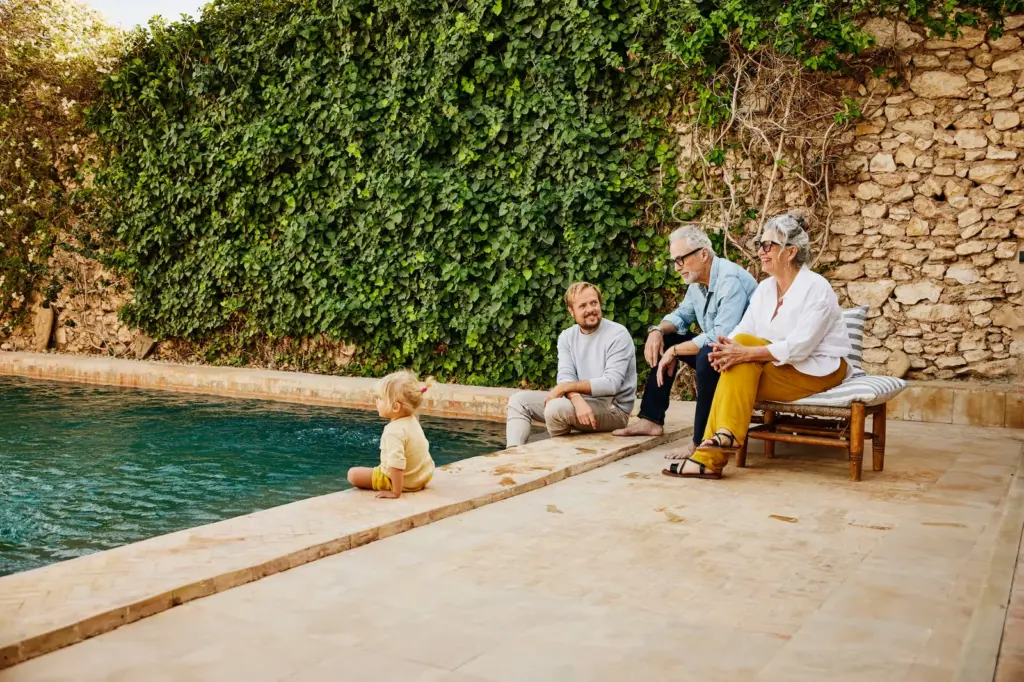
When undertaking that vacation period with parents as an independent adult, it is also necessary to consider the difference in rhythms between both generations: “To an adult who values going on vacation with their parents, I would say to arm themselves with patience, but don’t hesitate. Over time, we will all be grateful for having shared those moments with our parents, even the small arguments or disagreements that may arise. My only advice would be to adapt the pace of the trip a little. I try to slow down and enjoy the moment,” García assesses. For Antelo, the important thing is to disconnect from screens: “We have to connect with our essence and put aside our phones as much as possible. Make the most of the time with both adults and children, because it is a very good time to do so.”