







Blow, retaliation, pause… And start again. The diabolical scenario into which the Iran war has entered seems endless. The end of this month’s ceasefire returned the conflict to its hottest moment, with 13 consecutive days of U.S. attacks on Iranian soil. The weekend opened a new scenario that, although it could not be described as a ceasefire or a return to the negotiating table, at least showed a freezing of military activities. But a new incident this Tuesday shows the fragility of this situation and how any excuse can serve to unleash violence again.
Read more The death toll in the Japan earthquake rises to 13 as the search for missing persons continues
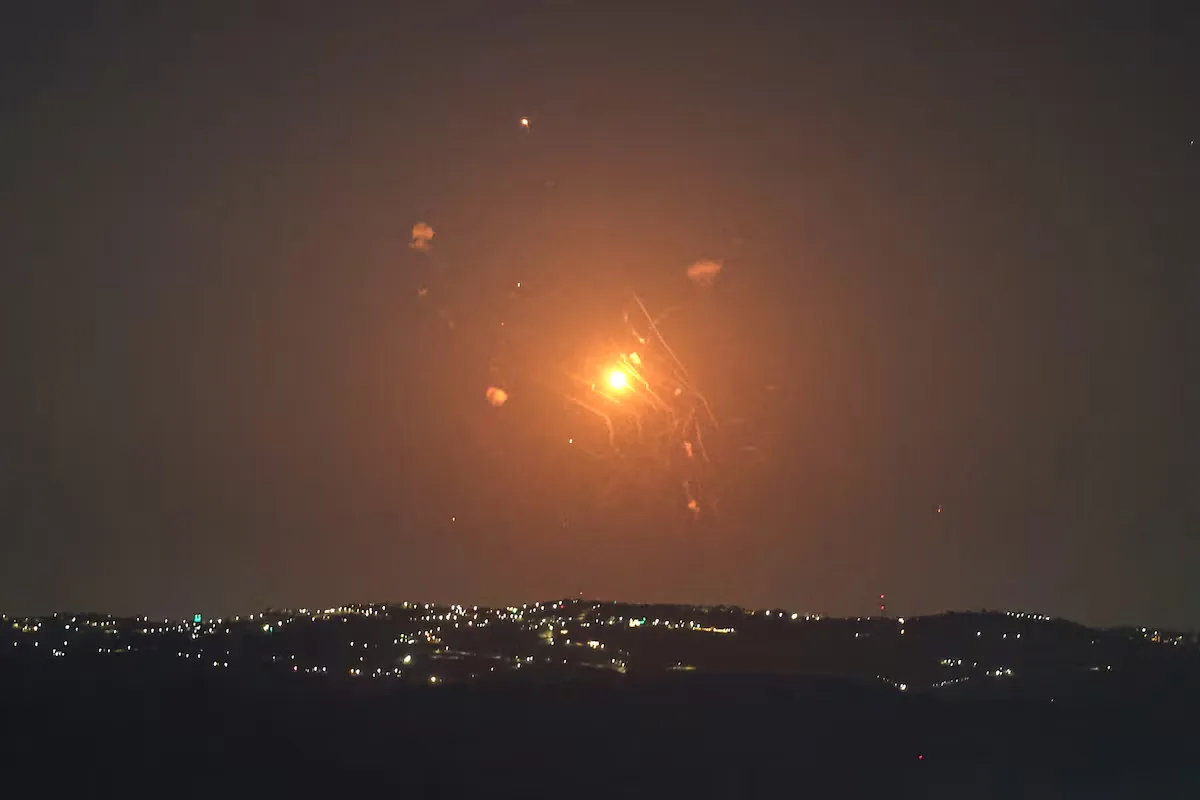
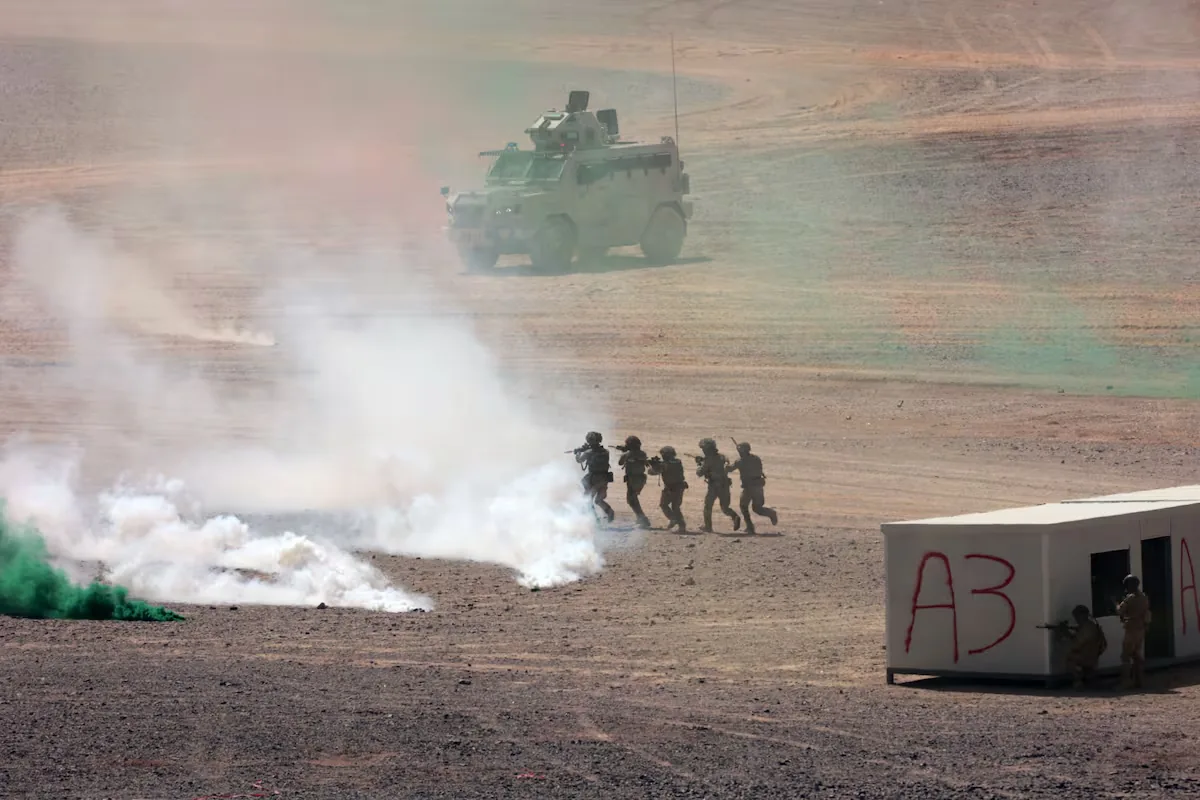
The United States has reported that at 5:45 p.m. Washington time (3:45 p.m. in Mexico and 11:45 p.m. in mainland Spain) its bases in the Middle East suffered an attempted Iranian ballistic missile attack. The strike, according to Washington, was successfully intercepted. But it shows how tense a situation is in which, according to U.S. President Donald Trump, his country was negotiating with the Islamic Republic. According to Axios, the Iranian operation was against U.S. bases in Jordan.
In the midst of Israeli Prime Minister Benjamin Netanyahu’s visit to the United States, the true driver of Operation Epic Fury against Tehran that began last February, the situation again seems out of control. News about a new escalation of the conflict in the region has again pushed up the price of oil, with a barrel of Brent, the European benchmark, trading at $82 late Tuesday.
“This is the first time Iran has launched an attack without a prior offensive by the United States or Israel. The attack appears to have been a signal related to Netanyahu’s visit to the White House that same day,” says analyst Hamidreda Azizi in a message on X, who considers that this could mark a new evolution in Tehran’s attitude in this war. “Iran’s military strategy may have changed, now being prepared to launch a preemptive attack if it detects signs of an imminent threat. Therefore, the attack seems to have been a warning to the United States not to join or initiate a new military campaign against Iran,” adds the contributor to think-tanks such as SWP Berlin and Clingendael Institute.
At 5:45 p.m. ET today, Islamic Revolutionary Guard Corps forces launched multiple ballistic missiles from Iran in an attempted surprise attack on U.S. forces based in the Middle East. All Iranian missiles were successfully intercepted. U.S. forces remain vigilant and at a high…
— U.S. Central Command (@CENTCOM) July 28, 2026
“Today at 5:45 p.m. (Eastern Time), Islamic Revolutionary Guard Corps forces launched several ballistic missiles from Iran in an attempted surprise attack against U.S. forces in the Middle East,” stated the U.S. Central Command (Centcom) on its X account. “All Iranian missiles were successfully intercepted,” the message added.
Previously, the U.S. military had stated that it has more than 20 warships deployed in the region supporting military missions, including the naval blockade of Iran, which has prevented 22 commercial vessels from heading to the Persian country.
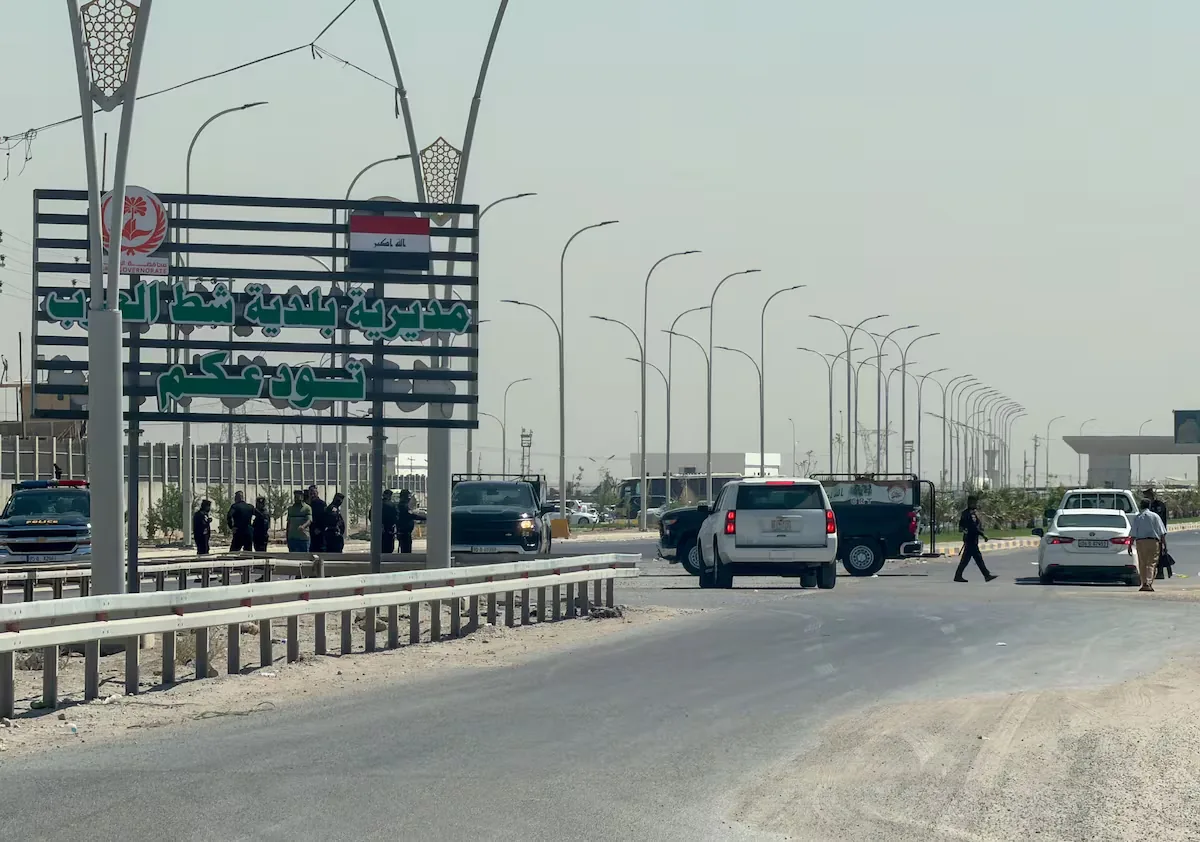
In addition to the Iranian operation on Jordanian soil, the United States and Saudi Arabia carried out attacks on Tuesday against positions of terrorist groups aligned with Iran in eastern Iraq, in response to more than 30 drone attacks directed by the Islamic Revolutionary Guard against U.S. forces and Saudi energy infrastructure in the last 72 hours, Centcom reported.
After canceling two consecutive weeks of bombings, and threatening to increase the level of punishment, Trump said on Monday that “good talks” were underway with Iran, a point denied by senior officials of the Islamic Republic. While speaking of progress, the Republican also threatened new punitive measures if negotiations did not succeed. “If they don’t work, we will come back with very strong military action,” he said on Monday. When asked how much time he was willing to give diplomacy, the president replied: “Not much time. Either it moves fast or it doesn’t happen at all.”
If the Iranian attack on Jordan is confirmed, the Islamic regime would again strike the same country where two members of the U.S. Armed Forces died earlier this month, which prompted Trump to launch the two-week campaign of attacks.
Read more Florida carries out its first double execution in more than 60 years