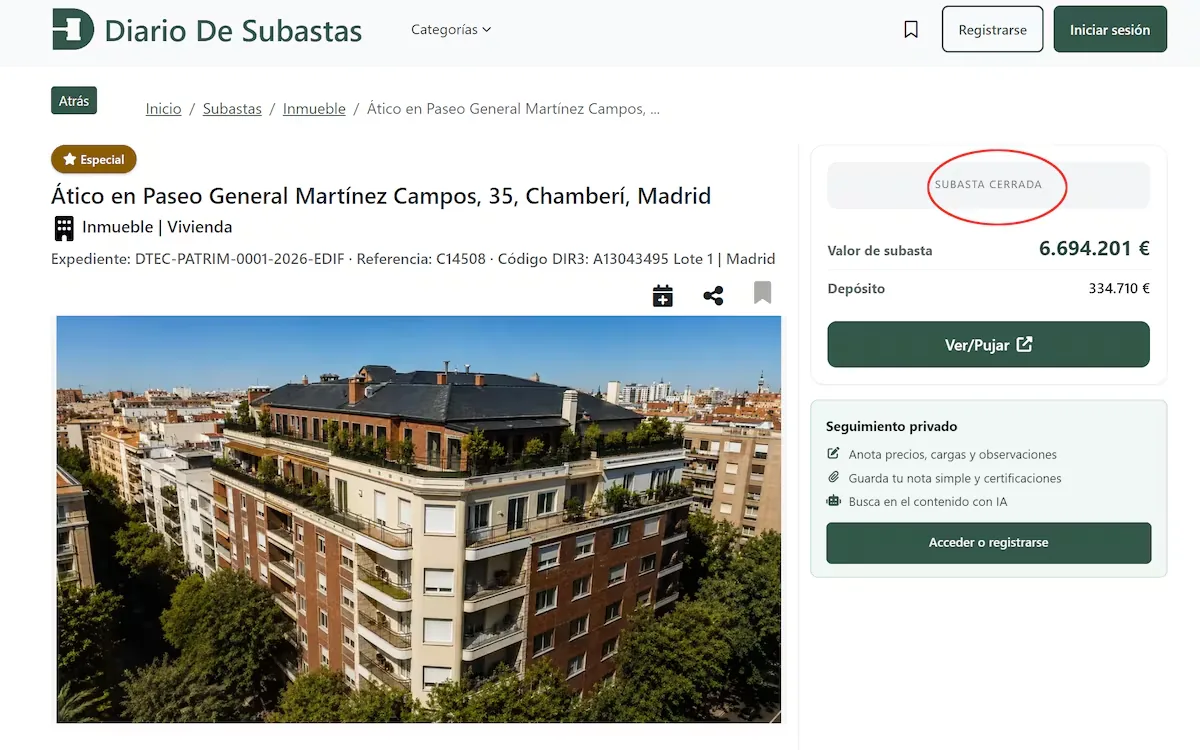


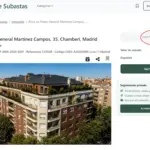



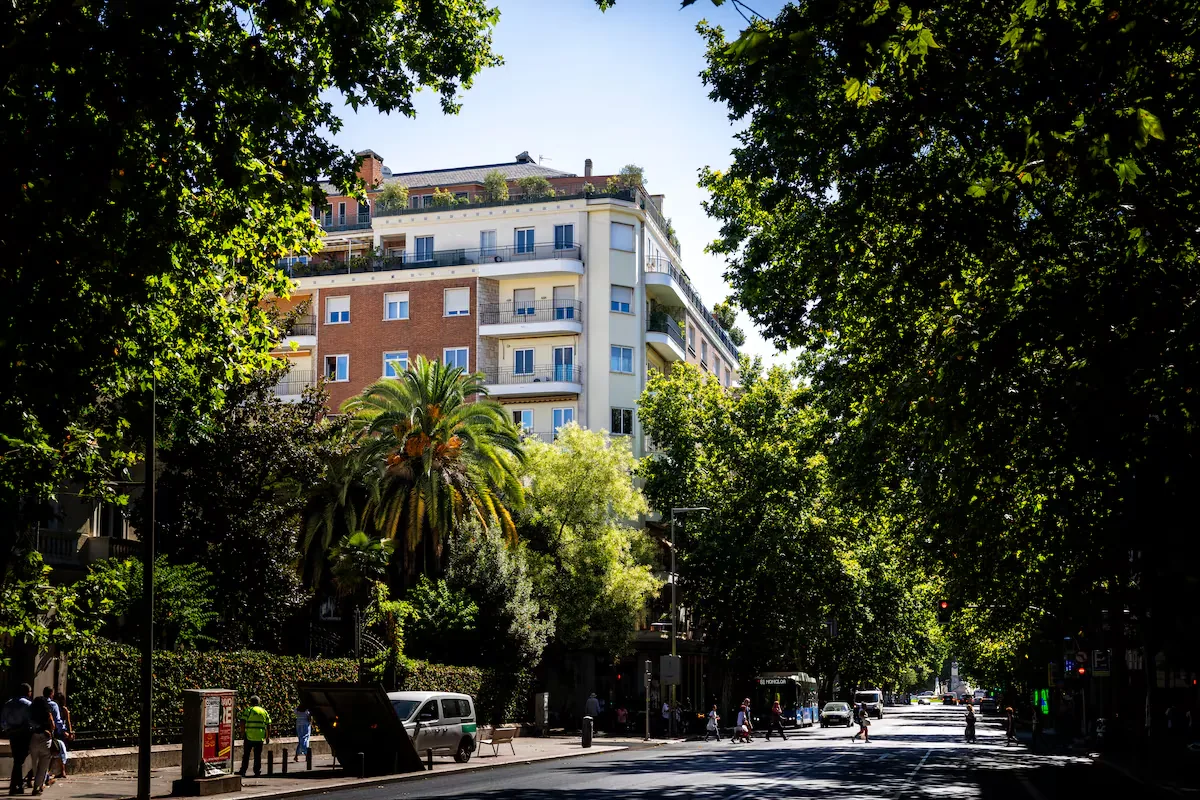
33 hours. Less than a day and a half. That’s how long it took the Government of Isabel Díaz Ayuso to react to the luxury penthouse crisis from the moment EL PAÍS published the news of the unusual purchase until the spokesperson minister, Miguel Ángel García Martín, announced its sale. However, three days later the most basic details of this case remain unknown, which should be in a file, the purchase file with data that the Community of Madrid continues to hide such as the price paid, the intended use, and the report justifying the strange decision to establish an office in the penthouse of a residential building.
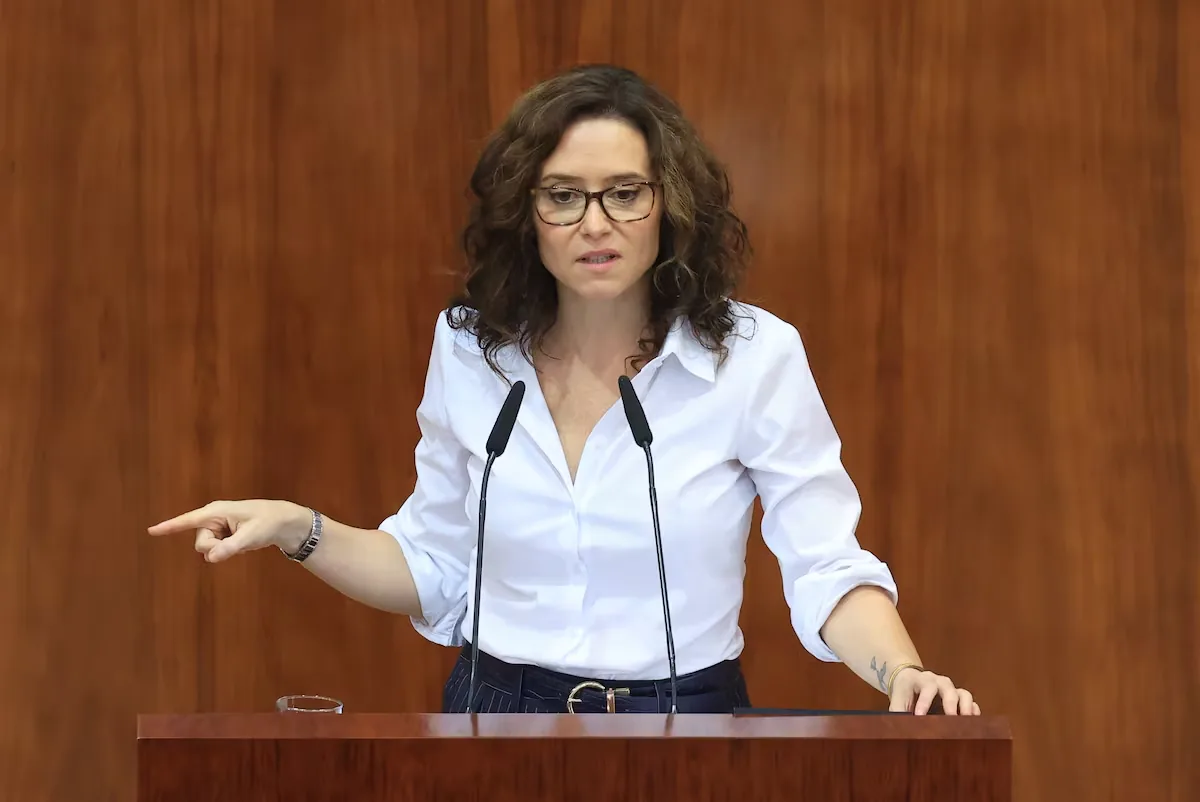
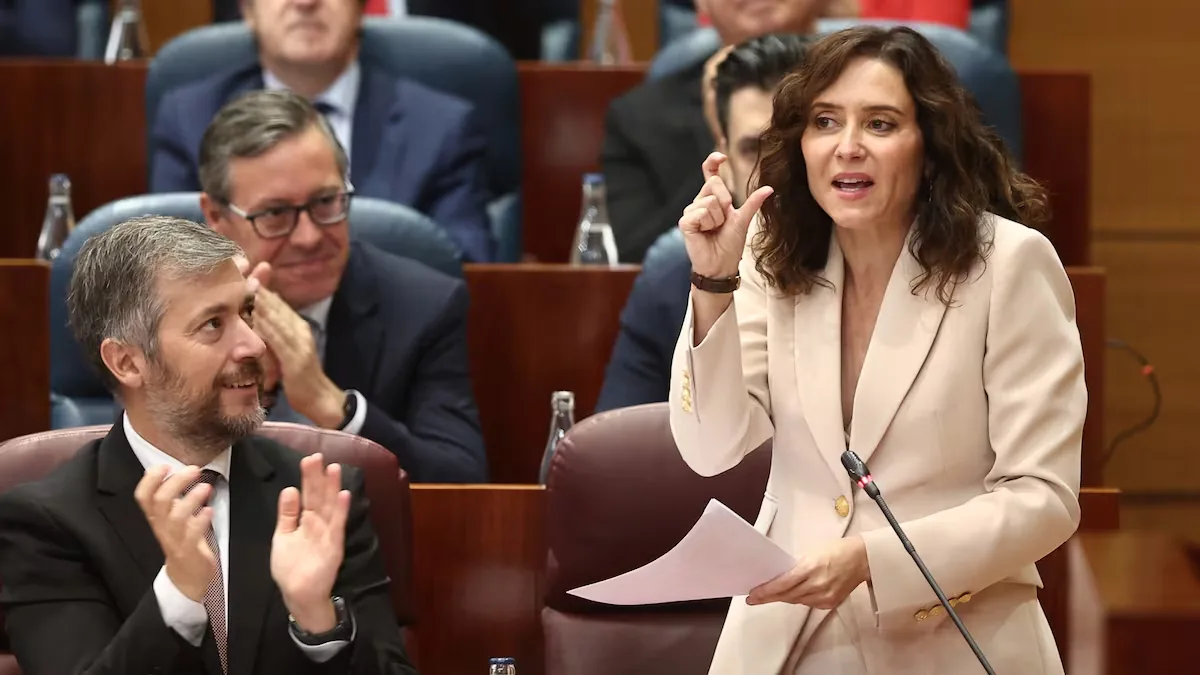
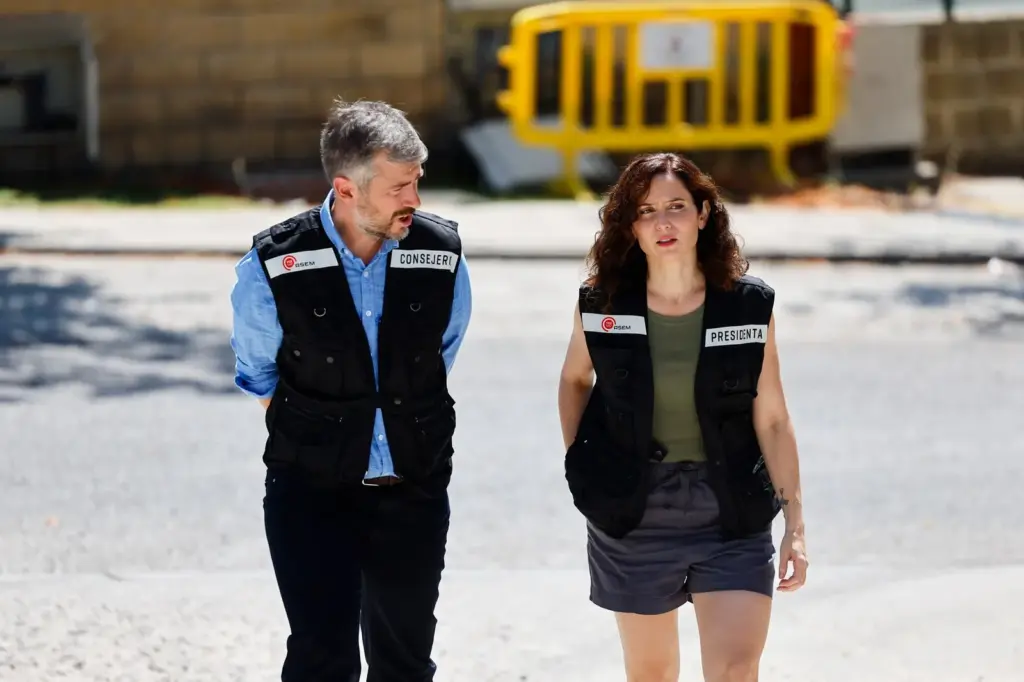
The Ayuso Government came out this Friday afternoon to counter the accusations of opacity from the opposition, including Vox, promising that the file will be published. “Of course, all operations carried out by this company and any other will also be in their activity reports. We do account for ourselves, we are transparent,” said García Martín during a visit to the area devastated by the fires.
A spokesperson for his ministry later explained to this newspaper that all details will be ready when the file is closed, including the expenditure justification reports. “Real estate purchase and sale operations have extended timelines, they are not immediate,” he said, without specifying the date when they will be available.
The fact is that with other acquisitions made by the Community, it is not necessary to wait until the end of the process. Each phase of purchases of scalpels, hospital facade painting, or works at a Metro station can be followed step by step on the Contracts portal. This has not been the case with the penthouse, whose purchase was signed before a notary three and a half months ago, on April 14.
These are details that may end up being known in August or September thanks to the procedures regulated by law for citizens to access public information. The Community is obliged to respond to requests made by anyone from the website and to information requests from regional deputies.
In the case of a citizen, they must respond within 20 days, extendable to 40 “when the volume or complexity of the requested information justifies it.” The deadline to respond to deputies is 30 days from when it is qualified by the Assembly Board, the regional parliament. Both PSOE and Más Madrid have used this channel. The problem is that this body does not hold sessions in August and the next Board meeting will be on Friday, September 4.
There is the possibility that the Community denies that information, but if a judicial case is opened, it could not deny it to a judge. That route has been initiated by Más Madrid, which announced this Friday that it has reported the facts to a magistrate as a possible embezzlement of public funds.

Less control
The still unknown file is more succinct than a classic public contract, where it is common for operations worth millions of euros like this to be put out to tender so that the administration selects the candidate offering the best conditions. This simplification is because the purchase was made by a public company, a common option in all public administrations to reduce bureaucracy and speed up times. In fact, Planifica Madrid highlights on its website that “agility” is one of the characteristic features of its management model.
Planifica Madrid is an autonomous company created in 1991 dedicated to land management, carrying out works, and renting its own buildings. It is the former Arpegio, a name tainted by ongoing judicial investigations for influence peddling or embezzlement in the Púnica case.
Read more Abelardo de la Espriella delegates his strategy against Venezuela to Washington
The management corresponds to a board of directors of nine members chaired by García Martín, the head of the Ministry of the Presidency, to which this company is attached. Its CEO since July 2023 is Pedro Corbalán Ruiz, who previously held positions in the regional administration within successive governments of the Popular Party. The statutes of Planifica Madrid indicate that the board of directors is competent to “buy and sell movable and immovable property, rights, and securities for the price and conditions it freely stipulates.”
The agility enjoyed by Planifica Madrid does not mean that control disappears, warns Pedro Brufao, associate professor of Administrative Law at the University of Extremadura. In the case of Planifica Madrid, whose capital belongs entirely to the Community, the purchase of a property must be preceded by a series of verification procedures typical of a public entity, although the purchase can be formalized by direct award and without tender.
According to this interpretation, the company is not obliged to tender the purchase of the penthouse, since in the real estate market it acts similarly to a private individual. However, before closing the operation, a budget allocation, a preparation file, and a justificatory report motivating the acquisition are required. That report must explain both the need for the purchase and the reasons for the direct award.
The purchase procedure for the penthouse is regulated by the Madrid Heritage Law, according to consulted jurists. The first step must be taken by García Martín, who can act on his own or at the proposal of another interested minister. He can exempt the tender and exceptionally authorize the direct purchase, but will need a report from the Directorate General of Heritage and at least one of the five circumstances that justify it must concur: urgency, scarcity of supply in the real estate market, peculiarity of the need to be met, price below 300,000 euros, or uniqueness of the property.
Brufao emphasizes that controls must be respected that justify the purchase, among other issues, that there is sufficient financing, that the property can be legally acquired, and that the operation responds to the interest of the public entity.
This is intended to avoid waste or errors, such as the property being seized or not existing. “There are millions of unregistered properties, or suddenly an heir appears. There are many possibilities for mistakes,” he illustrates.
Do you have something to tell? Write to the authors at fpeinado@elpais.es and scastrog@elpais.es
Read more Peru and Mexico open up to restoring their diplomatic relations