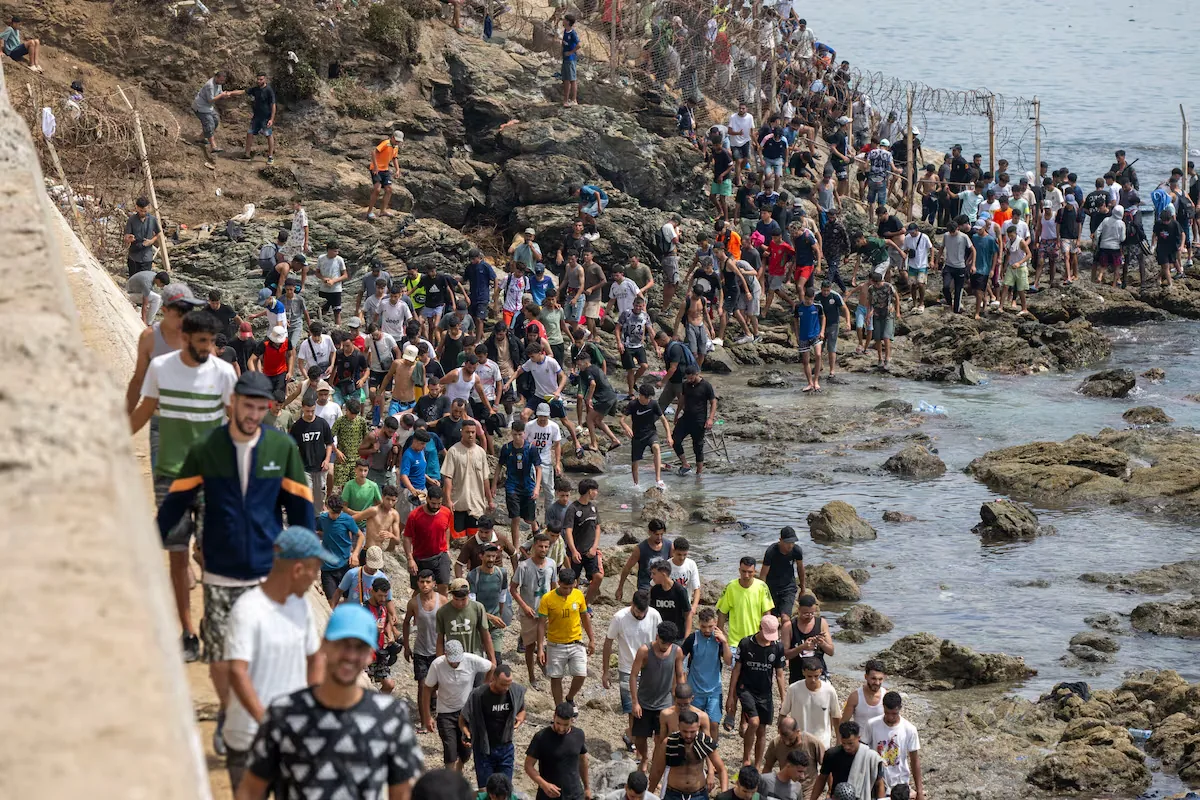
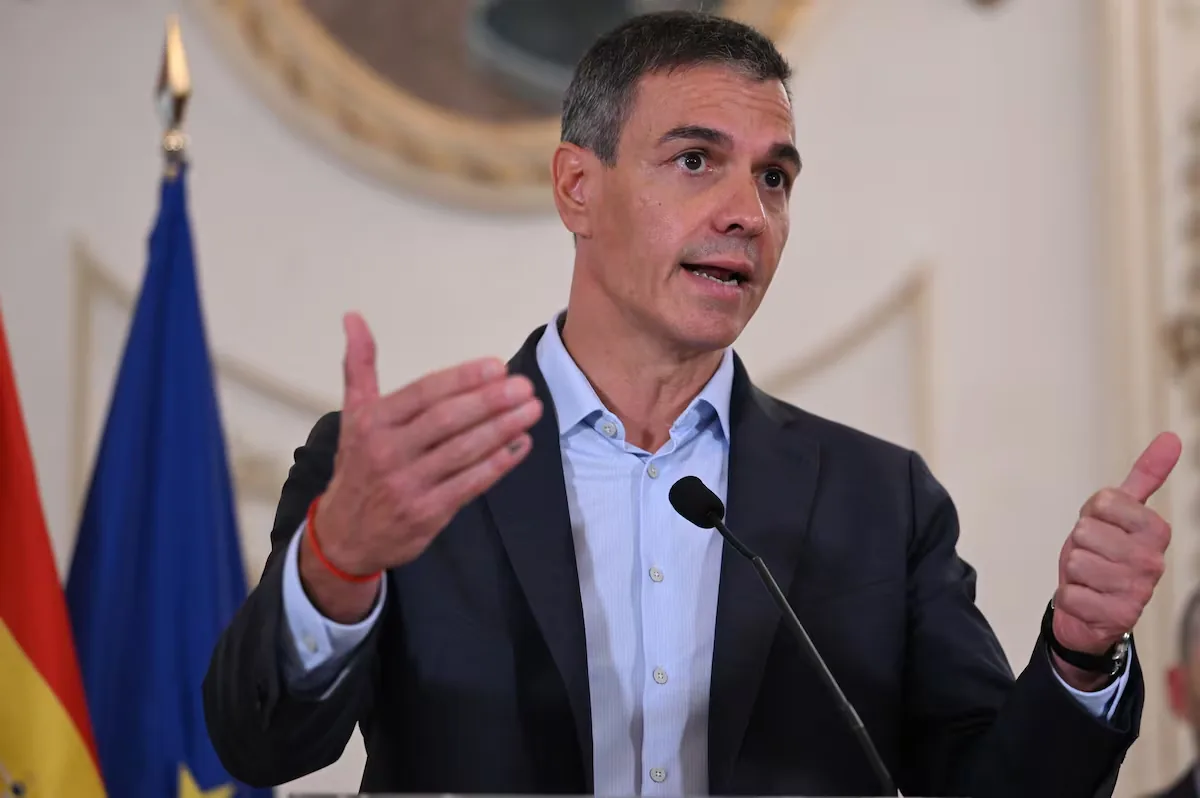
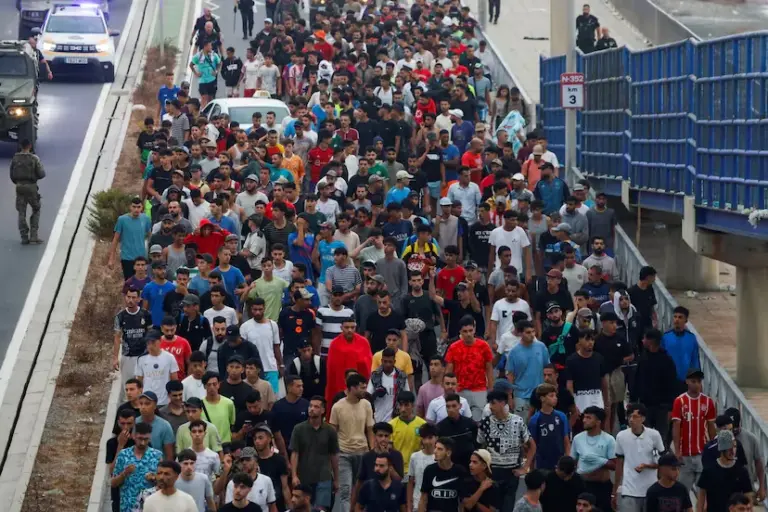
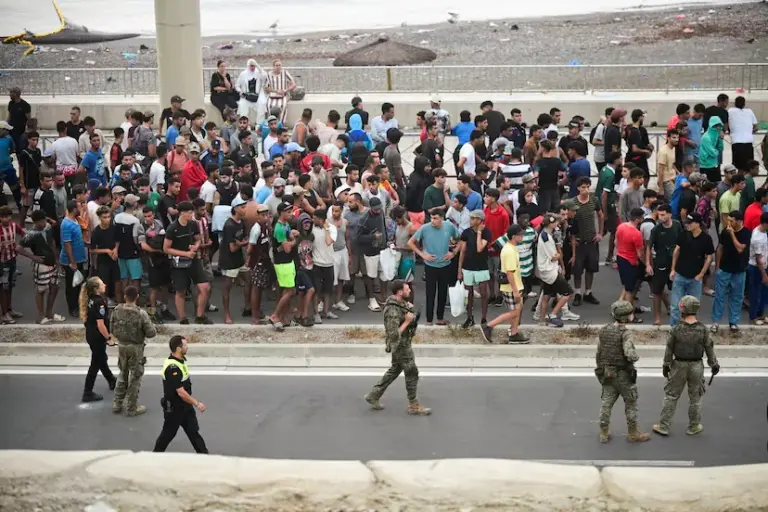
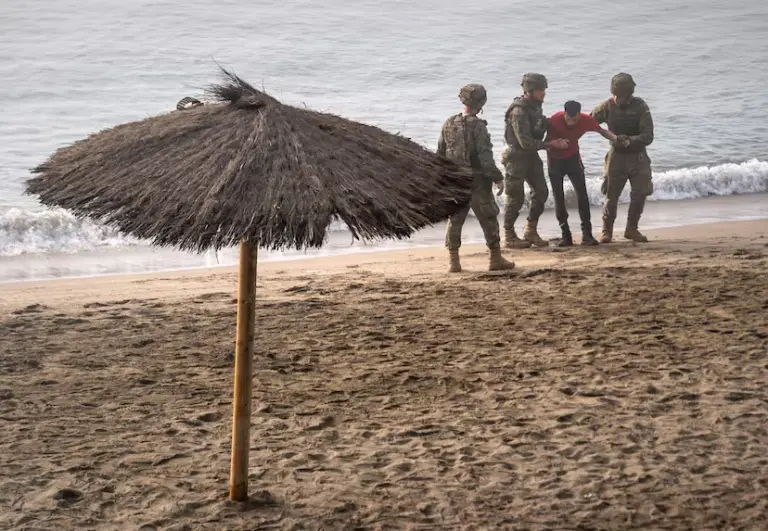
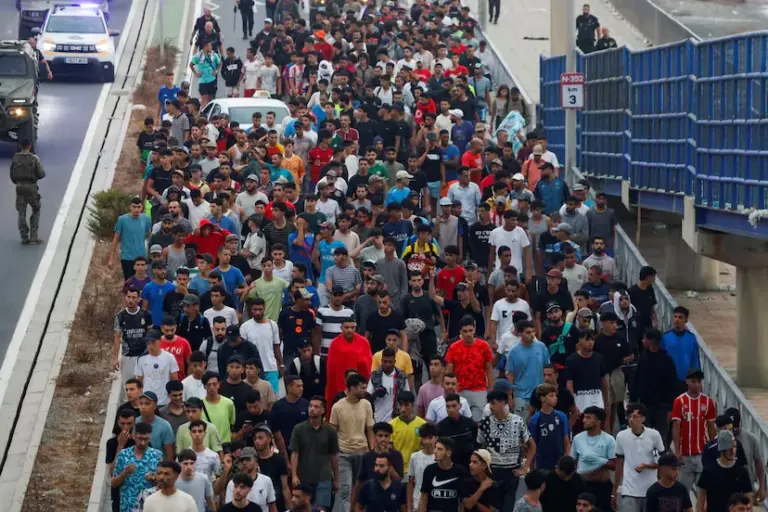
The President of the Government of Spain, Pedro Sánchez, has accused several European governments of acting in the Ceuta crisis driven by “prejudice, fake news, ignorance, or political interest” and described their response to the migratory situation in the Spanish autonomous city as “selfish, polarizing, and illegal.” In a letter sent to the leadership of the community institutions, Sánchez criticizes the reaction of some of his EU partners (without naming names) and calls for an urgent meeting of Interior Ministers, after Italy suspended its Schengen cooperation with Spain and Finland and Denmark openly raised the possibility of temporarily excluding their free movement cooperation with Madrid. Spain estimates that more than 48,000 of the approximately 50,000 who entered Ceuta from Morocco have already returned.
Read more Abelardo de la Espriella delegates his strategy against Venezuela to Washington
“The reaction of the European Governments has been quite asymmetrical,” says the Spanish president in his letter, sent to the President of the European Commission, Ursula von der Leyen, the President of the European Council, Antonio Costa, and Micheál Martin, Prime Minister of Ireland, the country holding the rotating presidency of the EU Council this semester. “Most have shown us their support and solidarity and have offered their help. Others, however, have chosen to attack Spain and call for its temporary exclusion from the Schengen area,” Sánchez criticized in the text, in which he expresses his “deep concern” about that reaction from “some European Governments.”
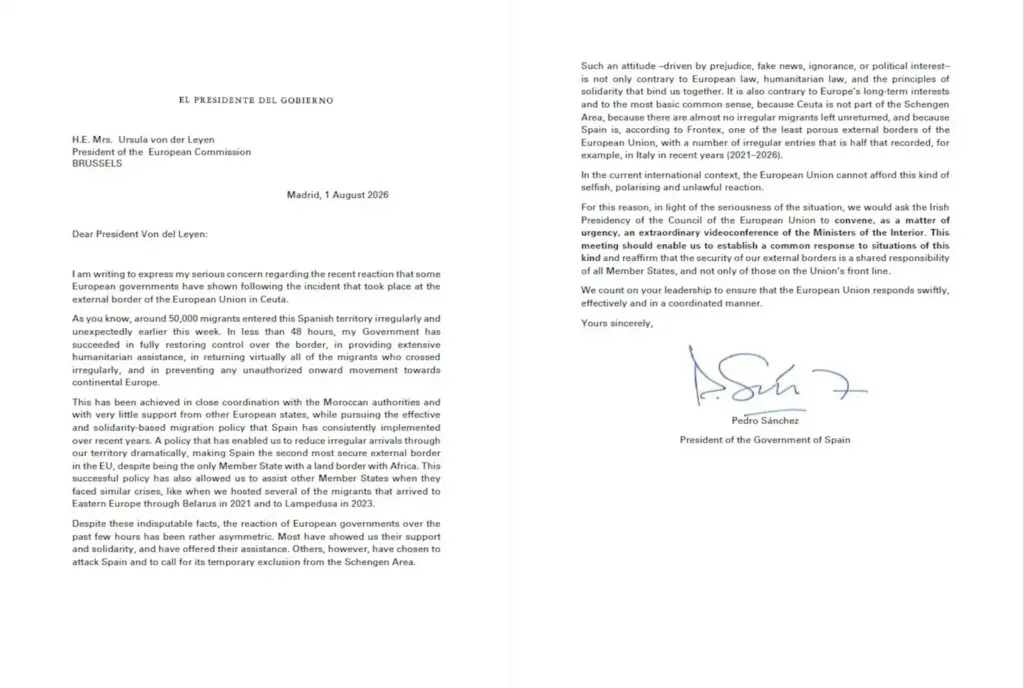
The Spanish government claims that the attitude of those partners is “contrary to European law, humanitarian law, and the principles of solidarity” that underpin the Union. An accusation of legal, not just political, non-compliance. Sánchez recalls in his sharp letter that Ceuta is not part of the Schengen area — which, according to his argument, removes any legal basis for suspension threats — and cites data from Frontex, the European border agency, to assert that Spain records half the irregular entries of Italy between 2021 and 2026, despite being the only Member State with a land border with Africa.
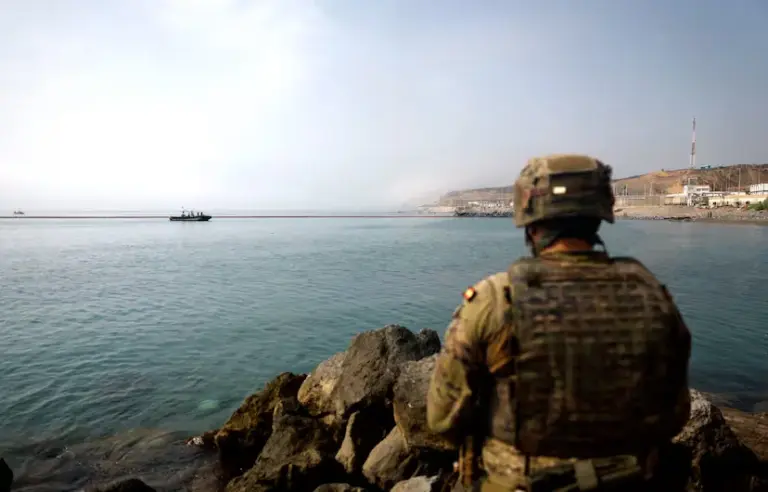
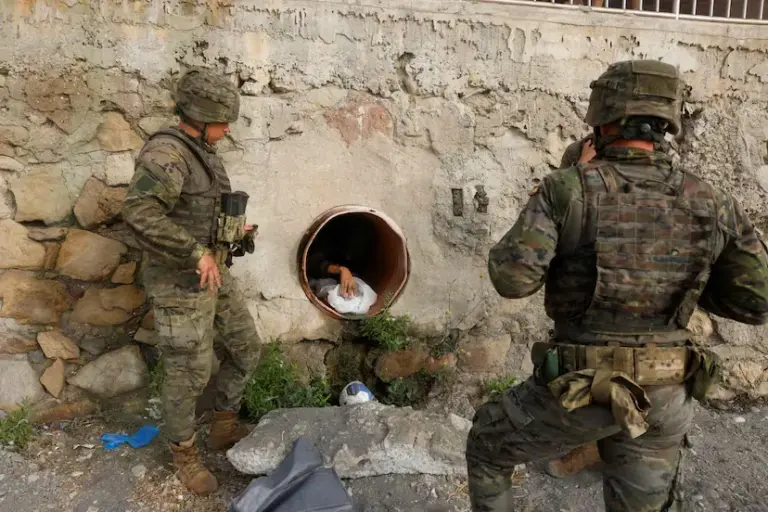
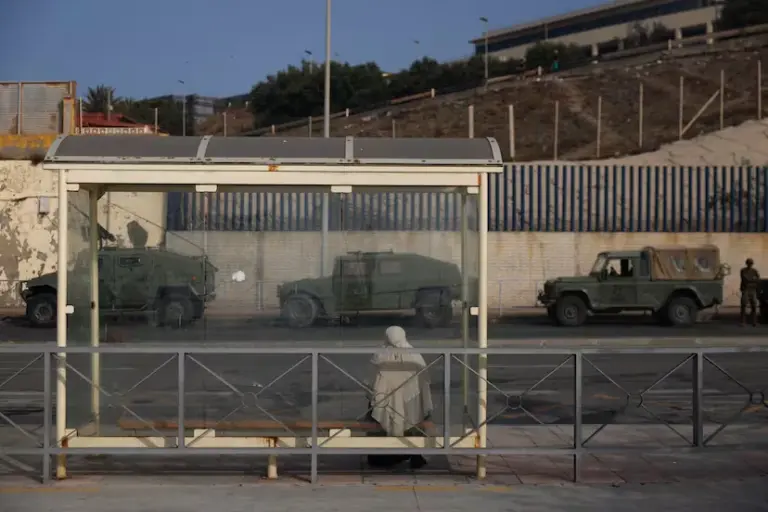
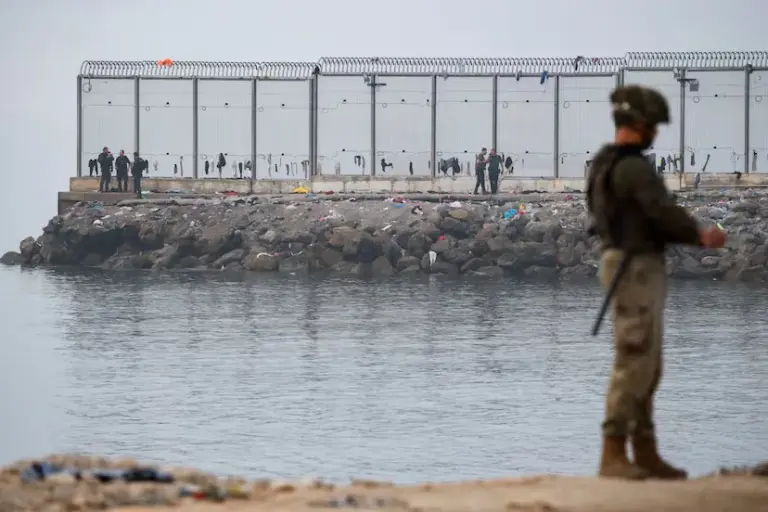
He assures that Spain fully restored border control in less than 48 hours, returned practically all migrants who arrived irregularly, and prevented any unauthorized movement towards the rest of Europe. All this, according to the letter, “with very little support from other European States.”
The Irish Interior Minister, Jim O’Callaghan, spoke on Friday with his Spanish counterpart, Fernando Grande-Marlaska, about the Ceuta crisis. Additionally, Ireland, as the rotating presidency of the EU Council, has convened an Integrated Political Crisis Response Mechanism meeting for this Saturday, activated in relation to migration since 2015, where experts from Member States will analyze the situation. Representatives of the countries to the EU will also hold a meeting on Monday on this matter.






Lack of solidarity
Sánchez reflects the lack of solidarity and reciprocity of some of his partners — who have taken the opportunity to criticize his migration policy and the massive regularization Spain carried out a few months ago — in specific episodes and states that Spain welcomed migrants who arrived in Eastern Europe through Belarus in 2021, when dictator Aleksandr Lukashenko used asylum seekers to launch a hybrid attack against the EU, and to the Italian island of Lampedusa in 2023.
The attitude of those European governments, Sánchez argues, “is contrary to Europe’s long-term interests and the most basic common sense, since Ceuta is not part of the Schengen area, there are practically no migrants left to return, and according to Frontex, Spain is one of the least permeable borders of the EU.”
Sánchez had already responded publicly and separately to Italy’s criticisms, citing the same Frontex figures on social media and stating that “solidarity and empathy are optional; respect for European treaties and facts is not.” The Finnish Interior Minister, Mari Rantanen, had accused Spain of having “completely failed” in protecting the Union’s external border, while Danish Prime Minister Mette Frederiksen called for considering “all possibilities, including the suspension of Schengen cooperation.”
The European Commission has maintained that the expulsion of a Member State from Schengen cannot be decided unilaterally and corresponds, if applicable, to the Council; the President of the European Council, António Costa, had already publicly supported the Spanish Government’s response to the crisis.
Read more Peru and Mexico open up to restoring their diplomatic relations
Pedro Sánchez’s letter to the European institutions
I am writing to express my deep concern about the recent reaction that some European Governments have shown following the incident that occurred at the EU’s external border in Ceuta.
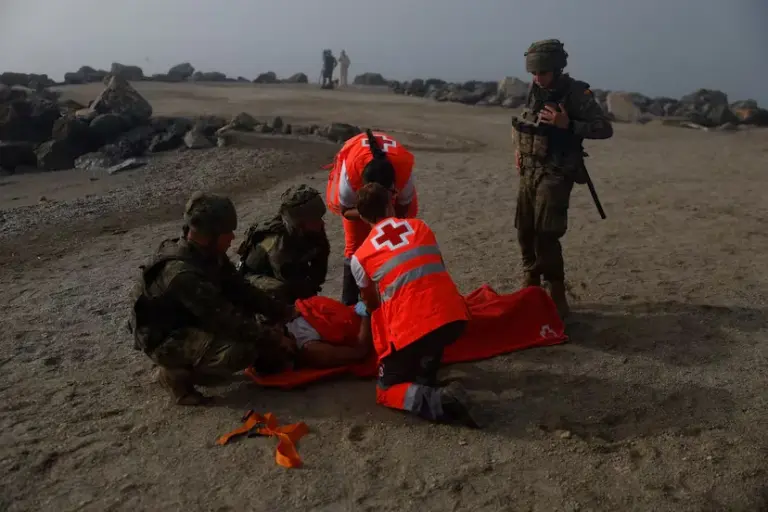
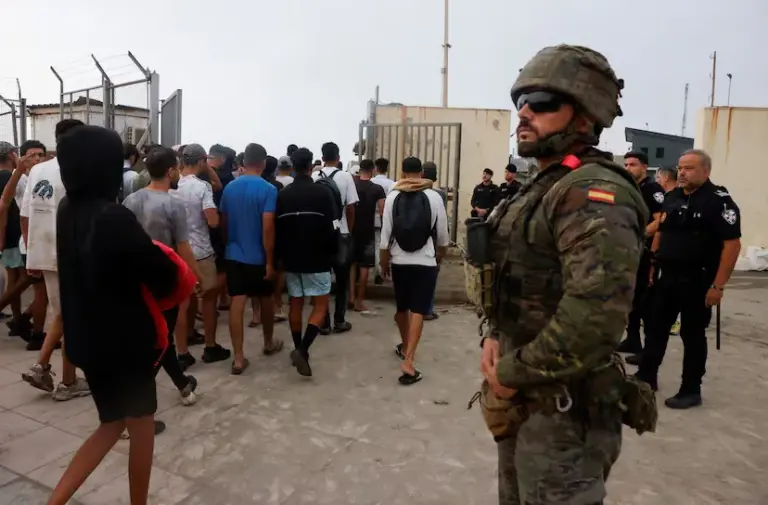
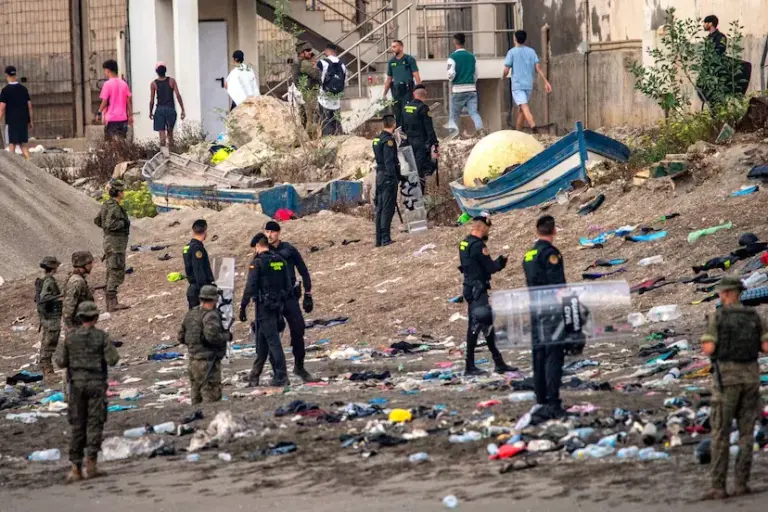
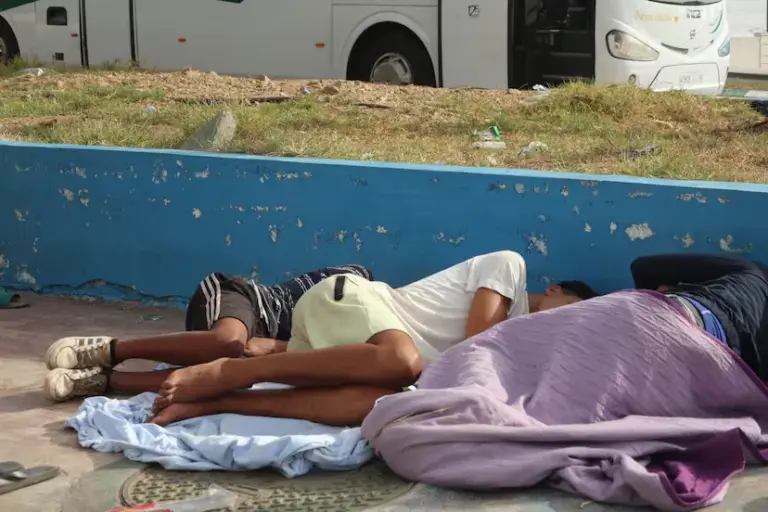
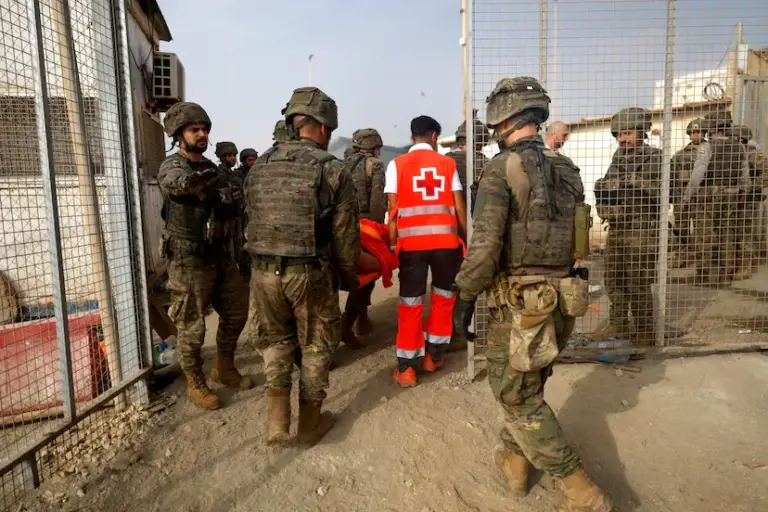
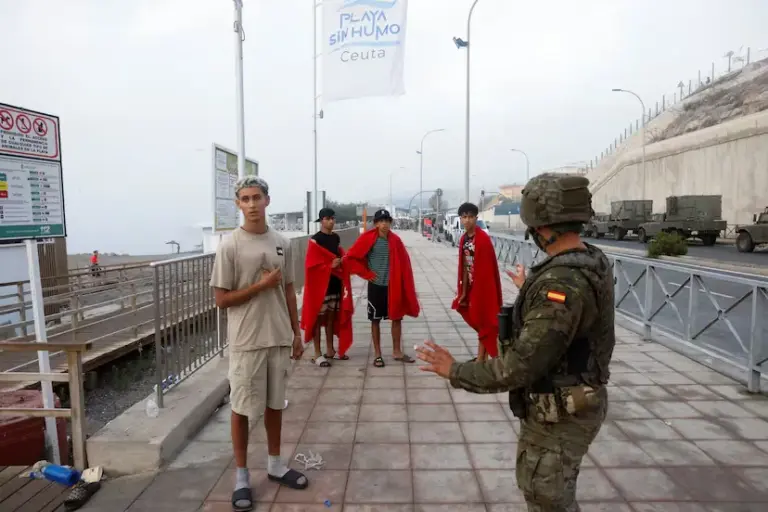
As you know, around 50,000 migrants entered this Spanish territory irregularly and unexpectedly earlier this week. In less than 48 hours, my Government has fully restored border control, provided extensive humanitarian assistance, returned practically all migrants who crossed irregularly, and prevented any unauthorized movement towards the European continent.
This has been achieved in close coordination with Moroccan authorities and with very limited support from other European States, while continuing to implement the effective and supportive migration policy that Spain has consistently applied in recent years. A policy that has allowed us to drastically reduce irregular arrivals through our territory, making Spain the second safest external border of the EU, despite being the only Member State with a land border with Africa. This successful policy has also allowed us to help other Member States when they faced similar crises, such as when we welcomed several migrants who arrived in Eastern Europe through Belarus in 2021 and to Lampedusa in 2023.
Despite these indisputable facts, the reaction of European governments in recent hours has been quite asymmetrical. Most have shown us their support and solidarity and have offered their assistance. Others, however, have chosen to attack Spain and call for its temporary exclusion from the Schengen Area.
That attitude — driven by prejudice, fake news, ignorance, or political interests — is not only contrary to European law, humanitarian law, and the principles of solidarity that unite us. It is also contrary to Europe’s long-term interests and the most basic common sense, because Ceuta is not part of the Schengen Area, there are hardly any irregular migrants left to return, and because Spain is, according to Frontex, one of the least permeable external borders of the European Union, with a number of irregular entries that is half of that recorded, for example, in Italy in recent years (2021–2026).
In the current international context, the European Union cannot afford this type of selfish, polarizing, and illegal reactions.
For this reason, given the seriousness of the situation, we ask the Irish Presidency of the Council of the European Union to urgently convene an extraordinary videoconference of Interior Ministers. This meeting should allow us to establish a common response to situations of this kind and reaffirm that the security of our external borders is a shared responsibility of all Member States, not only those on the front line of the Union.
We count on your leadership to ensure that the European Union responds quickly, effectively, and in a coordinated manner.
Read more Venezuela negotiates, Washington arbitrates and Trump decides