




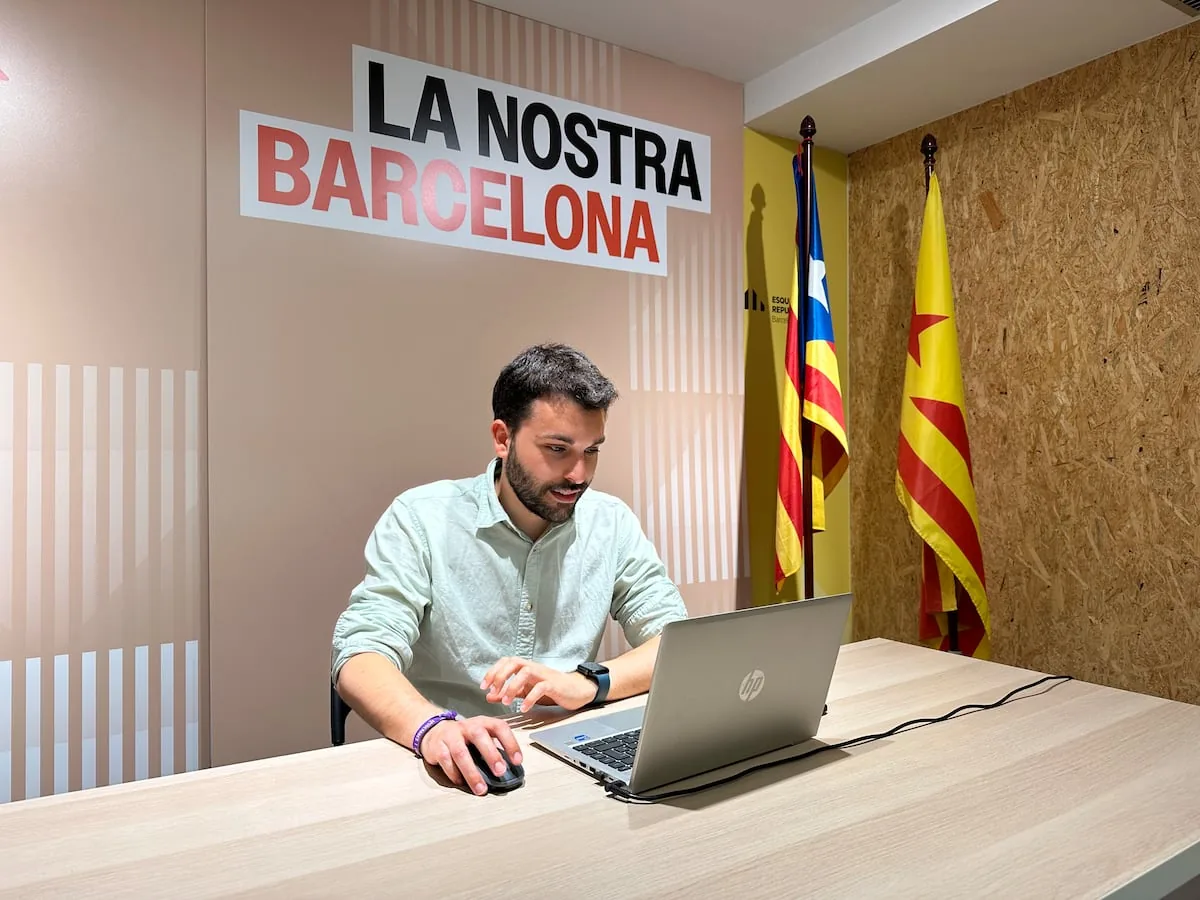
Ricard Farin, aligned with Junqueras and the party leadership, won the ERC internal elections in Barcelona this Friday with 60.1% of the votes, defeating the list led by Rosa Suriñach, from Construïm Esquerra Barcelona, which obtained 36.1%. Participation stood at 72% of the census, according to party sources. The result ends months of deadlock in the Barcelona federation and opens a new chapter in the organization.
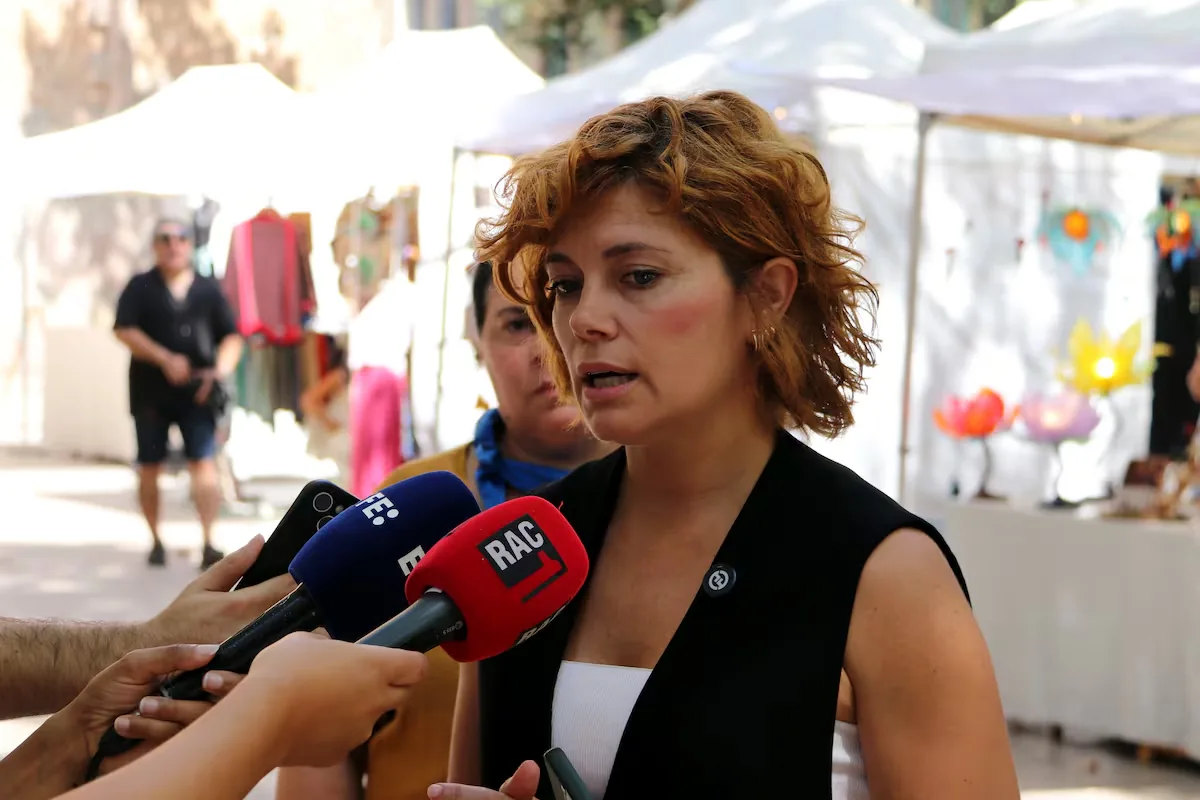
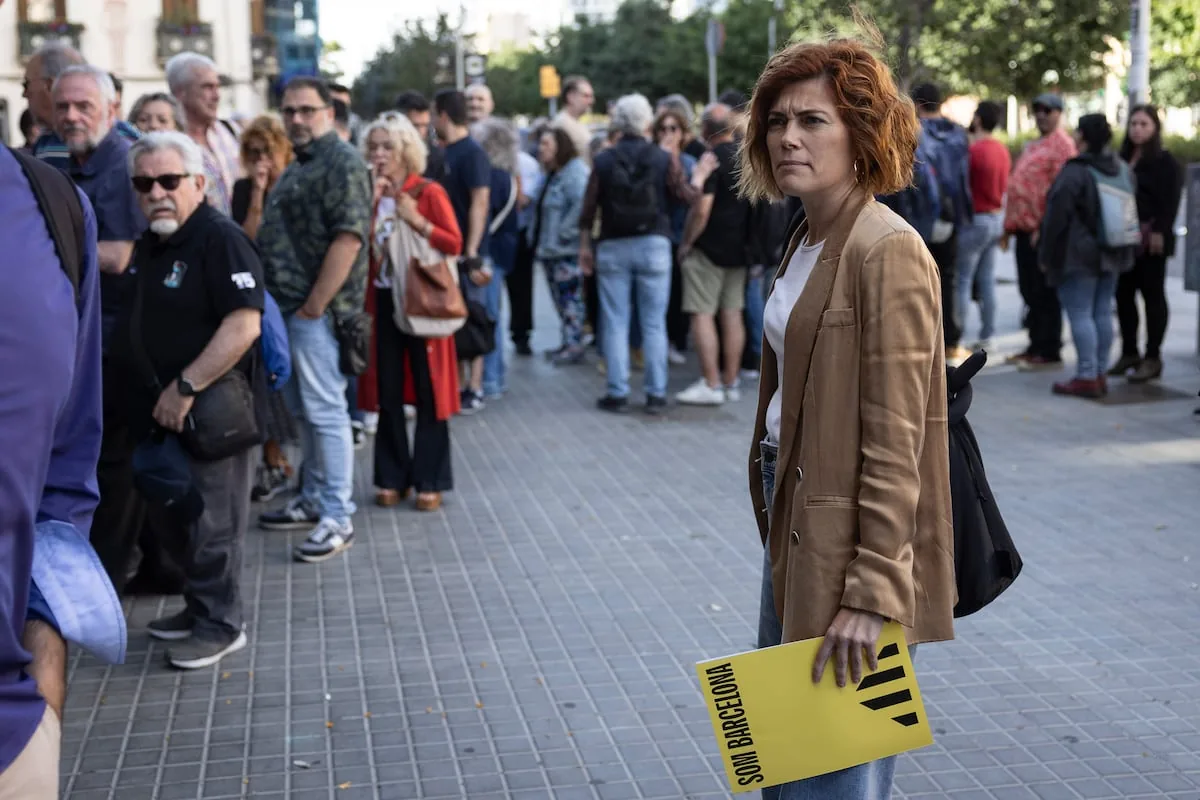
Farin’s victory, at the head of Activem Barcelona, strengthens the officialist sector within the powerful Barcelona federation and will have direct implications for the party’s strategy in the Catalan capital ahead of the 2027 municipal elections. The new leadership will have to rebuild internal unity, define the party’s stance regarding the municipal government of Jaume Collboni, and promote Elisenda Alamany’s candidacy, the party’s candidate for City Hall, within a year.
Just over 900 members with voting rights were called to these elections, who participated remotely between 10:00 and 19:00. Farin’s candidacy obtained 393 votes (60.1%), compared to Suriñach’s candidacy, which received 236 (36.1%). Blank votes were 25 (3.8%). The election day proceeded “without incidents,” according to ERC. The process will culminate this Saturday with a congress at the Jaume Fuster library, where the winning candidacy will be officially proclaimed and the new organic stage in the federation will begin.
The Barcelona federation is a key piece in the party’s machinery: it directs the electoral process for the 2027 municipal elections, controls the preparation of lists and programs, and would have the final say in a possible consultation with the membership about post-electoral pacts. This control explains the internal struggle. The critical sector, which did not contest Elisenda Alamany’s candidacy because it considers her an electoral asset, now seeks to lead the federation to guarantee internal debate.
Read more The IMF warns Europe about the risk of waste in Iran war relief plans
The elections come after an unprecedented crisis in the Barcelona Federation. The executive’s breakup in November, amid debate over the regulations to choose the mayoral candidate, ended with the resignation of 9 of the 13 members — including the number two, Miquel Colomé, and Suriñach herself — who denounced the unilateral alignment of then-president Creu Camacho with the national leadership. Since then, the federation has been in an interim situation. A year earlier, in June 2024, the mobilization of the membership saturated a vote, hastily pushed by Alamany, to decide whether ERC would join Collboni’s government; and it was not held.
In this effervescent context, the dispute has been articulated around two candidacies. On one hand, the one led by Rosa Suriñach, linked to the critical sector, which advocated renewing the party’s course and strengthening Barcelona’s autonomy. Suriñach has been a councilor for three years and a party member since 2024,
On the other, the one headed by Ricard Farin, aligned with the current leadership and in favor of continuity. At 31 years old, a political scientist and leader of the Horta-Guinardó community center, Farin claims a less institutionalized profile and arrived at the elections with an advantage by doubling his rival’s endorsements (347 versus 160).