

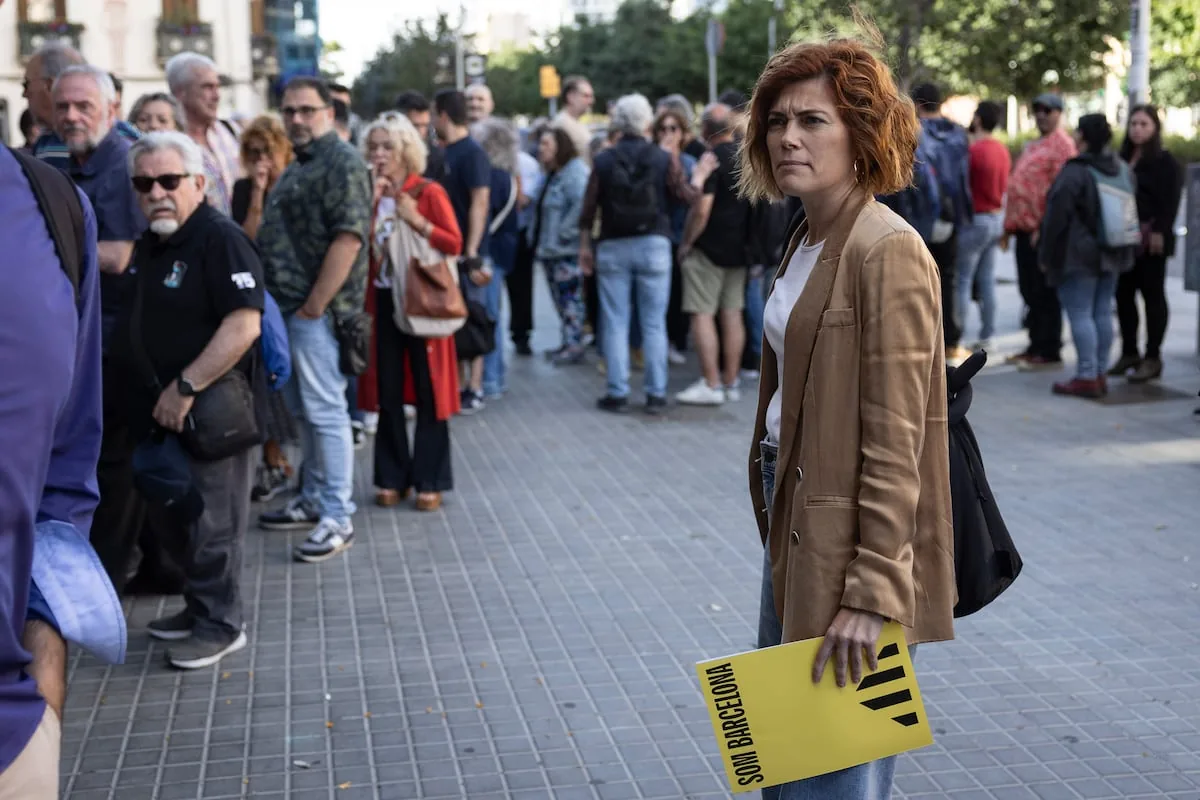
Esquerra Republicana already has a candidate for the mayoralty of the Catalan capital, the party’s general secretary and leader of the bench in the City Council, Elisenda Alamany, but the political leadership in the Barcelona Federation is vacant. Thirteen months before the municipal elections, the most combative and important regional branch of the party will vote for a new Executive for the second time in less than a year: the previous one broke up last November, only five months after being elected. The two candidacies are the critics of the junquerismo led by councilor Rosa Suriñach (who has 160 endorsements), and the one headed by the leader of the Horta-Guinardó center Ricard Farin, of an officialist nature (347 endorsements).
The militants with voting rights are just over 900 people from the Casals of Barcelona who will vote virtually this Friday from 10 a.m. to 7 p.m., and the result is expected to be known immediately. On Saturday, a congress will be held at the Jaume Fuster library to officially proclaim the candidacy.
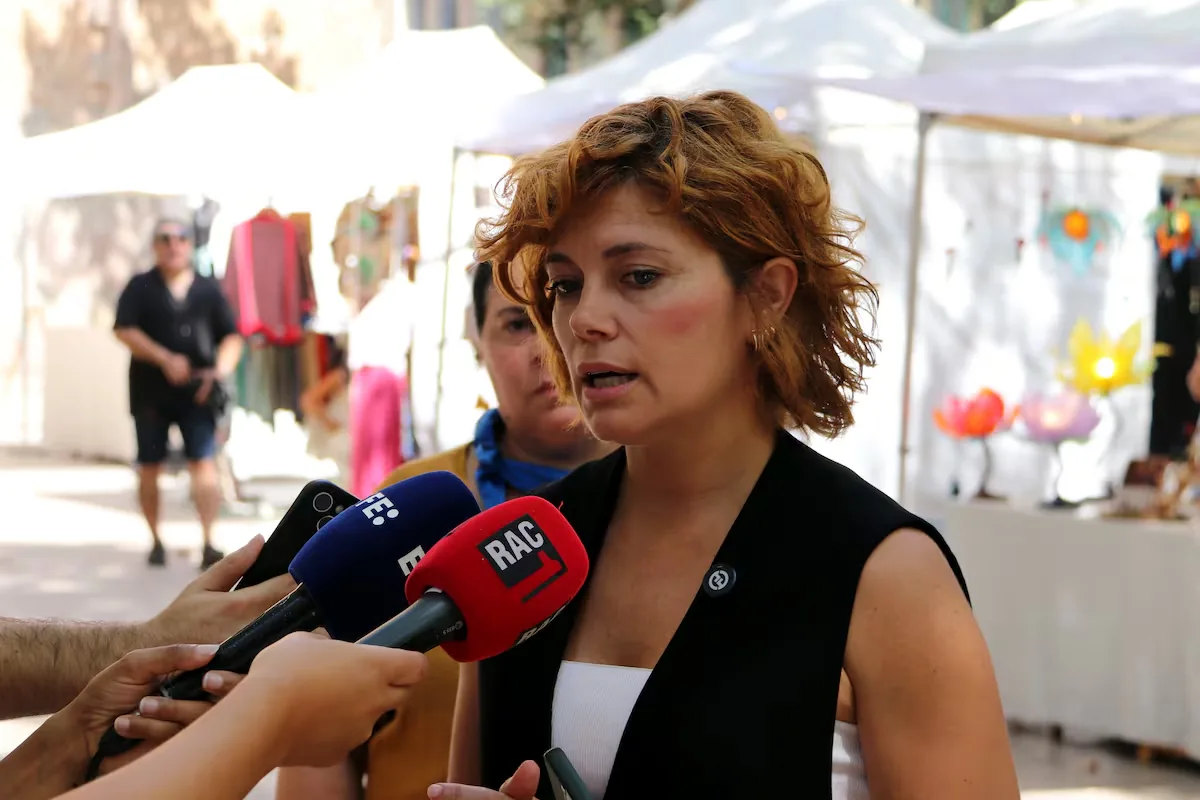
The powerful Barcelona Federation of the Republicans is key as a driver of the entire electoral process in view of the May 2027 municipal elections, and its campaign committee has the final say on the electoral program and the preparation of the list. It would also lead a possible consultation with the bases on possible post-electoral pacts. This is the key to the strategy of the critics of Junqueras. They did not fight in the primaries in which Alamany was chosen as the candidate for 2027, understanding that she is an electoral asset. But they do want to challenge her now, to control the federation and guarantee, they say, that there is debate. The officialism sees the argument the other way around. In their presentation letter to the militants, they warned that the body “cannot be used as a counterpower to anything or anyone.”
The Construïm Esquerra Barcelona list, headed by Suriñach, has the former party spokesperson in Sarrià Sant Gervasi Nil Font as number two. Suriñach worked at the United Nations agency specialized in cities, ONU-Habitat, and was recruited as an independent on the ERC list in 2019. She became a councilor three years ago and joined the party in 2024 to show her “commitment,” she explains, supporting Nova Esquerra Nacional (NEN), a candidacy that then sought to prevent Junqueras from being re-elected president. Also on her list are Senator Joan Queralt; the former general director of the Presidency during the Pere Aragonès government, Núria Cuenca; and the former councilor and now deputy in Madrid Pilar Valluguera. Both were also on the NEN list at the time. Another prominent name is Oriol Carbonell, son of former ERC president Jordi Carbonell.
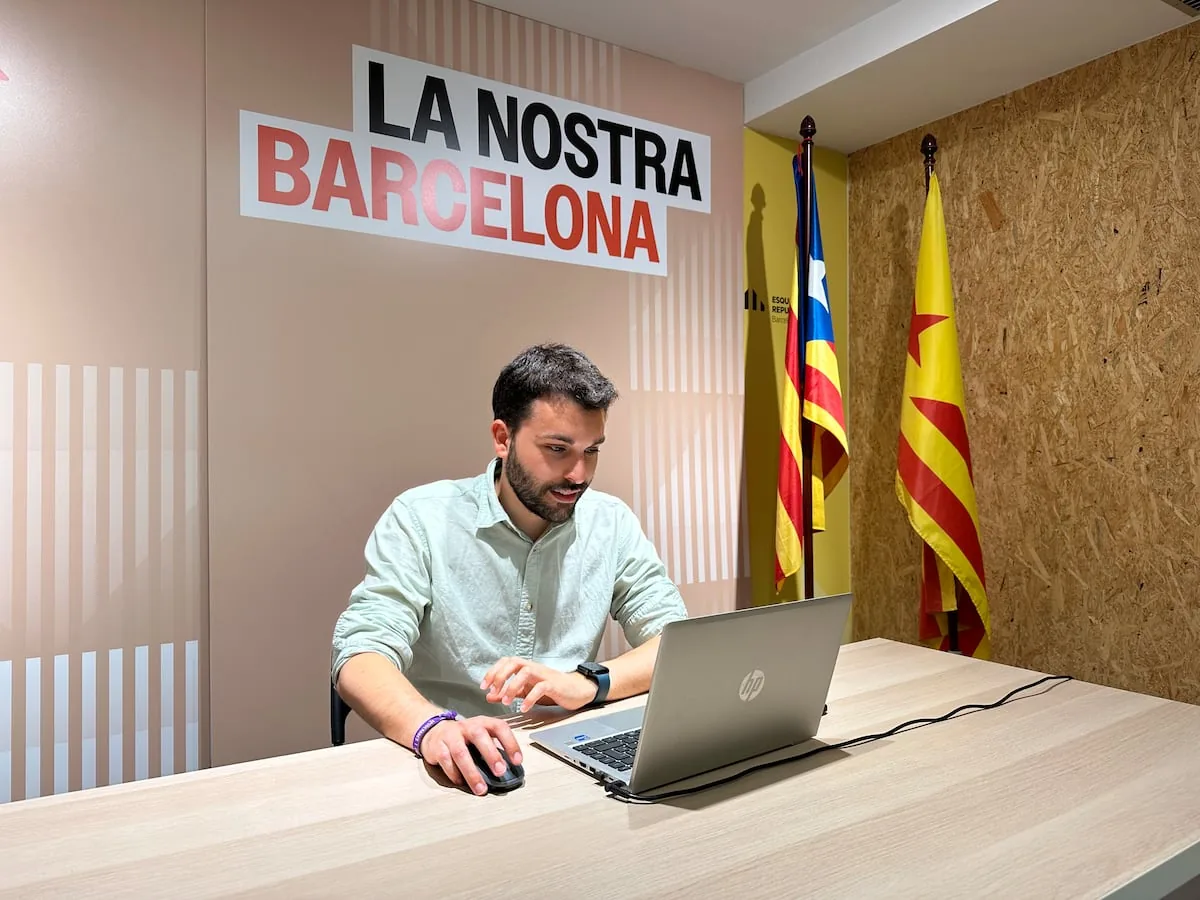
On the other side, in Activem Barcelona, Farin’s tandem is Núria Clotet, coordinator of the municipal group of the City Council led by Alamany and in office since the time of Alfred Bosch as head of the group. The candidate for the presidency of the Federation, leader of the Horta-Guinardó center, is a political scientist by training and began his militancy in the JERC. He currently works at a public research center, after being in the previous term in Ester Capella’s office in the Department of Territory. Former councilor Montse Benedí and also municipal group advisor Jordi Fernández-Cuadrench are part of a list that prides itself on not having senior officials or frontline politicians.
Read more Delcy or María Corina? Who do Venezuelans prefer to lead the transition?
Aligning ahead of the municipal elections or settling pending scores
The big question of the contest is whether the militants will weigh more the need to align the internal machinery for the elections or to settle pending scores between the families of the formation and with the national leadership of the party, which has traditionally been accused of interventionism in the Federation. The clearest episode was the vote, hastily forced by Alamany in June 2024, to decide whether ERC would join the government of Mayor Jaume Collboni. A consultation that was frustrated when the bases turned it down by voting en masse and it was not held.
Besides the tension over that pact, in last year’s elections it weighed that the party was still bleeding after the break between Junqueras and Marta Rovira and the crisis over Maragall’s Alzheimer posters. All that helped the list headed by Creu Camacho to prevail, as it connected better with the feeling of disconnection of the bases. It won surprisingly and by only 14 votes over Eva Baró’s list, blessed by Junqueras and Alamany.
That succession of unresolved issues and the party’s organic life is what makes it impossible to now consider the vote as an issue exclusively of criticism or support for the national leadership, although the topic clearly weighs. The breakup of the Executive, in November, came just when the regulations for the election of the mayoral candidate were being decided. The schism was justified by the nine resigning members of the 13-member Executive, among whom were the Federation’s number two Miquel Colomé and Suriñach herself, due to the supposed unilateral alignment of Camacho with the national leadership’s postulates.
Although both campaigns advocate a positive message, some sparks have already flown. For example, the criticism of the closeness of Farin and Clotet’s candidacy to Alamany and the party leadership. And, on the other side, that councilors, senators, and deputies in office are included in an Executive that will decide on electoral lists. Or the suspicions generated by the fact that Suriñach was one of the resigning members of the previous leadership and is now running again. “This is not a return of the resigning members, it is a new and different project so that the federation is the space for political leadership,” insists Suriñach.