









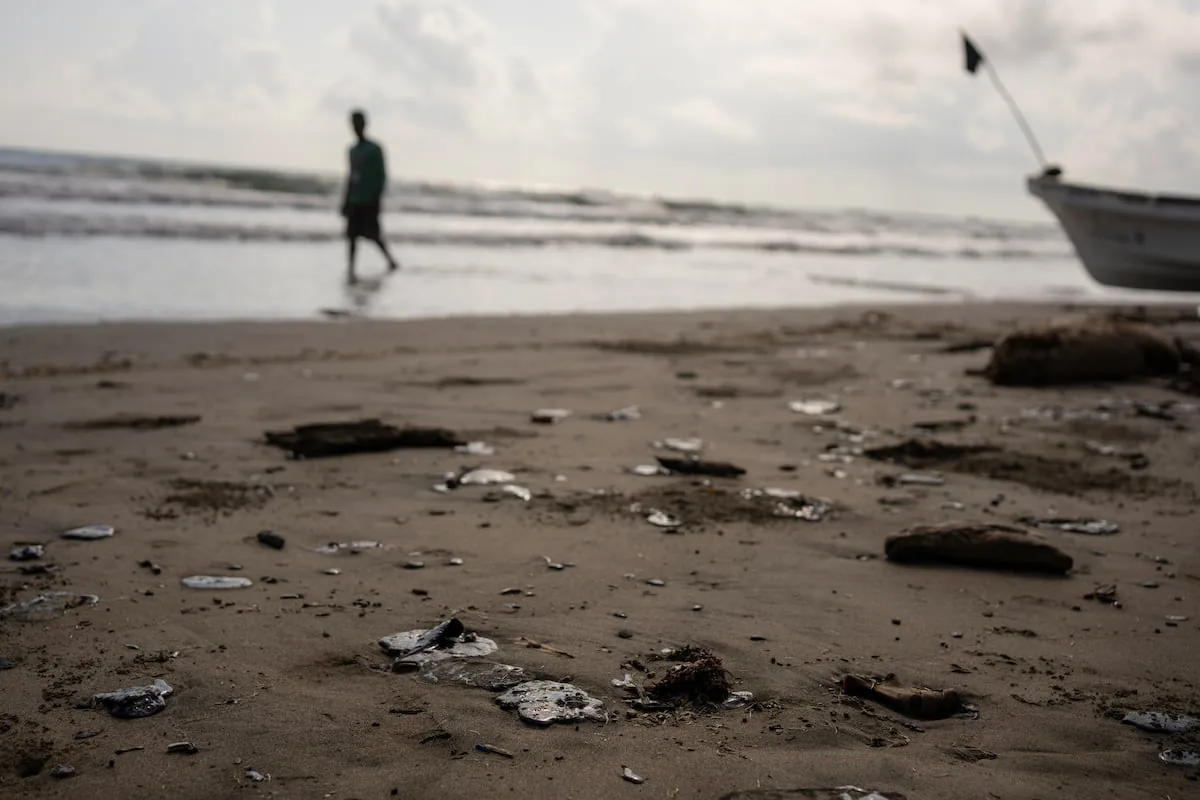
Almost two months after the first tar spots reached the beaches, Petróleos Mexicanos acknowledged its responsibility for the oil spill that has been contaminating the coasts of Tabasco, Veracruz, and Tamaulipas in the Gulf of Mexico since March. After both federal and state authorities denied it repeatedly, the director of the oil company, Víctor Rodríguez Padilla, admitted on Thursday, as EL PAÍS had anticipated on March 30, that a leak in a pipeline connecting the Cantarell basin with Dos Bocas was one of the main causes of the environmental disaster. Rodríguez Padilla, who claimed to have been deceived by his subordinates, placed the responsibility on three executives of the state company who, as announced, were dismissed and are now facing sanctions. The question is whether this measure will be enough to atone for the oil company’s guilt.
Read more Ricard Farin, close to Junqueras, prevails in ERC Barcelona after months of internal crisis
Sources close to the inter-institutional group created to address the spill indicate that this acknowledgment was delayed because Petróleos Mexicanos denied the reality day after day. This group, made up of the oil company, three state secretariats (Navy, Environment, Energy), the Energy Security and Environment Agency, and the Environmental Protection Prosecutor’s Office, had been responsible for investigating and communicating about the disaster. Alicia Bárcena, the head of Environment, was supposed to participate in Thursday’s conference, but a subordinate appeared instead. It was Rodríguez Padilla who had to explain, as he said, the “hydrocarbon leak in Petróleos Mexicanos facilities, which had been denied by the operational areas.”
During his appearance, the director of Petróleos Mexicanos announced that three senior officials—the deputy director of Safety, Occupational Health and Environmental Protection, the Marine Control coordinator, and the Spill and Waste leader—have been removed from their positions while an internal investigation is conducted. According to Rodríguez Padilla, these three executives, whose names were not given at the press conference, were the ones who did not report the leak or its repair, systematically denying both facts. To uncover the deception, Rodríguez Padilla used the logbook of the ships that were in the area, documentation that EL PAÍS requested from Petróleos Mexicanos when they accused the information published by this newspaper on March 30 of being “inaccurate.”
The press conference and Petróleos Mexicanos’ mea culpa raise new doubts: what influence did these three officials have to hide a pipeline leak from their superiors? Another question is whether there is no protocol that records this type of accident and the operation of the ships responsible for fixing them. Also: what is the condition and maintenance of Petróleos Mexicanos facilities in the area, where spills are frequently detected from their platforms and pipelines?
The first alerts of this environmental disaster arrived in early March. “After conducting technical inspections at its facilities, no leak or spill has been detected,” Pemex assured at the time in a statement. A week later, as more tar reached the beaches, Rocío Nahle, governor of Veracruz, validated this statement and blamed a private company’s ship, including a message to the governments prior to Morena, adding that its concession was granted during the administration of PRI’s Enrique Peña Nieto (2012-2018). The issue reached Claudia Sheinbaum’s daily press conference on March 19, when the president also exempted the state company from responsibility.
The most complex day was March 26, when the inter-institutional group, created by Sheinbaum’s order, held its first press conference to explain the causes of the spill. In their appearance, the secretaries, heads, and directors of the entire group affirmed and supported the explanation that everything came from a ship that had a spill in Coatzacoalcos (Veracruz) and two tar seeps—natural emissions of crude oil and methane gas that emerge from the subsoil to the surface—one also in Coatzacoalcos and another in Cantarell (Campeche), and, again, Petróleos Mexicanos was left out of the equation.
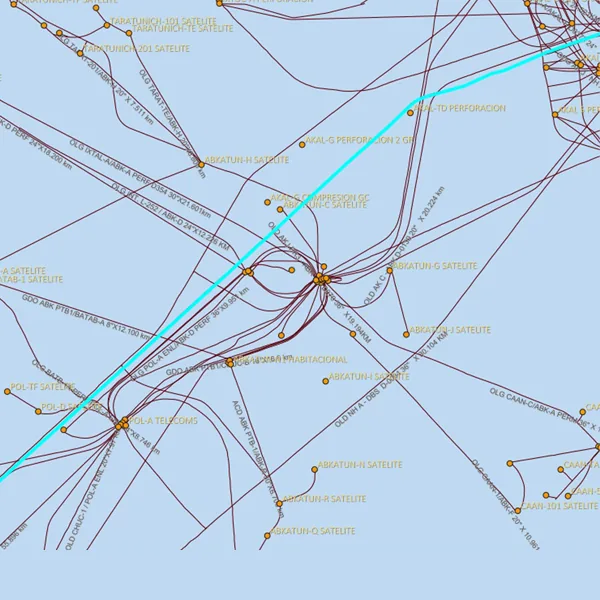
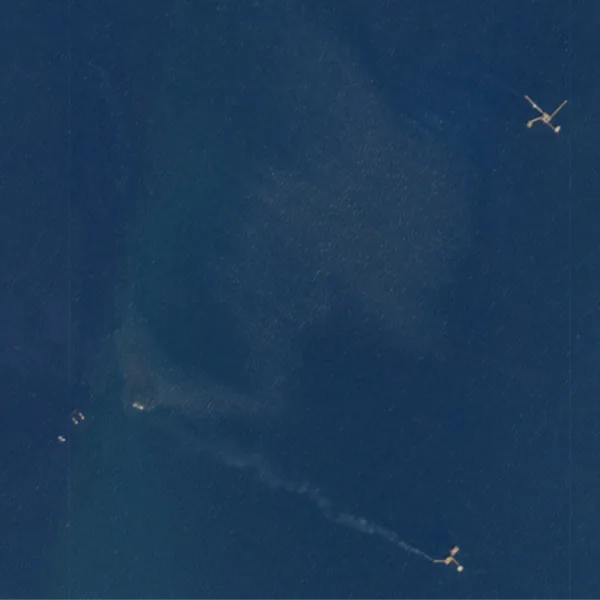
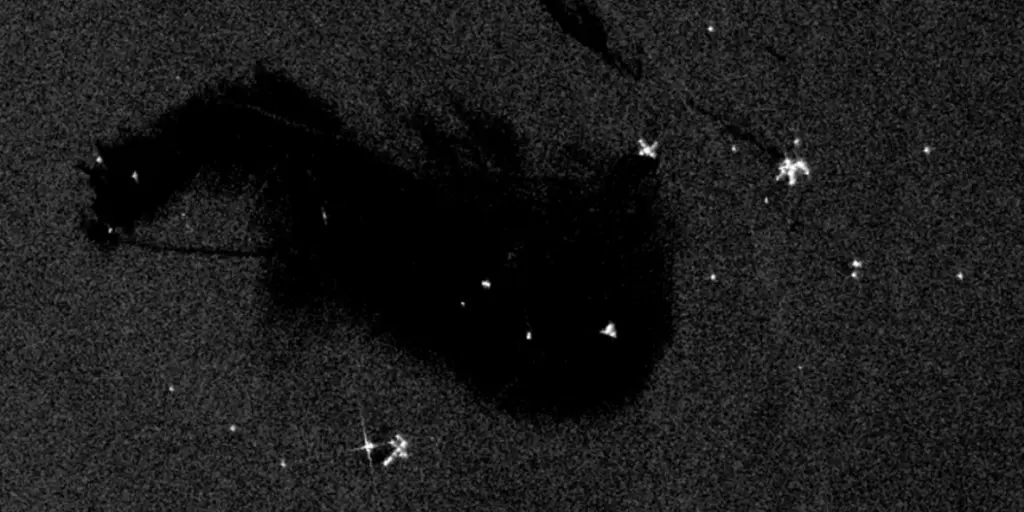
When on March 30, EL PAÍS revealed, with the help of the organization CartoCrítica, that the Árbol Grande vessel, contracted by Petróleos Mexicanos to repair underwater pipelines, spent 200 hours over an active pipeline where a large oil slick was visible, the state company said this information was “inaccurate.” “It is essential to clarify that although the Árbol Grande vessel was anchored in an area of platforms and marine hydrocarbon transport systems for almost 200 hours, it does not mean it was repairing a pipeline,” said an information card sent to this newspaper. After this publication, President Sheinbaum took action and requested a thorough investigation, which led to the acknowledgment of responsibility that it was a leak in the pipeline over which the Árbol Grande spent 200 hours, one of the main causes of the environmental disaster in the Gulf of Mexico.
As was acknowledged this Thursday, Petróleos Mexicanos personnel knew about this leak from the first days of February, sending the Árbol Grande and other auxiliary ships, which located the leak on February 8 and finished repairing it on the 18th. For some reason, while they were working on it, they closed the Old AK C marine pipeline, which runs from the AKAL-C platform to the Dos Bocas maritime terminal, until February 14. According to the group’s joint statement, reporting the dismissal of the three executives is part of “a firm commitment to transparency, accountability, and environmental protection.”
Read more The IMF warns Europe about the risk of waste in Iran war relief plans