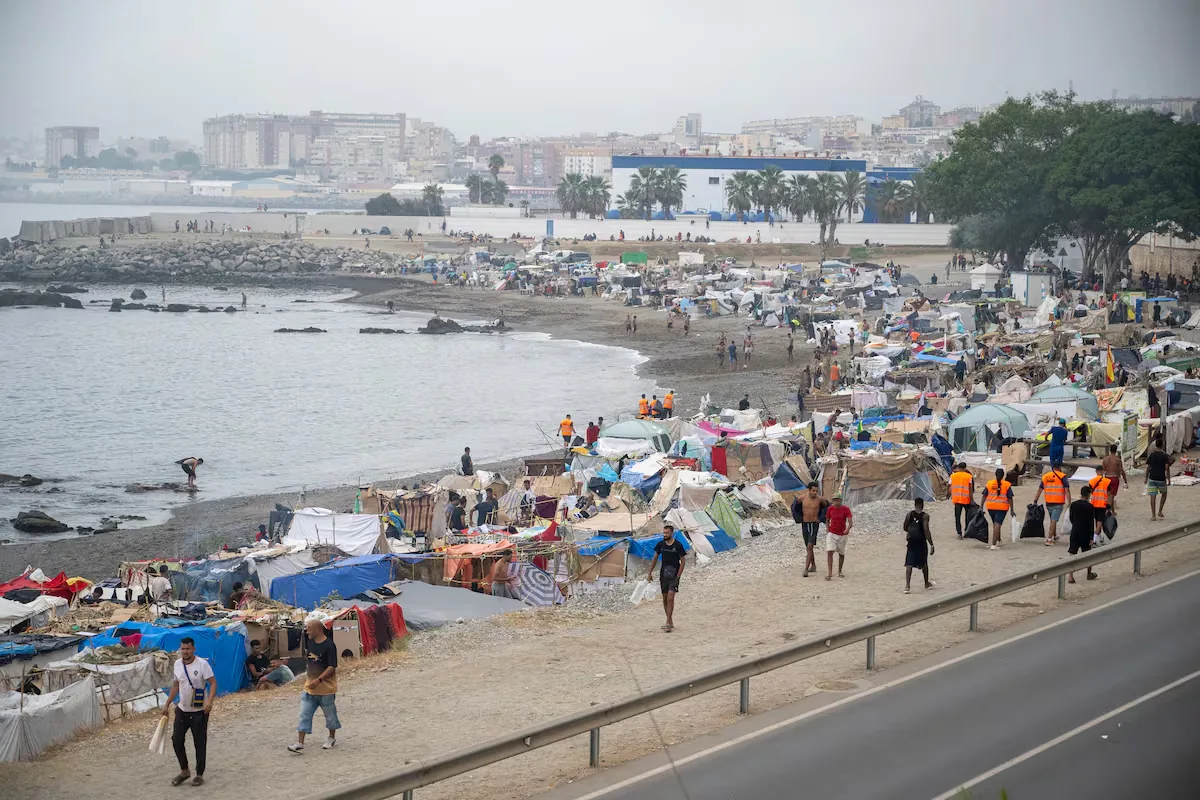








“If you see these stairs, your dream will have come true.” This is the message spread this week on TikTok, before being deleted forever, showing a video with images of Ceuta. Morocco has closely followed the exodus of tens of thousands of young people encouraged from social media by anonymous voices. “I am desperate, I can’t find my place in Morocco. There is no room here for me. The messages I received on the screen led me to Ceuta, but I had to return,” confessed Ahmed, a 23-year-old unemployed young man, this Saturday in Castillejos. Around noon on Thursday, the echo of the posts calling him to go to Ceuta resounded on social media. “The Spanish border is open and you can cross without papers,” was the general slogan received by Ahmed that mobilized a youth tide along the roads of the northern Maghreb country in an unprecedented migratory avalanche.
Read more The return to stay of rental ‘scooters’ to Mexico City
Almost everything was planned. The same networks cited points of sale for wetsuits, fins, diving goggles, floaters, and even waterproof bags to carry documents and mobiles. Screenshots of Google Maps were detailed to direct migrants to Tarajal beach, on the Ceuta border. The areas with less police surveillance to try to escape misery.
The key word, the dominant hashtag on social media, is hrig, literally to burn [the papers] in dariya or Moroccan Arabic dialect, which would be equivalent to “getting into Europe” in the youth slang of clandestine migration. Its protagonists are the harragas or burned, those who flee the country without a visa or work permit.
“Hrig Sebta” is one of the communities created on Facebook, TikTok, X, Instagram, and other networks to unleash a multiplier effect with texts, images, and videos of shared values of fleeing the country, in messages that jump from group to group. It had more than 20,000 followers before being shut down. It has been cited in the Moroccan press as one of the most active in pointing to Fnideq (Castillejos) as a meeting point.
The recent Supreme Court ruling that excludes hot expulsions for irregular migrants arriving by sea “has spread like wildfire through the networks of mafias trafficking in human beings and has produced an avalanche” of arrivals in Ceuta, confirmed on Friday in the same autonomous city the Prime Minister, Pedro Sánchez. He attributed the call effect to criminal human trafficking organizations, coinciding with the official explanation given by Morocco.
However, it is difficult to identify the origin in the accounts and groups behind this digital mobilization of more than 60,000 people to break into Ceuta. They have already disappeared from the networks. The mechanisms for multiplying messages may have involved bots, or automated accounts. The trigger for the exodus of the burned Moroccan youths remains to be located.
There is a clear precedent. Two years ago, the computer surveillance services of Morocco’s National Security (police) detected a broad movement on social media inciting irregular migration. It was stopped abruptly in September 2024, with dozens of arrests of bloggers and influencers, accused of “spreading calls for collective illegal migration operations,” as well as the massive preventive deployment of security forces on the border between Castillejos and Ceuta.
Read more Earthquake survivors in Venezuela take refuge in faith
Without prior warning from intelligence services
In May 2021, when 10,000 people broke into the Spanish autonomous city en masse, in the previous invasion of migrants, there was no prior warning of disturbances on social media from the General Directorate of Territorial Surveillance (DGST, internal intelligence service). This week, there was also no open alert about the intensity of the growing calls on social media to escape the country.
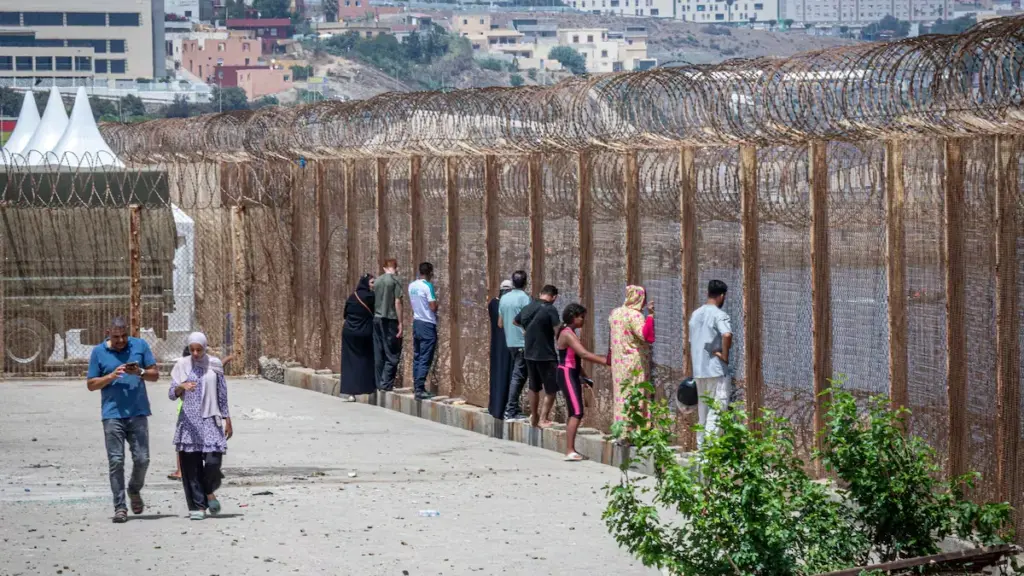
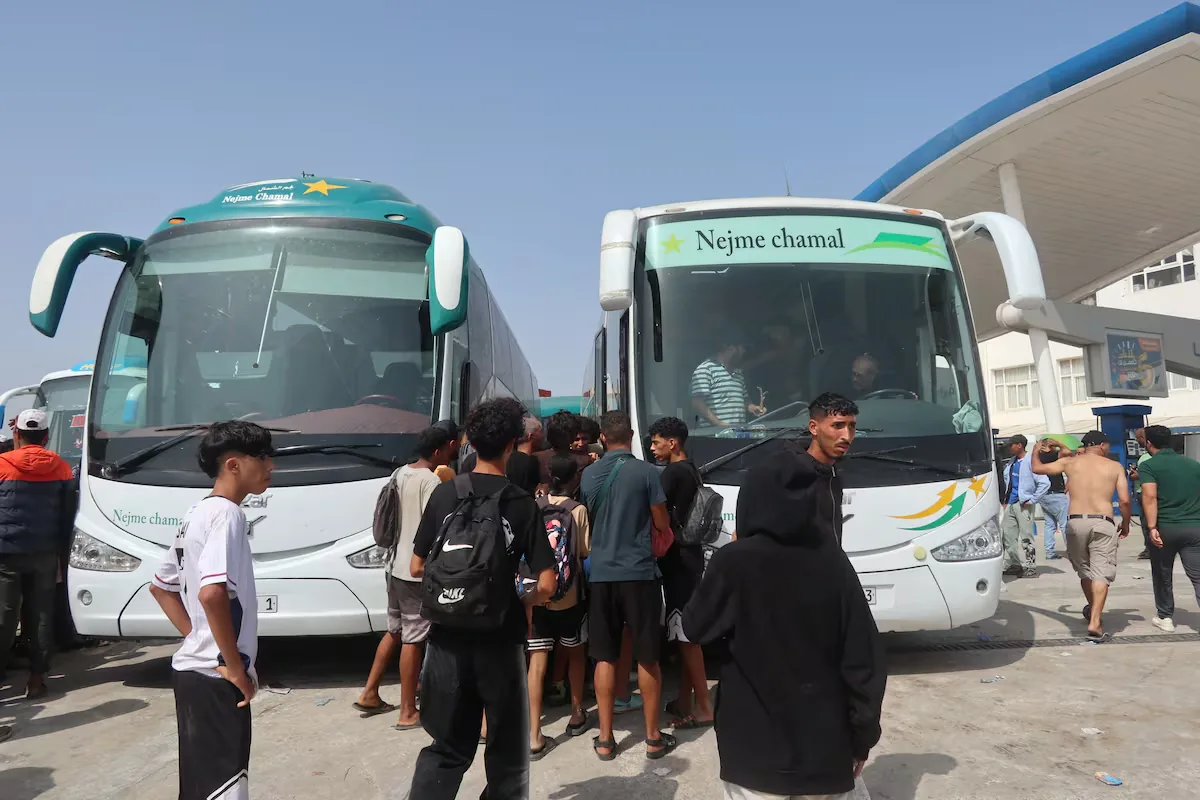
Several parents of Moroccan minors who had crossed the Tarajal breakwater in recent hours waited in the afternoon at the Castillejos border gate for the return of their relatives. Aisha, a woman about 40 years old from Tetouan (50 kilometers south), was waiting for her two children: 12 years old, the youngest, and 15, her older sister. “My daughter sent me the message that she had arrived in Spain, but I don’t know anything about my boy,” she lamented in tears as groups of returnees passed through the border fence. In Morocco, secrecy about victim figures is maintained. Local media cited by Efe raise the death toll in the migratory crisis on Moroccan territory to 17, including a 12-year-old girl.
Moroccan humanitarian associations and NGOs had been warning in recent weeks of gatherings of young people in the north of the country intending to make the jump to Spain. Jadiya Inani, head of Migrations at the Moroccan Association for Human Rights (AMDH), regretted that “thousands of young people want to flee the country because of the difficult economic and social situation.”
More than 1.5 million of them, between 15 and 25 years old, neither study nor work, according to public statistics. It is more than four million if the range is extended up to 35 years old. “Instead of finding a stable situation to continue their life with dignity in Morocco, young people flee to Europe,” Inani highlighted. “The Moroccan government seems to have other priorities, to which it dedicates billions, such as organizing the Football World Cup,” questions the AMDH leader.
In the greatest social disturbance in Morocco since the Z generation (15 to 30 years old) took to the streets last autumn with massive social demands, the call effect to irregular migration on social media has impacted again among the most disadvantaged members of that generation. Almost all connected on digital messaging apps to coordinate the times of breaking into the borders at points with less surveillance. “These young people feel as if they are surplus in the country,” warns analyst Abdelá Turabi in the magazine Tel Quel, “that is why they throw themselves into the Mediterranean waters in search of a better life.”
Read more Video analysis | Petro, the president whom no anti-corruption law reaches