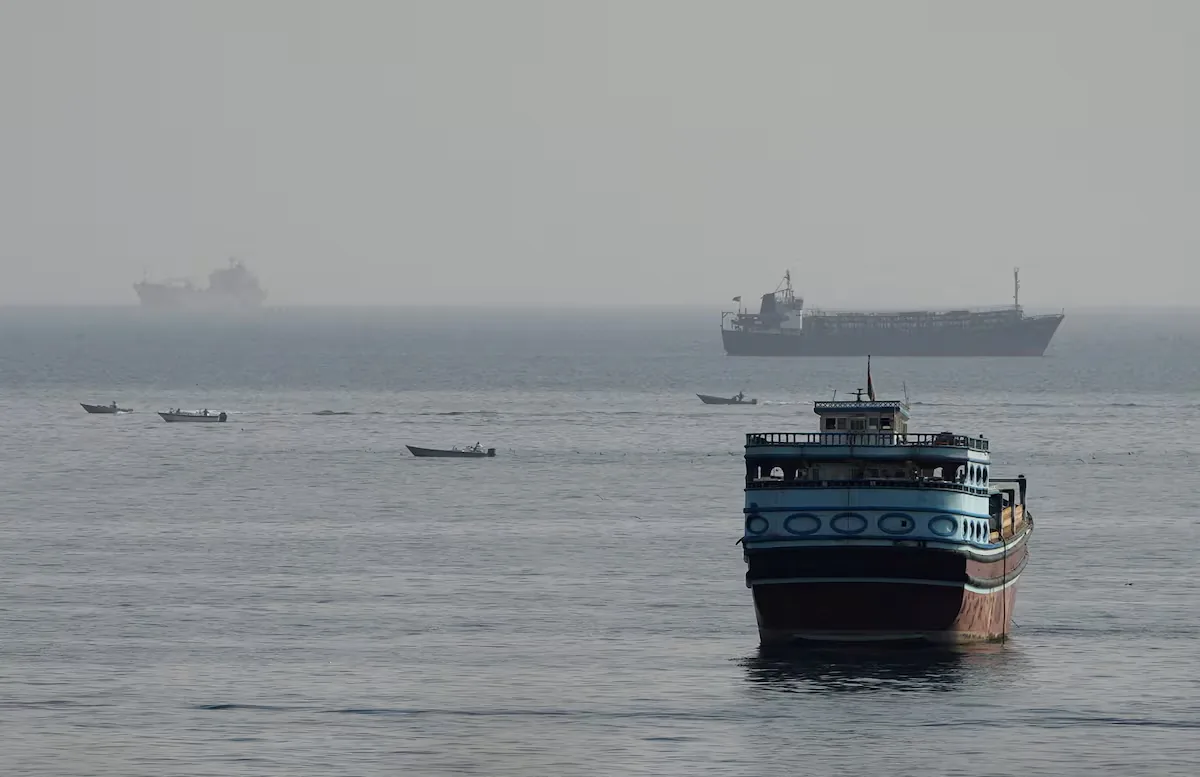
Five months after the United States and Israel started the war against Iran, the struggle for control of the Strait of Hormuz continues at the center of disputes between both parties. Tehran insists on establishing conditions that give it control over maritime traffic in the area, practically closed since the attacks began in February, and is trying to reach an agreement with Oman, the other country with a coast on Hormuz. The U.S. president, Donald Trump, on the other hand, deepens threats to open the passage by force if an agreement is not soon reached to restore free navigation as before the war, when more than a fifth of the world’s oil passed through the strait.
Read more Minister Sira Rego will not be on the lists for the 2027 general elections
Although the Iranian theocracy claims it is being flexible and has abandoned the demand to impose absolute control over navigation in Hormuz, information arising from negotiations with Omani authorities, the other country with a coast on the strait, reflects proposals for Iranian supervision of incoming and outgoing traffic, as well as the collection of fees for services related to security and the environment.
The position of the Islamic Republic, which after signing the memorandum of understanding with the U.S. last June continued attacking ships navigating Hormuz accusing them of not coordinating with Tehran, cost the country the return of open war in July, with 13 consecutive nights of U.S. attacks.
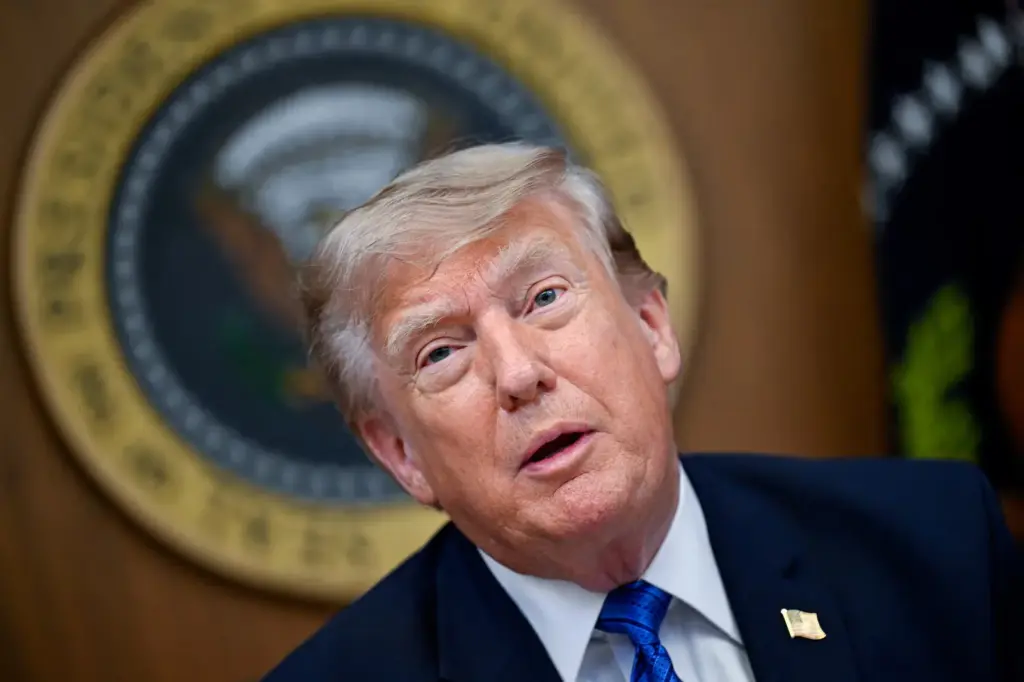
After allowing space for dialogue in recent days, Trump does not forget the military route. “The strait will be open very soon, or they will be hit very hard, and then the strait will be open,” the Republican warned during the early hours of this Wednesday. To the Iranian blockade of the maritime passage after the war began, the U.S. blockade was added to prevent the departure of Iranian ships.
For now, that scenario of an opening of Hormuz is far from reality. Both Monday and Tuesday, only eight ships crossed the strait, according to the firm Kpler, which tracks maritime traffic. Until the start of the war in February, 140 vessels crossed that channel daily.
Despite the ups and downs in Trump’s words, statements from members of his team and — to a lesser extent — Iranian leaders indicating progress in talks have calmed the markets. This Wednesday, the price of Brent crude benchmark hovered around 80 dollars per barrel (about 69 euros), after having reached three digits on several occasions since the start of the conflict.
Sovereignty
In negotiations with Oman, with whom Iran prefers to negotiate the new reality of Hormuz, arguing that it is a matter of sovereignty for both countries, the Islamic Republic is demanding direct control of the incoming maritime route, according to sources familiar with that dialogue who told the Iranian agency Tasnim.
Tehran, which last week rejected an Omani proposal that divided the strait equally, wants Oman to issue authorization to vessels to proceed along the exit route, but to do so after “notifying” traffic to Iran. In practice, the administration of that route would be shared, and Iranian forces would maintain permanent “visibility,” as well as the authority to “intervene” if necessary to “protect the security” of navigation. The Iranian proposal under consideration includes the opening of an intermediate corridor where fees would be charged.
The plan described by Tasnim coincides with that explained by a senior Iranian official to the Reuters agency on Tuesday, although it does not detail the existence of any charges. The source anticipates that “Tehran will not change its position.”
The dispute between the U.S. and Iran hides a race of bets to see who gives in first. Trump approaches the midterm elections next November with declining popularity and with fewer and fewer Americans convinced of the adventure he started in February along with Israeli Prime Minister Benjamin Netanyahu to attack Iran.
Meanwhile, U.S. sanctions and the blockade on Iranian ports — whose unrestricted reopening Tehran demands in any scenario — cause Iranians losses of more than 200 million euros each day, according to Wolfgang Pusztai, analyst and former Austrian defense attaché, who said this Wednesday to Al Jazeera.
“If the agreement between Iran and Oman recognizes that there is no obligation to [pay] tolls [when passing through Hormuz] and that there is only the possibility of charging some fee for maritime services or environmental protection, that could be accepted by the Americans,” Pusztai opined. If they try to impose tolls or high fees, he warns, Washington will reject it, as it contradicts the United Nations Convention on the Law of the Sea and serves as a dangerous precedent for other maritime straits in the world to be economically exploited.
Read more London police arrest a woman accused of stabbing four people