Seven European Union countries have called on the European Commission for specific measures to boost tourism in the eastern border regions of the bloc, which have been hit by the consequences of the war in Ukraine since the Russian invasion four and a half years ago. The Romanian Minister of Economy, Digitization, Entrepreneurship and Tourism, Irineu Darau, revealed this Thursday that, together with his counterparts from Poland, Bulgaria, Slovakia, Latvia, Lithuania, and Estonia, he has sent a letter to the Community Executive requesting support to alleviate the economic deterioration suffered by these areas, especially dependent on the tourism sector and affected by the worsening perception of security.
Read more A salmonella outbreak linked to Mexican jalapeños sickens more than 300 people in 27 US states
The European Commission has confirmed to EL PAÍS that it has received the letter and is analyzing its requests. “We have taken note of the concerns expressed about the impact of Russia’s war of aggression against Ukraine on tourism in certain regions and Member States,” said the Community press office, reports Manuel V. Gómez from Brussels. “We are carefully examining the issues raised in the letter” and, “as is usual practice, the Commission will respond to the ministers in due course,” it added.
According to the Romanian Economy official, the document warns that the proximity of the conflict has caused a drop in visitor arrivals, increased caution among investors, and growing difficulties for numerous local tourism businesses. “Romania knows very well what this means. In the Danube Delta, in Tulcea, in Constanța, and in other communities near the border, those who live off tourism have directly felt the consequences of the war,” Darau said in a message posted on Facebook.
The signatories of the letter request that the future European Strategy for Sustainable Tourism include concrete measures for these regions. Among the proposals are aid for small and medium-sized enterprises in the sector, greater access to financing, investments in infrastructure and connectivity, as well as campaigns aimed at restoring the confidence of both tourists and investors.
Likewise, the ministers request that this reality be reflected in the next multiannual budget of the Twenty-Seven. “We also send a common message: if the EU recognizes that the eastern border regions face exceptional challenges, that recognition must be translated into the future European budget,” Darau said. “Solidarity must also become investments where the cost of the geopolitical context is felt most intensely,” the minister continued, before emphasizing that the goal is for the localities dependent on tourism to benefit from European support to overcome the effects generated by the insecurity and instability context on the eastern flank.
The Romanian minister stressed that hotels, guesthouses, restaurants, and other tourism businesses are paying a high price for the proximity of the offensive launched by the Kremlin. Alerts about Russian drones periodically flying over the airspace near the border and other security incidents have damaged the image of these destinations and pushed some tourists to choose other places for their vacations. “We cannot change overnight the geopolitical context in which we live, but we can ensure that these communities are not left helpless. That is precisely the goal of the letter we have sent to the European Commission together with the other States facing a similar situation,” Darau asserted.
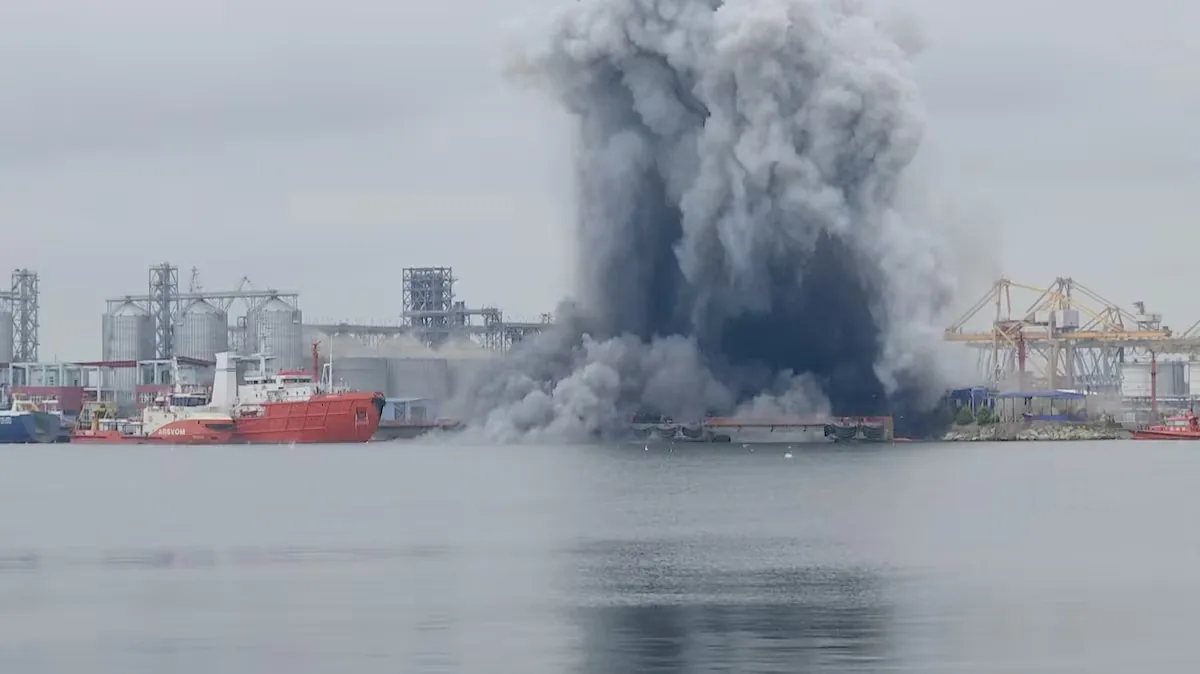
The increase in drone incursions into Romanian airspace, which has led Bucharest to abandon its containment policy and shoot down up to three aircraft in less than 48 hours, is hitting the tourism sector hard. Numerous guesthouses in the Danube Delta have closed their doors and others have gone up for sale due to the drop in demand. The uncertainty generated by the air alerts has scared away a good part of the visitors, who opt for destinations considered safer.
Read more Germany admits its vulnerability to the «new level of danger» posed by bomb drones