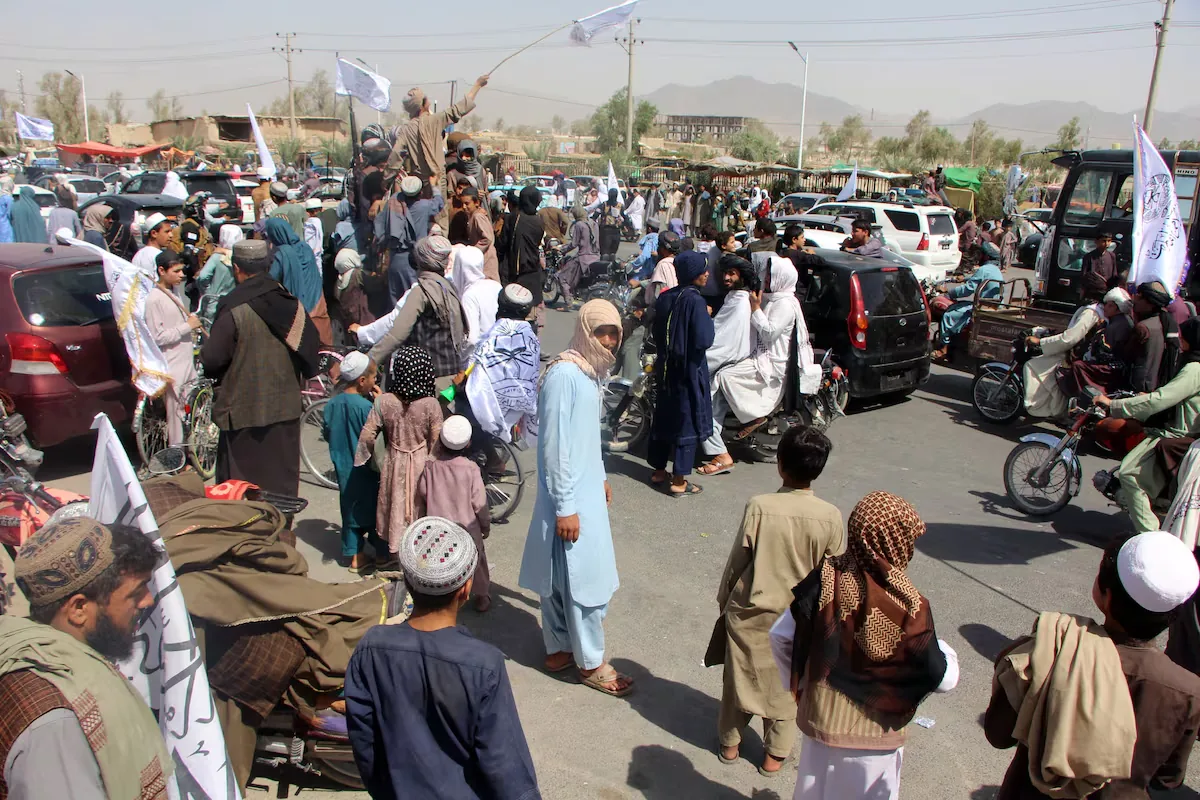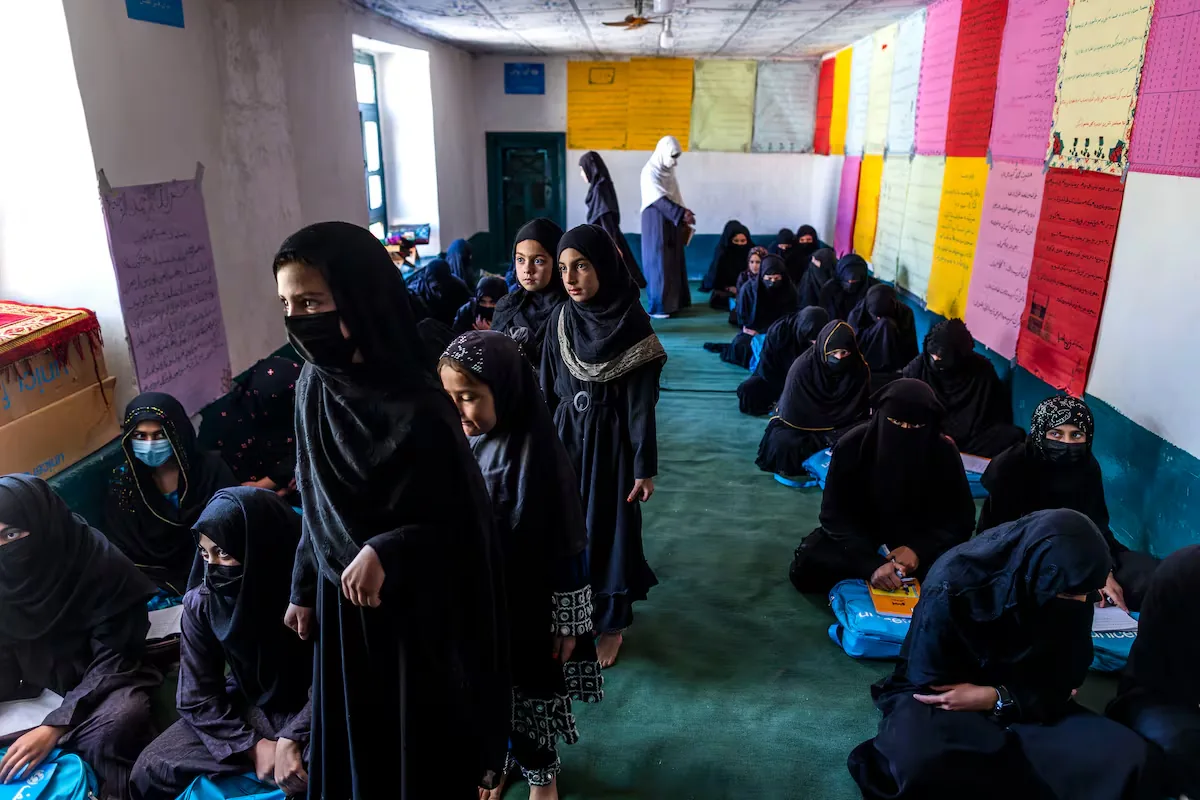
Five years after the fall of Kabul and the return of the Taliban to power, 2.4 million girls are deprived of secondary education in Afghanistan. This is 200,000 more than in 2025 and more than one million more than in 2024. The restrictions imposed by the fundamentalists have prevented access to a fundamental human right and have reversed two decades of progress in women’s education, according to a warning issued this Tuesday by the United Nations Educational, Scientific and Cultural Organization (UNESCO), which has published a new report on a situation that the UN describes as gender apartheid.
“When girls cannot complete secondary education, they lose any pathway to higher education, skilled employment, and economic independence, that is, some of the main mechanisms of social inclusion,” explained Hoda Jaberian, coordinator of UNESCO’s Education in Emergencies Program, at a virtual press conference this Tuesday.
The two decades before the Taliban’s return were marked by an increase in girls’ presence in classrooms, according to the report The Right to Education: What is at Stake in Afghanistan? A 20-Year Review, published in 2021. In 2001, they represented less than one in ten primary school students; by 2018, they were already four in ten. After the international intervention in 2001, female literacy rates also rose.
But now, Afghanistan is the only country in the world that formally prohibits girls’ access to education beyond primary school. Since 2022, more than 100,000 women have also had to leave university. “Today we can say that Afghanistan is simultaneously facing a crisis of access [to education], a gender equality crisis, and a learning crisis,” warned Jaberian, who has led several field missions to verify the situation of the female population.
This is the fundamental step of a system that seeks to erase 22 million women from public space. In the years following August 15, 2021, the Taliban have excluded them from most paid jobs and public employment, forced them to always travel accompanied by a male guardian, and even prohibited them from speaking or showing their faces in the street.
Some women have tried to resist by creating clandestine schools, secret reading clubs, and educational television programs broadcast from abroad. But some have paid a high price for defending the right to learn, such as Amal and Ariana, mother and daughter, who live as fugitives after authorities discovered the classroom they had set up in their basement to teach mathematics, history, English, and Dari language. “My mother always says that keeping silent means accepting injustice,” Ariana told EL PAÍS in a report published this Monday.
Read more Lebanon becomes the first Middle Eastern country to ban the death penalty
UNESCO has repeatedly warned that if the ban continues, nearly four million girls will be out of the secondary school system by 2030. The deterioration is rapid in a country that already had educational and gender gaps. In 2019, and in 2022, the literacy rate in Afghanistan was 37.3% and was especially low among women: only 22.6% could read compared to 52.1% of men.
Few female teachers
UNESCO projections indicate that if nothing changes, the country will face a shortage of more than 11,000 qualified female teachers by 2030. This, as Jaberian warns, will be a problem when the recovery of the education system begins. “It is a true vicious circle: fewer girls can study, fewer women can become teachers or qualified professionals, and gradually, the system loses the human capital it needs to recover and play the role expected of it in the future.”
Additionally, it is estimated that by 2066, approximately 600,000 Afghan women could leave the labor force. The economic losses, the organization adds, would amount to 9.6 billion dollars (about 8.3 billion euros).
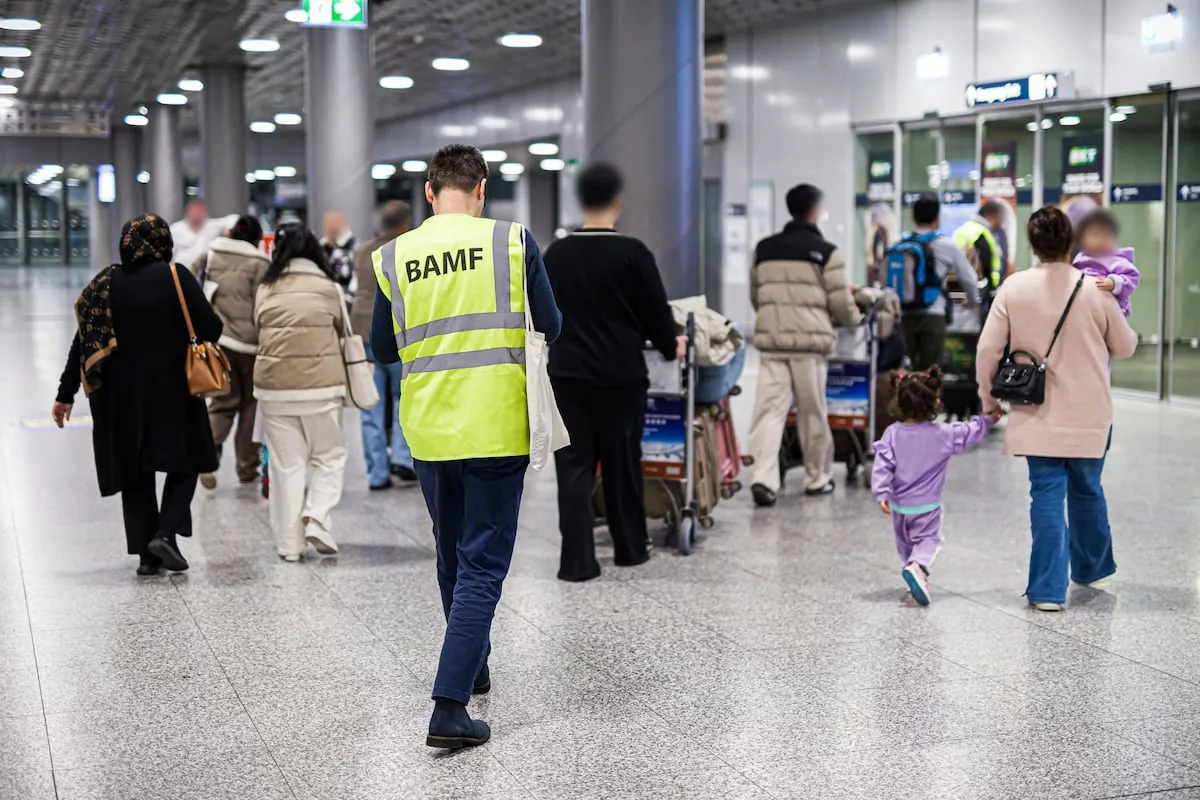
Another concern of international organizations is the growing number of Afghan migrants returning from Pakistan due to expulsion policies ordered by Islamabad. Between April 2025 and August 2026, 1.8 million people have returned, of whom about 480,000 are girls under 17 years old. Teenage girls who had access to secondary education in Pakistan will lose it upon crossing the border. And girls attending primary school will face a system at its limit.
“These movements exert additional pressure on an already saturated education system: overcrowded schools, inadequate or unsafe infrastructure for learning, and a shortage of teachers with the training and skills necessary to guarantee quality education,” described Jaberian.
Read more The Chilean frog defended by Leonardo DiCaprio that faces an electric project