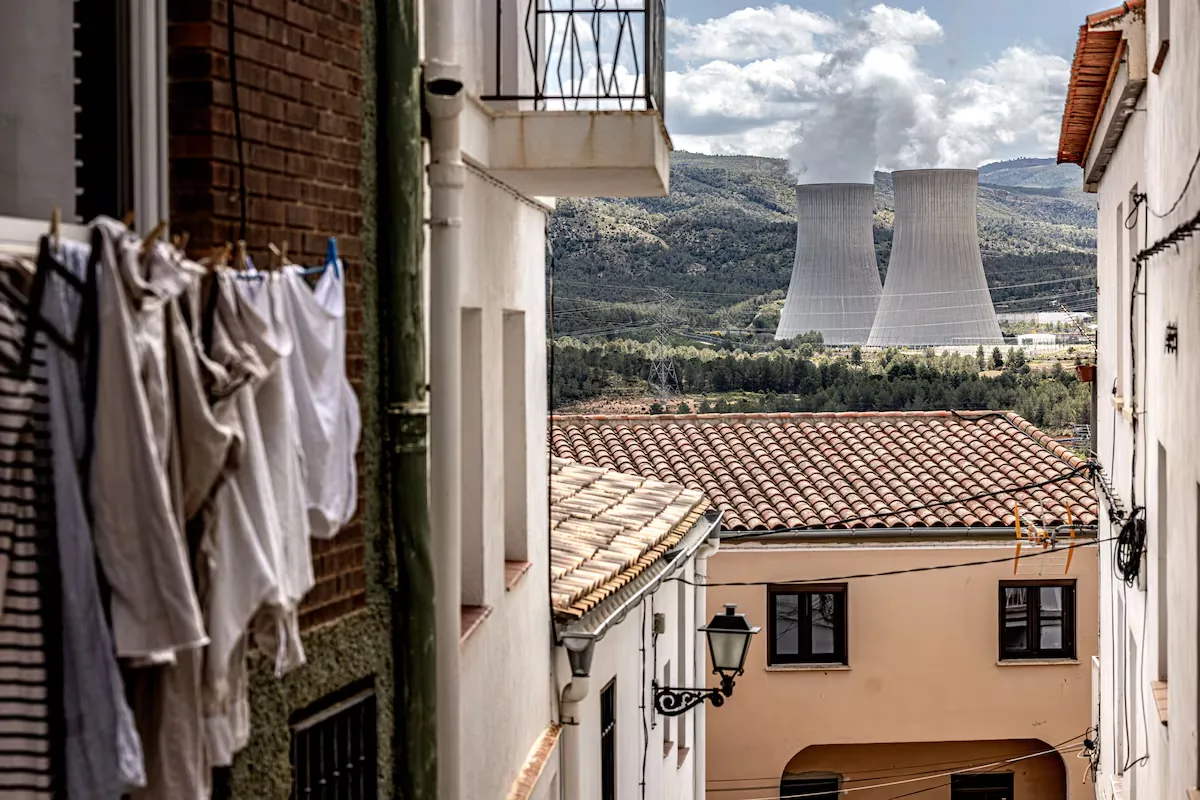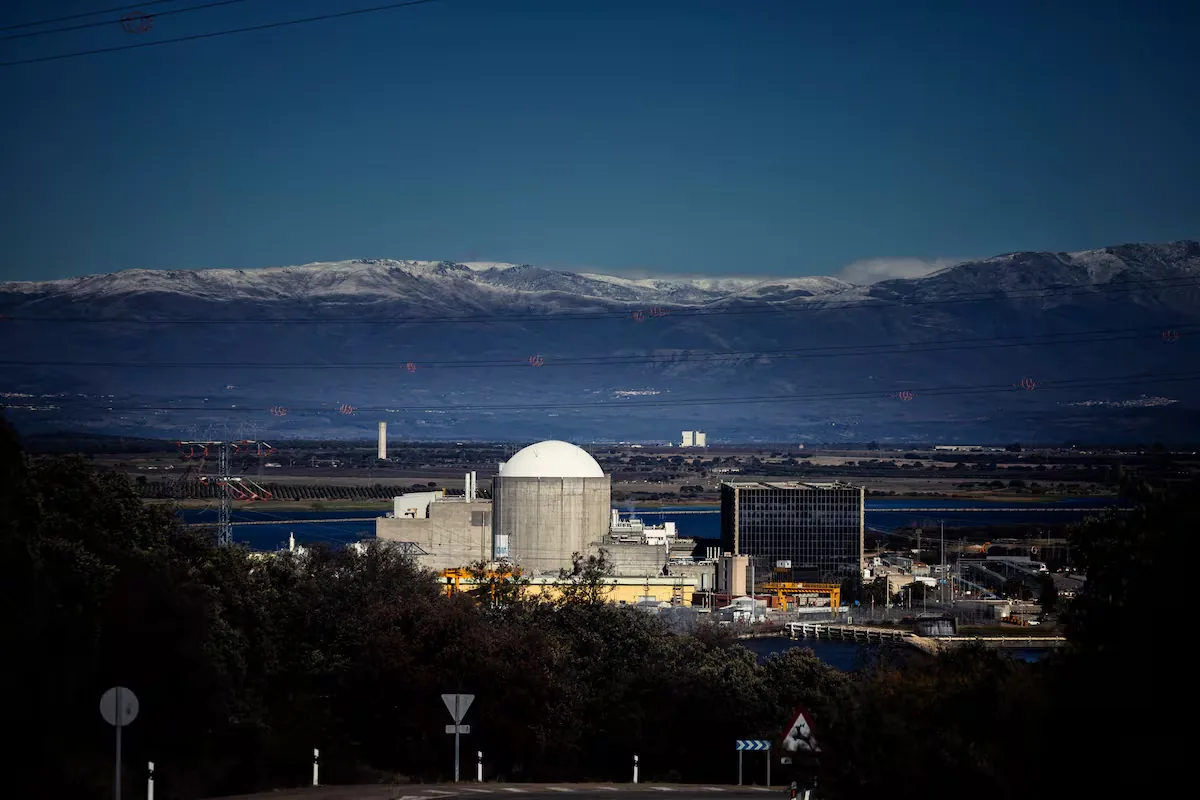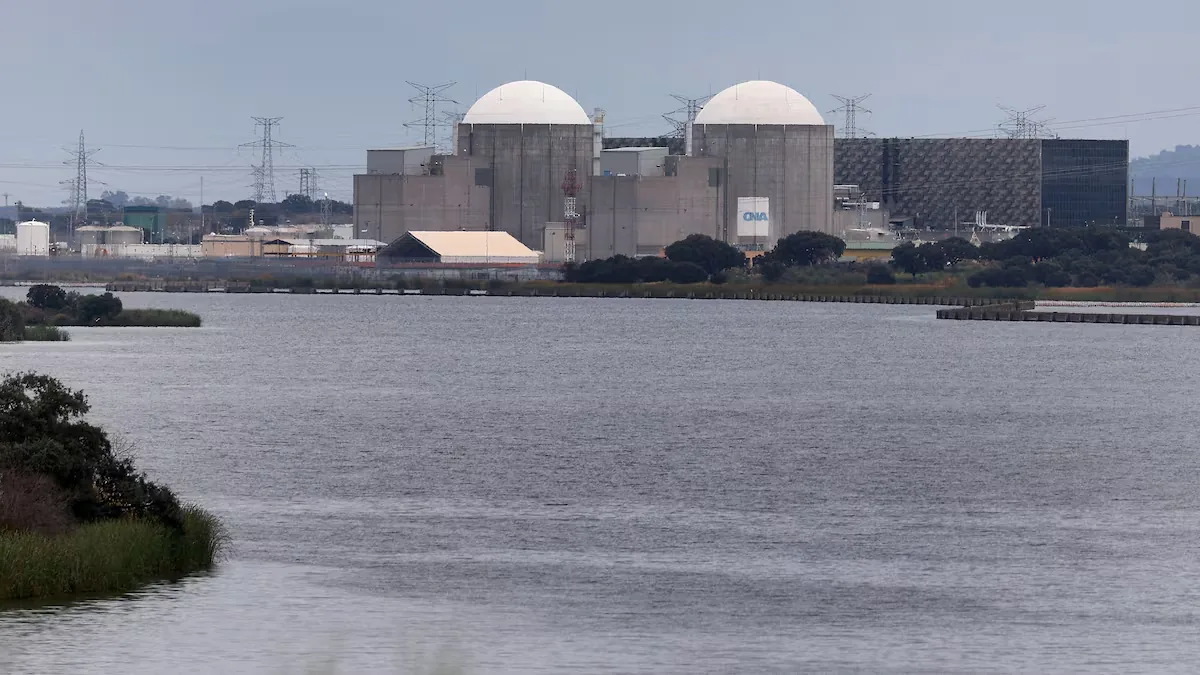
The authorization to extend the operational life of the Almaraz nuclear power plant (Cáceres) by the Government until June 8, 2030, has raised new questions: what happens with the management of nuclear waste and how the extension of this facility affects the decommissioning planning. According to the original closure schedule, the future shutdown of Almaraz will coincide with the end of Ascó (Tarragona), Cofrentes (Valencia), and Vandellós (Tarragona). Following these will be another Ascó reactor in 2031 and Trillo (Guadalajara) in 2034. The Government has ruled out that Enresa, the public company managing the waste, will be overwhelmed by this coincidence, as it has sufficient time margin to prepare. Likewise, it has assured that there is enough capacity to manage waste storage.
Read more Luigi Mangione pleads guilty in federal trial for murdering a health insurance company executive
According to sources from the Ministry for the Ecological Transition and the Demographic Challenge (Miteco), decommissioning processes are usually long and slow, with an estimated duration of between 10 and 15 years, and require preparation periods during previous years. In this regard, the department led by Sara Aagesen assures that even maintaining the initial schedule, there would have been overlapping periods of nuclear plants. Initially, the scheduled shutdown of Almaraz was to begin on November 1, 2027, with Unit I and continue with Unit II on October 31, 2028. The ministerial order published this Friday has extended the validity of both reactors by 31 and 19 months, respectively.
In this context, ministry sources have pointed out that Enresa, dependent on the Ecological Transition, was already working on this decommissioning operation and that the extension of the lifespan guarantees it “enough time to continue preparing and properly size itself.” Regarding the generation of hazardous waste derived from the extra operating time of Almaraz, Miteco sources have stated that the public nuclear waste manager has informed them it will be “very limited.” Therefore, existing infrastructures, such as El Cabril in Andalusia, or the temporary storage at the plant itself, will be sufficient to carry out waste management.
On the other hand, the Executive has defended that the extension of Almaraz ―participated by Iberdrola (53%), Endesa (36%), and Naturgy (11%)― will not entail an additional cost for the State coffers or consumers, as there is “economic sufficiency” for waste management.
Receipt of reports
The owners of Almaraz, which began operations in May 1981 (Almaraz II started in October 1983), requested the extension in October 2025, but it was not until last July 16 that the Nuclear Safety Council (CSN) issued its favorable report to renew the operating permit, conditioned on compliance with the nuclear safety and radiological protection limits and requirements now included in the order. Since that technical endorsement, the Government had two months (until September) to assess and decide whether to authorize the time extension. However, it did not exhaust the deadlines and published the approval on August 14.
Regarding this, Ministry sources have indicated that the date to finalize the administrative and technical processing started last year was not chosen ad hoc, but is due to the geopolitical uncertainty context and the increase in energy prices and the receipt of key reports, such as those requested from Enresa and Red Eléctrica, as well as internal analyses from the Ministry itself. In this line, they have specified that the assessment was made from a “technical” perspective and without considering political positions. Sumar has rejected the extension and accused the Socialists of breaching Government agreements.
And they have ruled out any suspicion that the April 2025 blackout had any influence, as they have emphasized that nuclear energy “is not especially good at dynamic voltage control.”
Early-year forecasts assumed that the Liquefied Natural Gas (LNG) market would be oversupplied and with cheap prices, thanks to production from Qatar and the United States, which allowed facing the crisis of the war conflict in Ukraine and the gradual ban on Russian gas imports to completely eliminate that dependence by 2027. But the closure of the Strait of Hormuz, from February 28, 2026, due to the war in the Middle East, and damage to key infrastructures such as those suffered by the state company Qatar Energy after missile attacks on its LNG complexes last March, have made these forecasts no longer valid.
“The price of gas has more than doubled compared to what we had at the beginning of this year,” the consulted sources have indicated, emphasizing that, presumably, the consequences of the conflict will remain long after it ends. Therefore, they see that the extension of Almaraz helps to face these “price spikes.”
They also stress that the decision made this Friday will also allow gaining time for waste storage and accelerate the transition towards a model in which renewables reduce dependence on gas. In fact, according to Miteco sources, the national energy strategy is not altered. Although ministry sources acknowledge that the development of green energies will slightly fall by 1.4%, forecasts for natural gas also show a significant drop of around 7%, data that confirm they will continue meeting the objectives set in Spain and European commitments.
In this regard, they assert that the Government will continue approving regulatory and economic measures to favor its operation and achieve strategic autonomy by 2030. “The goal is that this same debate does not arise because we have achieved that autonomy sufficiently thanks to renewable energies and storage because we have more resources and more capacity,” they concluded.
Read more Forest fires in Europe force thousands to evacuate and cause dozens of injuries