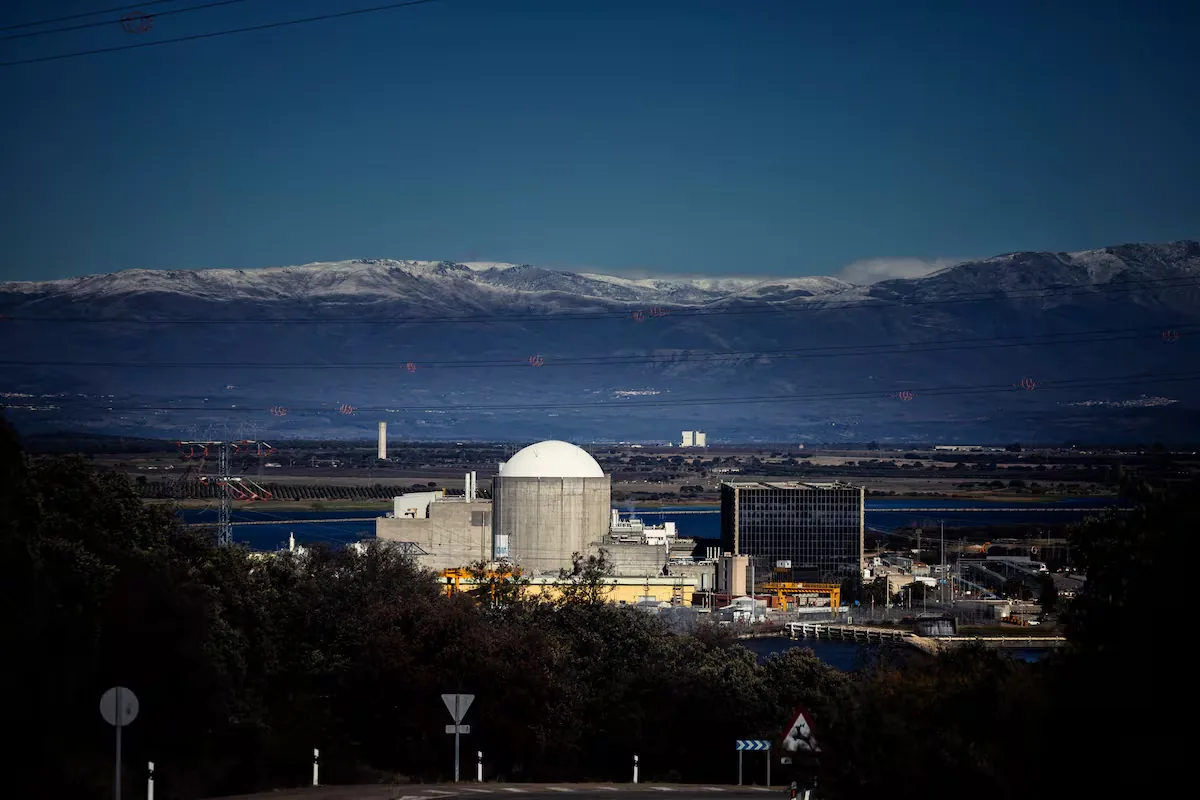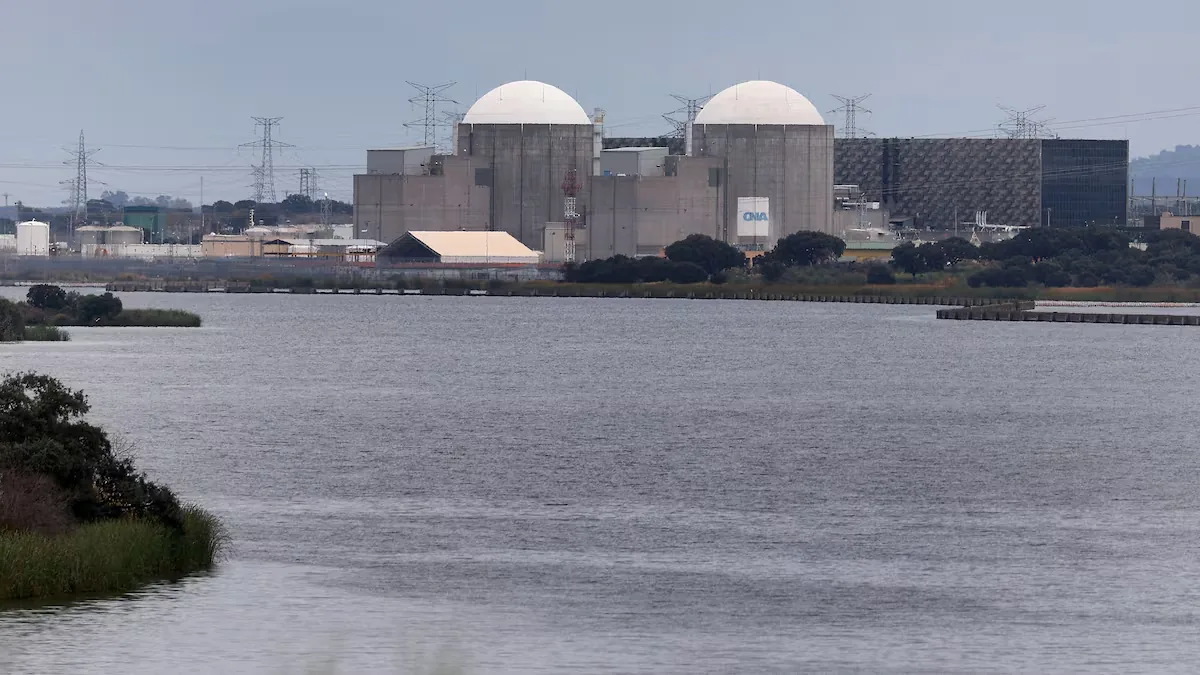
With the publication this Friday in the BOE of the extension of the life of the Almaraz plant until June 2030, the Ministry for the Ecological Transition has insisted that this extension does not disrupt the closure schedule of the rest of the nuclear plants in Spain. However, various voices warn of the possible cascading effects that this change of plans may have on the other atomic power generation facilities remaining in Spain.
Read more We put the best party speakers to the test
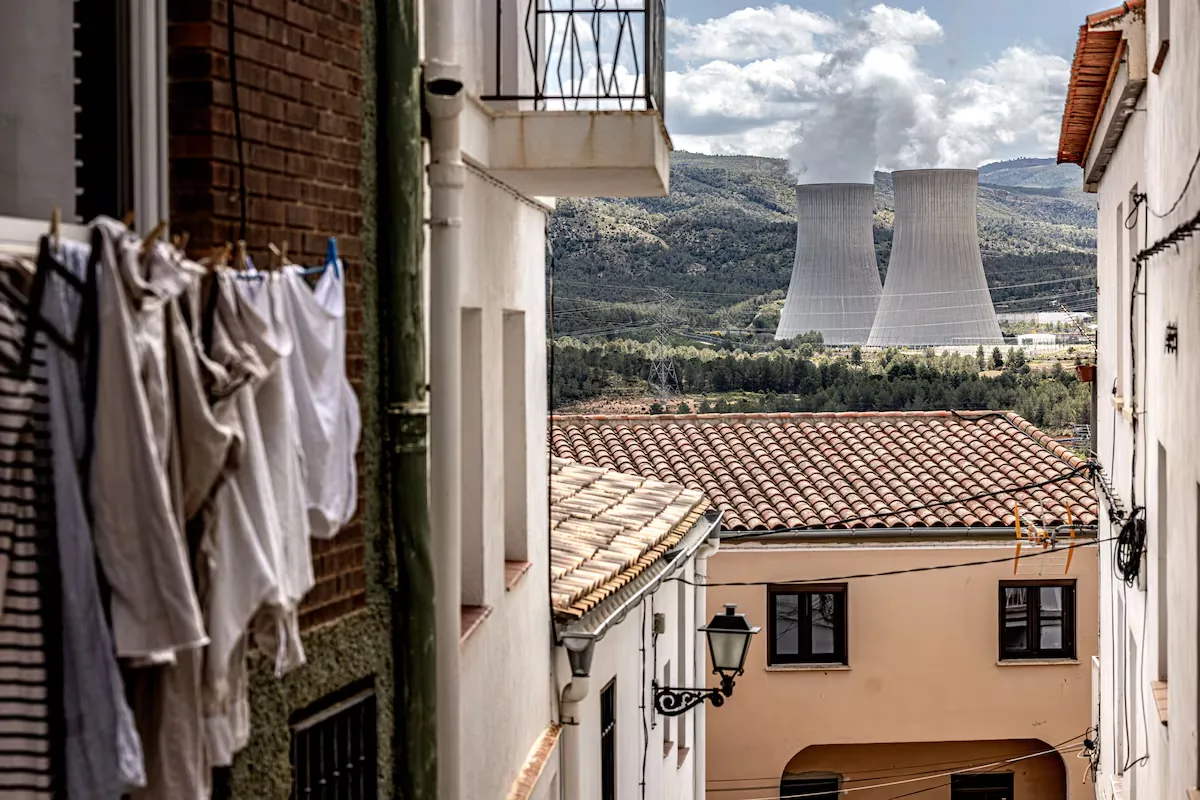
Currently, seven reactors are still operating in the country, spread across five nuclear plants. The extension for units I and II of Almaraz (in Cáceres) now coincides with the new closure deadline in 2030 with the planned disconnection that same year of Ascó I (Tarragona) and Cofrentes (Valencia). These should be followed by Ascó II in 2032, and then Vandellós (Tarragona) and Trillo (Guadalajara) in 2035. This is theoretically the closure schedule for all reactors. Although, as has already been seen with Almaraz, one thing is what the planning says, and another what is finally decided.
For José Luis García, an energy specialist at Greenpeace Spain, the staggered closure of nuclear plants agreed in 2019 by electric companies with Enresa, the public company that manages radioactive waste, has been thrown into disarray. “We have been warning about this for some time, it was not just Almaraz. With the extension, even though it is said that it is only these two reactors, four gigawatts have to be closed all at once in 2030,” highlights the environmentalist. That is why he fears that the simultaneous closure of four reactors at the same time that year (Almaraz I and II, Ascó I and Cofrentes) will be used as a pretext to force new nuclear extensions, “indefinitely blocking the energy transition.” “On the part of the electric companies, this will not end here. And, on the part of the Government, if it has the same credibility it has had until today, obviously, there is no hope that the schedule will be met,” García emphasizes.
Fernando Ferrando, president of the Renewable Foundation, also expresses himself in the same terms, very angry with the extension granted by the Government to the Almaraz plant, relying on the new international energy context and the volatility of the gas price derived from the crisis in the Middle East. “This is the confirmation of a miscalculation in energy policy, the beginning of the recognition of a failure,” he highlights.
According to the renewable energy representative, it is not only about the complexity of dismantling four reactors at once, but about everything this implies in planning and in changing the structure of supply. “Besides being unmet, the Integrated National Energy and Climate Plan has become obsolete,” Ferrando stresses. “If Almaraz I and II cannot be disconnected in 2027 and 2028, how will it be possible to close four reactors at the same time in 2030?” he asks.
Read more National Lottery: draw on Saturday, August 15
For the president of the Renewable Foundation, the four disconnections set for four years from now generate many complications in technical matters and are a brake on the advancement of clean energies, which already record electricity spillovers due to excess generation. For this reason, he also suspects that the Ministry for the Ecological Transition may not be able to fulfill its commitment to continue with the same closure schedule. “I don’t believe it and I doubt they believe it either,” he emphasizes.
Regarding the capacity to manage several dismantlings at once, the Ministry for the Ecological Transition emphasized this Friday that dismantling processes last “between 10 and 15 years,” so they would overlap anyway. It also assured that Enresa is already preparing to face the nuclear closure schedule and now has four years to adjust its timeline.
But for Greenpeace, these arguments do not clear doubts about the closure schedule, but quite the opposite. The environmental organization, which criticized that the extension to Almaraz was made public in mid-August, assures that this Government decision is “a historic mistake that shows that the same energy oligopoly as always still rules in this country.” Environmentalists consider that the new 2030 deadline deals “a mortal blow” to the energy transition “in a context where climate change is already here and our lives depend on it.”