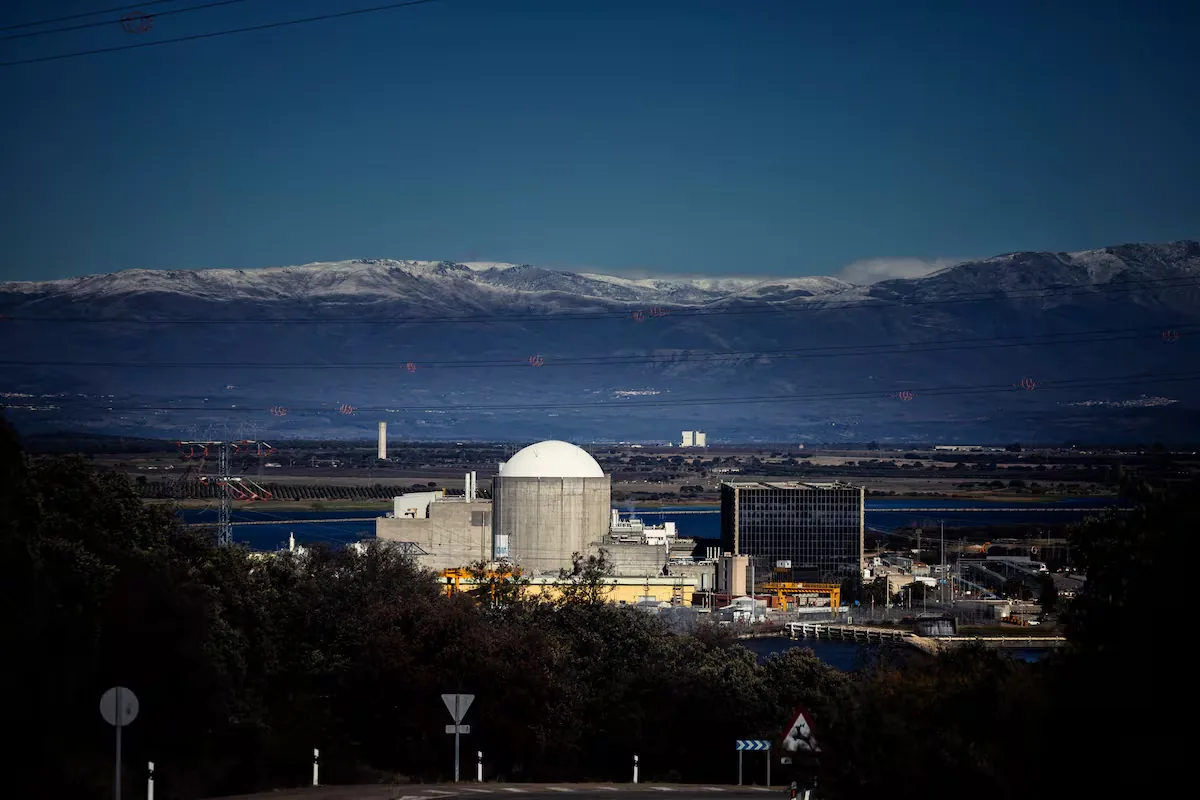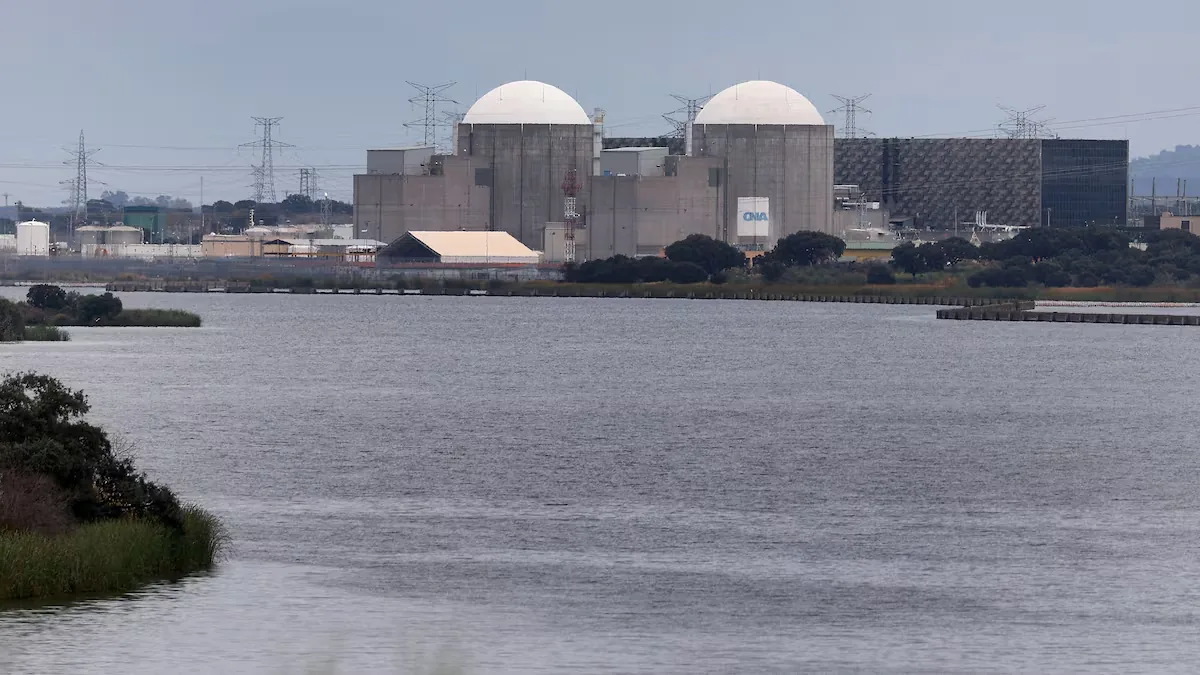
The beginning of the end of nuclear energy in Spain gains a two-and-a-half-year extension. The Government has authorized the extension of the operational life of the Almaraz plant (in Cáceres), as recommended by the Nuclear Safety Council a month ago and requested since last autumn by its owners: Iberdrola, Endesa, and Naturgy. As published in the Official State Gazette this Friday, the Ministry for the Ecological Transition and the Demographic Challenge grants the renewal of the operating license for the Almaraz Nuclear Power Plant, Units I and II, and extends “the validity of the operating license for both Units until June 8, 2030, taking into account that the nuclear plant has a Periodic Safety Review (PSR) valid until that date.” The planned shutdown was to begin in November 2027, and the rest of the scheduled shutdowns until 2035 remain unchanged.
Read more Minor triumph for Daniel Luque with unmotivated ‘zalduendos’ in the ‘sauna’ of Illumbe
“The requested extension of the operating period for Units I and II of the Almaraz Nuclear Power Plant is limited to around 31 and 19 months respectively, which represents a small proportion of the expected average life of the Spanish nuclear fleet, without altering the rest of the schedule or the definitive shutdown date of the entire nuclear fleet in 2035. According to the analyses carried out, this extension has a very limited impact on the country’s energy policy objectives,” explains the order from the department led by Sara Aagesen.
The Ministry also justifies the decision due to the new international energy context and the volatility of gas prices resulting from the crisis in the Middle East. According to the calculations included in the resolution, maintaining Almaraz until 2030 will have a “limited and insignificant” effect on renewable deployment and would help reduce gas dependency. The Ministry does not want the decision to be seen as a step backward and makes clear its strategy in the same Almaraz extension order: “The energy policy approved and being implemented in Spain, aligned with European regulations and objectives, is based on the commitment to renewable generation as the most competitive way to produce electricity, also taking advantage of the country’s competitive advantages in terms of resources, technology, and capabilities. This commitment has improved Spain’s position regarding energy costs in the European context, protected consumers from price increases, and created an unprecedented context of attraction for industrial and electrification projects.”
Sources from the Ministry delve deeper and summarize their reasons, highlighting above all that the extension is “limited and bounded,” and that it is granted after verifying compliance with the three conditions always required for granting it: that it is safe for people (as endorsed by the CSN in its previous mandatory report), that it does not compromise supply security, and that it does not entail any cost for citizens. In other words, there is “no kind of tax reduction or economic compensation for the electric companies.”
The protocol signed in 2018 between the owners of the Spanish nuclear fleet and the National Radioactive Waste Company (Enresa), a company dependent on the Ministry for the Ecological Transition, contemplated the orderly closure of the fleet by 2035, starting in that year 2027 which is now moved to 2030 for the Extremadura facility. The two Almaraz units were the first to close, and despite having since 2020 the CSN’s approval to operate for 10 years (the safety authority’s permits are granted for a decade), the schedule set the closure of the Cáceres plants in seven and eight years, respectively. That is, they already had permission to operate for 10 years, so it was expected that the CSN would not oppose.
Read more Halle Berry turns 60: five reasons why she has become a Hollywood icon
Finally, after many months of behind-the-scenes debate, social pressure in the affected region, public statements to test the other party’s position, and negotiations on the scope of the possible measure, the electric companies decided to request the extension of the life of both Almaraz units until 2030, although their initial intention pointed to a ten-year extension. Iberdrola, with a 53% stake, and Endesa with 36%, were in favor of this greater extension, although Naturgy, with 11%, opposed it and won the day since, as the nuclear plants are constituted as communities of property, decisions must be made unanimously.
Additionally, Endesa and Iberdrola had been fighting to achieve a reduction of the taxes levied on these plants, essentially the tax on spent nuclear fuel, which Mariano Rajoy’s Government approved in 2013 to address the electric system’s debt. But as the deadline to request the extension from the CSN approached (one year before the planned closure), the companies gave up the tax cuts they had been demanding and which the ministry, and the Government as a whole in numerous statements, always considered “a red line.” Nevertheless, they maintain a legal challenge against Enresa’s waste management fee in the courts.
The Ministry’s decision ends the process and prevents the staggered shutdown of the two reactors from being activated on their scheduled dates: November 1, 2027, for Unit I and October 31, 2028, for Unit II.
In any case, and as stated in this Friday’s ministerial order, the extension of operation will be subject to strict compliance with the safety conditions and instructions issued by the CSN. The Nuclear Safety Council already issued a favorable report on July 16 for the requested renewal, conditioned on compliance with the nuclear safety and radiological protection limits and requirements now included in the order. The technical endorsement from the regulatory body certified and accredited that the Cáceres nuclear facility meets the necessary safety conditions to operate safely during this extension period. After this CSN statement, the file was sent to the Government, opening a period for the Executive to make a final decision on its continuity.
Read more The matriarch of the orcas ‘gladis’, 60 years old, appears with pellet impacts on the fin