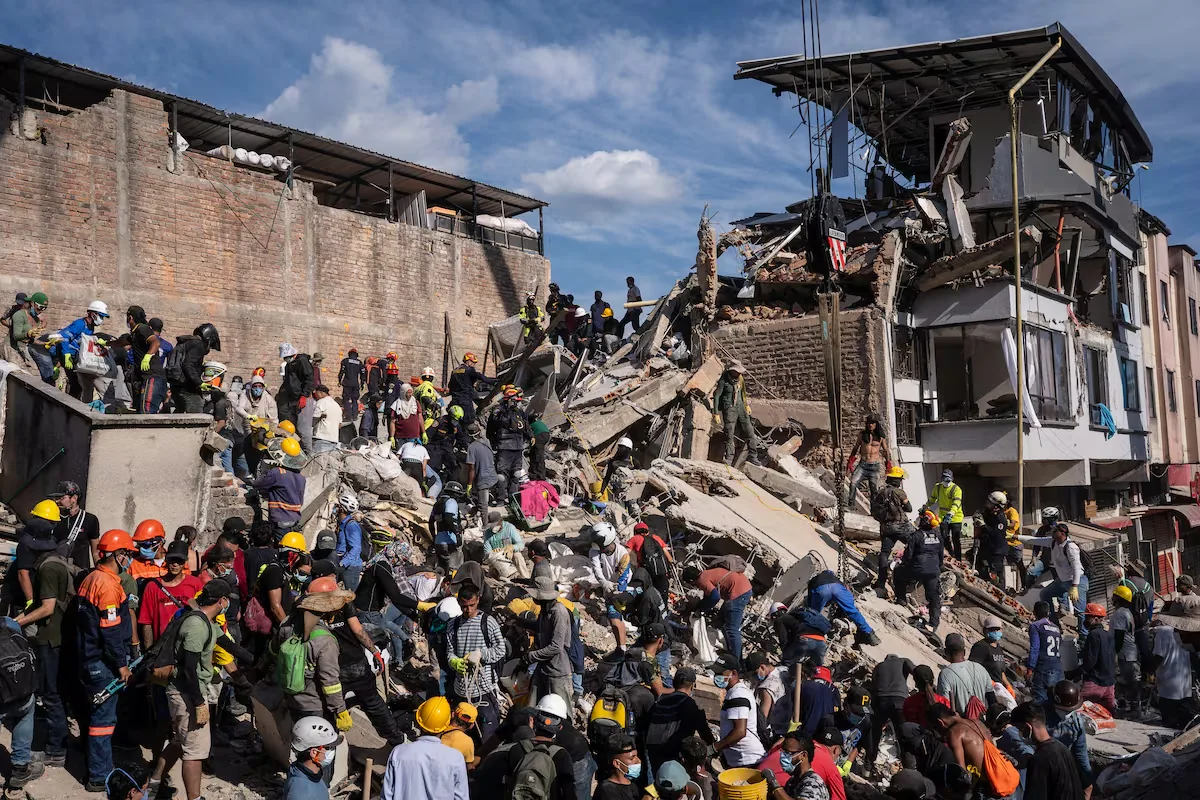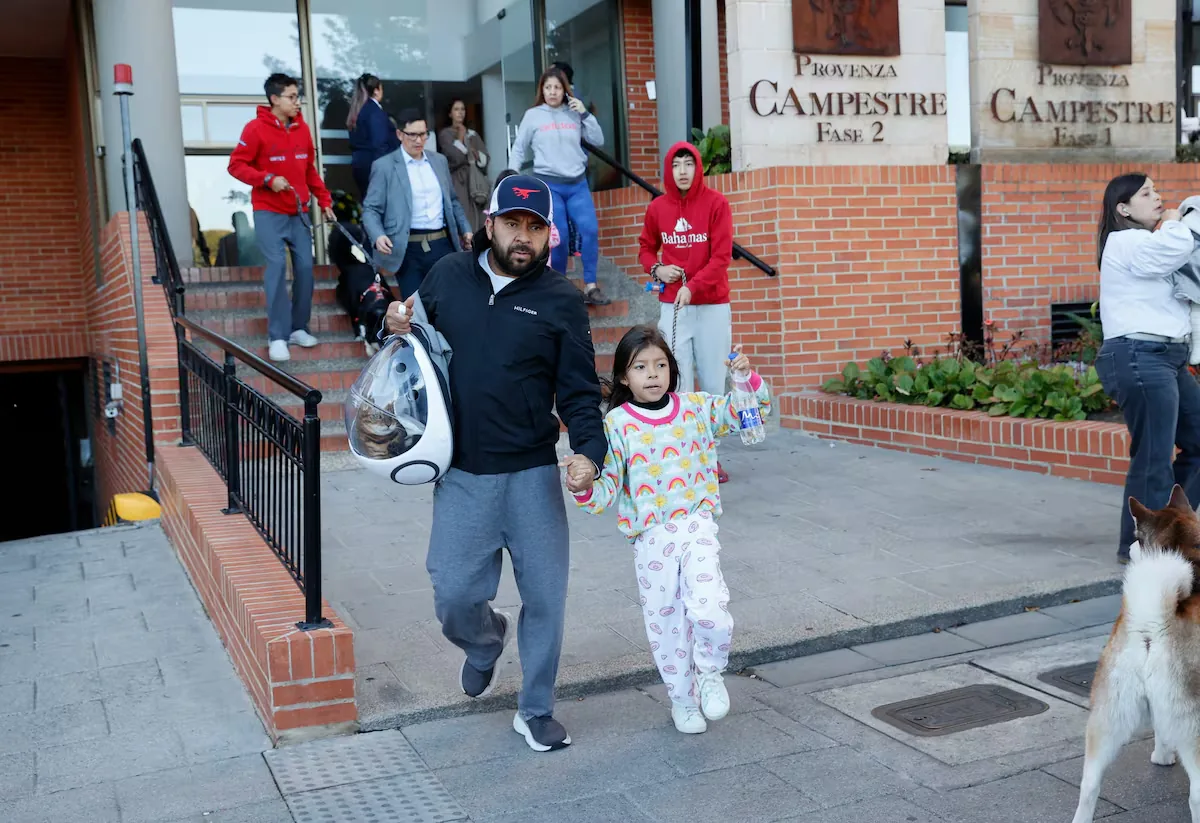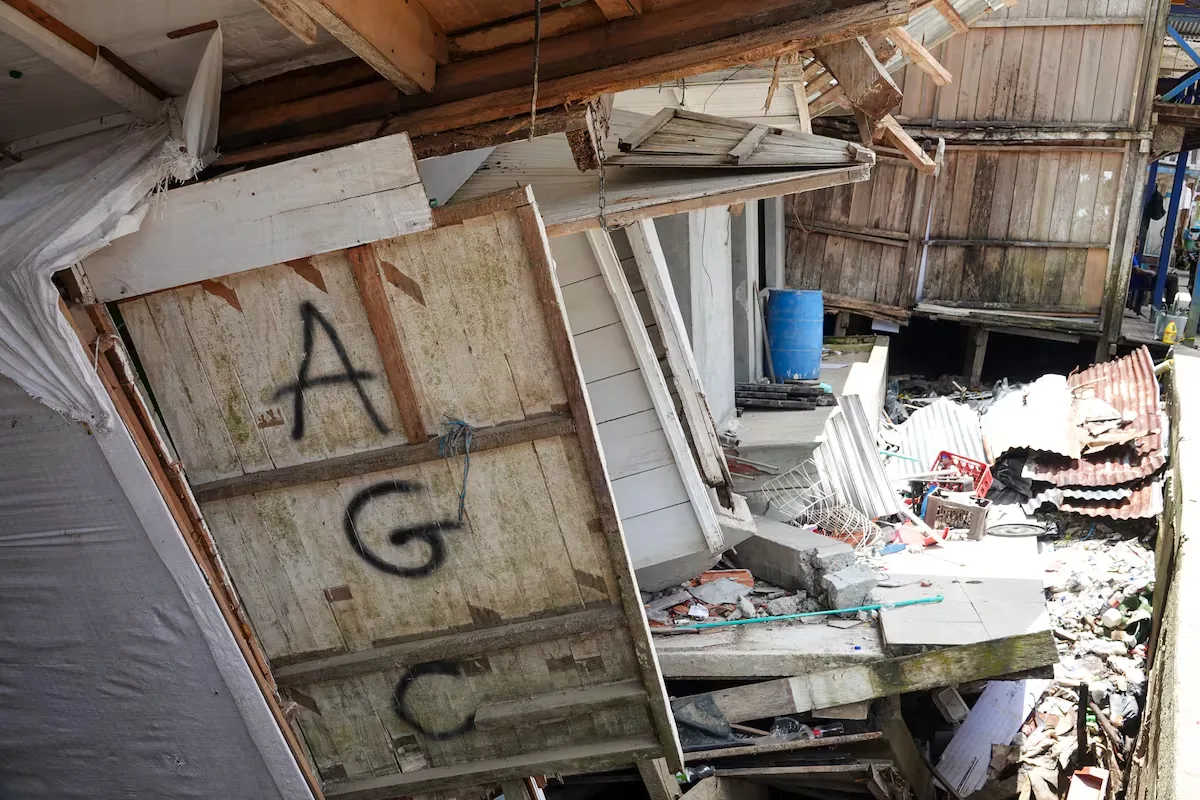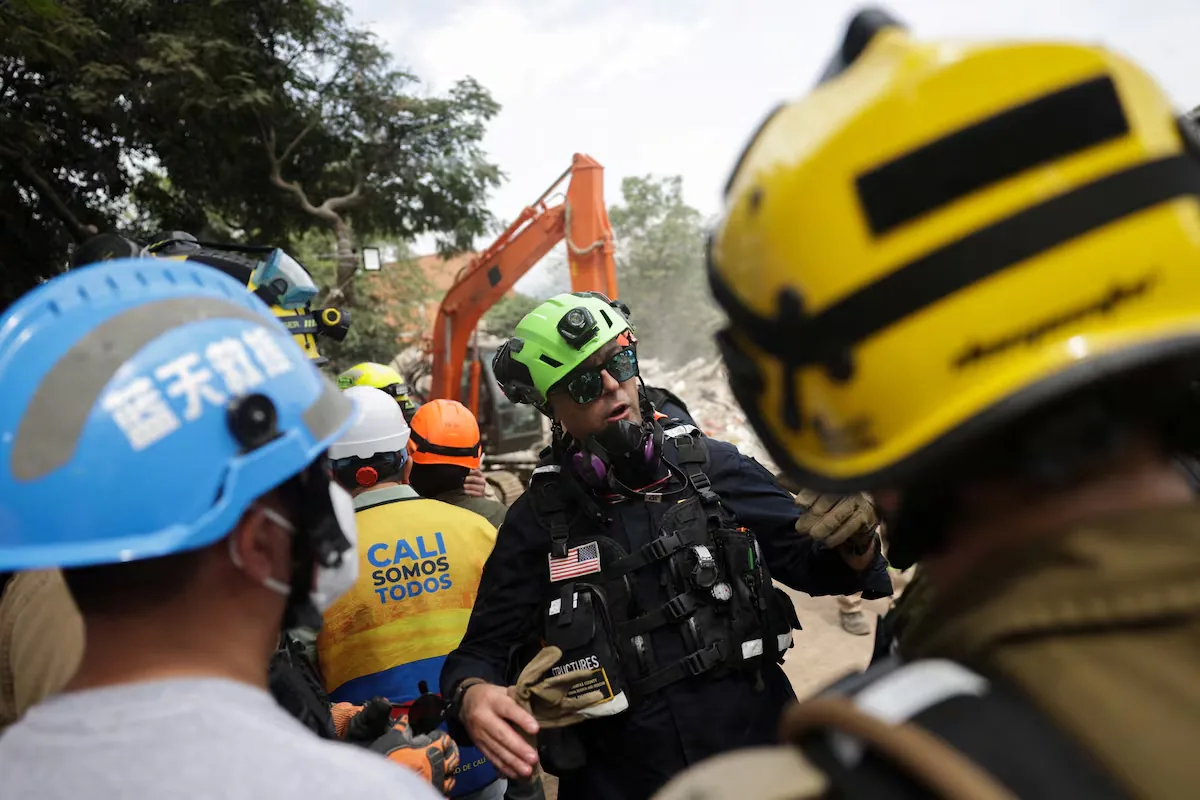
The earthquake that severely struck Colombia has cast doubts on the priorities of Abelardo de la Espriella’s Government, precisely at the time of addressing the current emergency. The moments of greatest anguish are usually those in which every hour counts to organize the progress of response teams, which forces prioritizing rescue tasks that allow helping survivors among the rubble.
Read more Four months of armed violence in Haiti cause more than 600 murders and nearly 400 injured
Saving all possible lives is not something that can be debated in the midst of a tragedy. Hence, if humanitarian aid were politicized to fit ideological and geopolitical interests, it would constitute a serious fault. If actions were taken in response to an agenda different from urgently attending to those who have directly suffered the impact of a natural phenomenon, it would break the humanitarian principles of neutrality, impartiality, and independence that have been historically agreed upon. Those same principles prevent political and military interests from taking precedence over the priority of saving lives.
At this moment, rejecting international rescue support teams that have joined the humanitarian response due to political affinity, while accepting assistance teams from the United States, Israel, Ecuador, and El Salvador, can be seen as evidence of ideological bias in action amid the crisis. On the contrary, the actions of the high government must ensure they are guided by strict technical regulations.
The questions raised by De la Espriella Government’s restrictions on international support add to those arising around a global trend that has been established in different countries. This is the trend to suspend funding lines for humanitarian and development support programs, while increasing defense budgets. For example, the United Kingdom announced it will allocate 0.3% of its national income in 2027 for these support and development programs. Germany cut about 1 billion dollars from the budget of the Ministry of Economic Cooperation and Development. The government of President Donald Trump managed to prohibit nonprofit organizations from questioning the elimination of government aid. Countries that historically contributed to development and supported infrastructure investments to thereby strengthen their presence in Global South countries now opt to prioritize spending on security and defense.
It is worth recognizing, however, that from its beginnings humanitarian aid has sought to achieve political objectives. Some U.S. aid agencies developed in tune with the ideological conflicts of the Cold War. Nevertheless, the intention to promote the development of global humanitarian commitment as an instrument to expand U.S. ties with “underdeveloped” countries was explicitly clear. The preferred ways to pursue these ends were to promote economic and political transformations to curb communist influence. Several aid programs operated in parallel with the objectives of the World Bank and the International Monetary Fund. The aim was to create political and financial projects that strengthened a model of democracy linked to free-market capitalism.
After the Cold War period came Structural Adjustment Programs, which apparently could lead Global South countries to greater development. However, over time, the results have shown increased poverty, limited economic growth, and growing dependence on the United States.
Read more Nobody saw this coming: Charli XCX to the rescue of rock
In times of a considerable shift to the right, with the formula of conservative populism, economic support is clearly linked to political utility and no longer responds to an altruistic commitment. On the contrary, the so-called economic aid is limited to serving as a foreign policy strategy built to promote U.S. geopolitical interests with emphases on security and drug control. Hence, its investments emphasize strengthening public forces in friendly countries, border migration control, regional stability of allied countries to limit the influence of other powers such as China, and ideological alignment to access resources conditioned on those priorities.
The competition to access those economic resources is increasingly intense among the countries requesting them. Funds are increasingly reduced and limited to partner countries that promote the political, military, and financial interests of the White House. If a government were to implement measures contrary to these U.S. interests in the region, it could be punished with budget cuts and an evaluation determining whether the outlined political alignment is maintained.
The financial muscle of the United States is accompanied by that of Israel. Organizations like Doctors Without Borders and hundreds of other humanitarian organizations have denounced that Israeli blockades manipulate humanitarian aid deliveries so that Palestinian refugees take the risk of going to active conflict areas to receive them. Through this means, humanitarian aid is used as a weapon to perpetuate political violence.
The main NGO created by Israel and the United States to distribute aid to the Palestinian people, the Gaza Humanitarian Foundation, has been strongly questioned for promoting the displacement of Palestinians, while Israeli armed forces indiscriminately shoot at the civilian population. The way humanitarian aid, such as food and water, is instrumentalized through censorship of organizations that have criticized these governments has also become widespread. Israel has blocked the entry of millions of dollars in humanitarian aid destined for the Palestinian people suffering one of the worst famines. Total loyalty to the Israeli Government is imposed to receive humanitarian aid, which translates into ideological control that limits the entry of organizations that can save lives in Gaza.
Despite the preferential option for the presence of the United States and Israel in alleviating the Colombian tragedy, the population continues to nurture hope and is not idle. Through local initiatives, and without waiting for the central Government’s presence, communities in the most affected sites have mobilized to help the injured, search for the missing, and honor the lives of their dead.
Read more No wires or installations: this lamp lights up terraces and gardens with up to 8 different colors